
 By admin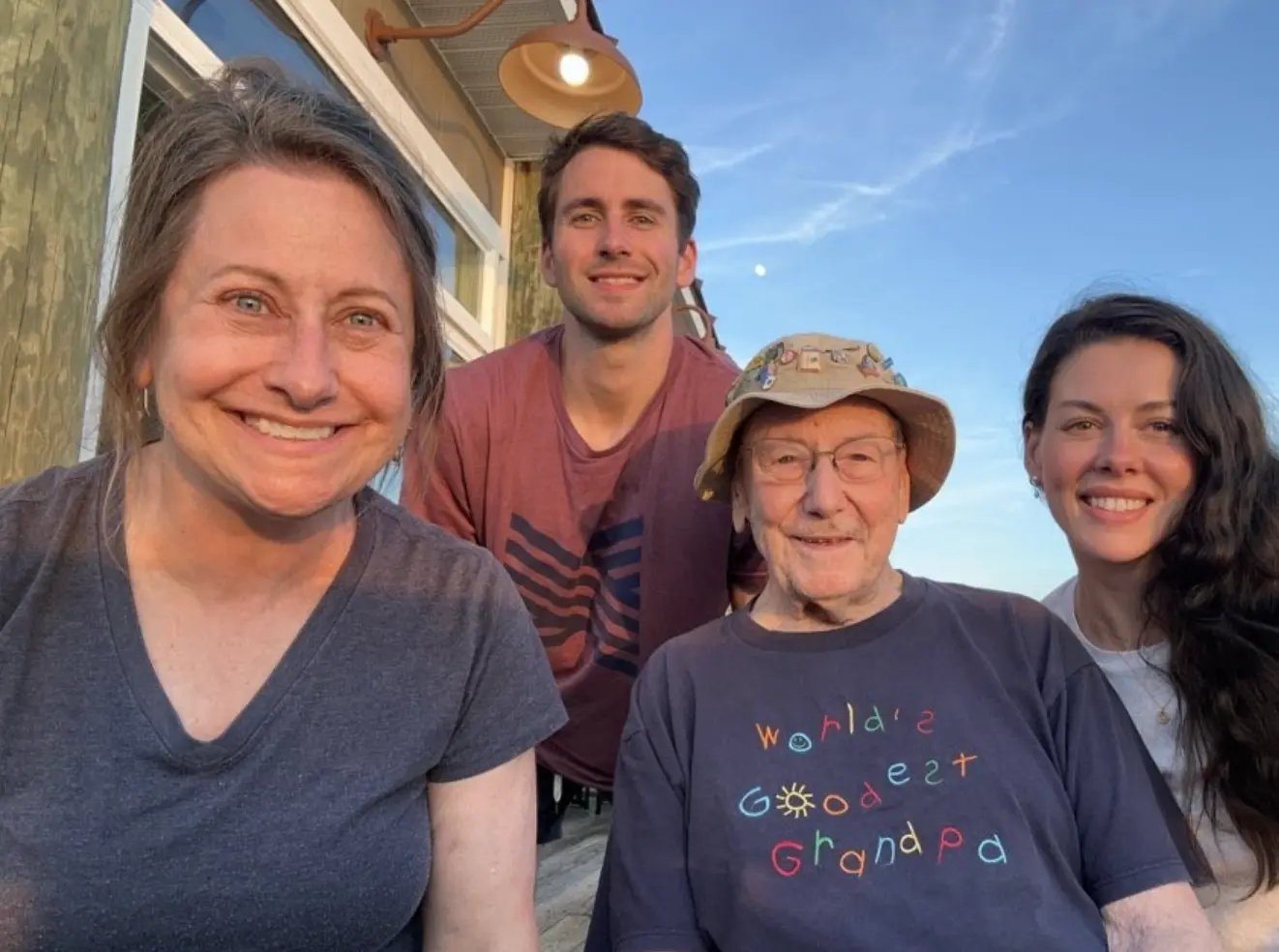
The intersection of high-growth technology and medical philanthropy is witnessing a significant shift as a new generation of entrepreneurs seeks to apply venture-capital mindsets to the challenges of pediatric oncology. Alex Monahan, a Northern Virginia native and Stanford University alumnus, has emerged as a prominent figure in this movement, transitioning from the successful sale of his technology startup, OddsJam, to a focused partnership with the Children’s Cancer Research Fund (CCRF). His journey reflects a growing trend among young innovators who view capital not merely as a reward for commercial success, but as a high-leverage tool to accelerate scientific breakthroughs and improve the quality of life for the next generation of patients.
Monahan’s commitment to the cause is rooted in a personal history marked by the pervasive impact of cancer. While attending high school in Northern Virginia, he witnessed the devastating effects of the disease firsthand through the loss of his grandmother. This experience was later compounded when his father faced his own battle with cancer. These formative events left an indelible mark on Monahan’s perspective, creating a deep-seated empathy for families navigating the complexities of diagnosis and treatment. He has frequently reflected on the inherent difficulty of adult cancer battles, noting that the prospect of a child enduring such a journey is particularly harrowing. This personal connection served as the primary catalyst for his eventual pivot toward pediatric-focused philanthropy.
From Silicon Valley Innovation to Philanthropic Investment
Despite an early interest in medicine, Monahan’s career path initially led him to the heart of the technology sector. At Stanford University, he immersed himself in the world of entrepreneurship and data-driven systems. This education provided the foundation for OddsJam, a startup he built into a significant player in the sports data and analytics space. Following the successful acquisition of the company, Monahan found himself at a professional crossroads common among young tech leaders: the desire to translate financial success into a lasting, meaningful legacy.
His approach to selecting a philanthropic partner was as methodical as his approach to business. Utilizing the same research skills that drove his startup’s growth, Monahan conducted an extensive search for organizations that prioritized high-impact research and transparent outcomes. This search led him to the Children’s Cancer Research Fund, a national nonprofit dedicated to ending childhood cancer by funding the most promising research and supporting families. Monahan describes his transition to an "instant supporter" as a realization that today’s philanthropic investments are the direct architects of future medical standards. He posits that the state of cancer care in two decades will be a direct reflection of the capital and technological resources deployed today.
The Technological Frontier in Pediatric Oncology
One of the central pillars of Monahan’s philanthropic philosophy is the integration of advanced technology into the research process. Coming from a background in software and data analytics, he recognizes that the traditional pace of medical discovery can be significantly accelerated through the application of artificial intelligence (AI) and machine learning. In the context of pediatric oncology, these tools are not merely peripheral; they are essential for managing the vast datasets generated by genomic sequencing and clinical trials.
Monahan emphasizes that AI has the potential to revolutionize several key areas of cancer care:
- Accelerated Discovery: Algorithms can process molecular data at speeds unattainable by human researchers, identifying potential drug targets and therapeutic pathways in a fraction of the traditional time.
- Precision Medicine: Technology allows for the customization of treatment plans based on a child’s unique genetic makeup, increasing the likelihood of efficacy while minimizing unnecessary interventions.
- Reduction of Long-Term Side Effects: By refining the delivery and dosage of treatments, technology can help mitigate the "late effects" of cancer therapy—chronic health issues that often plague childhood cancer survivors into adulthood.
Monahan’s support is particularly focused on survivorship and quality of life. He acknowledges that "curing" cancer is only part of the battle; ensuring that survivors can lead healthy, productive lives is equally critical. To ensure his contributions achieve the highest possible impact, he relies on a network of medical experts and researchers to guide his giving toward initiatives that bridge the gap between laboratory discovery and bedside application.
Supporting Breakthrough Clinical Trials
A primary example of the initiatives Monahan champions is the CCRF-funded brain tumor clinical trial currently underway at Children’s Minnesota. Brain tumors remain one of the deadliest forms of childhood cancer, and traditional treatments often carry significant risks to developing neurological systems. The trial focuses on innovative approaches to treating these tumors, seeking to move the needle on survival rates that have remained stubbornly stagnant for certain subtypes of the disease.
For Monahan, the appeal of such trials lies in their direct application of research. While he is quick to clarify that he is not a scientist, his background allows him to grasp the "why" and "how" of the methodologies involved. This understanding transforms the act of giving from a passive donation into an active investment in human potential. By funding clinical trials, he is helping to provide families with access to cutting-edge therapies that would otherwise be unavailable, creating a tangible link between his entrepreneurial success and the preservation of young lives.
The Human Element: Resilience and Community Engagement
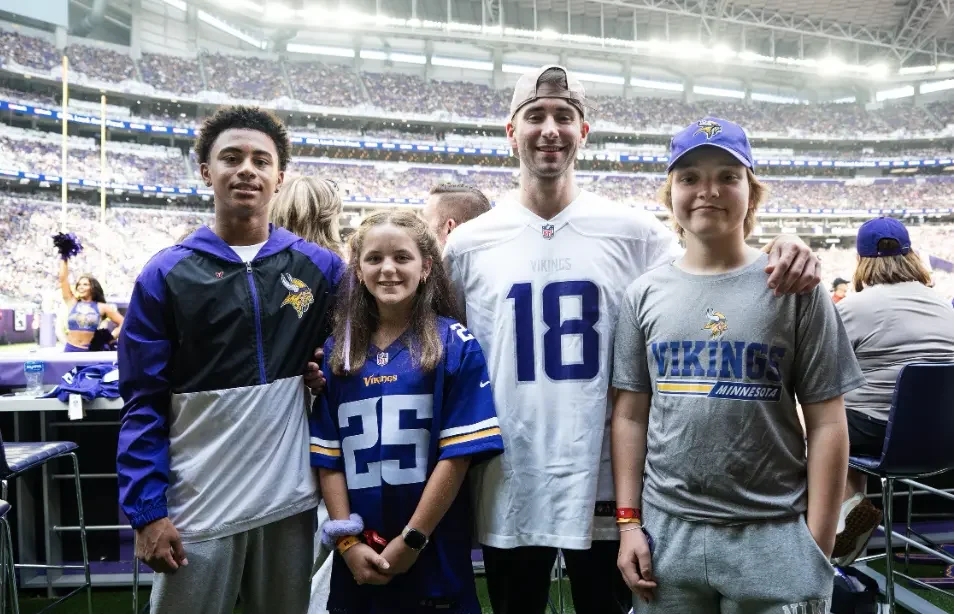
While much of Monahan’s focus is on the technical and scientific aspects of research, he remains deeply connected to the human experience of cancer. This was highlighted during a recent event where he spent time with cancer-affected families in the CCRF suite during a Minnesota Vikings pre-season game. For Monahan, sports had always served as a vital escape during his own family’s difficult times, and seeing the joy and resilience of children currently undergoing treatment reinforced the importance of his mission.
The experience served as a reminder that philanthropy is not just about funding labs, but about supporting the spirit of the individuals fighting the disease. "Seeing these kids’ excitement and resilience reminded me how important it is to step out of your bubble and help people," Monahan remarked. This perspective aligns with CCRF’s broader mission to provide "joy moments"—experiences that allow children to reclaim a sense of normalcy and childhood amidst the rigors of medical treatment.
Data and Context: The Current State of Pediatric Cancer Funding
To understand the significance of Monahan’s contribution, it is necessary to examine the broader landscape of pediatric cancer funding. Despite being the leading cause of death by disease for children in the United States, pediatric cancer research receives a disproportionately small share of federal funding. According to data from the National Cancer Institute (NCI), only approximately 4% of the federal budget for cancer research is specifically allocated to childhood cancers.
This funding gap places a heavy burden on private donors and organizations like CCRF to fill the void. The lack of federal resources is particularly acute in the development of new drugs; because the market for pediatric cancer drugs is smaller than that for adult cancers, pharmaceutical companies often have less financial incentive to invest in research and development for children. Consequently, philanthropic support is often the only way to move promising new treatments through the "valley of death"—the precarious phase between initial discovery and large-scale clinical trials.
Furthermore, the long-term implications of childhood cancer are profound. Approximately 95% of childhood cancer survivors will develop at least one chronic health condition by the time they reach age 45, a direct result of the toxic nature of current treatments like high-dose chemotherapy and radiation. Monahan’s focus on technology-driven, less-toxic treatments is a direct response to this statistical reality.
A New Model for Philanthropic Engagement
Monahan’s entry into the world of philanthropy offers a blueprint for other young professionals and entrepreneurs. He advocates for a "realistic and resourceful" approach to giving, suggesting that donors should not be intimidated by the complexity of the science. Instead, he encourages them to use their existing resources—whether they be financial, intellectual, or social—to drive change.
His advice to prospective donors emphasizes three core tenets:
- Clarity of Impact: Understand exactly where the money is going and what specific research priorities it supports.
- Engagement with Experts: Leverage the knowledge of established organizations to identify high-leverage opportunities.
- Urgency: Start the process of giving as soon as resources allow, rather than waiting until the end of a career.
The transparency provided by the CCRF team was instrumental in Monahan’s decision to make his first major donation. By providing clear insights into how his gift would be utilized to advance specific research goals, the organization fostered a sense of partnership that keeps him motivated and inspired.
Broader Implications and Future Outlook
The involvement of tech leaders like Alex Monahan signifies a broader shift in the philanthropic sector. As wealth is created at younger ages in the technology industry, the timeline for "legacy giving" is being compressed. This "giving while living" philosophy allows donors to see the fruits of their investments and to iterate on their philanthropic strategies in real-time.
Looking ahead, the integration of AI, genomic data, and private capital is expected to accelerate the pace of pediatric oncology breakthroughs. Monahan’s commitment to CCRF is a testament to the belief that childhood cancer is a solvable problem, provided the necessary resources and intellectual capital are applied. Through his thoughtful and data-driven approach, Monahan is not only funding research but is also helping to redefine what is possible in the fight against pediatric disease.
For the families served by CCRF and the scientists working in the labs, Monahan’s support represents more than just financial assistance; it represents a bridge to a future where a cancer diagnosis is no longer a life-defining tragedy for a child, but a manageable hurdle on the way to a long and healthy life. His story serves as a call to action for the next generation of leaders to recognize that their most significant legacy may not be the companies they build, but the lives they help save.
