
 By admin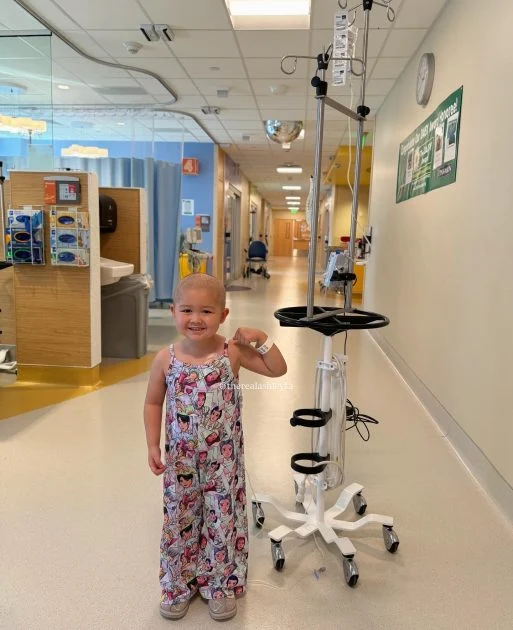
The American Childhood Cancer Organization (ACCO) has officially named four-year-old Rylee as a 2026 Ambassador, highlighting a journey defined by maternal persistence, clinical resilience, and the critical importance of early diagnostic intervention. Rylee, who is currently battling Acute Lymphoblastic Leukemia (ALL), represents a growing cohort of pediatric patients whose stories underscore the necessity of parental advocacy within the healthcare system. Her appointment as an ambassador comes as she navigates a complex multi-year treatment protocol that includes traditional chemotherapy and advanced immunotherapy, all while maintaining the developmental milestones of a preschool-aged child.
The narrative of Rylee’s diagnosis serves as a poignant case study in the challenges of pediatric oncology detection. In the summer of 2024, her mother, Ashley, observed a series of deteriorating health markers that initially baffled primary care providers. Despite repeated medical consultations where symptoms were attributed to minor ailments such as seasonal allergies or routine viral infections, the clinical reality was far more severe. Rylee’s journey from the first signs of illness to a confirmed leukemia diagnosis reflects a broader systemic issue in pediatric medicine: the difficulty of distinguishing common childhood illnesses from the early warning signs of life-threatening malignancies.
The Diagnostic Timeline: From Dismissal to Emergency Intervention
The path to Rylee’s diagnosis was marked by a series of escalating symptoms and repeated visits to various medical facilities. Ashley reports a period of several days where her daughter exhibited a constellation of concerning signs, including persistent fevers, chills, body aches, a swollen eye, inflamed lymph nodes, unexplained bruising, and joint pain. Despite these indicators, initial assessments at urgent care facilities and emergency departments resulted in discharges without definitive answers. Medical professionals repeatedly assured the family that the child was experiencing minor issues, a common occurrence in pediatric care where symptoms of leukemia often mimic those of less severe infections.
On August 6, 2024, the situation reached a critical juncture. Refusing to accept another discharge without a comprehensive screening, Ashley demanded a blood test. The results, delivered at 5:00 p.m. that same day, confirmed the presence of leukemia. The timing of the diagnosis added a layer of personal hardship for the family; Rylee’s father, Jacob, was serving overseas on a military deployment at the time. This left Ashley to navigate the immediate aftermath of the world-shattering news and the logistical demands of an emergency ambulance transfer to a specialized pediatric facility in Denver, Colorado, in isolation.
The first week of Rylee’s hospitalization involved an intensive series of procedures designed to stabilize her condition and begin the eradication of malignant cells. This included the surgical placement of a chemo-port, a bone marrow biopsy to determine the extent of the disease, and a lumbar puncture to deliver chemotherapy directly into her spinal fluid—a preventative measure against the spread of cancer to the central nervous system. Within those initial seven days, Rylee also underwent three blood transfusions and two platelet transfusions, alongside her first two-hour systemic chemotherapy session.
Clinical Context: Understanding Acute Lymphoblastic Leukemia
Acute Lymphoblastic Leukemia (ALL) is the most common form of childhood cancer, accounting for approximately 25% of all cancer diagnoses in children under the age of 15. It is a type of cancer that affects the white blood cells, specifically the lymphocytes, which are integral to the body’s immune system. In patients with ALL, the bone marrow produces an overabundance of immature white blood cells, known as blasts, which crowd out healthy red blood cells, white blood cells, and platelets.
The symptoms Rylee exhibited—bruising, joint pain, and persistent fever—are hallmark indicators of the disease’s progression. Bruising occurs due to a lack of platelets, which are necessary for blood clotting, while bone and joint pain result from the overcrowding of the bone marrow by leukemic cells. While the five-year survival rate for pediatric ALL has improved significantly over the last several decades, reaching approximately 90%, the treatment remains one of the most grueling and lengthy protocols in pediatric oncology.
Rylee’s case followed a positive initial trajectory. By early September 2024, less than a month after her diagnosis, she was declared to be in clinical remission. However, in the context of leukemia, remission does not signal the end of treatment. To prevent a relapse, the standard of care requires a "maintenance" phase that lasts several years. For Rylee, her current medical roadmap extends through October 2027, representing a three-year commitment to rigorous pharmaceutical intervention.
Innovation in Treatment: The Use of Blinatumomab
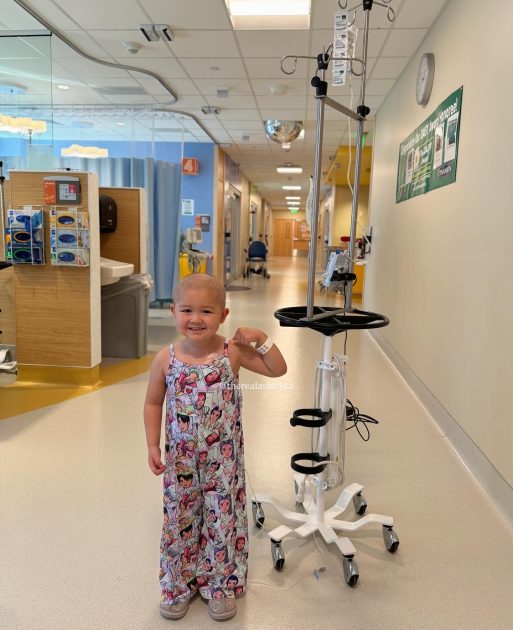
As part of her evolving treatment plan, Rylee began receiving Blinatumomab, commercially known as Blincyto, in October 2024. This represents a shift toward immunotherapy, a field of medicine that leverages the body’s own immune system to target and destroy cancer cells. Blinatumomab is a bispecific T-cell engager (BiTE) antibody that directs the patient’s T-cells to attack B-cell leukemia cells.
Unlike traditional chemotherapy, which is often administered in high-dose cycles followed by recovery periods, Blinatumomab is typically delivered via a continuous intravenous infusion. For Rylee, this meant wearing an ambulatory pump for 28 consecutive days. To help a four-year-old cope with the physical burden of carrying medical equipment, the family utilized a "superhero backpack" to house the infusion pump. This approach highlights the importance of integrating "medical play" and age-appropriate adaptations in pediatric care, allowing children to maintain a sense of autonomy and normalcy while receiving life-saving medication.
The Role of the American Childhood Cancer Organization
Rylee’s appointment as a 2026 ACCO Ambassador places her at the forefront of the organization’s mission to provide support and advocacy for families affected by pediatric cancer. The ACCO, founded in 1970, is one of the oldest and largest grassroots childhood cancer organizations in the United States. A key component of their support system is the "Medical Play Kit," a resource Rylee has used to process her own experiences.
Medical play is a recognized therapeutic technique used to help children understand their diagnoses and treatments through the use of toys and medical equipment in a non-threatening environment. In a video shared by the ACCO, Rylee is seen engaging with the kit, identifying tools that mirror those used by her oncology team. Such resources are vital in reducing the trauma associated with frequent hospitalizations and invasive procedures. By assuming the role of "Dr. Ta" during her play sessions, Rylee demonstrates a psychological coping mechanism that transforms her from a passive recipient of care into an active participant in her own health journey.
Analysis of the Impact of Parental Advocacy
The core of Rylee’s story is the efficacy of parental intuition and persistent advocacy. Ashley’s advice to other parents—to "trust your gut" even when faced with professional dismissal—resonates with many in the pediatric cancer community. Studies in patient safety often highlight that "parental concern" is a highly sensitive indicator of clinical deterioration in children. When parents feel that their child is not behaving normally, that observation often precedes measurable changes in vital signs.
In Rylee’s case, the fight to be heard was arguably the most critical factor in her survival. Had the diagnosis been delayed by several more weeks, the leukemia could have progressed to a much more dangerous stage, potentially complicating the path to remission. The psychological toll on the caregiver is also a significant factor; Ashley’s experience of receiving a terminal-level diagnosis while her husband was deployed highlights the unique stressors faced by military families. The necessity of "showing up" every day despite personal emotional devastation is a recurring theme for parents in the oncology ward.
Broader Implications and Statistical Outlook
Rylee’s journey reflects the broader landscape of childhood cancer in the United States. While survival rates are high for ALL, the long-term effects of treatment—including potential impacts on growth, cognitive development, and cardiac health—remain a concern for survivors. The transition from intensive "induction" chemotherapy to immunotherapy like Blinatumomab represents a move toward more targeted, potentially less toxic treatments, but the duration of these protocols remains a significant hurdle for families.
Furthermore, the financial and emotional burden of childhood cancer is immense. Organizations like the ACCO provide their resources, including the medical play kits, free of charge to families, recognizing that the hidden costs of cancer—travel to specialized hospitals, lost wages, and home care—can be crippling.
As Rylee continues her treatment through 2027, her role as an ambassador will serve to raise awareness for the thousands of children diagnosed with ALL annually. Her story is a testament to the fact that while a diagnosis of leukemia is "world-shattering," the combination of medical innovation, community support, and unwavering parental advocacy provides a pathway toward a future beyond the hospital walls. Rylee remains a typical four-year-old who enjoys tea parties, riding her bike, and playing with her siblings, proving that even in the midst of a multi-year battle with cancer, the spirit of childhood remains resilient.
