
 By Budi Oetomo Narendra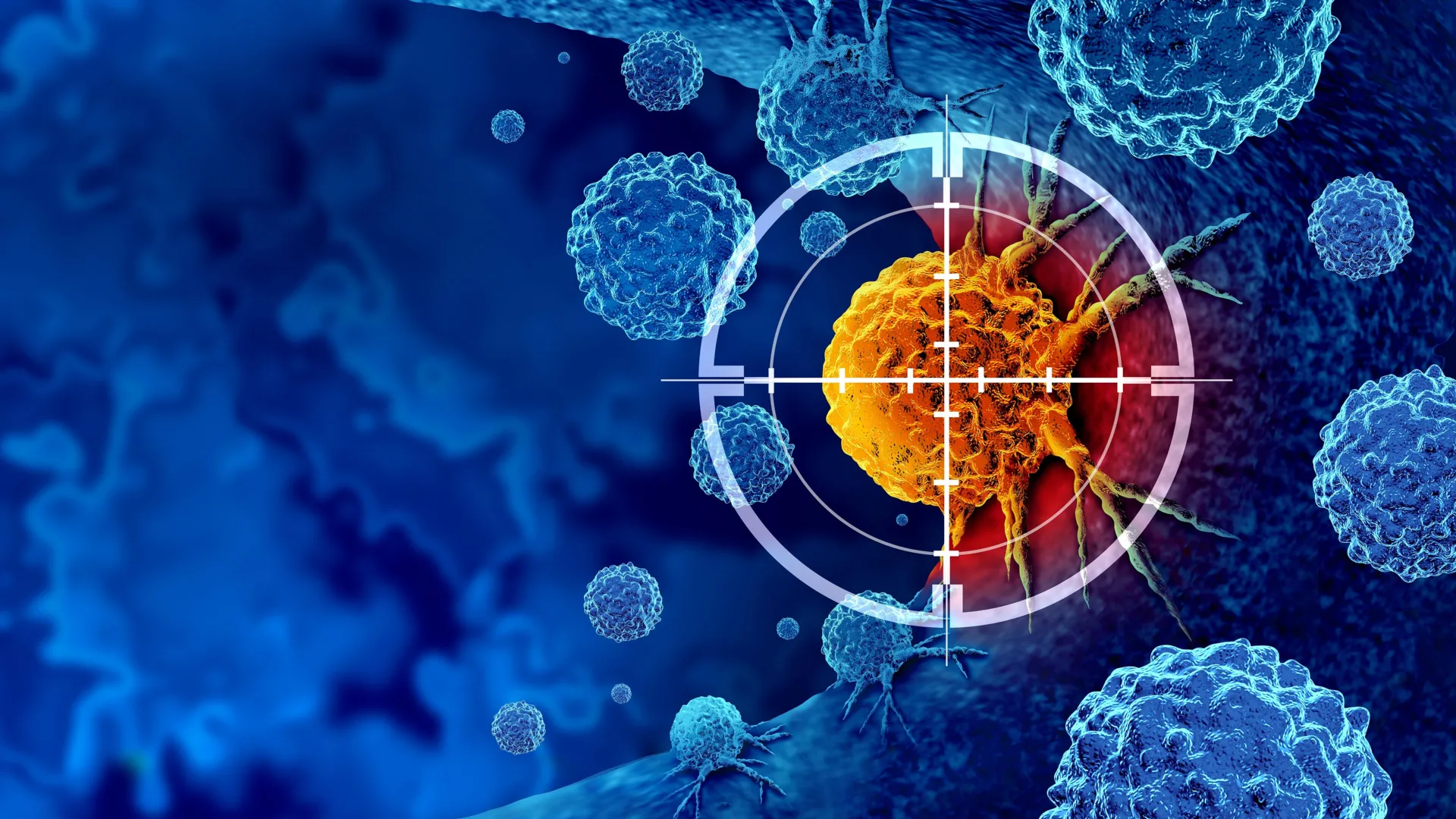
Prostate cancer, a pervasive and often deadly disease, has long presented a formidable challenge to immunotherapeutic approaches, a cutting-edge cancer treatment designed to harness the body’s own immune system to identify and eradicate malignant cells. This resistance stems from prostate tumors’ notorious classification as "immune cold," a descriptor indicating their inability to attract sufficient numbers of T cells, the critical immune effector cells necessary for a robust anti-cancer response. However, a significant scientific breakthrough, detailed in Nature Biomedical Engineering, now offers a beacon of hope: researchers have successfully developed an experimental RNA-targeting technology that could render prostate tumors far more susceptible to immune attack, potentially transforming treatment paradigms for this challenging malignancy and other similarly "cold" cancers.
The innovative strategy employs a CRISPR-based tool to precisely alter RNA within prostate cancer cells, effectively transforming these previously hidden tumors into highly visible targets for cancer-fighting immune cells. In rigorous laboratory studies, this novel intervention demonstrated a remarkable ability to enhance the response of prostate tumors to immune checkpoint therapy in murine models. The key to its success lies in its capacity to dramatically increase the infiltration of immune cells into the tumor microenvironment, where they subsequently engaged with and destroyed cancer cells.
The Enigma of "Immune Cold" Tumors and Prostate Cancer’s Resistance
To understand the profound implications of this discovery, it is crucial to first grasp why prostate cancer has historically resisted the transformative power of immunotherapy. Immunotherapy, particularly immune checkpoint inhibitors (ICIs), has revolutionized the treatment landscape for various cancers, including melanoma, lung cancer, and kidney cancer. These therapies work by blocking proteins (checkpoints) that prevent T cells from attacking cancer cells, essentially "releasing the brakes" on the immune system.
However, the efficacy of ICIs is largely dependent on the presence of a pre-existing immune response within the tumor, characterized by an abundance of T cells. Tumors that lack this immune infiltration are termed "immune cold." Prostate cancer, unfortunately, falls squarely into this category. Despite being the second most common cancer among men globally, with an estimated 288,300 new cases and 34,700 deaths projected in the U.S. for 2023 alone according to the American Cancer Society, advanced prostate cancer often shows limited response rates to single-agent immune checkpoint blockade, typically below 10% in unselected patient populations. This clinical reality underscores an urgent unmet need for therapies that can convert "cold" tumors into "hot" ones, thereby sensitizing them to immunotherapy.
Dr. Eric J. Wagner, PhD, a co-author of the study from the University of Rochester Medicine and co-director of the Center for RNA Biology, emphasized the paradigm shift immunotherapy represents. "Immune therapy is a monumentally different way to treat cancer, and a great way because you don’t have to give patients terrible drugs that kill the cancer but harm healthy cells in the process," Wagner stated. "The problem is that some cancers respond well to immune therapy, but others develop resistance or don’t respond at all. Our tool strengthens the immune system’s ability to make the cancer go away and could be used in conjunction with existing immunotherapies in prostate and potentially other immune-cold tumor types." His statement highlights the dual promise of this technology: overcoming intrinsic resistance and enhancing the therapeutic window of existing treatments.
A Decade-Long Scientific Journey: Unraveling the mRNA Connection
The genesis of this groundbreaking work can be traced back over a decade, to a pivotal discovery made by Wagner’s team approximately twelve years ago. While investigating glioblastoma, an aggressive form of brain cancer, researchers observed a curious phenomenon: many messenger RNAs (mRNAs) within tumor cells were significantly shorter than their healthy counterparts. Subsequent studies, conducted by Wagner’s group and other independent scientists, corroborated this finding, demonstrating that this pervasive mRNA shortening occurs across a wide spectrum of cancer types. More importantly, it became clear that this truncation was not merely an anomaly but a sophisticated survival mechanism, enabling tumors to adapt, thrive, and evade various therapeutic interventions.
mRNA molecules serve as crucial intermediaries in cellular biology, carrying genetic instructions from DNA in the nucleus to the cell’s protein-making machinery (ribosomes). This information is then translated into the proteins essential for all bodily functions. The shortening of mRNAs, as discovered, confers a distinct advantage to cancer cells: increased stability. Much like animals that adopt smaller, more compact forms for protection – envisioning a hedgehog or pangolin curling into a ball – these truncated mRNAs present a reduced exposed surface area, rendering them less susceptible to degradation by cellular enzymes. This enhanced stability means they persist longer within the cell, continuing to drive protein production.
Furthermore, shortened mRNAs prove more challenging for cells to regulate. Their prolonged activity leads to the sustained production of large quantities of specific proteins, allowing their effects to spread unchecked by normal cellular controls. This dysregulation is a hallmark of cancer, contributing to uncontrolled cell growth, survival, and evasion of immune surveillance.
The Immune Signal: How Cancer Cells Silence MHC-I
A critical mechanism by which tumors become "immune cold" involves the subversion or outright loss of the Major Histocompatibility Complex class I (MHC-I) molecules on their cell surface. The MHC-I complex acts as a vital molecular flag, presenting fragments of intracellular proteins (including abnormal tumor-associated antigens) to T cells. This presentation is essential for cytotoxic T lymphocytes (CTLs) to recognize tumor cells as foreign or abnormal and subsequently initiate an immune attack. Without adequate MHC-I expression, malignant cells become virtually invisible to the immune system, effectively donning a cloak of invisibility that allows them to proliferate unimpeded.
The researchers at Duke University School of Medicine, leading the collaborative team, meticulously uncovered a complex chain of biochemical events that explains how prostate cancer actively shuts down this crucial immune signaling pathway. They identified a specific protein, SPSB1 (SplA/ryanodine receptor domain and SOCS box containing 1), as a key culprit. When the mRNA encoding SPSB1 is abnormally shortened in prostate cancer cells, it leads to an overexpression of the SPSB1 protein. This overabundance of SPSB1 then initiates a cascade that directly or indirectly results in the degradation or reduced surface expression of the MHC-I complex. In essence, by tampering with its own mRNA machinery, the cancer cell weaponizes SPSB1 to dismantle its own immune beacon, thereby orchestrating its escape from immune surveillance.
CRISPR-Cas13: Re-engineering the Tumor’s Immune Magnet
Armed with this intricate understanding of the cancer’s evasion strategy, the collaborative research team, spearheaded by scientists from Duke University School of Medicine, embarked on developing a first-of-its-kind therapeutic intervention. Their goal was to reverse the cancerous manipulation by restoring the normal length of the mRNA that produces SPSB1. To achieve this unprecedented feat, they ingeniously leveraged an RNA-based CRISPR-Cas13 system.
Unlike the more commonly known CRISPR-Cas9, which targets and cuts DNA, the CRISPR-Cas13 system is specifically designed to target RNA molecules. In a novel application, the researchers engineered this system not to cut the SPSB1 mRNA, but rather to precisely attach to a specific section of its sequence. By binding to this critical location on the mRNA molecule, the CRISPR-Cas13 tool effectively prevented cancer cells from accessing and shortening the end, or "tail," of the SPSB1 mRNA molecule. This innovative "binding, not cutting" approach is crucial, as it allows for fine-tuned regulation rather than complete obliteration, reducing potential off-target effects and maintaining cellular integrity.
The successful intervention had a cascading positive effect. By keeping the SPSB1 mRNA at its normal, longer length, the production of the SPSB1 protein by the cancer cells was significantly reduced. This reduction in SPSB1, in turn, allowed for the restoration of the MHC-I complex on the surface of the prostate tumor cells. With the MHC-I complex effectively reinstated, the previously "immune cold" tumors became "hotter" and much more visible to the immune system.
The preclinical data unequivocally demonstrated the therapeutic power of this restoration. Once the MHC-I complex was re-established, immune checkpoint therapy—which had previously shown limited efficacy—became significantly more effective against the prostate tumors in the mouse models. Detailed molecular and cellular analyses of the results further confirmed the precision of the experimental CRISPR treatment, revealing no detectable off-target effects, a critical safety consideration for any potential therapeutic agent.
Dr. Wagner articulated the significance of this technological leap with enthusiasm: "No one has ever done this before. It’s an excellent preclinical model showing that mRNAs can be forced to re-lengthen and when they do, there’s therapeutic benefit." He continued, reflecting on the constant evolutionary battle against cancer, "Cancer is super smart at evolving, but it’s not a magician. If we can hit it with immunotherapy and another synergistic drug that pumps up the immune response, we could potentially cure it. It won’t be able to evolve fast enough." This perspective highlights the potential for a powerful combinatorial strategy, where the CRISPR-Cas13 technology acts as a sensitizer, dramatically improving the odds for existing immunotherapies.
Broader Impact and Future Horizons: Targeting Other "Cold" Tumors
The implications of this breakthrough extend far beyond prostate cancer. Dr. Wagner, who is also a distinguished member of Wilmot Cancer Institute’s Genetics, Epigenetics and Metabolism research program, is now poised to investigate the broader applicability of this innovative approach to other types of "immune cold" cancers. The potential to transform the treatment landscape for these difficult-to-treat malignancies is immense.
One of the immediate next steps involves testing the technology in pancreatic cancer, another notoriously resistant and aggressive tumor type that frequently exhibits a poor response to immunotherapy. His team has already secured crucial pilot funding from Wilmot Cancer Institute and Roswell Park Comprehensive Cancer Center to initiate these studies. Pancreatic cancer, with its grim prognosis and limited therapeutic options, represents another critical area where such a sensitizing strategy could make a life-altering difference for patients.
The research itself was substantially funded by the National Cancer Institute (NCI) at the National Institutes of Health, underscoring its national importance and scientific merit. The journey from a groundbreaking preclinical discovery to a widely available clinical therapy is typically long and arduous, involving multiple phases of human clinical trials to establish safety, dosage, and efficacy. However, the robust preclinical data and the clear mechanistic understanding behind this RNA-targeting technology provide a strong foundation for future translational efforts.
Should this technology successfully navigate the complex regulatory and clinical development pathways, its impact could be profound. It offers the promise of expanding the benefits of immunotherapy to a much larger patient population, particularly those battling cancers that currently evade immune detection. Beyond improving survival rates, it also holds the potential to reduce the burden of aggressive chemotherapy and radiation, thereby improving the overall quality of life for cancer patients. The development of such precise, targeted therapies represents a significant stride forward in the ongoing fight against cancer, moving closer to a future where even the most resistant tumors can be brought to heel by the body’s own revitalized immune defenses. This research underscores the vital role of fundamental scientific inquiry in unraveling the complexities of cancer and translating those insights into potentially life-saving innovations.
