
 By Lina carolina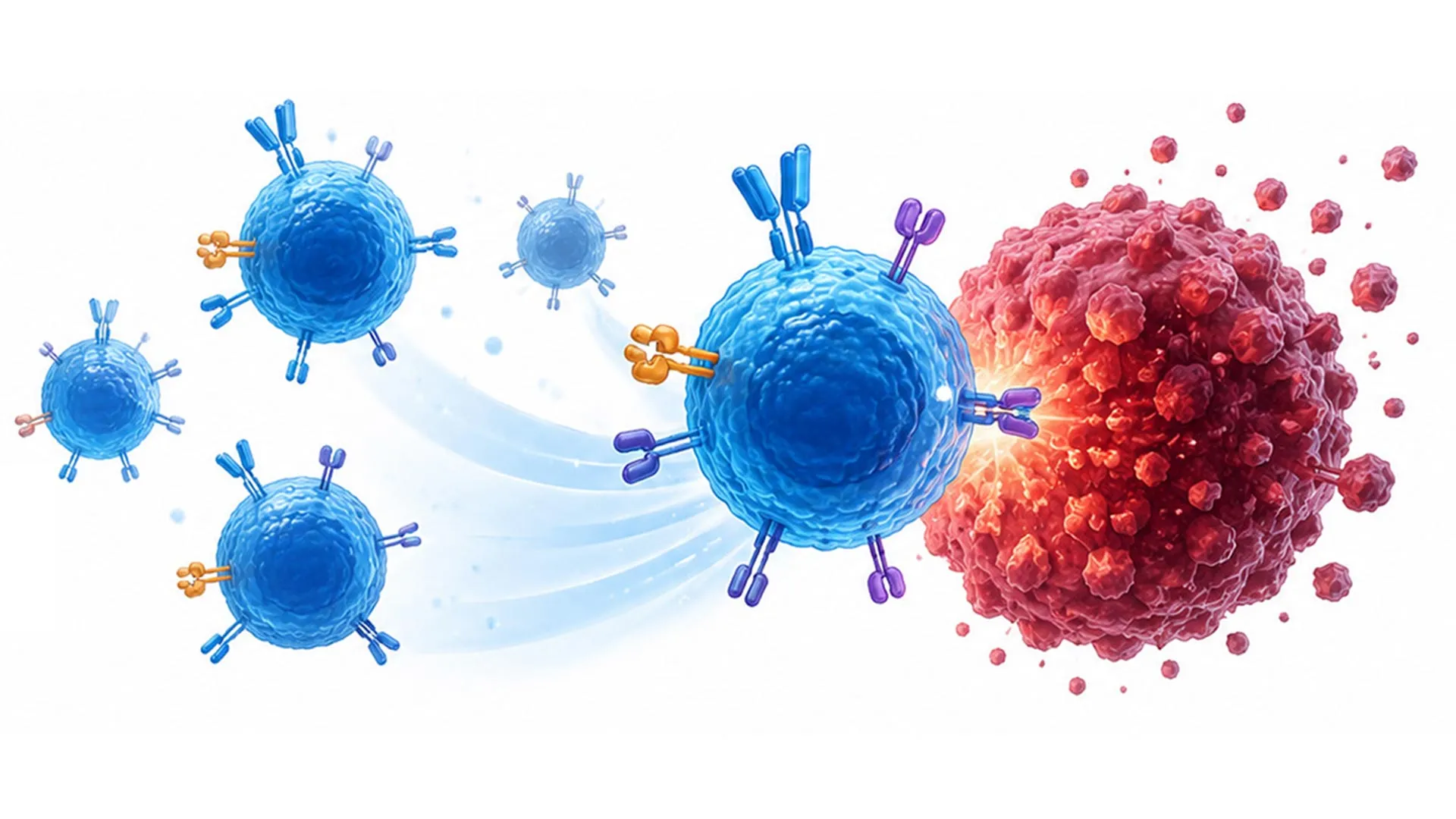
T cell receptor therapy, a sophisticated form of cancer immunotherapy, is emerging as a powerful new weapon in the fight against solid tumors. This innovative approach involves genetically engineering a patient’s own immune cells, specifically T cells, to precisely identify and eradicate cancerous growths. While sharing similarities with the established CAR T-cell therapy, TCR therapy possesses a crucial advantage: its enhanced ability to detect cancer at a deeper cellular level. CAR T-cell therapy typically targets proteins located on the exterior of cancer cells. In contrast, TCR therapy can penetrate the cell to recognize fragments of proteins that originate within the tumor and are subsequently displayed on the cell surface, acting as distinctive molecular markers. This expanded reach is particularly significant for solid tumors, where many of the genetic alterations that drive malignancy are located intracellularly, rendering them inaccessible to many current immunotherapeutic strategies.
The promise of TCR therapy, however, has been tempered by a significant practical hurdle. Historically, the production of these personalized T cell treatments has been a time-consuming and expensive process, often requiring weeks to generate and costing well into the six figures for each patient. This "personalized medicine" model, while effective, limits widespread accessibility. Researchers have explored the possibility of utilizing T cells from healthy donors to create "off-the-shelf" treatments that could be manufactured in advance and stored for immediate use by multiple patients. Yet, this approach carries its own risks, most notably the potential for graft-versus-host disease (GVHD), a severe complication where the donor immune cells attack the recipient’s healthy tissues.
A significant breakthrough in overcoming these limitations has been reported by scientists at the University of California, Los Angeles (UCLA). Their research, published in the journal Cell Reports Medicine, outlines a novel and scalable method for producing consistent batches of cancer-targeting T cells derived from blood stem cells sourced from donated cord blood. These engineered cells are designed to recognize a protein prevalent in a wide array of solid tumors. In preclinical studies conducted in mouse models of ovarian cancer and melanoma, a single dose of these novel engineered cells, designated AlloESO-T cells, demonstrated remarkable efficacy in controlling tumor growth and significantly improving animal survival rates, all while exhibiting a favorable safety profile devoid of dangerous side effects.
A Scalable Solution from Stem Cells
The cornerstone of the UCLA team’s innovation lies in their decision to begin the engineering process at an earlier stage of immune cell development. Instead of utilizing mature T cells harvested from donors, they opted for blood stem cells extracted from cord blood. These remarkably versatile, immature cells possess the inherent capacity to differentiate into every major type of blood and immune cell. By targeting this earlier developmental stage, the researchers have unlocked a pathway to a more robust and controlled manufacturing process.
The UCLA researchers introduced a specific gene into these cord blood stem cells, equipping them with a receptor engineered to recognize NY-ESO-1. This protein is frequently found in various solid tumors. NY-ESO-1, like many intracellular cancer proteins, has fragments that are transported to the surface of tumor cells, presenting themselves as identifiable targets for T cells. Following the genetic modification of the stem cells, the scientists meticulously guided their maturation into functional T cells within a laboratory setting.
Mitigating Graft-Versus-Host Disease and Enhancing Specificity
A pivotal advantage of engineering stem cells at this immature stage is the inherent absence of the random assortment of natural T cell receptors that are characteristic of mature donor T cells. Mature donor T cells naturally possess a diverse array of receptors, some of which could potentially recognize and attack a patient’s healthy tissues, leading to GVHD. Conventional donor-derived T cell therapies often require additional complex gene editing procedures to silence these potentially harmful endogenous receptors.
"Stem cells are undifferentiated — they’re not yet mature T cells with a fixed receptor already in place," explained co-first author Yichen (John) Zhu, a graduate student in the UCLA Broad Stem Cell Research Center Training Program. "When we differentiate our engineered stem cells into T cells, essentially all of the resulting cells carry the same receptor and go after the same tumor target." This streamlined receptor profile significantly reduces the risk of off-target attacks on healthy tissues, a critical advancement in donor-derived cell therapy.
A Dual-Action Approach to Combat Tumor Heterogeneity
One of the most formidable challenges in treating solid tumors is their inherent heterogeneity. Cancer cells within a single tumor can exhibit considerable genetic and phenotypic diversity. This diversity can lead to a phenomenon known as "antigen escape," where some cancer cells may cease to display the specific molecular marker that a targeted therapy is designed to recognize. This escape mechanism can allow tumors to survive and regrow even after initial treatment success.
To address this critical vulnerability, the UCLA team has endowed their AlloESO-T cells with a dual-action detection system. In addition to the engineered receptor that targets NY-ESO-1, these cells are equipped with natural killer (NK) cell receptors. These NK cell receptors are capable of recognizing stress signals that are commonly displayed by many tumor cells, regardless of their NY-ESO-1 expression levels. This layered recognition strategy ensures that the engineered T cells can still identify and eliminate tumor cells, even if they undergo antigen escape and stop presenting the NY-ESO-1 target.
"Solid tumors are very diverse," stated Zhu. "Some tumor cells lose or hide the antigen a therapy is designed to find — what we call antigen escape. When that happens, a therapy built around a single target loses its grip. Our stem cell-derived cells still have a second mechanism to kill those tumor cells." Laboratory experiments involving human melanoma, ovarian, and prostate cancer cell lines have substantiated this capability. The presence of NK cell receptors enabled the engineered T cells to effectively destroy cancer cells that were otherwise resistant to elimination through the NY-ESO-1 targeting pathway alone. This built-in redundancy offers a powerful new strategy to circumvent common escape routes that have historically limited the effectiveness of therapies targeting single cancer markers.
Preclinical Efficacy in Animal Models
The effectiveness and safety of the AlloESO-T cells were rigorously evaluated in preclinical mouse models. In studies involving ovarian cancer, a single infusion of AlloESO-T cells resulted in sustained tumor control and a significant extension of survival. In stark contrast, mice treated with conventionally engineered T cells derived from mature donor cells experienced only partial tumor control and subsequently developed signs of graft-versus-host disease.
Similar positive outcomes were observed in a melanoma model. The AlloESO-T cell treatment effectively slowed tumor growth and delayed cancer recurrence, whereas the comparison group, treated with conventional donor T cells, exhibited only transient tumor control. Beyond tumor eradication, the researchers also noted crucial differences in the post-treatment behavior of the two cell types. Following a single infusion, the AlloESO-T cells exhibited remarkable expansion, increasing in number by approximately 100-fold. They efficiently infiltrated the tumors, proliferated where needed, and remained therapeutically active for weeks, while largely sparing healthy organs. The conventionally engineered donor T cells, however, displayed a different trajectory, accumulating in organs like the liver and lungs and manifesting the types of toxicities that the new AlloESO-T strategy is designed to prevent.
Manufacturing Potential: Trillions of Cells from Cord Blood
Beyond their therapeutic efficacy, the AlloESO-T cell platform offers a transformative advantage in manufacturing. Current personalized T cell treatments necessitate individual collection and processing for each patient, a labor-intensive and costly endeavor. By initiating the process with stem cells, the UCLA team envisions a paradigm shift towards large-scale production.
Cord blood stem cells possess an extraordinary capacity to generate vast quantities of immune cells. This means that a relatively modest initial supply of stem cells could be leveraged to produce thousands of therapeutic doses. "From a small number of cord blood stem cells, we can generate trillions of therapeutic cells — enough for thousands of doses — within about six weeks," stated co-senior author Yanruide (Charlie) Li, a postdoctoral scholar in the Yang lab. "At an estimated $5,000 per dose, this approach would be far more accessible than today’s therapies." This projected cost represents a dramatic reduction compared to the hundreds of thousands of dollars associated with current personalized T cell treatments, promising to democratize access to cutting-edge cancer therapies.
A Platform for Broad Solid Tumor Applications
The UCLA researchers view the AlloESO-T system not merely as a single-target therapy but as a versatile platform with the potential to address a wide spectrum of solid tumors. Many solid tumors present a challenge for conventional immunotherapies due to the lack of suitable surface proteins. TCR-based treatments, with their capacity to recognize intracellular protein fragments displayed on the cell surface, offer a compelling alternative. This inherent ability opens avenues for targeting cancers that have historically been difficult to treat with existing cell therapies.
"We’re not just presenting one therapy for one target. We want to share the platform itself," emphasized Li. "As long as a receptor for a given cancer antigen has been validated, we can build it into this system and generate T cells specific to that target." This modular approach allows for rapid adaptation of the platform to target a multitude of cancer antigens.
Furthermore, the AlloESO-T system benefits from established manufacturing expertise within Dr. Yang’s laboratory, particularly from their work on a separate off-the-shelf immunotherapy strategy known as the CAR-NKT platform. The researchers have already initiated a partnership with the UCLA Health Center for Advanced Biotherapies for the production of clinical-grade cells for the CAR-NKT program. They intend to leverage this existing manufacturing infrastructure and relationship to expedite the scaling up of AlloESO-T production, potentially accelerating the technology’s progression toward clinical testing.
The Road Ahead: Human Trials and Regulatory Approval
While the preclinical results are highly encouraging, it is crucial to note that the therapeutic cells described in this research have thus far only been evaluated in laboratory settings and animal models. They have not yet undergone testing in human clinical trials, nor have they received approval from regulatory bodies such as the Food and Drug Administration (FDA) for safety or efficacy in human use. The next critical step involves transitioning these promising findings into human clinical trials to assess their safety and effectiveness in patients.
The research team also acknowledged the contributions of numerous additional authors, including Jiaji Yu, Yu Jeong Kim, Yanxin Tian, Zhe Li, Yuning Chen, Zibai Lyu, Enbo Zhu, Annabel S. Zhao, Nathan Ma, Catherine Zhang, Adam Kramer, Matthew Wilson, Ryan Hon, Yu-Chen Wang, Siyu Lin, Xinyuan Shen, Zoe Hahn, Yuchong Zhang, and Aijun Wang. Funding for this groundbreaking work was provided by the California Institute for Regenerative Medicine, the UCLA Molecular Biology Institute, the UCLA Office of the Chancellor, and the UCLA Goodman-Luskin Microbiome Center. The successful translation of this technology to the clinic could represent a significant leap forward in the ongoing battle against cancer, offering hope for more accessible and effective treatments for millions worldwide.
