
 By admin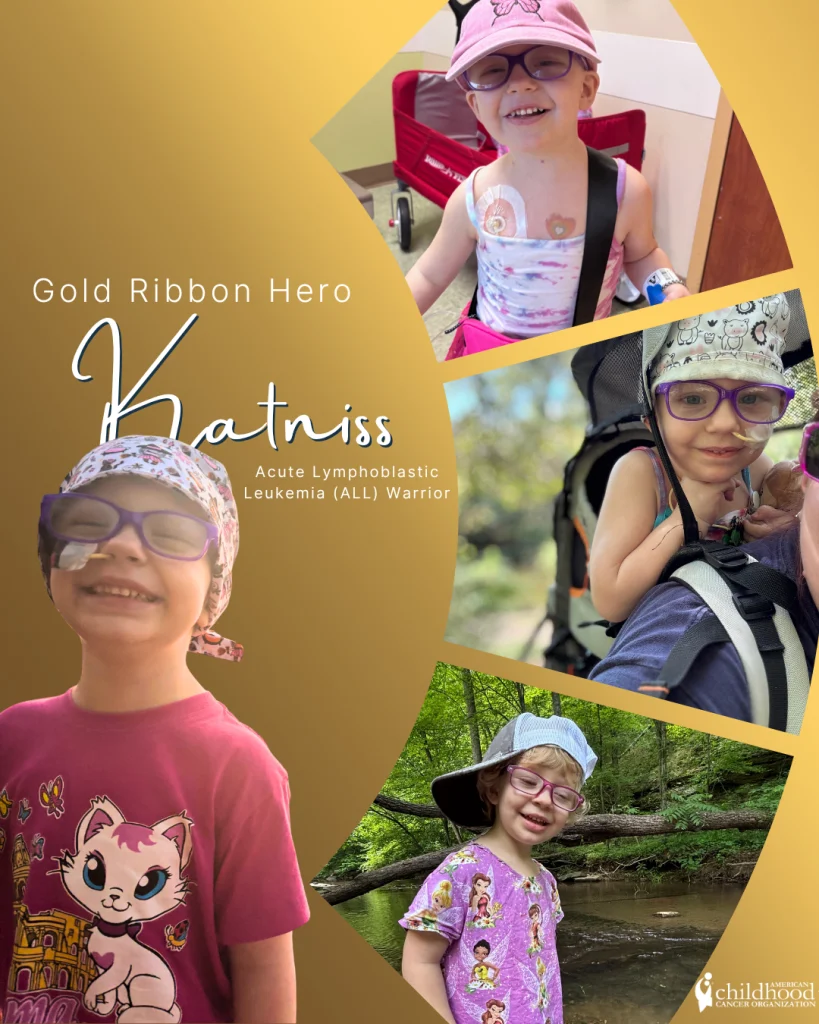
The landscape of pediatric oncology is often defined by stories of profound individual courage and the collective efforts of communities to support those facing life-altering diagnoses. In June 2025, the narrative of childhood cancer advocacy gained a poignant new chapter with the diagnosis of Katniss, a young girl whose journey with Acute Lymphoblastic Leukemia (ALL) has highlighted both the medical complexities of the disease and the emotional weight of a family legacy defined by survival. Her story, marked by a sudden onset of symptoms and a subsequent commitment to a grueling multi-year treatment plan, serves as a focal point for understanding the current state of pediatric cancer care and the importance of community-driven fundraising initiatives.
The Clinical Onset and Diagnostic Process
The medical trajectory for Katniss began in early June 2025, initially manifesting as a common childhood ailment. What was first suspected to be a routine case of strep throat failed to respond to standard interventions. The clinical situation escalated rapidly when the child began vomiting blood, a critical symptom that prompted an immediate visit to the emergency department. Upon clinical evaluation, medical professionals identified profound hematological irregularities, specifically neutropenia—a deficit of neutrophils that leaves the body vulnerable to infection—and anemia, characterized by a lack of healthy red blood cells to carry adequate oxygen to the body’s tissues.
Following a series of diagnostic tests, Katniss’s parents were informed that their daughter was suffering from Acute Lymphoblastic Leukemia. ALL is a type of cancer of the blood and bone marrow that affects white blood cells. It is the most common type of cancer in children, and while advancement in medical science has significantly improved survival rates, the diagnosis remains a devastating turning point for any family. For Katniss, the diagnosis necessitated an immediate transition from the normalcy of childhood to the intensive environment of pediatric oncology.
A Generational Struggle: The Survivor’s Perspective
The diagnosis of Katniss carried a unique and heavy emotional resonance for her mother, Katherine. Katherine is herself a survivor of childhood leukemia, a fact that underscores the rare and difficult psychological position of a parent who must watch their child navigate the same life-threatening path they once trod. "As a childhood leukemia survivor myself, hearing my baby girl has the same cancer broke my heart," Katherine stated, reflecting on the cyclical nature of the disease within her family’s history.
While ALL is generally not considered a strictly hereditary condition in the traditional sense, the occurrence of the disease in both mother and daughter highlights the ongoing research into genetic predispositions and environmental factors that may contribute to pediatric malignancies. For the family, the diagnosis was not merely a medical crisis but a re-confrontation with a past trauma, now projected onto the next generation. This perspective provides a rare look into the long-term impact of childhood cancer on survivors who eventually become parents, emphasizing the need for comprehensive family support systems.
Understanding Acute Lymphoblastic Leukemia and Treatment Protocols
To understand the journey ahead for Katniss, it is essential to examine the standard of care for pediatric ALL. The treatment protocol is among the most rigorous in pediatric medicine, typically spanning two to three years. For Katniss, the medical team outlined a two-and-a-half-year chemotherapy regimen designed to eradicate the leukemic cells and prevent a recurrence.
The initial phases of treatment involve several invasive procedures. Katniss underwent the surgical placement of a port—a device installed under the skin to allow for the efficient administration of chemotherapy and the drawing of blood samples. Furthermore, the protocol includes frequent bone marrow biopsies to monitor the presence of cancer cells in the marrow and lumbar punctures (spinal taps) to ensure the disease has not spread to the central nervous system. These procedures, while necessary for survival, represent a significant physical and emotional burden for a young child.
Despite the intensity of the treatment, Katniss has demonstrated what her family describes as a "sassy personality" and remarkable resilience. Medical professionals often note that the psychological temperament of pediatric patients can play a supportive role in their overall well-being during long-term hospitalization and treatment cycles.
Advocacy and Community Engagement: The Grand Ole Opry Chili Cook-Off
A vital component of the support structure for children like Katniss is the involvement of national organizations and community events. Katniss was selected as an ambassador for the American Childhood Cancer Organization (ACCO) at the Grand Ole Opry Chili Cook-Off in Nashville, Tennessee. This event serves as a significant fundraiser and awareness-builder, bridging the gap between the music industry and pediatric health advocacy.
Although Katniss was unable to attend the event during its scheduled time due to the exigencies of her treatment and health status, the organizers facilitated a private experience for her and her family several weeks later. This visit included a tour of the historic Grand Ole Opry facility and the opportunity to watch a live performance. Such experiences are categorized by child life specialists as "normalizing activities," which are crucial for maintaining the mental health of children undergoing long-term medical treatment.
The Chili Cook-Off and similar events play a dual role: they raise the necessary funds to support research and family assistance programs, and they provide a platform for "warriors" like Katniss to be recognized for their bravery. By sharing her story through the ACCO, Katniss contributes to a broader effort to humanize the statistics associated with childhood cancer.
Statistical Context and the Need for Research Funding
The broader implications of Katniss’s story are rooted in the current statistics regarding pediatric cancer in the United States. According to the National Cancer Institute, approximately 15,000 children and adolescents under the age of 20 are diagnosed with cancer each year. While the five-year survival rate for ALL has risen to approximately 90%, the long-term effects of intensive chemotherapy—including potential heart damage, secondary cancers, and cognitive impacts—remain a primary concern for the medical community.
Furthermore, pediatric cancer research remains significantly underfunded compared to adult cancers. Advocacy groups often point out that only a small fraction of federal funding for cancer research is directed specifically toward childhood malignancies. This disparity underscores the importance of private and community-led fundraising efforts, such as the Grand Ole Opry event, which provide the resources necessary for developing less toxic and more effective treatments.
Chronology of Events
The timeline of Katniss’s journey illustrates the rapid pace at which pediatric cancer moves from initial symptoms to intensive therapy:
- Early June 2025: Onset of symptoms initially thought to be strep throat; failure of standard recovery.
- Mid-June 2025: Escalation of symptoms to include vomiting blood; emergency room admission.
- Late June 2025: Official diagnosis of Acute Lymphoblastic Leukemia; identification of neutropenia and anemia.
- July 2025: Commencement of the 30-month chemotherapy protocol, including port placement and initial bone marrow biopsies.
- Late Summer 2025: Selection as an ambassador for the Grand Ole Opry Chili Cook-Off.
- Autumn 2025: Following a period of stabilization, Katniss and her family visit the Grand Ole Opry for a tour and show, fulfilling her role as an ambassador and advocate.
Analysis of Implications for Pediatric Care
The case of Katniss highlights several critical areas of focus for the future of pediatric oncology. First, it emphasizes the importance of diagnostic vigilance. Because many symptoms of leukemia mimic common childhood illnesses, the transition from a "routine" infection to a life-threatening diagnosis can be jarring for both parents and primary care providers.
Second, the story brings to light the "survivor-parent" dynamic. As the first generation of childhood cancer survivors reaches child-bearing age in large numbers, the medical community must prepare for the unique psychological needs of these families. The anxiety associated with a child’s diagnosis is amplified when the parent has personal experience with the rigors of the disease.
Finally, the role of community institutions like the Grand Ole Opry in Nashville demonstrates the power of cultural landmarks in supporting public health initiatives. By integrating pediatric cancer advocacy into mainstream entertainment and community events, organizations can reach a wider audience and foster a culture of support that extends beyond the hospital walls.
As Katniss continues her two-and-a-half-year journey toward health, her story remains a testament to the resilience of the human spirit and the necessity of continued investment in pediatric cancer research. Her progress will be monitored not just by her medical team, but by a community of survivors and advocates who see in her the hope for a future where childhood cancer is no longer a life-threatening reality.
