
 By admin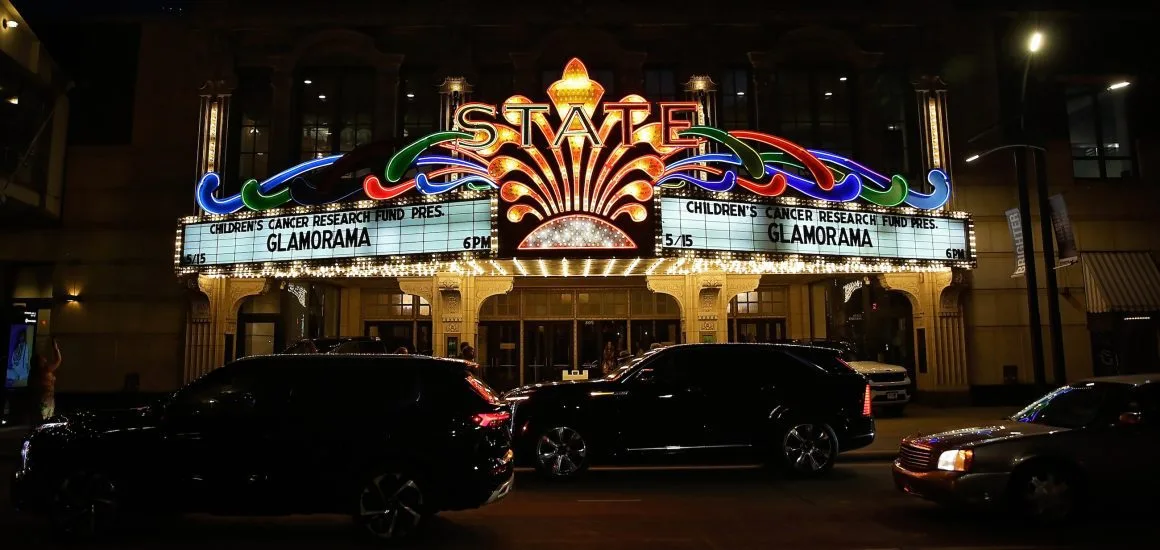
The cultural landscape of Minneapolis witnessed a significant revival this week as Glamorama, the iconic fashion and music extravaganza, returned to the Twin Cities after a twelve-year absence. The event, held at the historic State Theatre, served as a high-profile benefit for the Children’s Cancer Research Fund (CCRF), successfully merging the worlds of haute couture, house music, and philanthropic advocacy. The reimagined production marked a pivotal moment for both the local fashion community and the pediatric medical research sector, signaling a renewed commitment to large-scale, experience-based fundraising in a post-pandemic era.
Originally established as a cornerstone of the regional social calendar by the Dayton’s and Marshall Field’s department stores, and later sustained by Macy’s, Glamorama was once the premier fashion event of the Midwest. Its dissolution in 2014 left a void in the intersection of Minneapolis high society and charitable giving. The 2024 iteration, however, moved beyond mere nostalgia, centering its creative direction on the lived experiences and imaginations of five young cancer survivors and patients—Fritz, Isaac, Valerie, Anikah, and Alice—whose personal journeys provided the thematic framework for the evening’s presentations.
A Visionary Creative Direction Rooted in Resilience
The return of Glamorama was orchestrated by longtime creative director and fashion stylist Grant Whittaker. Whittaker, a veteran of the original Glamorama productions and a staunch advocate for the Children’s Cancer Research Fund, was tasked with modernizing the event’s format while maintaining its reputation for spectacle. Unlike traditional runway shows that focus solely on seasonal trends, this production utilized "immersive fashion experiences" that integrated choreography, texture, and vibrant color palettes to tell a narrative of hope and endurance.
During the opening remarks, Kenna Dooley, Chief Development Officer of the Children’s Cancer Research Fund, emphasized the human element behind the glamour. "This night was inspired by five incredible kids—Fritz, Isaac, Valerie, Anikah, and Alice," Dooley stated. "These are their worlds—their imaginations—brought to life through the visionary direction of Grant Whittaker."
By centering the production on the perspectives of children facing life-threatening diagnoses, the event creators aimed to bridge the gap between the high-energy world of fashion and the sobering reality of pediatric oncology. The segments were designed to reflect the "worlds" of these five children, translating their resilience into visual motifs that ranged from whimsical and imaginative to bold and defiant.
Musical Legends and the Atmosphere of the State Theatre
The choice of the State Theatre as the venue provided a backdrop of Gilded Age elegance, contrasting with the modern, electrifying performances of the evening. The event featured a lineup of house music icons whose careers defined the club culture of the 1990s—a decade often associated with the peak of Glamorama’s original run. Performers included CeCe Peniston, Crystal Waters, and Robin S, whose hits provided a high-octane soundtrack to the couture presentations.
The inclusion of these "house music legends" served a dual purpose: it appealed to the nostalgia of long-term donors who remembered the event’s heyday, while also injecting a sense of celebratory energy that is often missing from traditional black-tie galas. The performances were integrated into the fashion segments, creating a seamless flow between music, movement, and the display of high-end apparel.
The fashion itself was a mix of local luxury and international influence. Featured boutiques and designers included Grethen House, MartinPatrick3, and Fashion Avenue, showcasing a diverse range of styles from avant-garde streetwear to classic evening wear. The "nostalgic nods" mentioned by attendees referred to the event’s history of bringing world-class fashion to a city often overlooked by the coastal fashion capitals, reaffirming Minneapolis’s status as a hub for creative expression.
The Financial and Scientific Mandate of the CCRF
Beyond the spectacle, the primary objective of Glamorama’s return was to generate critical funding for the Children’s Cancer Research Fund. Headquartered in Minneapolis, the CCRF is a national nonprofit dedicated to ending childhood cancer by funding the most promising research and supporting families during their most difficult times.
The need for such funding is underscored by current national medical data. According to the National Cancer Institute (NCI), while cancer is the leading cause of death by disease among children in the United States, only about 4% of the federal budget for cancer research is specifically allocated to pediatric cancers. This "funding gap" necessitates the intervention of private philanthropic organizations like the CCRF to drive innovation in treatments that are less toxic and more effective for developing bodies.
Elizabeth Allen, CEO of the Children’s Cancer Research Fund, addressed the long-term implications of the event during the gala. "Only through bold support can we change what’s possible for kids and families facing cancer," Allen said. "Glamorama is more than one night of giving. It brings people into our mission, sparks meaningful connections, and builds lasting momentum for childhood cancer research."
The CCRF has historically focused its investments on areas such as:
- Hard-to-treat cancers: Funding research for rare pediatric cancers that receive little to no federal attention.
- Survivorship programs: Addressing the long-term side effects of chemotherapy and radiation on children.
- Health disparities: Ensuring that all children, regardless of socioeconomic background, have access to cutting-edge clinical trials.
A History of Glamorama: From Department Store Tradition to Philanthropic Powerhouse
To understand the significance of Glamorama’s return, one must look at the event’s historical trajectory. The show began in the mid-20th century as a way for the Dayton’s department store to showcase European and American designers to a local audience. Over the decades, it evolved into a massive multi-city tour, often visiting Chicago, Los Angeles, and San Francisco, in addition to its Minneapolis roots.
At its peak in the 1990s and early 2000s, Glamorama featured performances by A-list stars such as Prince, Beyoncé, and Katy Perry. It was a massive logistical undertaking that raised millions of dollars for various charities, with the CCRF being one of its primary beneficiaries. However, as the retail landscape shifted and department stores like Macy’s faced economic pressures, the large-scale production was deemed unsustainable, leading to its cancellation in 2014.
The 2024 revival represents a strategic pivot. Rather than being driven by a retail giant, the event is now spearheaded by the nonprofit itself, with the support of a coalition of local sponsors and creative partners. This shift ensures that the focus remains squarely on the philanthropic mission rather than commercial promotion.
Corporate Sponsorship and Community Integration
The success of the evening was bolstered by a wide array of local and national sponsors, reflecting a broad-based community effort to support pediatric research. Key sponsors included the 50th and France business district, Kowalski’s Markets, Landscape Structures, and Martha Dayton Design. Other notable contributors were Opitz, Odele, Park Chrysler Jeep, and the aforementioned luxury retailers MartinPatrick3 and Grethen House.
The involvement of these businesses highlights the symbiotic relationship between the Twin Cities’ corporate sector and its nonprofit community. For many of these sponsors, Glamorama offers a unique platform for brand visibility that aligns with corporate social responsibility goals. The event also relied heavily on a network of volunteers, crew members, and local talent, further embedding the production into the fabric of the Minneapolis community.
Analysis: The Implications of Experience-Based Philanthropy
The return of Glamorama suggests a broader trend in the nonprofit sector: the move toward "experience-based" or "immersive" fundraising. In an era where digital fatigue is high, organizations are finding that high-touch, high-concept events are more effective at building deep emotional connections with donors than traditional direct-mail or digital campaigns.
For the Children’s Cancer Research Fund, the event serves as a "gateway" for new donors. While the ticket prices and sponsorships provide an immediate influx of capital, the long-term value lies in the "meaningful connections" mentioned by CEO Elizabeth Allen. By creating an unforgettable experience, the CCRF is able to cultivate a younger generation of philanthropists who may not have been familiar with the organization’s work in the lab.
Furthermore, the focus on "the imagination of children" provides a powerful counter-narrative to the often-grim imagery associated with cancer research. It reframes the conversation around what these children can do and what they can imagine, rather than just the disease they are fighting. This psychological shift is essential for maintaining donor engagement over the long term.
Conclusion and Future Outlook
As the final notes of Robin S’s "Show Me Love" faded in the State Theatre, the impact of Glamorama’s return was evident. The event succeeded in bridging a twelve-year gap, proving that there is still a significant appetite for high-fashion philanthropy in the Twin Cities.
The funds raised from the evening will be funneled directly into research initiatives at institutions such as the University of Minnesota Masonic Cancer Center, where scientists are working on breakthroughs in immunotherapy and genetic mapping for pediatric tumors. For the five children who inspired the night—Fritz, Isaac, Valerie, Anikah, and Alice—the event was a celebration of their lives and a promise of continued support from their community.
Looking ahead, the Children’s Cancer Research Fund and its partners face the challenge of maintaining the momentum generated by this revival. However, with the successful re-establishment of Glamorama, the Twin Cities has reclaimed a piece of its cultural heritage, repurposed for the most noble of causes: the survival and well-being of the next generation. The return of Glamorama is not just a win for the fashion world; it is a significant step forward in the ongoing battle against childhood cancer.
