
 By admin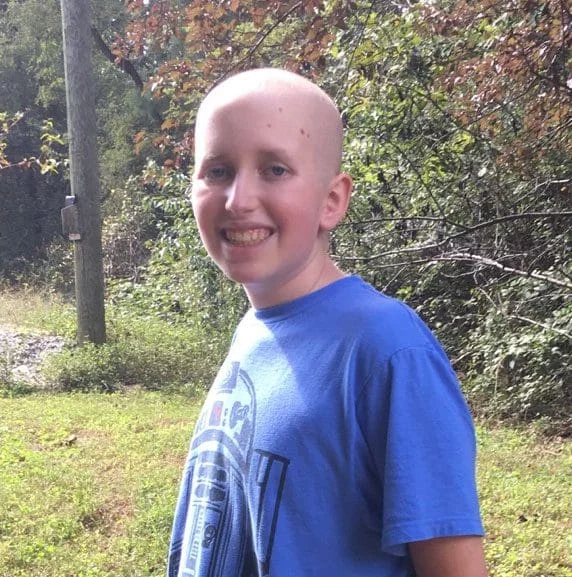
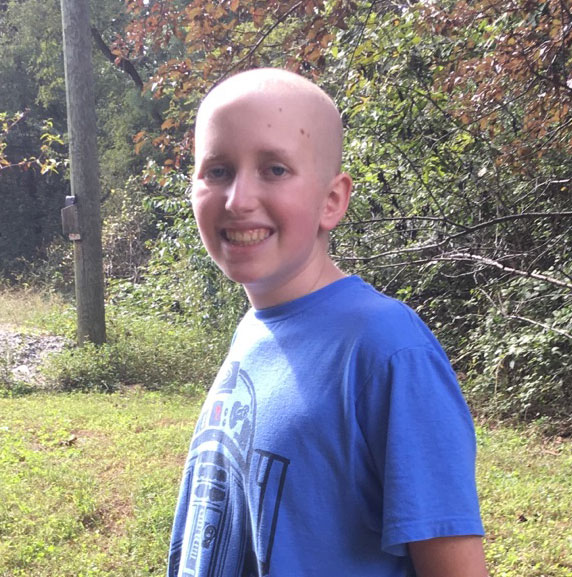
The landscape of pediatric oncology is often defined by a stark contrast between the resilience of young patients and the aggressive nature of the diseases they face. For the family of Luke Getchell, a 13-year-old from Virginia, this reality became a harrowing focal point in July 2018 following a diagnosis of acute myeloid leukemia (AML). Luke’s specific diagnosis was further complicated by a genetic alteration known as FLT3-ITD (Internal Tandem Duplication), a mutation associated with high relapse rates and a significantly poorer prognosis compared to other subtypes of childhood leukemia. His subsequent 14-month battle underscores a critical gap in medical science: the desperate need for less toxic, more effective treatments for high-risk pediatric cancers.
Luke Getchell was characterized by those who knew him as a kind, empathetic adolescent with a passion for creative pursuits. A dedicated builder of Lego models and a culinary enthusiast who hosted mock "Chopped" competitions in his family’s kitchen, Luke represented the thousands of children whose lives are interrupted by the sudden onset of hematologic malignancies. Today, his memory is preserved through the "Luke’s Lego-cy" display at the Children’s Wonder Tower at VCU Health in Richmond, Virginia, serving as a reminder of the human cost of pediatric cancer.
Clinical Overview of Acute Myeloid Leukemia and the FLT3-ITD Mutation
Acute myeloid leukemia is a cancer of the blood and bone marrow characterized by the rapid overproduction of abnormal myeloblasts, which are immature white blood cells. In a healthy system, these cells eventually develop into mature white blood cells that fight infection. In AML, however, these "blasts" crowd out healthy red blood cells, white blood cells, and platelets, leading to anemia, frequent infections, and easy bruising or bleeding.
While AML accounts for approximately 20% of pediatric leukemia cases, it is generally more difficult to treat than acute lymphoblastic leukemia (ALL). The presence of the FLT3-ITD mutation adds a layer of clinical complexity. The FLT3 gene provides instructions for making a protein that spans the cell membrane, playing a vital role in the survival and proliferation of hematopoietic progenitor cells. When an internal tandem duplication occurs, the FLT3 receptor is constitutively activated, meaning it is permanently "turned on," signaling the leukemia cells to divide uncontrollably. Historically, patients with this mutation have faced a higher risk of treatment failure and a shorter duration of remission.
A Chronology of Treatment and the Cycle of Relapse
Luke Getchell’s medical journey began in the summer of 2018, initiating a cycle of intensive hospitalizations and aggressive therapeutic interventions. The standard of care for pediatric AML typically involves high-dose chemotherapy and, in many high-risk cases, a hematopoietic stem cell transplant. For Luke, the primary phase of treatment lasted over six months, during which his body was subjected to the extreme physiological stress of cytotoxic drugs.
In early 2019, diagnostic tests indicated that Luke had achieved a state of no detectable leukemia. For the Getchell family, this news provided a brief respite and a sense of cautious optimism. However, the nature of FLT3-ITD leukemia is such that minimal residual disease—cancer cells that remain below the threshold of detection—often leads to rapid recurrence.
The timeline of Luke’s relapse was tragically swift:
- July 2018: Initial diagnosis of AML with FLT3-ITD.
- Late 2018 – Early 2019: Intensive chemotherapy and management of secondary complications.
- Early 2019: Remission confirmed via clinical testing.
- One Week Post-Remission: Blood counts began to rise unexpectedly, signaling the return of the disease.
- Mid-2019: Confirmation of rapid cancer spread and a worsening prognosis.
- September 2019: Transition to hospice care following the failure of salvage therapies.
- October 20, 2019: Death of the patient at age 14.
The Challenge of Treatment Toxicity in Pediatric Patients
One of the most significant hurdles in pediatric oncology is the inherent toxicity of current treatment protocols. Because many pediatric cancer treatments are adapted from adult protocols, the doses required to eradicate aggressive cancer cells often cause severe, sometimes permanent, damage to a child’s developing organs.
During his treatment, Luke experienced a series of secondary health crises directly linked to the intensity of his medication regimen. These included:
- Sepsis and Infections: Chemotherapy-induced neutropenia (a low white blood cell count) leaves patients highly susceptible to life-threatening infections. Luke suffered from a colon infection and sepsis, a systemic inflammatory response to infection.
- Organ Damage: The cytotoxic nature of chemotherapy can lead to cardiotoxicity. Luke suffered heart damage, a common long-term side effect of anthracyclines, a class of drugs frequently used in AML treatment.
- Secondary Conditions: To manage the side effects and complications of his treatment, Luke was prescribed various medications, including prednisone. Prolonged steroid use contributed to the development of secondary diabetes.
- Graft-Versus-Host Disease (GVHD): Following attempts to stabilize his condition, Luke faced GVHD, a condition where donated stem cells or bone marrow attack the recipient’s body, leading to skin issues and systemic inflammation.
The final weeks of Luke’s life were marked by a rapid decline in physical function, including the loss of mobility and vision. These symptoms illustrate the devastating impact of both the primary disease and the systemic toll of the treatments intended to cure it.
Supporting Data: The State of Pediatric Cancer Research
According to the National Cancer Institute (NCI), while survival rates for many childhood cancers have improved significantly over the last four decades, progress in AML has been slower. The five-year survival rate for children with AML is approximately 65% to 70%, which lags behind the 90% survival rate seen in pediatric ALL. Furthermore, for those with the FLT3-ITD mutation, the prognosis is often lower, with higher rates of induction failure.
A significant point of contention within the medical community is the disparity in research funding. Pediatric cancer research receives a small fraction of the total federal funding allocated for cancer research by the NCI—historically around 4%. This leaves a substantial gap that must be filled by private donations and non-profit organizations.
The current fundraising initiative in memory of Luke Getchell aims to raise $25,000 to support the work of Dr. Elvin Wagenblast at Mount Sinai. Dr. Wagenblast’s research focuses on the "Young Investigator" model, which seeks to identify the earliest cellular changes that lead to the development of leukemia. By utilizing CRISPR-Cas9 gene-editing technology and human hematopoietic stem cells, his team is working to model the "how" and "why" of leukemogenesis. The ultimate goal is to discover targeted therapies that can kill cancer cells while sparing healthy tissue, thereby reducing the toxic side effects that Luke and many others have endured.
Official Responses and Advocacy for Change
Advocates for pediatric cancer research, including organizations like CureSearch for Children’s Cancer, emphasize that the goal of modern oncology is not just "survival," but "survival with quality of life." The Getchell family’s experience has become a catalyst for this advocacy. Their public account of Luke’s struggle—detailing the physical trauma of bleeding, infection, and organ failure—serves as a testimonial to the limitations of current medical protocols.
Medical professionals in the field of pediatric hematology-oncology argue that the future of treatment lies in precision medicine. This involves tailoring treatment based on the specific genetic makeup of a patient’s tumor. In cases like Luke’s, the early use of FLT3 inhibitors—drugs specifically designed to block the signals from the mutated FLT3 protein—is a burgeoning area of study. However, the integration of these targeted therapies into standard pediatric protocols requires extensive clinical trials and significant financial investment.
Analysis of Broader Implications
The story of Luke Getchell is more than a narrative of individual loss; it is an indictment of the current limitations in pediatric healthcare. The fact that a 14-year-old boy had to endure heart damage and diabetes as a byproduct of his cancer treatment highlights the "blunt instrument" approach that still dominates much of oncology.
The implications of this case are three-fold:
- The Necessity of Genomic Screening: Luke’s case proves that early and comprehensive genomic sequencing is vital. Identifying mutations like FLT3-ITD at the moment of diagnosis allows clinicians to potentially adjust treatment intensity or incorporate experimental targeted therapies earlier in the process.
- The Funding Gap: The reliance on community-led fundraising for high-level research at institutions like Mount Sinai underscores the precarious nature of pediatric medical advancement. Without consistent, large-scale funding, the transition from laboratory discovery to bedside treatment remains slow.
- Palliative Care Integration: The rapid decline Luke experienced highlights the importance of integrating palliative and hospice care into the pediatric oncology framework. Ensuring that children have access to comfort-focused care when curative options are exhausted is a critical component of compassionate medicine.
As Childhood Cancer Awareness Month continues to draw attention to these issues, the legacy of patients like Luke Getchell serves to humanize the statistics. The "Luke’s Lego-cy" display in Richmond stands as a tribute to a life cut short, but the ongoing research funded in his name represents the potential for a different outcome for future generations. The push toward $25,000 for Dr. Wagenblast’s research is a small but essential step in the broader effort to redefine what it means to treat childhood leukemia in the 21st century. By shifting the focus toward innovation and toxicity reduction, the medical community hopes to ensure that no other family has to witness the same harrowing trajectory that defined the final months of Luke Getchell’s life.
