
 By admin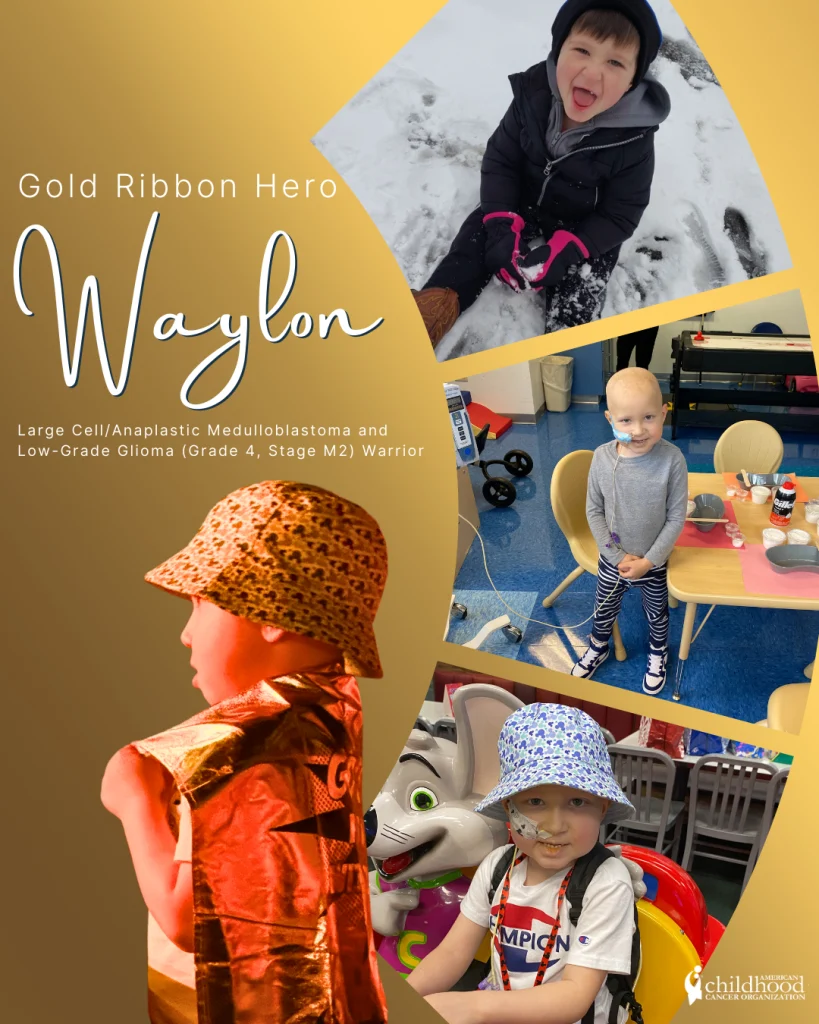
The intersection of legendary American music tradition and urgent medical advocacy met this year at the historic Grand Ole Opry in Nashville, Tennessee, as the community gathered to honor Waylon, a five-year-old boy currently navigating a complex battle with high-risk pediatric brain cancer. Serving as an official ambassador for the event, Waylon’s presence highlighted the critical need for increased research funding and support systems for families facing rare oncological diagnoses. The event, centered around the annual Grand Ole Opry Chili Cook-Off, transformed a festive corporate gathering into a platform for awareness, bringing together staff, musicians, and advocates to support the American Childhood Cancer Organization (ACCO) and its mission to assist young "warriors" like Waylon.
A Diagnosis That Altered a Family’s Trajectory
The medical journey for Waylon and his family began in early 2025, following a series of symptoms that initially appeared intermittent but quickly became alarming. According to clinical reports and statements from his mother, Kayla, the young boy began experiencing continuous headaches, persistent bouts of vomiting, and noticeable issues with balance and physical coordination. These symptoms are classic "red flags" for intracranial pressure, often associated with pediatric brain tumors, yet they are frequently mistaken for more common childhood ailments like viral infections or inner ear issues in their earliest stages.
On April 24, 2025, the family received a definitive diagnosis that redirected their lives. Waylon was diagnosed with large cell/anaplastic medulloblastoma and a concurrent low-grade glioma. The clinical staging was identified as Grade 4, Stage M2. In pediatric oncology, a Grade 4 designation indicates a highly aggressive, fast-growing tumor. The "M2" staging refers to the Chang staging system for medulloblastoma, indicating that tumor cells have migrated beyond the primary site and are detectable in the cerebellar or cerebral subarachnoid space or in the third or fourth ventricles.
"Our family’s whole world was turned upside down," Kayla recalled, describing the moment the diagnostic results were delivered. The transition from a typical childhood to a life defined by hospital corridors and intensive therapeutic regimens is a psychological and logistical hurdle faced by thousands of American families annually.
The Clinical Complexity of Medulloblastoma and Glioma
Waylon’s diagnosis is particularly complex due to the presence of both large cell/anaplastic medulloblastoma and a low-grade glioma. Medulloblastoma is the most common malignant brain tumor in children, originating in the cerebellum—the part of the brain responsible for muscle coordination, balance, and posture. The "large cell/anaplastic" variant is a specific histological subtype known for its aggressive behavior and is often associated with a more challenging prognosis than the standard medulloblastoma.
The Stage M2 classification necessitates a comprehensive treatment approach, as the presence of cancer cells in the cerebrospinal fluid increases the risk of the disease spreading throughout the central nervous system. Treatment for this level of malignancy typically involves a multimodal strategy: surgical resection to remove as much of the primary tumor as possible, followed by high-dose radiation and systemic chemotherapy to target remaining microscopic disease.
To date, Waylon has demonstrated significant resilience in the face of an exhausting clinical schedule. His treatment history includes two major brain surgeries aimed at tumor debulking and managing intracranial pressure. Following these surgical interventions, he underwent a rigorous course of radiation therapy. Furthermore, Waylon has completed 33 out of 37 scheduled rounds of chemotherapy. This intensive regimen is designed to eradicate any remaining malignant cells, though it carries substantial side effects, including fatigue, immunosuppression, and potential long-term developmental impacts that require ongoing monitoring by a multidisciplinary medical team.
The Grand Ole Opry Chili Cook-Off: A Tradition of Advocacy
Against the backdrop of his medical battle, Waylon was invited to serve as an ambassador at the Grand Ole Opry Chili Cook-Off in Nashville. The Opry, often referred to as the "home of country music," has a long-standing history of leveraging its cultural influence for philanthropic causes. The Chili Cook-Off is an internal employee-led event that has grown into a significant fundraiser for pediatric cancer initiatives.
During the event, Waylon and his family were given a behind-the-scenes experience of the iconic venue. This included a private tour of the facility, where they explored the hallowed halls that have hosted the greatest names in country music history. The family also attended the employee cook-off, where various departments within the Opry competed for the best chili recipe, and later watched a live show from the Opry’s famous auditorium.
The ambassador program serves a dual purpose: it provides families with a much-needed respite from the rigors of clinical life and puts a human face on the statistics associated with pediatric cancer. By integrating Waylon into the event, the Grand Ole Opry and the ACCO aimed to foster a deeper connection between the Nashville community and the urgent needs of pediatric oncology patients.
Broader Data on Pediatric Brain Tumors in the United States
Waylon’s story is a singular instance of a broader national health challenge. According to the National Cancer Institute (NCI) and the Central Brain Tumor Registry of the United States (CBTRUS), brain and other central nervous system (CNS) tumors are the most common form of solid tumors in children and adolescents under the age of 19. They are also the leading cause of cancer-related deaths in this age demographic, surpassing leukemia in recent years due to advancements in blood cancer treatments.
Key statistics regarding pediatric brain cancer include:
- Incidence: Approximately 4,000 to 5,000 new cases of pediatric brain tumors are diagnosed in the U.S. annually.
- Survival Rates: While the overall five-year survival rate for pediatric brain tumors is approximately 75%, this figure varies drastically based on the tumor subtype and stage. High-risk medulloblastoma, such as the anaplastic variant, presents significantly lower survival odds compared to low-grade gliomas.
- Funding Disparity: Advocacy groups frequently point out that pediatric cancer research receives only about 4% of the NCI’s total budget. This funding gap is a primary driver for community-based fundraising events like the Opry’s Chili Cook-Off.
The economic impact on families is also profound. A diagnosis of Grade 4 cancer often requires one parent to leave the workforce to manage the child’s care, while medical bills, travel for specialized treatment, and home care costs accumulate. Organizations like the ACCO provide resources to help navigate these financial and emotional burdens.
The Role of the American Childhood Cancer Organization (ACCO)
The ACCO, which facilitated Waylon’s participation in the Nashville event, is the oldest and largest grassroots childhood cancer organization in the United States. Founded in 1970 by a group of parents, the organization focuses on providing educational resources, supporting local families, and advocating for legislative changes at the state and federal levels.
The "Gold Ribbon" is the international symbol for childhood cancer awareness, a movement the ACCO has championed for decades. By partnering with high-profile venues like the Grand Ole Opry, the ACCO ensures that the "Gold Ribbon" message reaches a mainstream audience. The Nashville event specifically highlights the "Go Gold" initiative, which encourages businesses and landmarks to illuminate in gold or host themed events during Childhood Cancer Awareness Month and throughout the year to honor patients like Waylon.
Implications and Future Outlook
The clinical progress Waylon has made—completing 33 rounds of chemotherapy—is a testament to the advancements in modern pediatric protocols. However, the fight against medulloblastoma does not end with the final dose of medicine. Survivors of pediatric brain cancer often face "late effects" of treatment, which can include endocrine issues, cognitive changes, or secondary malignancies.
The focus of current research, supported by the funds raised at events like the Chili Cook-Off, is moving toward "precision medicine." This involves sequencing the DNA of tumors to identify specific mutations that can be targeted with less toxic therapies, potentially sparing children the long-term damage caused by traditional radiation and heavy chemotherapy.
Waylon’s role as an ambassador in Nashville represents more than just a day of entertainment; it is a vital component of the social support structure that sustains families through years of treatment. The visibility of his journey serves to remind the public and policymakers that behind every medical statistic is a child and a family whose lives have been irrevocably changed.
As Waylon nears the completion of his current chemotherapy protocol, his story remains a focal point for the Nashville community and the ACCO. The success of the Grand Ole Opry Chili Cook-Off underscores the power of local corporate social responsibility in addressing national health crises. Through the combination of clinical excellence, community support, and dedicated advocacy, the goal remains clear: to improve the quality of life for survivors and to eventually find a cure for the most aggressive forms of pediatric brain cancer.
