
 By admin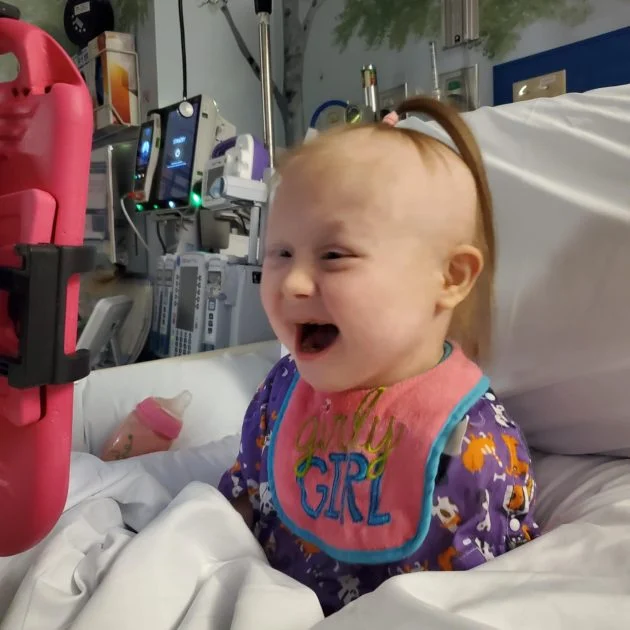
The intersection of pre-existing chromosomal conditions and sudden-onset pediatric oncology presents one of the most complex challenges in modern medicine, a reality currently being navigated by nine-year-old Lauren Kate and her family in East Tennessee. Lauren, who was born with Down syndrome, is currently undergoing intensive treatment for B-Cell Acute Lymphoblastic Leukemia (ALL), a diagnosis that has shifted her family’s focus from the routine management of developmental milestones to the rigorous, high-stakes environment of pediatric oncology. Her journey, which began in earnest in late September 2025, serves as a poignant case study in the resilience of pediatric patients and the critical importance of early diagnostic intervention.
The Diagnostic Timeline and Clinical Presentation
The transition from health to a life-threatening medical crisis often occurs with startling speed in pediatric leukemia cases. For Lauren Kate, the first indicators of systemic illness were subtle but persistent. Her mother noted a significant departure from Lauren’s typical energy levels, describing a state of lethargy that was uncharacteristic for the usually vibrant nine-year-old. This clinical presentation of fatigue was soon accompanied by the appearance of palpable lymphadenopathy—large, visible bumps located beneath the jawline and neck area.
Recognizing these as potential red flags for a serious underlying condition, Lauren’s mother secured an urgent consultation with their primary care physician. The clinical evaluation quickly escalated when initial blood work revealed a highly abnormal white blood cell count, a classic hallmark of hematologic malignancy. The urgency of the situation necessitated an immediate transfer to East Tennessee Children’s Hospital, a specialized facility equipped to handle complex pediatric cases.
On September 23, 2025, following a battery of rapid diagnostic tests including peripheral blood smears and preliminary imaging, the medical team confirmed a diagnosis of B-Cell Acute Lymphoblastic Leukemia. The news arrived as a profound shock to the family, marking the end of their previous sense of normalcy and the beginning of a protracted medical odyssey. The diagnosis of ALL in a child with Down syndrome requires a specialized approach, as the biological interaction between Trisomy 21 and leukemogenesis presents unique clinical hurdles.
Medical Context Understanding B-Cell Acute Lymphoblastic Leukemia
Acute Lymphoblastic Leukemia is a type of cancer that affects the blood and bone marrow. Specifically, B-Cell ALL is characterized by the overproduction of immature white blood cells, known as B-cell lymphoblasts. These malignant cells crowd out healthy red blood cells, white blood cells, and platelets, leading to the symptoms observed in Lauren’s case: fatigue (due to anemia), increased susceptibility to infection, and swelling of the lymph nodes.
According to the American Cancer Society, ALL is the most common form of childhood cancer, accounting for approximately half of all leukemia cases in children and adolescents. While the overall five-year survival rate for pediatric ALL has seen remarkable improvement over the last several decades—now exceeding 90% in many cohorts—the journey to remission involves one of the most grueling treatment regimens in pediatric medicine.
For Lauren, the treatment protocol was initiated almost immediately following her diagnosis. To date, her medical history includes several lumbar punctures, a procedure essential for both diagnosing the spread of cancer to the central nervous system and delivering intrathecal chemotherapy. She also underwent the surgical insertion of a chemo-port, a device placed under the skin to allow the medical team easy access to her bloodstream for the frequent administration of intravenous drugs and the drawing of blood samples.
The Correlation Between Down Syndrome and Leukemia
The medical community has long recognized a significant statistical link between Down syndrome (Trisomy 21) and an increased risk of developing leukemia. Research indicates that children with Down syndrome are approximately 20 times more likely to develop Acute Lymphoblastic Leukemia than their neurotypical peers. The genetic underpinnings of this correlation are a subject of intense study, with scientists looking at how the extra copy of the 21st chromosome influences hematopoietic stem cell development and increases the likelihood of malignant mutations.
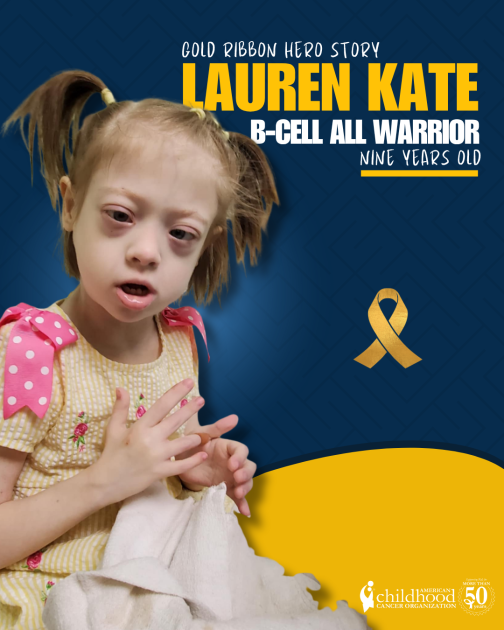
However, the treatment of ALL in patients with Down syndrome requires a delicate balance. While these patients are more susceptible to the disease, they also frequently exhibit increased sensitivity to the toxicity of certain chemotherapy agents, particularly methotrexate. This necessitates highly tailored treatment protocols designed to maximize the eradication of leukemic cells while minimizing life-threatening side effects. Lauren’s status as an "ALL warrior" is underscored by this dual challenge of managing her developmental needs alongside a high-intensity oncological protocol.
Life Under Treatment The Impact on the Family Unit
The implications of a pediatric cancer diagnosis extend far beyond the patient, fundamentally altering the lives of every family member. For Lauren Kate, the rigors of chemotherapy and bone marrow procedures have meant "countless days away from home," a common reality for families traveling to specialized regional centers like East Tennessee Children’s Hospital. These extended hospitalizations create a vacuum in the home environment, often separating siblings and placing immense emotional and financial strain on parents.
Central to Lauren’s support system is her sister, Emma. In pediatric oncology, siblings are often referred to as the "shadow survivors," as they navigate the fear of losing a sibling while simultaneously dealing with the disruption of their daily routines. Despite the clinical setting and the physical toll of her treatments, Lauren’s family has made concerted efforts to maintain elements of her personality and childhood joy. Her affinity for the television program Bubble Guppies and her interactions with Emma serve as vital anchors to her identity outside of her diagnosis. These moments of "vibrant and fun-loving" behavior are viewed by medical professionals as essential indicators of psychological resilience, which can positively influence a patient’s overall well-being during treatment.
Broader Implications for Pediatric Oncology and Advocacy
Lauren Kate’s story is a microcosm of a larger national and global health issue. Each year, thousands of families receive a similar diagnosis, thrusting them into a healthcare system that, while advanced, still requires significant advocacy and funding to improve outcomes. Organizations like the American Childhood Cancer Organization (ACCO) emphasize that "kids can’t fight cancer alone," highlighting the necessity of a robust support network involving medical professionals, non-profit organizations, and the community at large.
The financial burden of treating ALL is staggering. A standard course of treatment for pediatric leukemia can last between two to three years, involving various phases such as induction, consolidation, and maintenance. The costs associated with hospital stays, specialized medications, and the loss of parental income due to caregiving responsibilities can exceed hundreds of thousands of dollars. This economic reality underscores the importance of philanthropic support and policy initiatives aimed at increasing federal funding for pediatric cancer research, which historically receives a small fraction of the budget compared to adult cancers.
Furthermore, Lauren’s case highlights the regional importance of specialized pediatric hospitals. East Tennessee Children’s Hospital serves as a critical hub for the Appalachian region, providing access to sub-specialists that many families would otherwise have to travel hundreds of miles to reach. The presence of such institutions is vital for the timely diagnosis and treatment of aggressive diseases like B-Cell ALL.
Looking Forward The Path to Recovery
As Lauren Kate continues her fight, the medical focus remains on achieving and maintaining complete remission. The next phases of her treatment will likely involve continued monitoring of her bone marrow to ensure the absence of residual disease and the management of long-term side effects associated with chemotherapy.
The resilience shown by Lauren is a testament to the strength of pediatric patients who face life-altering diagnoses with a courage that often exceeds their years. While the road ahead is characterized by clinical uncertainty and the physical demands of oncology, the rallying of her family and the support of the wider community provide a framework for hope.
In the broader context of public health, Lauren’s journey reinforces the necessity of awareness. Early detection, fueled by a parent’s intuition and a physician’s quick action, remains the most effective tool in the fight against pediatric leukemia. As research continues to evolve, the goal remains a future where the genetic predispositions of children with Down syndrome no longer carry the heavy weight of a leukemia risk, and where treatments are as gentle as they are effective. For now, the focus remains on one day at a time, one treatment at a time, for a nine-year-old girl who continues to inspire those around her with her quiet strength and enduring spirit.
