
 By admin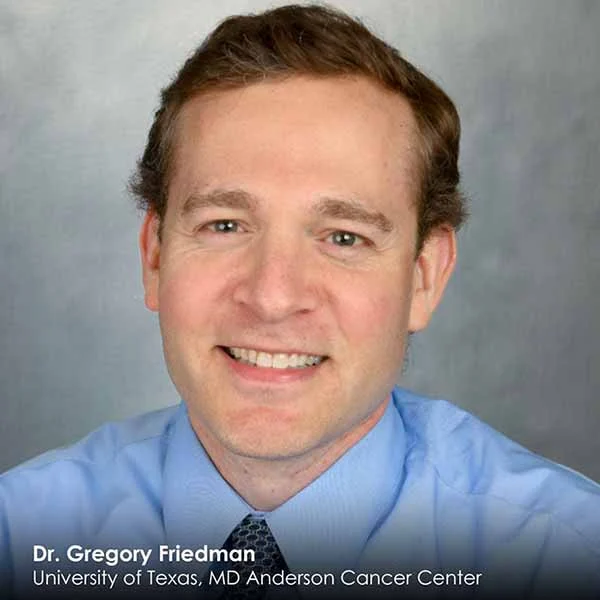
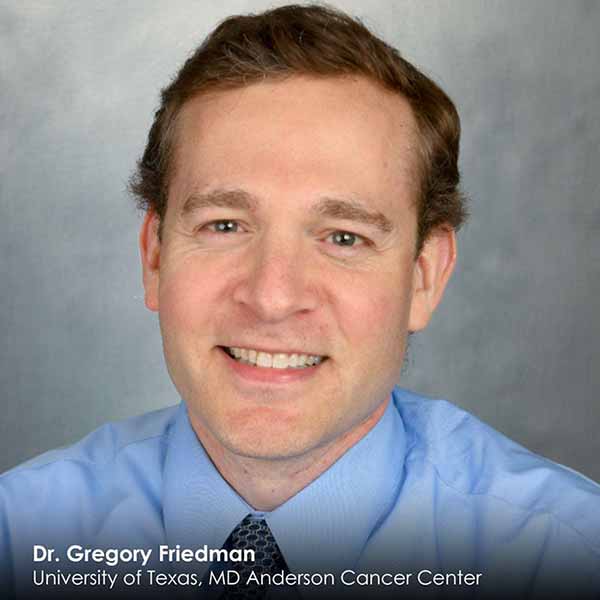
In a significant move for the global pediatric oncology community, CureSearch for Children’s Cancer, a prominent United States-based nonprofit, has announced a strategic international partnership with LifeArc, a leading medical research charity based in the United Kingdom. This bi-continental collaboration is designed to co-fund and accelerate the development of a groundbreaking treatment for pediatric high-grade gliomas (pHGGs), one of the most lethal and difficult-to-treat forms of childhood brain cancer. The partnership specifically supports the work of Dr. Gregory Friedman, whose CureSearch Acceleration Initiative (AI) project represents a paradigm shift in how clinicians approach the treatment of aggressive pediatric tumors.
Pediatric high-grade gliomas remain a primary concern for oncologists and researchers due to their devastating prognosis. Currently, the median survival rate for children diagnosed with pHGGs is less than 30%. Within this category of disease, certain subtypes, such as Diffuse Intrinsic Pontine Glioma (DIPG)—now often classified under the broader umbrella of diffuse midline gliomas—remain effectively incurable. For decades, the standard of care has relied on a combination of surgery, radiation, and traditional chemotherapy. However, these interventions often result in severe long-term toxicity, including cognitive impairment and secondary malignancies, while offering limited efficacy in extending life. The urgency for safer, more effective, and targeted therapies has never been greater, and this international alliance aims to bridge the gap between laboratory discovery and clinical application.
The Science of Immunotherapy: A Dual-Action Approach
The project led by Dr. Gregory Friedman and his team focuses on a novel combination immunotherapy designed to harness the child’s own immune system to combat the tumor. This "dream team" of researchers is pioneering a dual-action strategy that combines a modified oncolytic virus with a sophisticated cancer vaccine.
The first component of this treatment involves a modified version of the herpes simplex virus (the "cold-sore virus"). Scientists have engineered this virus to selectively infect and replicate within brain tumor cells while leaving healthy brain tissue unharmed. As the virus replicates, it causes the cancer cells to burst, a process known as lysis. This not only destroys the tumor cells directly but also releases tumor-specific proteins (antigens) into the surrounding environment, essentially "unmasking" the cancer to the body’s immune system.
The second component is a unique tumor vaccine known as SNAPvax. The purpose of this vaccine is to "prime" the immune system, training T-cells to recognize and attack the specific proteins found on the surface of the glioma cells. By administering SNAPvax in conjunction with the oncolytic virus, the researchers aim to create a sustained and robust immune response. This approach addresses one of the primary challenges in treating brain tumors: the "cold" immune environment of the brain, where the body often fails to recognize the presence of a tumor as a threat.
Research Progress and the "Prime and Boost" Discovery
Since receiving the initial CureSearch AI award in 2022—with additional support from the Rally Foundation for Childhood Cancer Research—Dr. Friedman’s team has reached several critical milestones. A primary achievement has been the identification of the ideal brain tumor proteins to target with the SNAPvax platform. Selecting the right antigens is vital to ensuring the immune system attacks the tumor with precision, minimizing the risk of "off-target" damage to healthy cells.
Furthermore, the team’s preclinical studies have yielded a crucial discovery regarding the chronology of treatment. The researchers found that the timing of the therapies is a decisive factor in their success. Specifically, their data indicates that delivering the cancer vaccine prior to the introduction of the oncolytic virus is significantly more effective than the reverse order. When the vaccine is administered first, it excites the immune system to focus its efforts on the tumor cells. This prevents the immune system from prematurely clearing the virus itself, thereby allowing the virus more time to infect and kill the malignant cells. This "prime and boost" sequence has shown a synergistic effect, proving more potent than either the virus or the vaccine used in isolation.
Bridging the "Valley of Death" in Drug Development
One of the most daunting hurdles in medical research is the "valley of death"—the gap between successful laboratory (preclinical) research and the commencement of human clinical trials. In the realm of pediatric cancer, this gap is often widened by a lack of financial incentives for large pharmaceutical companies, as childhood cancers are considered "rare diseases" compared to adult cancers.
CureSearch’s Acceleration Initiative was specifically designed to address this market failure. The program targets projects with a high probability of clinical application within a three-year timeframe. The success rate of this model is notable; while the industry average for the translation of preclinical cancer drugs into clinical trials is less than 8%, CureSearch reports that 60% of the projects funded through its AI program successfully advance to clinical trials.
The inclusion of LifeArc as a co-funder further validates this model. As a charity that specializes in bridging the gap between early-stage science and patient-ready treatments, LifeArc brings significant expertise in translational research. This partnership ensures that Dr. Friedman’s work has the necessary resources to navigate the complex regulatory and manufacturing requirements needed to launch a clinical trial.
Official Responses and Strategic Vision
Leadership from both organizations has expressed high confidence in the potential of this research. Kay Koehler, President and CEO of CureSearch, emphasized the importance of the international nature of this collaboration. "We’re thrilled to expand our co-funding model internationally and are grateful for LifeArc’s support," Koehler stated. She noted that the validation of Dr. Friedman’s work by CureSearch’s Scientific and Industry Advisory Councils—comprised of top-tier experts—serves as a hallmark of the project’s quality and potential for impact.
Dr. David Jenkinson, Head of Childhood Cancer at LifeArc, echoed these sentiments, highlighting the alignment between this project and LifeArc’s broader strategy. "This project really stood out to us because this novel approach holds real promise in an area of high unmet medical need," Jenkinson said. He reiterated LifeArc’s mission to improve outcomes for children with cancer by progressing research that leads to less toxic and more effective treatments.
The Human Impact: A Call for Urgent Innovation
The necessity for this research is underscored by the tragic stories of families who have faced the limitations of current medical technology. Namrata and Bhavesh Pandya, residents of Harrow, London, lost their 14-year-old son Khushil to a diffuse midline glioma (DIPG) in 2017. Despite the devastating diagnosis, Khushil’s family focused on maintaining a sense of normalcy, with Khushil even completing a Duke of Edinburgh expedition in his wheelchair just months before his passing.
"Bhavesh and I will never be ready to accept that… there’s very little knowledge on how and why it happens," Namrata Pandya shared. Her advocacy highlights a critical moral argument for increased investment: children deserve treatments that are not only effective in saving their lives but also gentle enough to preserve their quality of life. The Pandyas’ experience serves as a poignant reminder that for many families, the "accelerated timeframe" of the CureSearch AI projects is not just a metric of efficiency, but a desperate race against time.
Analysis of Global Implications
The partnership between CureSearch and LifeArc represents a growing trend toward globalized funding in the rare disease space. By pooling resources across borders, nonprofit organizations can mitigate the financial risks associated with early-stage drug development. Furthermore, this collaboration allows for a broader sharing of data and expertise, which is essential when dealing with pediatric cancers where the patient populations are relatively small and geographically dispersed.
If Dr. Friedman’s combination therapy proves successful in upcoming clinical trials, it could serve as a blueprint for treating other types of "cold" tumors. The use of SNAPvax to prime the immune system before introducing an oncolytic virus is a strategy that could theoretically be adapted for various pediatric and adult malignancies.
As Dr. Friedman continues to refine the methods for testing the therapy’s effectiveness and works with industry partners to finalize the clinical trial design, the pediatric oncology community watches with cautious optimism. The goal is clear: to move away from the "one-size-fits-all" approach of toxic chemotherapy and toward a future of precision immunotherapy. For children with high-grade gliomas, this research represents more than just a scientific advancement; it represents the hope for a future that was once thought impossible.
