
 By admin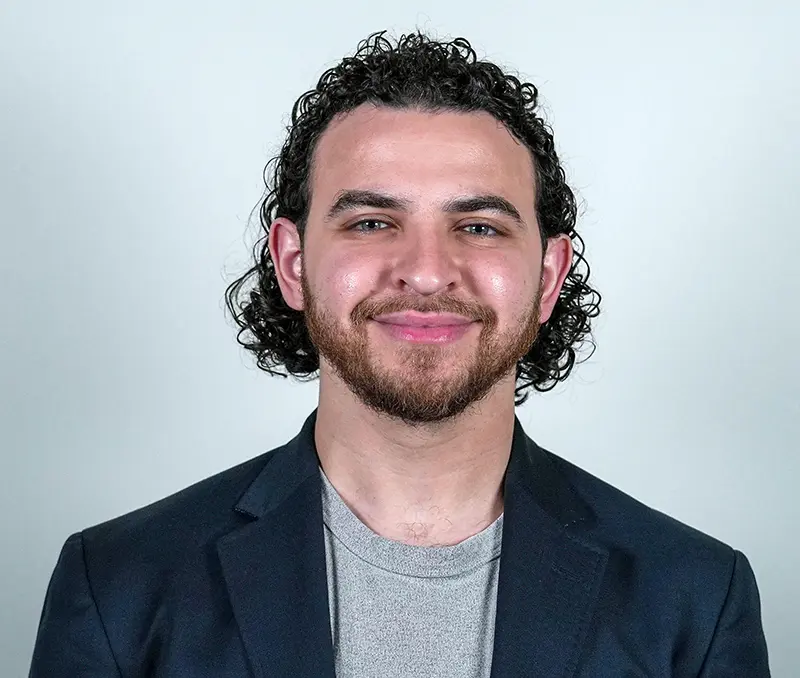
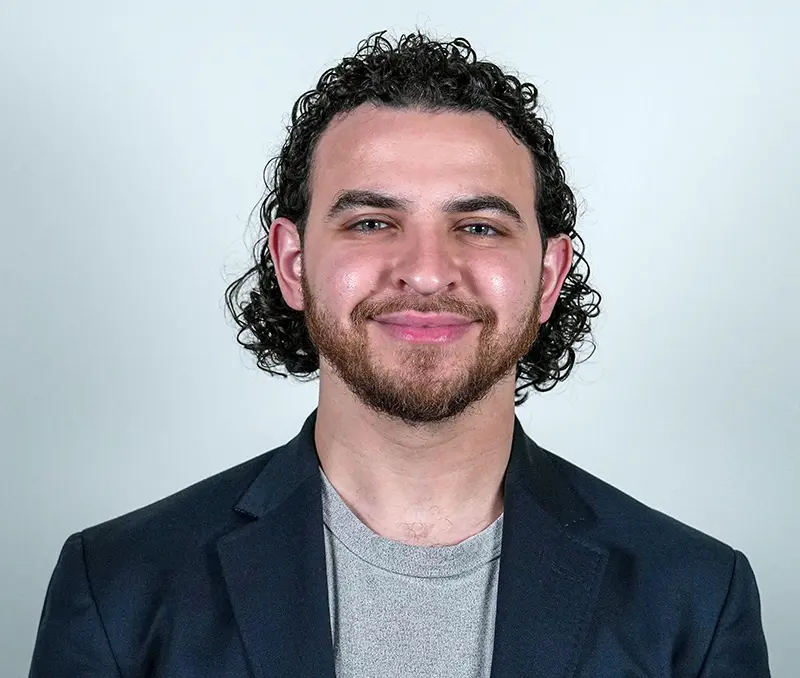
CureSearch for Children’s Cancer, a preeminent national non-profit organization dedicated to accelerating the development of transformative treatments for pediatric oncology, has officially announced the appointment of Osama Alsaleh to its Board of Directors. This strategic addition comes at a pivotal moment for the organization as it seeks to bridge the gap between clinical research and commercial viability through enhanced venture capital partnerships and technological integration. Mr. Alsaleh, a recognized leader in healthcare innovation and global health equity, brings a wealth of experience from his current role as the Head of Partnerships at Plug and Play Health, as well as his distinguished tenure at Oracle Health and Cerner. His appointment is expected to catalyze new avenues for funding and foster collaborations across the technology and investment sectors, addressing the chronic underfunding that characterizes the pediatric cancer landscape.
A Strategic Vision for Pediatric Oncology
The appointment of Osama Alsaleh represents a calculated effort by CureSearch to incorporate high-level venture capital and technological expertise into its governance structure. As pediatric cancer remains the leading cause of death by disease among children in the United States, the need for "out-of-the-box" financial and strategic models has never been more urgent. CureSearch has long focused on the "Valley of Death"—the precarious phase in drug development where promising laboratory research often stalls due to a lack of funding for clinical trials. By bringing in a leader who operates at the intersection of startup ecosystems and institutional healthcare, CureSearch aims to streamline the path from the laboratory bench to the patient’s bedside.
Mr. Alsaleh’s professional background is uniquely suited to this mission. At Plug and Play Health, he oversees partnerships for one of the world’s most active venture capital firms and innovation platforms. His work involves connecting large-scale healthcare corporations with agile startups to solve systemic challenges. By applying this same logic to pediatric oncology, CureSearch intends to attract private equity and venture capital interest to a field that has traditionally been neglected by mainstream investment due to the smaller market size of pediatric compared to adult cancers.
Professional Chronology and Key Achievements
The career of Osama Alsaleh is defined by a consistent focus on leveraging technology to improve global health outcomes. Prior to his leadership role at Plug and Play, Alsaleh held several high-impact positions at Oracle Health (formerly Cerner Corporation). During his tenure at Oracle, he was instrumental in the creation of the organization’s health equity team. This initiative was designed to address the social determinants of health (SDOH), ensuring that technological advancements in healthcare were accessible to underserved populations and that clinical data reflected diverse demographics.
His influence at Oracle extended into the philanthropic sector through his service on the Oracle Charitable Foundation Clinical Decision Committee. In this capacity, he contributed to the evaluation and strategic allocation of over $42 million in healthcare grants. This experience provided him with a deep understanding of how philanthropic capital can be deployed to drive clinical innovation and support large-scale public health initiatives.
Beyond the private sector, Alsaleh has been a frequent collaborator with governmental and international bodies. His advisory work has touched upon quality reporting measures for the Centers for Medicare & Medicaid Services (CMS) and strategic participation in the White House COVID-19 Taskforce. Furthermore, his engagement with the U.S. State Department, the World Bank Group, and the World Health Organization (WHO) underscores his ability to navigate complex regulatory and diplomatic environments. This global perspective is vital for CureSearch, as pediatric cancer research is increasingly a multinational endeavor requiring standardized data sharing and cross-border clinical trials.
The Economic Reality of Pediatric Cancer Research
To understand the significance of Alsaleh’s appointment, one must examine the current state of pediatric cancer funding. While survival rates for some forms of childhood cancer have improved significantly over the last few decades, many rare and aggressive forms—such as certain brain tumors and sarcomas—have seen little to no progress in treatment outcomes.
Supporting data highlights a stark disparity in research investment:
- Federal Funding Disparity: Historically, only about 4% of the National Cancer Institute’s (NCI) annual budget is dedicated specifically to pediatric cancer research. The vast majority of oncology funding is directed toward adult cancers, which have larger patient populations and, consequently, higher profit potential for pharmaceutical companies.
- The "Orphan" Challenge: Because pediatric cancers are considered rare diseases, they often fall into the "orphan drug" category. While the Orphan Drug Act provides some incentives, the high cost of specialized pediatric clinical trials often deters major manufacturers.
- Innovation Gap: Over the last 20 years, only a fraction of the new drugs approved by the FDA for cancer treatment were specifically developed for children. Most pediatric treatments are "off-label" uses of adult medications, which can lead to severe long-term side effects and developmental issues in survivors.
By leveraging Alsaleh’s network in venture capital, CureSearch aims to introduce "venture philanthropy" models. These models involve using donor funds to de-risk early-stage research, making it more attractive for private investors to step in and fund the later, more expensive stages of drug development.
Official Responses and Leadership Perspectives
The leadership at CureSearch has expressed high confidence in the unique value proposition Alsaleh brings to the board. Jared Brancazio, Chair of the CureSearch Board of Directors, emphasized the importance of cross-industry connectivity in his welcoming statement.
“Osama brings a unique and highly valuable perspective to CureSearch,” Brancazio stated. “His ability to connect innovation, investment, and healthcare will help expand our reach and unlock new opportunities to advance critical research for children with cancer. We are excited to have him join the board at this important time for our organization.”
For his part, Alsaleh has identified the underrepresentation of pediatrics in the innovation ecosystem as a primary motivator for his involvement. He noted that while the broader healthcare technology sector is booming, pediatric oncology remains an underserved niche within mainstream venture capital.
“Throughout my work, I have consistently observed that innovations focused on pediatrics, particularly pediatric oncology, remain significantly underfunded and underrepresented within mainstream venture capital and innovation ecosystems,” Alsaleh remarked. “By leveraging my network across venture capital, startups, healthcare institutions, and technology companies, I aim to help attract new technologies, strategic partners, and resources that can accelerate progress toward cures for children with cancer.”
Analysis of Implications: A New Era for Venture Philanthropy
The appointment of a venture capital expert to a non-profit board signals a broader trend in the charitable sector: the shift toward "impact-driven" governance. For CureSearch, this move suggests several long-term implications for the pediatric cancer landscape:
1. Acceleration of AI and Data Integration
With Alsaleh’s background in healthcare IT and Oracle Health, CureSearch is well-positioned to lead in the application of artificial intelligence (AI) and machine learning for drug discovery. AI can analyze vast datasets from past clinical trials to identify potential new uses for existing compounds, a process that is significantly faster and cheaper than traditional drug development.
2. Enhanced Focus on Health Equity
Pediatric cancer outcomes are often influenced by socioeconomic factors, including access to specialized treatment centers and the ability to participate in clinical trials. Alsaleh’s experience in shaping health equity strategies at Oracle suggests that CureSearch will place a renewed emphasis on ensuring that breakthroughs reach all children, regardless of their geographic or economic circumstances.
3. Diversification of Revenue Streams
Traditional non-profits rely heavily on individual donations and gala events. By integrating with the venture capital world, CureSearch can explore more sustainable financial models, such as royalty-sharing agreements or equity stakes in the startups they help fund through their research grants. This "evergreen" funding model could provide a more stable foundation for long-term research projects.
4. Regulatory and Policy Advocacy
Given Alsaleh’s history with the CMS and the White House Taskforce, his presence on the board strengthens CureSearch’s ability to advocate for policy changes that benefit pediatric patients. This includes pushing for better reimbursement rates for pediatric oncology treatments and streamlining the regulatory pathway for pediatric-specific clinical trials.
Conclusion
The addition of Osama Alsaleh to the CureSearch Board of Directors is more than a standard leadership update; it is a strategic alignment of philanthropy, technology, and finance. As the organization continues its mission to end childhood cancer, the integration of venture capital principles and global health expertise will be essential in overcoming the systemic barriers that have historically slowed progress. With a focus on innovation, equity, and strategic partnerships, CureSearch is reinforcing its commitment to ensuring that every child diagnosed with cancer has access to the most advanced and effective treatments possible. The broader medical and investment communities will likely watch this collaboration closely as a potential blueprint for addressing other rare and underfunded disease areas.
