
 By admin
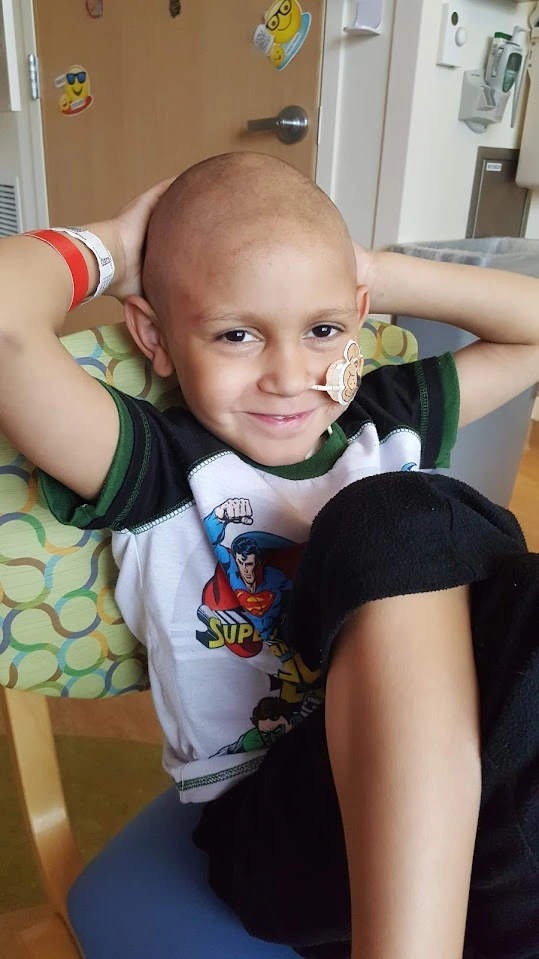
For 12-year-old Isaac, life is defined by the rhythm of the seasons: the crunch of the turf during football season, the hardwood echoes of the basketball court, and the crack of the bat in the spring. Like many pre-adolescents in the United States, his identity is deeply intertwined with competitive sports and the pursuit of athletic excellence. However, Isaac’s journey to the playing field was not a standard trajectory of youth athletics. Seven years ago, the drives his family took were not to practice fields or stadiums, but to sterile hospital corridors and intensive care units. In 2018, at the age of five, Isaac was diagnosed with leukemia, a development that transformed his childhood into a high-stakes battle for survival and served as a case study for the transformative power of modern pediatric immunotherapy.
The diagnosis of childhood cancer remains one of the most significant challenges in modern medicine. While advancements in the late 20th century significantly improved survival rates, the experience for the individual family remains a harrowing transition from normalcy to medical crisis. For Isaac’s mother, Jennifer, the transition occurred within a matter of hours. After noticing a series of "strange symptoms"—which in pediatric leukemia often include persistent fatigue, unexplained bruising, or recurrent infections—she sought medical evaluation. The speed of the diagnosis was a harbinger of the severity of the condition. Within a single day, the family was moved from a primary care setting to the specialized world of pediatric oncology.
Jennifer recalls the visceral impact of entering the hospital’s seventh floor, where the words "Hematology/Oncology" were mounted on the wall. For many families, this architectural threshold represents the moment a theoretical fear becomes a concrete reality. The sight of other children undergoing treatment, many losing hair or confined to wheelchairs, underscores the gravity of the situation. In the United States, approximately 15,000 children and adolescents under the age of 20 are diagnosed with cancer each year. Leukemia is the most common form, accounting for roughly 25 percent of all pediatric cancer cases. While the five-year survival rate for the most common type, Acute Lymphoblastic Leukemia (ALL), has risen to approximately 90 percent, those statistics offer little comfort to families whose children fall into "high-risk" categories.
Isaac’s medical team immediately initiated a protocol of high-dose chemotherapy. Chemotherapy has long been the gold standard for treating leukemia, designed to aggressively target and destroy rapidly dividing cancer cells. However, Isaac’s body did not respond to the initial rounds as clinicians had hoped. When a patient does not achieve remission through standard induction therapy, they are reclassified as "high-risk." This designation necessitates a more aggressive, and often more toxic, intervention strategy. For Isaac, this period was characterized by weeks of grueling treatment, including constant needle pokes, extended periods of medical isolation to prevent infection, and severe allergic reactions to necessary medications.
The Scientific Breakthrough: Adapting Adult Immunotherapy for Pediatric Use
As traditional chemotherapy reached the limits of its efficacy, Isaac’s prognosis became increasingly precarious. It was at this juncture that medical research provided a critical lifeline. Isaac’s case coincided with a period of rapid innovation in immunotherapy—a field of medicine that seeks to program the patient’s own immune system to recognize and attack malignant cells. Specifically, a new immunotherapy treatment had recently gained approval for use in adult patients but had not yet been widely cleared for pediatric use.

The "adult-first" lag is a persistent hurdle in pediatric oncology. Because the market for pediatric drugs is smaller than that for adult pharmaceuticals, life-saving innovations often take years to trickle down to younger patients. In Isaac’s case, his medical team at the University of Minnesota adapted this adult protocol for his specific needs. This transition from laboratory research to clinical application is the cornerstone of modern oncology. Isaac underwent four rounds of this specialized immunotherapy. Unlike chemotherapy, which acts as a systemic poison to both healthy and cancerous cells, immunotherapy is more targeted. The results were definitive: the treatment successfully drove the leukemia into remission, providing the necessary window for a more permanent solution.
Following the success of the immunotherapy, Isaac underwent a bone marrow transplant. This procedure is essentially an immune system "reset," replacing the patient’s diseased bone marrow with healthy stem cells from a donor. While the transplant is a life-saving measure, it is also one of the most taxing procedures a human body can endure, requiring total body irradiation and further intensive chemotherapy to suppress the existing immune system before the new cells can be introduced. Isaac’s successful engraftment of the new marrow marked the end of the acute phase of his illness, but it signaled the beginning of a lifelong journey of survivorship.
The Critical Importance of Long-Term Survivorship Care
Today, Isaac is thriving, but his medical journey did not end with his discharge from the oncology ward. He is currently under the care of Dr. Karim Sadak, the Senior Medical Director of Pediatrics at the University of Minnesota M Health Fairview. Dr. Sadak specializes in pediatric cancer survivorship, a field that has grown in importance as survival rates have climbed. The goal of survivorship care is to monitor and mitigate the "late effects" of cancer treatment.
Data from the Childhood Cancer Survivor Study (CCSS) indicates that by the age of 50, more than half of childhood cancer survivors will experience a severe or life-threatening health condition related to their previous treatment. These late effects can include cardiovascular disease, secondary cancers, endocrine disorders, and cognitive or mental health challenges. Dr. Sadak’s role is to provide a multidisciplinary approach to Isaac’s health, ensuring that any physical or cognitive developmental delays are addressed early. This proactive monitoring allows Isaac to pursue his interests—such as street-style fashion, cooking, and high-intensity sports—with the safety net of specialized medical oversight.
The University of Minnesota has long been a leader in this field, emphasizing that the "cure" is not merely the absence of disease, but the restoration of a high quality of life. For Isaac, this means being able to compete on the football field without the shadow of his illness defining his physical capabilities. His resilience is a testament to the efficacy of the "bench-to-bedside" model of research, where laboratory discoveries are rapidly translated into clinical treatments.
Glamorama and the Role of Community Support
Isaac’s story is now being utilized to inspire further investment in pediatric research. He is set to participate in the return of Glamorama, a high-profile fashion and performance production that has historically served as a major fundraiser for the Children’s Cancer Research Fund (CCRF). Events like Glamorama play a vital role in the ecosystem of pediatric oncology. While the National Cancer Institute (NCI) provides significant funding for cancer research, only about 4 percent of the federal budget for cancer research is dedicated specifically to pediatric cancers. This "four percent" gap is often filled by private philanthropy and community-led initiatives.
By joining other survivors on the Glamorama stage, Isaac is transitioning from a patient to an advocate. The event celebrates the creativity and resilience of children who have faced life-threatening diagnoses, providing a platform for them to showcase their personalities beyond their medical histories. For Isaac, this involves exploring his interest in fashion and the arts, proving that the rigors of cancer treatment do not have to diminish a child’s spirit or ambition.
Analysis: The Future of Pediatric Oncology and Research Funding
The implications of Isaac’s case extend beyond his individual survival. His story highlights several critical themes in contemporary medicine. First, it underscores the necessity of pediatric-specific clinical trials. The fact that Isaac’s life was saved by a treatment originally intended for adults highlights the potential currently locked away in "adult-only" medications. Increasing the speed at which these therapies are adapted for children is a primary goal for many advocacy groups.
Second, Isaac’s journey emphasizes the socioeconomic and emotional burden on families. Jennifer’s experience of the "elevator doors opening" on the seventh floor is a universal moment of trauma for thousands of parents. Strengthening the support systems for these families—ranging from mental health services to financial assistance for travel and lodging—is as essential as the medical treatment itself.
Finally, Isaac’s current health status serves as a powerful argument for the continued funding of survivorship research. As the population of childhood cancer survivors grows, the medical community must refine its understanding of how to protect these individuals from the long-term toxicity of their cures. The shift toward "precision medicine"—treatments that are tailored to the genetic profile of the individual patient—promises to reduce these toxicities in the future, making the path to remission less damaging to the developing body.
Isaac, now 12, stands as living proof that the intersection of courageous patients, dedicated families, and innovative research can rewrite a terminal narrative. As he prepares for his next football game or his next appearance on the Glamorama stage, he carries with him the legacy of the scientists, doctors, and donors who refused to accept that his journey would end on the seventh floor of a hospital. His life is no longer defined by the diagnosis of 2018, but by the limitless potential of his future.
