
 By George Ongkojoyo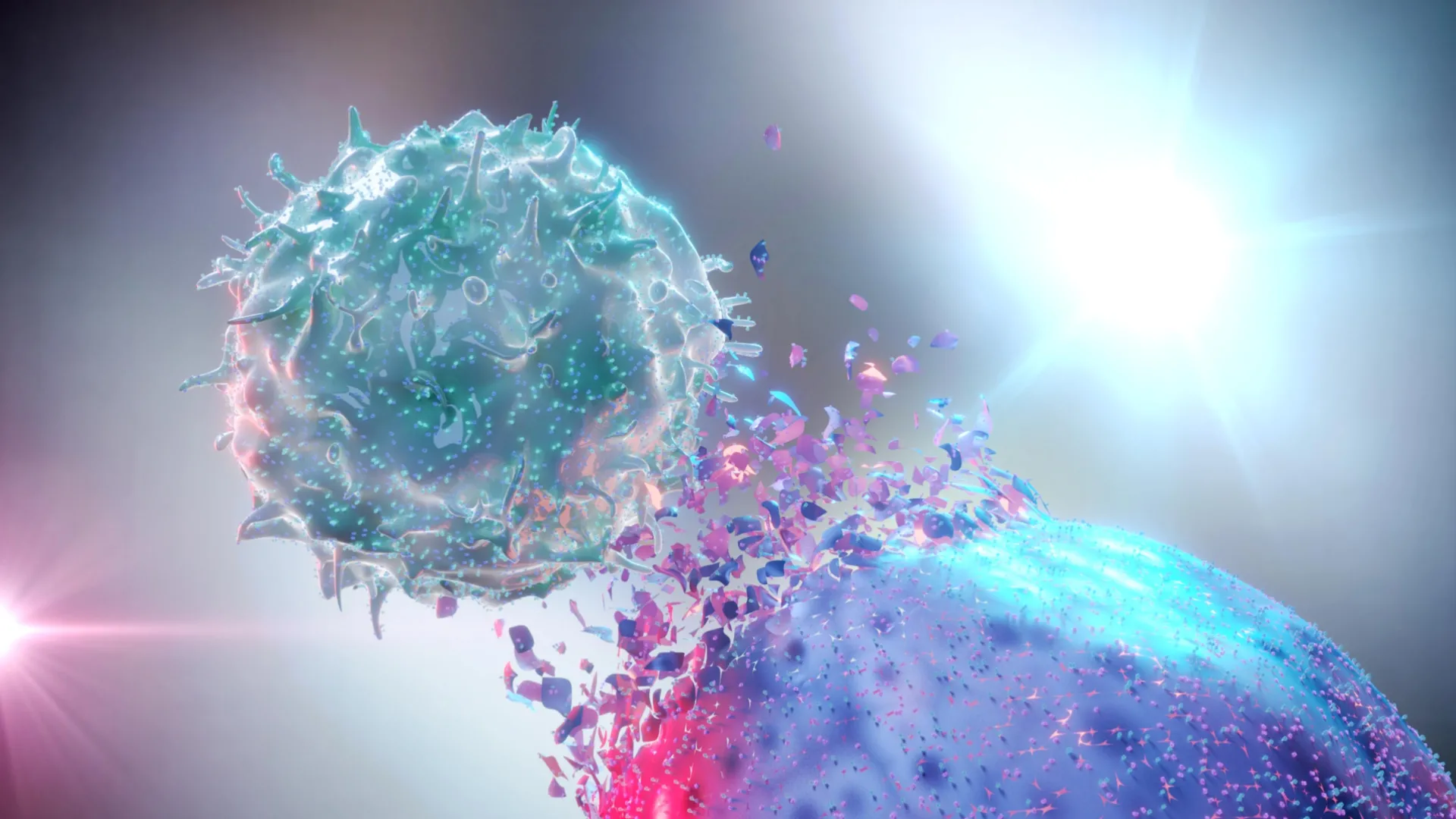
In a significant advancement for the field of oncology, researchers at the Johns Hopkins Kimmel Cancer Center’s Bloomberg~Kimmel Institute for Cancer Immunotherapy and the Netherlands Cancer Institute have identified a transformative method to bypass immunotherapy resistance in patients with non-small cell lung cancer (NSCLC). By utilizing radiation therapy as a biological primer, the medical community may now have a viable pathway to treat tumors that were previously considered "cold" or unresponsive to modern checkpoint inhibitors. The findings, published in the July 22 edition of Nature Cancer, provide a molecular roadmap of how localized radiation can trigger a systemic, body-wide immune response, effectively turning resistant tumors into targets for the body’s own defense systems.
The Challenge of Immunotherapy Resistance in Lung Cancer
Non-small cell lung cancer remains one of the most prevalent and lethal forms of malignancy worldwide. While the advent of immunotherapy—specifically PD-1 and PD-L1 inhibitors—has revolutionized treatment for many, a significant portion of patients fail to respond to these therapies. This phenomenon, known as primary resistance, often occurs in tumors that are immunologically "cold." Such tumors are characterized by a lack of T-cell infiltration, a low mutational burden, or the presence of specific genetic mutations that shield the cancer from the immune system.
For years, oncologists have struggled to find ways to "inflame" these cold tumors. The recent study led by senior author Valsamo "Elsa" Anagnostou, M.D., Ph.D., suggests that the answer may lie in an old tool used in a new way. Radiation therapy, traditionally used to kill cancer cells directly through high-energy beams, appears to serve as a catalyst for the immune system when paired with immunotherapy.
The Abscopal Effect: A Rare Phenomenon Explained
The core mechanism behind this breakthrough is a biological phenomenon known as the "abscopal effect." Historically, the abscopal effect was observed as a rare occurrence where localized radiation treatment of a primary tumor resulted in the shrinkage of distant, untreated tumors. The prevailing theory was that radiation-induced cell death released tumor-specific proteins, or neoantigens, into the bloodstream, essentially "vaccinating" the patient against their own cancer.
The research team at Johns Hopkins and the Netherlands Cancer Institute sought to move beyond anecdotal evidence of this effect. They wanted to understand the precise molecular and cellular shifts that occur during this process. When radiation strikes a tumor, the resulting cellular debris provides the immune system with a "molecular footprint" of the cancer. Once the immune system recognizes these markers, it can activate T cells to seek out and destroy similar cancer cells throughout the body, including those in metastatic sites far removed from the radiation field.
Study Design and International Collaboration
To investigate the systemic impact of combination therapy, the researchers conducted a comprehensive analysis of a Phase II clinical trial. This trial, a collaboration with Willemijn Theelen and Paul Baas at the Netherlands Cancer Institute, focused on patients with NSCLC who were treated with either the PD-1 inhibitor pembrolizumab alone or a combination of radiation therapy followed by pembrolizumab.
The study was rigorous in its data collection, analyzing 293 blood and tumor samples from 72 patients. These samples were taken at baseline and again after three to six weeks of treatment. What set this study apart was its use of "multiomic" analysis. By integrating genomics (the study of DNA), transcriptomics (the study of RNA transcripts), and various functional cell assays, the investigators were able to view the immune system’s reaction in high definition.
Transforming "Cold" Tumors into "Hot" Targets
The researchers specifically focused on tumors with biomarkers indicative of immunotherapy resistance. These included tumors with low tumor mutational burden (TMB), an absence of PD-L1 expression, or mutations in the Wnt signaling pathway—a known driver of immune exclusion. In the control group, these "cold" tumors remained largely unaffected by immunotherapy.
However, in the experimental group receiving radiation followed by pembrolizumab, the results were markedly different. The team observed a "warming up" of the tumor microenvironment. Even in tumors far from the site of radiation, there was a prominent reshaping of the cellular landscape. Sites that previously showed no immune activity became inflamed and populated with both new and pre-existing T cells.
Justin Huang, the lead study author and recipient of the 2025 Paul Ehrlich Research Award, noted that this systemic anti-tumor response is the key to overcoming resistance. The study demonstrated that radiation does not just kill cells locally; it changes the systemic biological "dialogue" between the tumor and the immune system.
Clinical Outcomes and Patient Survival
The ultimate metric of success in oncology is patient outcome, and the Nature Cancer study provided compelling data in this regard. By tracking the clinical progress of the trial participants, the researchers found that patients whose "cold" tumors were successfully "warmed" by radiation therapy achieved significantly better long-term survival rates than those who received immunotherapy alone.
To confirm that the T cells were indeed doing the work, Kellie Smith, Ph.D., an associate professor of oncology at Johns Hopkins, performed functional tests on the T cells of long-term survivors. The tests confirmed that the expanding T-cell populations were specifically recognizing and attacking mutation-associated neoantigens from the patients’ own tumors. This confirmed that the combination therapy had successfully educated the immune system to recognize the cancer as a threat.
A New Timeline for Cancer Treatment
The research represents a culmination of years of study into the timing and sequencing of cancer treatments. The study’s chronology highlights a shift from viewing radiation as a late-stage or palliative option to seeing it as an early-stage "immune-sensitizer."
- Pre-Trial: Recognition of the limitations of PD-1 inhibitors in "cold" NSCLC.
- Phase II Trial: Enrollment of 72 patients to test the synergy of radiation and pembrolizumab.
- Sample Analysis: Multiomic evaluation of nearly 300 samples to track real-time cellular changes.
- July 2024: Publication of findings in Nature Cancer, providing a molecular basis for the abscopal effect.
- Ongoing Research: Current efforts focus on using circulating tumor DNA (ctDNA) in the blood to monitor treatment response in real-time, a project recently highlighted at the American Association for Cancer Research annual meeting.
Implications for the Future of Oncology
The implications of this study extend beyond lung cancer. If radiation can circumvent primary resistance in NSCLC, it may hold the key to treating other resistant cancers, such as pancreatic or certain types of breast cancer. Dr. Elsa Anagnostou emphasized that this approach might not only address primary resistance (where the treatment never works) but also acquired resistance (where the treatment stops working after an initial period of success).
Furthermore, the study underscores the necessity of precision medicine. By identifying the specific biomarkers—such as the Wnt pathway mutations—that signal a "cold" tumor, doctors can better select which patients should receive the combination of radiation and immunotherapy from the outset, rather than relying on a trial-and-error approach.
Expert Reactions and Industry Impact
The scientific community has responded to these findings with optimism. The ability to link the abscopal effect with specific clinical outcomes is considered a "full circle" moment in cancer research. It validates the use of interdisciplinary, international collaborations to solve complex biological puzzles.
From an industry perspective, this research may influence the design of future clinical trials. Pharmaceutical companies and medical device manufacturers may look to integrate "priming" radiation protocols into the standard of care for immunotherapy drugs. This could lead to a new generation of "immuno-radiotherapy" regimens that maximize the efficacy of existing drugs.
Conclusion
The study conducted by the Johns Hopkins Kimmel Cancer Center and the Netherlands Cancer Institute marks a pivotal moment in the fight against non-small cell lung cancer. By proving that radiation therapy can "warm up" immunologically cold tumors and induce a systemic immune response, the researchers have provided a new lifeline for patients who previously had few options.
As the medical community continues to refine these techniques and explore the use of ctDNA for real-time monitoring, the goal of turning every "cold" tumor "hot" moves closer to reality. This research not only clarifies a long-standing medical mystery regarding the abscopal effect but also sets a new standard for how multiomic data can be used to improve patient survival in the age of personalized medicine.
