
 By Budi Oetomo Narendra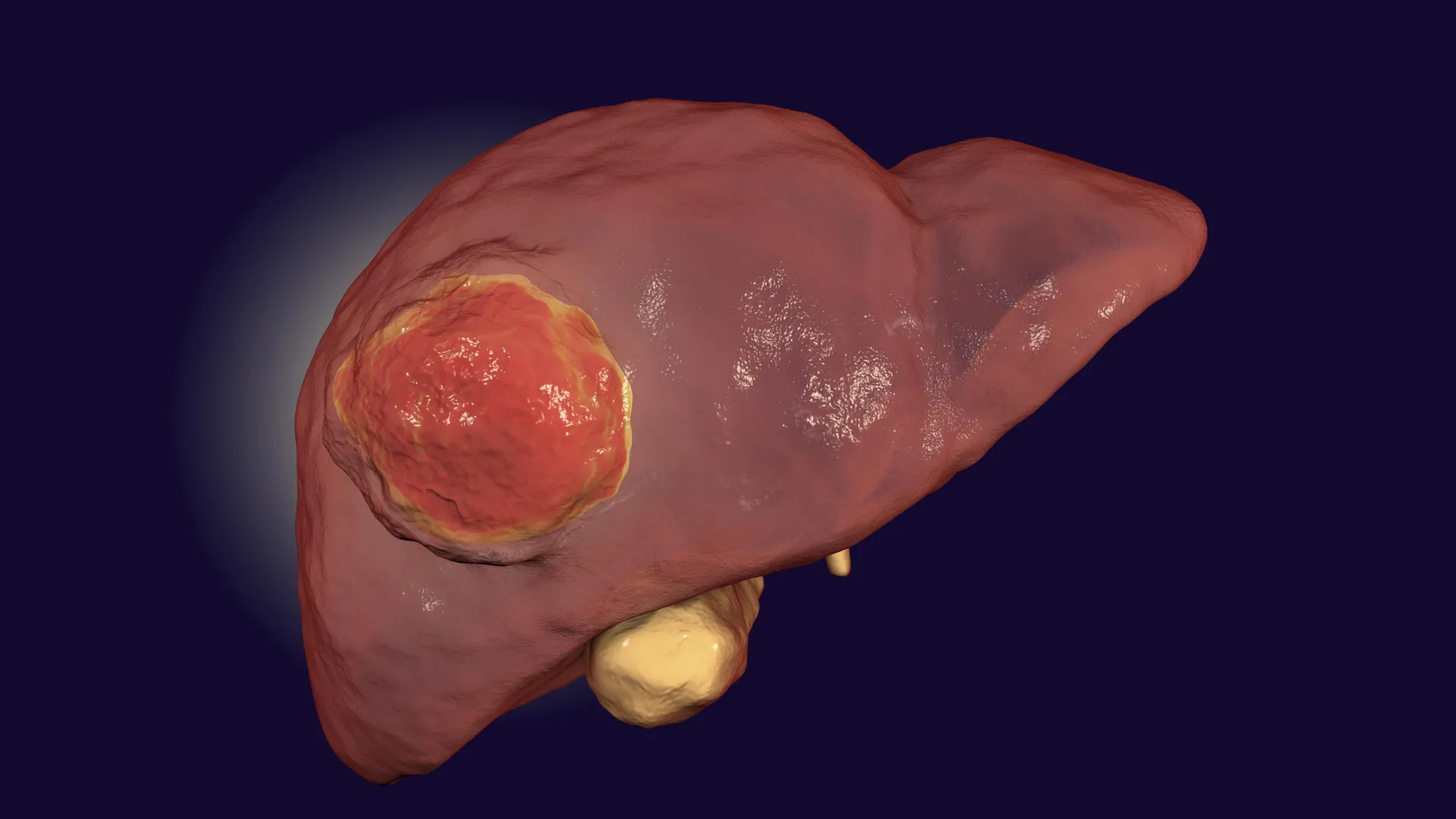
A rare and aggressive form of liver cancer, fibrolamellar carcinoma (FLC), has long resisted immunotherapy, a revolutionary treatment approach that harnesses the body’s own immune system to combat cancer cells. Now, a groundbreaking study published in the journal Gastroenterology has illuminated a potential pathway to overcome this stubborn resistance, utilizing an FDA-approved drug already established for a different medical condition. This discovery offers a beacon of hope for patients, predominantly children and young adults, who currently face a dire prognosis with limited treatment options.
The Unmet Need in Fibrolamellar Carcinoma
Fibrolamellar carcinoma is an enigmatic and particularly devastating malignancy. Accounting for approximately 2% of all liver cancer cases, its rarity often masks its profound impact on those afflicted. Unlike many cancers that are more prevalent in older populations, FLC disproportionately strikes adolescents and young adults, a demographic typically at the peak of their lives. This demographic skew adds a layer of tragic urgency to the search for effective treatments. The disease is notoriously aggressive, frequently metastasizing to other organs before a diagnosis is even made. This late detection drastically narrows treatment avenues, primarily confining options to extensive surgery, which is often curative only if the cancer is localized and fully resectable. Unfortunately, for a significant number of patients, the disease has already spread by the time it is identified, leading to a grim prognosis and a median survival rate that, depending on the stage, can range from under two years to just over five years for those with resectable disease. Chemotherapy and radiation therapy have shown limited efficacy against FLC, underscoring a critical unmet medical need for novel and more effective systemic therapies. The absence of targeted treatments, coupled with the cancer’s resistance to conventional approaches and immunotherapies, has left patients and their families in a desperate search for breakthroughs.
Immunotherapy’s Promise and Its FLC Paradox
Immunotherapy, particularly immune checkpoint inhibition (ICI), represents one of the most significant advancements in cancer treatment in recent decades. These therapies work by essentially "unleashing" the immune system’s T cells, allowing them to recognize and destroy cancer cells that they previously overlooked. Immune checkpoint inhibitors have revolutionized the treatment landscape for several cancers, including melanoma, non-small cell lung cancer, kidney cancer, bladder cancer, and even some forms of hepatocellular carcinoma (the most common type of liver cancer). For many patients, these treatments have led to durable responses and prolonged survival, transforming previously fatal diagnoses into manageable chronic conditions.
However, the success of immunotherapy is not universal. A substantial proportion of cancers, often referred to as "cold" tumors, remain largely unresponsive to ICI. Pancreatic, prostate, and brain cancers are notable examples of these resistant malignancies. Fibrolamellar carcinoma falls squarely into this resistant category, presenting a paradox where a therapy with such profound potential elsewhere seems to falter completely. Understanding why FLC resisted these powerful treatments was the central question driving the research. Praveen Sethupathy ’03, professor of physiological genomics and chair of the Department of Biomedical Sciences in the College of Veterinary Medicine, and co-senior author of the study, highlighted this challenge, stating, "Our results provide among the first indications of why a type of immunotherapy called immune checkpoint inhibition hasn’t worked well in these patients." This foundational understanding is crucial for developing targeted interventions.
Unmasking the Tumor’s Deception: T-Cell Exclusion
The study, co-authored by Sethupathy and Dr. Venu Pillarisetty, a surgical oncologist at the University of Washington, meticulously dissected the cellular and molecular landscape of FLC tumors to uncover the root of their immunotherapy resistance. Their findings pointed to a sophisticated evasion mechanism: T-cell exclusion. Researchers discovered that FLC tumors actively manipulate their surrounding microenvironment, creating a physical and biochemical barrier that prevents immune T cells from infiltrating the cancerous core. Instead of migrating into the tumor to execute their cytotoxic functions, T cells become trapped in the periphery, effectively rendered powerless against the malignancy. This exclusion phenomenon is a critical bottleneck in the immune response, as even highly activated T cells cannot eliminate cancer if they cannot reach it.
The unique morphology of fibrolamellar carcinoma provided a crucial clue. The cancer derives its name from the distinctive thick, fibrous bands that are woven throughout the tumor tissue, a feature that has long puzzled researchers. Andreas Stephanou, a co-first author on the study and a Cornell graduate student, noted, "Despite all of the recent advances in the study of this cancer, we still haven’t pinpointed how these fibrous bands contribute, if at all, to the tumor’s progression." The research team’s investigation revealed that these fibrous bands are not merely an inert structural anomaly but are integral to the tumor’s immune evasion strategy. They found that normal liver stellate cells, which typically play a role in wound healing and tissue repair, are aberrantly activated and "hijacked" by the FLC cells. These altered stellate cells then become prolific producers of fibrous proteins, forming the characteristic bands within the tumor. Crucially, these activated stellate cells also emit specific signaling molecules. These signals act as a deceptive beacon, diverting T cells away from the tumor cells and drawing them into the fibrous stroma, where they become physically trapped and functionally incapacitated.
The Power of Single-Nucleus Transcriptomics
To achieve this unprecedented level of insight into the FLC tumor microenvironment, the researchers employed a cutting-edge technique known as single-nucleus transcriptomics. This advanced technology allowed the team to isolate the nucleus from individual cells within tumor tissue and then meticulously analyze the active genes (the transcriptome) within each nucleus. Unlike bulk RNA sequencing, which provides an average gene expression profile across a heterogeneous cell population, single-nucleus transcriptomics offers a granular, cell-by-cell view. This resolution was critical for identifying the specific cell types involved in the T-cell exclusion, understanding their individual gene expression patterns, and deciphering the complex intercellular communication networks at play within the tumor.
As Stephanou explained, "It wasn’t until we were able to use this technology that the picture of the tumor microenvironment began to clear up for us." This detailed cellular map enabled the researchers to pinpoint the exact cellular players – the altered stellate cells and the misdirected T cells – and the molecular pathways responsible for the immune system’s failure to penetrate the FLC tumor. Without this technological leap, the intricate mechanism of T-cell trapping within the fibrous bands might have remained obscured, hindering the development of targeted therapeutic strategies.
AMD3100: A Repurposed Solution Emerges
With a clear understanding of how FLC evades the immune system, the next logical step was to identify a compound that could disrupt this process. The researchers hypothesized that blocking the signaling pathways that trap T cells might restore their ability to infiltrate and attack the cancer. This led them to AMD3100 (plerixafor), a drug that is already approved by the U.S. Food and Drug Administration (FDA).
AMD3100 is a CXCR4 chemokine receptor antagonist, originally approved in 2008 under the brand name Mozobil. Its primary clinical use is in hematology, specifically for mobilizing hematopoietic stem cells from the bone marrow into the peripheral blood. This mobilization is crucial for patients undergoing autologous stem cell transplantation, particularly those with non-Hodgkin lymphoma and multiple myeloma. By blocking the CXCR4 receptor, AMD3100 disrupts the binding of stem cells to stromal cells in the bone marrow, effectively "releasing" them into circulation for collection. The fact that AMD3100 is already FDA-approved is a significant advantage, as it means the drug has a well-established safety profile, potentially expediting its path through clinical trials for a new indication.
To test their hypothesis, researchers in the Pillarisetty laboratory at the University of Washington conducted ex vivo experiments using patient tumor tissue slices. This innovative approach allowed them to study the drug’s effects directly on human FLC tissue while preserving the complex tumor microenvironment. The results were compelling: treatment with AMD3100 successfully guided T cells from the periphery back into the core of the tumors, overcoming the exclusion barrier. Furthermore, when AMD3100 was combined with immune checkpoint inhibition – a strategy to activate the T cells – there was a synergistic effect. The combination therapy resulted in a significant increase in T-cell activation and, critically, a substantial rise in tumor cell death. This pre-clinical evidence strongly suggests that AMD3100 could act as a "gate-opener," allowing existing immunotherapies to finally reach their target.
Expert Perspectives and the Road Ahead
The findings have generated considerable excitement within the scientific and medical communities, particularly among those dedicated to rare cancer research. Praveen Sethupathy emphasized the broader implications: "Even if this particular drug isn’t the end-all-be-all, it teaches us that this T-cell exclusion phenomenon is an important one to tackle in fibrolamellar carcinoma." This highlights the dual benefit of the research: identifying a potential therapeutic agent and providing fundamental insights into cancer biology that could inform future strategies.
The research was a collaborative effort, underscoring the interdisciplinary nature required to tackle complex diseases like FLC. Key contributors included co-first authors Jason Carter and Lindsey Dickerson from the Pillarisetty laboratory, and Bo Shui, a senior research associate in the Sethupathy laboratory. The study also received vital financial backing from the Fibrolamellar Cancer Foundation, a patient advocacy organization that plays a crucial role in funding research into this rare disease. Such foundations are often instrumental in driving progress for rare cancers that may receive less attention from larger funding bodies. It is logical to infer that patient advocacy groups would react to this news with immense hope and cautious optimism, urging rapid progression to clinical trials. The FDA’s existing approval of AMD3100 would also streamline the regulatory process for a new indication, potentially reducing the time and cost associated with bringing a new treatment to patients.
Implications for Patients and Future Cancer Research
The most immediate and profound implication of this discovery is the potential for accelerated clinical trials for FLC patients. As Sethupathy noted, "A compelling feature of this work is that AMD3100 is already FDA-approved, which can reduce risks and potentially speed up timelines for clinical trials in fibrolamellar carcinoma." This significantly reduces the hurdle of establishing a new drug’s safety profile, allowing researchers to focus more quickly on efficacy in FLC. The researchers are actively seeking liver cancer specialists and clinical trial networks interested in launching these crucial studies, which would involve evaluating the AMD3100-immunotherapy combination in patients.
If successful in clinical trials, this combination therapy could represent a paradigm shift in the treatment of fibrolamellar carcinoma. It offers a lifeline to patients who currently have extremely limited and often ineffective systemic treatment options. Beyond FLC, the insights gained from this study could have broader implications for understanding and overcoming immunotherapy resistance in other "cold" tumors. The mechanism of T-cell exclusion, driven by a manipulated tumor microenvironment, is not unique to FLC. Many other solid tumors employ similar strategies to evade immune surveillance. Thus, the concept of repurposing drugs to "re-sensitize" tumors to immunotherapy could be explored for a wider range of cancers, potentially opening new avenues for combination therapies across various tumor types that have historically been unresponsive to checkpoint inhibitors.
While the promise is significant, challenges remain. Clinical trials will need to carefully assess the safety and efficacy of the combination therapy in human patients. Given the rarity of FLC, patient recruitment for trials can be challenging, requiring a collaborative effort across multiple institutions. Furthermore, understanding the optimal dosing, duration, and patient selection criteria will be critical for maximizing therapeutic benefit while minimizing potential side effects. Nevertheless, this research provides a powerful testament to the value of detailed mechanistic studies and drug repurposing in the ongoing fight against cancer, offering tangible hope for those affected by one of its most aggressive and elusive forms.
