
 By admin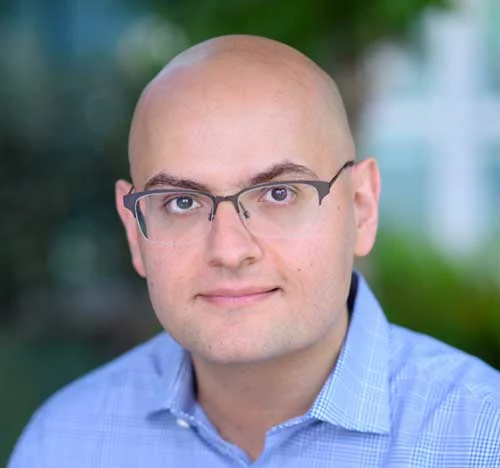
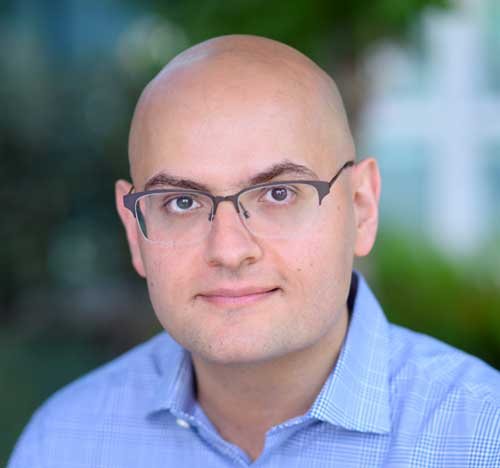
In a significant advancement for pediatric oncology, a research team led by Dr. Babak Moghimi at Children’s Hospital Los Angeles (CHLA) has announced the development of a next-generation CAR T-cell therapy designed to treat relapsed and refractory Acute Myeloid Leukemia (AML). This novel therapeutic approach addresses the long-standing challenges of toxicity and treatment resistance that have historically hindered the use of immunotherapy in AML patients. Supported by a strategic grant from CureSearch for Children’s Cancer, the project represents a pivotal shift toward precision-engineered "living drugs" that can distinguish between malignant cells and healthy tissue, potentially offering a lifeline to children for whom standard treatments have failed.
The Critical Challenge of Pediatric Acute Myeloid Leukemia
Acute Myeloid Leukemia is the second most common form of leukemia diagnosed in children, characterized by the rapid growth of abnormal white blood cells that accumulate in the bone marrow and interfere with the production of normal blood cells. While advancements in chemotherapy and hematopoietic stem cell transplantation have improved outcomes for many pediatric patients, the prognosis for those who experience a relapse remains alarmingly poor. For these high-risk individuals, the five-year survival rate drops significantly, highlighting a desperate need for innovative therapeutic interventions.
The success of Chimeric Antigen Receptor (CAR) T-cell therapy in treating Acute Lymphoblastic Leukemia (ALL)—the most common childhood cancer—initially sparked hope that similar results could be achieved for AML. In ALL treatments, CAR T-cells are engineered to target the CD19 antigen found on B-cells. However, translating this success to AML has proven exceptionally difficult. The primary obstacle lies in the identification of a suitable target antigen. In AML, most potential targets are also expressed on healthy hematopoietic stem cells and other vital tissues. When CAR T-cells are deployed against these shared targets, they often cause "on-target, off-tumor" toxicity, leading to the destruction of healthy cells and life-threatening complications for the patient.
Innovation in Precision: The Dual-Antigen Strategy
Dr. Moghimi’s research at CHLA focuses on overcoming this barrier through the development of "logic-gated" or dual-targeting CAR T-cells. Rather than seeking out a single marker, these next-generation cells are engineered to recognize a specific combination of two antigens. This approach functions much like a biological security system that requires two different keys to unlock a door. By requiring the presence of both antigens before the CAR T-cell initiates its killing mechanism, the therapy can more accurately identify leukemia cells while sparing healthy cells that may only express one of the two markers.
This increased precision is coupled with efforts to improve the "persistence" of the T-cells. One of the common reasons for relapse following immunotherapy is the exhaustion or disappearance of the engineered cells from the patient’s body before the cancer is fully eradicated. Dr. Moghimi’s team is working to ensure that these next-generation cells remain active and vigilant within the patient’s system for a longer duration, providing a sustained defense against the recurrence of the disease.
The Evolution of Immunotherapy: A Chronological Context
To understand the magnitude of Dr. Moghimi’s work, it is essential to view it within the broader timeline of cancer immunotherapy. The journey toward this breakthrough has spanned several decades of scientific inquiry:
- 1980s – 1990s: The foundational concepts of T-cell engineering were established, with researchers exploring how to redirect the immune system to recognize cancer.
- 2011: A turning point occurred when the first successful trials of CAR T-cell therapy for chronic lymphocytic leukemia were reported, demonstrating that engineered T-cells could achieve complete remission in some patients.
- 2017: The FDA approved the first CAR T-cell therapy, Kymriah, for pediatric and young adult patients with relapsed or refractory B-cell ALL. This milestone set the stage for exploring CAR T applications in other malignancies.
- 2018 – 2022: Researchers worldwide began intensive efforts to apply CAR T technology to AML. However, early trials were frequently halted or limited by severe bone marrow toxicity, underscoring the need for the more sophisticated targeting mechanisms currently being developed at CHLA.
- 2023 – 2024: Dr. Moghimi’s team at CHLA, with the support of CureSearch, transitioned into the advanced development phase of their dual-targeting strategy, aiming for clinical translation.
Supporting Data and the Scientific Landscape
The urgency of Dr. Moghimi’s research is underscored by current epidemiological data. According to the American Cancer Society and the National Cancer Institute, AML accounts for approximately 20% of childhood leukemias. While the overall survival rate for pediatric AML has risen to roughly 65% to 70% due to intensified chemotherapy regimens, the survival rate for those who do not respond to initial treatment or who relapse is often less than 30%.
Furthermore, the physiological toll of current treatments is immense. Children with AML often undergo high-dose chemotherapy followed by bone marrow transplants, which carry risks of graft-versus-host disease, organ damage, and secondary cancers later in life. The data suggests that a successful CAR T-cell therapy could not only improve survival rates but also reduce the long-term morbidity associated with traditional cytotoxic treatments.
The scientific community has closely monitored the "antigen landscape" of AML. Research indicates that while single markers like CD33 or CD123 are prevalent in AML, their presence on healthy myeloid progenitors makes them risky targets. Dr. Moghimi’s decision to utilize a combination therapy approach aligns with the emerging "synthetic biology" trend in oncology, where researchers use computational modeling to identify pairs of antigens that are uniquely co-expressed on tumor cells.
Institutional Support and Official Responses
The development of this therapy is a collaborative triumph involving CHLA’s Cancer and Blood Disease Institute and CureSearch for Children’s Cancer. CureSearch, a national non-profit, focuses on funding clinical trials and research that have a high probability of reaching patients quickly. Their investment in Dr. Moghimi’s work reflects a rigorous vetting process that identifies the most promising "next-generation" solutions in the field.
"Supported by this generous funding from CureSearch," Dr. Moghimi stated, "our project aims to develop an effective and safe next-generation CAR T strategy to treat children with AML by targeting a combination of two antigens, significantly increasing their accuracy and safety."
Representatives from CHLA have emphasized that the hospital is uniquely positioned to move this research from the laboratory to the bedside. As one of the largest pediatric hematology and oncology programs in the United States, CHLA possesses the infrastructure to conduct complex Phase I and Phase II clinical trials. The institutional goal is to create a seamless pipeline where laboratory breakthroughs can be rapidly integrated into clinical protocols for the benefit of their diverse patient population.
Broader Implications and Future Directions
The implications of Dr. Moghimi’s dual-targeting CAR T-cell therapy extend beyond the treatment of AML. If proven successful in clinical trials, this logic-gated approach could serve as a blueprint for treating other "difficult" cancers, including solid tumors that have traditionally been resistant to immunotherapy due to the lack of unique, tumor-specific antigens.
Furthermore, the focus on reducing toxicity represents a critical shift in pediatric medicine. In the past, the primary goal of cancer treatment was survival at any cost. Today, the focus is expanding to include "quality of survival." By developing therapies that are more selective, researchers are paving the way for a future where cancer treatment is less traumatic for the developing bodies of children.
The next steps for the CHLA team involve finalizing the pre-clinical validation of the dual-antigen CAR T-cells. This includes rigorous testing in laboratory models to ensure that the "AND gate" logic holds true—meaning the cells must remain inert when encountering healthy tissue but become highly aggressive when they detect the specific AML antigen signature. Following this, the team will seek FDA approval for an Investigational New Drug (IND) application, which is the final hurdle before human clinical trials can begin at Children’s Hospital Los Angeles.
As the field of cellular therapy continues to mature, the work of Dr. Moghimi and his colleagues stands as a testament to the power of precision medicine. By combining advanced genetic engineering with a deep understanding of leukemia biology, they are working to turn the tide against one of the most challenging diseases in pediatric oncology, offering renewed hope to families facing a relapsed AML diagnosis.
