
 By admin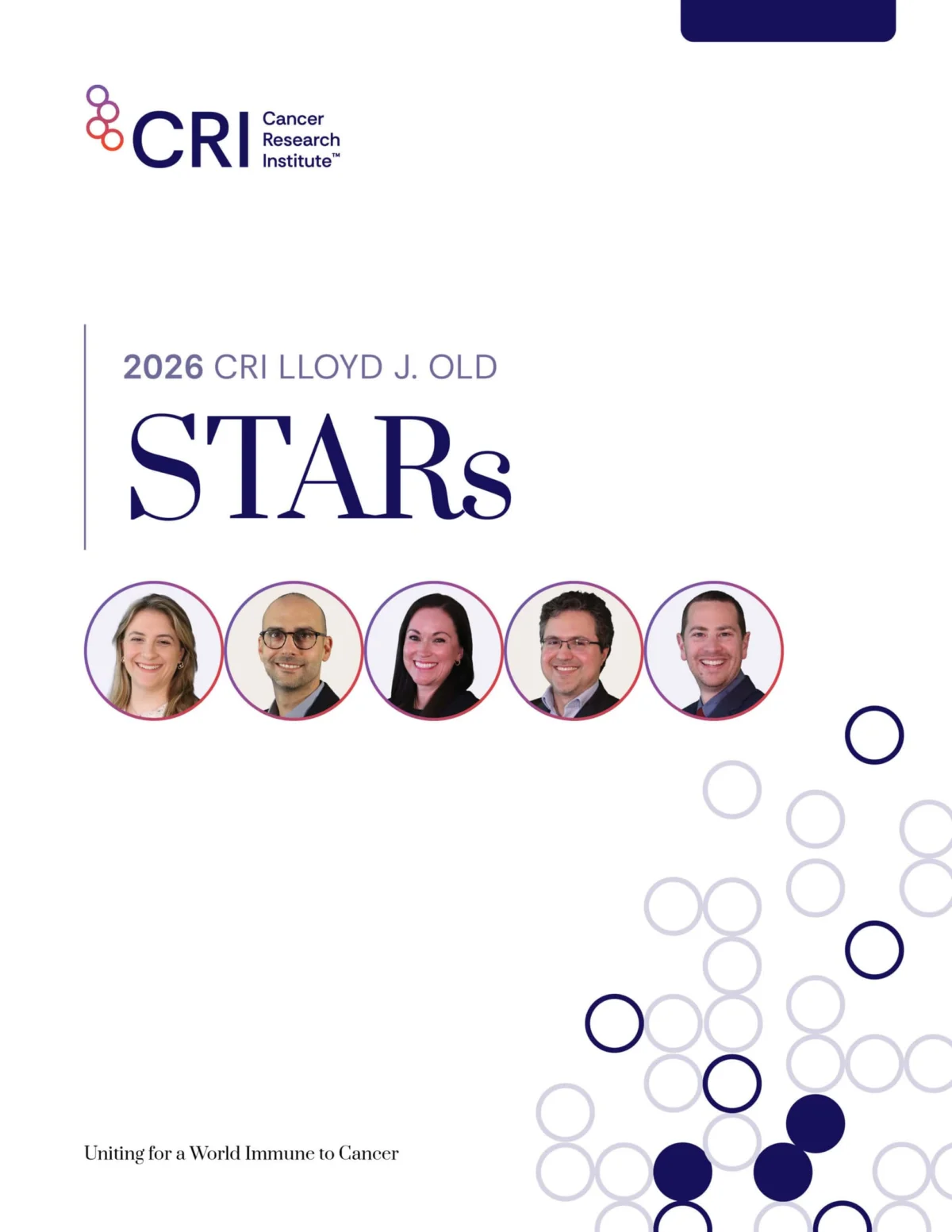
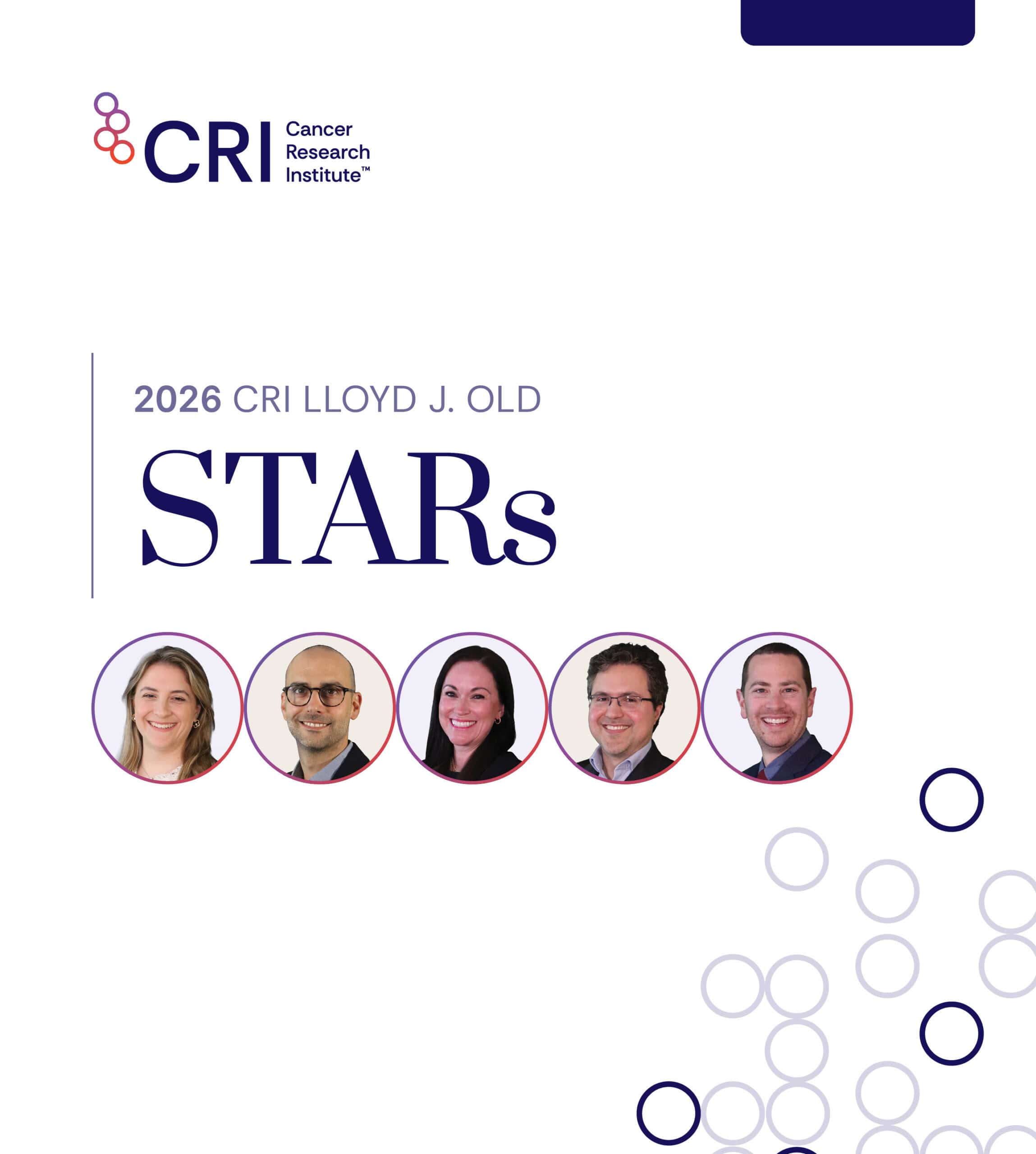
The Cancer Research Institute (CRI) has officially announced the five distinguished recipients of its 2026 Lloyd J. Old STARs (Scientists TAking Risks) program, marking a significant investment of $6.25 million designed to accelerate paradigm-shifting research in cancer immunotherapy. These five scientific leaders, identified for their exceptional potential and audacious research agendas, will each receive $1.25 million in flexible funding over a five-year period. This substantial, unrestricted support empowers them to pursue ambitious, unconventional projects that hold the promise of revolutionizing cancer care and profoundly impacting global public health.
The Lloyd J. Old STAR program stands as a testament to CRI’s enduring commitment to fostering groundbreaking scientific discovery. Unlike conventional grants often tied to specific research proposals, these awards are bestowed upon outstanding researchers based on the comprehensive quality and transformative potential of their overall work. This unique approach recognizes that true innovation often emerges from the freedom to explore uncharted scientific territories, even those deemed too speculative for traditional funding mechanisms. The program’s design is rooted in CRI’s decades-long track record of identifying and nurturing individuals who have gone on to make monumental contributions to the field of immunotherapy.
Dr. E. John Wherry, Associate Director of CRI’s Scientific Advisory Council, articulated the strategic intent behind the awards, stating, "These are people who are hitting their stride scientifically and career-wise, and this is where you really want to put some jet fuel in the tank." This sentiment underscores the program’s focus on supporting mid-career scientists at a crucial juncture, enabling them to expand their vision and pursue high-impact research without the constraints often imposed by more prescriptive funding models. Dr. Elizabeth Jaffee, also an Associate Director of the Council, echoed this perspective, emphasizing, "We’re picking people who are really our next leaders in the field of immunotherapy." This forward-looking approach is central to CRI’s mission, aiming to cultivate the next generation of scientific pioneers who will shape the future of cancer treatment.
The Genesis of a Revolution: CRI and the Legacy of Lloyd J. Old
The Cancer Research Institute, founded in 1953, has been a steadfast advocate for the potential of the immune system to combat cancer, long before immunotherapy gained mainstream recognition. For decades, CRI invested in foundational immunological research when much of the scientific community focused predominantly on chemotherapy and radiation. This unwavering belief laid the groundwork for the transformative breakthroughs witnessed in recent years.
Central to this legacy is Dr. Lloyd J. Old, a pioneering immunologist often referred to as the "Father of Modern Tumor Immunology." Dr. Old, who served as CRI’s Scientific Director for over four decades until his passing in 2011, made seminal discoveries that fundamentally reshaped our understanding of the immune system’s interaction with cancer. His groundbreaking work identified tumor antigens, elucidated the concept of immune surveillance, and pioneered the development of therapeutic cancer vaccines. He was instrumental in establishing the conceptual framework for many of the immunotherapies now saving lives worldwide. The Lloyd J. Old STAR program was established to honor his visionary spirit and to perpetuate his legacy of bold, unconventional scientific inquiry. It seeks to identify and empower scientists who embody Dr. Old’s fearlessness in challenging established dogmas and pursuing high-risk, high-reward avenues of research.
The Power of Unrestricted Funding: Fostering True Innovation
The provision of flexible, unrestricted funding is a hallmark of the Lloyd J. Old STAR program and a critical differentiator in the competitive landscape of scientific research. In an environment where traditional grant applications often necessitate preliminary data and clearly defined objectives, truly novel, paradigm-shifting ideas can struggle to secure support. Such groundbreaking concepts, by their very nature, often lack prior evidence and carry a higher perceived risk.
CRI’s model bypasses these conventional hurdles by investing directly in exceptional individuals rather than solely in specific projects. This trust-based approach allows STARs to pivot their research as new data emerges, explore unexpected findings, and pursue innovative directions that might not have been foreseeable at the outset. This agility is vital in rapidly evolving fields like immunotherapy, where breakthroughs often come from unexpected avenues. The $1.25 million over five years provides not just financial stability but also the intellectual freedom necessary for profound discovery, enabling scientists to dedicate themselves fully to their most ambitious ideas. This kind of "jet fuel" accelerates research by minimizing time spent on grant writing and maximizing time at the bench or in clinical translation.
Immunotherapy’s Transformative Impact and Future Frontiers
Cancer immunotherapy has emerged as a fourth pillar of cancer treatment, alongside surgery, chemotherapy, and radiation, fundamentally altering the prognosis for many patients with previously intractable cancers. The approval of checkpoint inhibitors, such as PD-1 and CTLA-4 blockers, has led to durable responses and even cures in subsets of patients with melanoma, lung cancer, kidney cancer, and various other malignancies. Similarly, adoptive cell therapies, particularly CAR T-cell therapy, have revolutionized the treatment of certain blood cancers, offering hope where little existed before.
Despite these monumental successes, immunotherapy still faces significant challenges. Many patients do not respond to current treatments, and others develop resistance. Furthermore, the efficacy of immunotherapy varies widely across different cancer types. The next wave of breakthroughs will likely come from understanding these mechanisms of resistance, identifying novel immune targets, developing combination therapies, and extending the benefits of immunotherapy to a broader range of cancers, including those traditionally considered "cold" or immune-resistant. This is precisely the frontier where the Lloyd J. Old STARs are expected to make their mark. Their research will likely delve into areas such as:
- Overcoming Resistance Mechanisms: Investigating why some tumors evade immune attack or develop resistance to current immunotherapies.
- Targeting "Cold" Tumors: Developing strategies to make tumors that are not currently recognized by the immune system more susceptible to immunotherapy.
- Novel Immune Checkpoints and Pathways: Identifying and exploiting new regulatory pathways in the immune system to enhance anti-tumor responses.
- Advanced Cell Therapies: Innovating next-generation CAR T-cells, NK cell therapies, or other engineered immune cells with improved specificity, persistence, and safety profiles.
- Personalized Immunotherapy: Tailoring treatments based on an individual patient’s tumor characteristics and immune landscape.
- The Tumor Microenvironment: Deciphering the complex interactions within the tumor microenvironment that suppress immune responses and developing ways to reprogram it.
The global burden of cancer remains immense. According to the World Health Organization, cancer is a leading cause of death worldwide, accounting for nearly 10 million deaths in 2020. The economic impact is equally staggering, with healthcare costs, lost productivity, and premature mortality contributing to trillions of dollars in annual losses globally. Advancements in immunotherapy offer not only the promise of extended life and improved quality of life for patients but also a significant reduction in the societal and economic toll of cancer. By investing in high-risk research, CRI is directly contributing to this global health imperative.
Statements from the Scientific Advisory Council
The selection process for the Lloyd J. Old STARs is rigorous, involving a meticulous review by CRI’s Scientific Advisory Council, a distinguished body composed of leading immunologists and cancer researchers. The council’s role is to identify individuals with not only outstanding scientific credentials but also the intellectual courage and vision to challenge established norms.
Dr. Wherry elaborated on the qualities sought in STARs, "We’re looking for individuals who have demonstrated a track record of innovative thinking, a willingness to take calculated risks, and a clear vision for how their work can fundamentally alter the landscape of cancer treatment. This isn’t about incremental progress; it’s about fostering breakthroughs." He highlighted the importance of supporting scientists at a stage where they are intellectually mature but still possess the boundless energy and ambition to pursue truly transformative projects.
Dr. Jaffee added, "The ‘TAking Risks’ part of STAR is crucial. The biggest leaps in science rarely come from safe, predictable paths. We are actively seeking out those who are unafraid to explore hypotheses that might seem unconventional today but could become the standard of care tomorrow." She emphasized that the program is designed to provide a secure environment for bold exploration, allowing these future leaders to concentrate on their science without the constant pressure of short-term funding cycles or the need to produce immediate, low-risk results. This strategic approach ensures that resources are directed towards areas with the highest potential for long-term impact, even if the path to discovery is complex and uncertain.
Broader Implications and the Future of Cancer Research Funding
The announcement of the 2026 Lloyd J. Old STARs class underscores several critical implications for the broader scientific community and the future of cancer research:
- Validation of High-Risk Research: CRI’s continued success with the STAR program validates the importance of funding high-risk, high-reward science. It serves as a model for other philanthropic organizations and even governmental funding bodies to consider more flexible, investigator-driven grant mechanisms.
- Attracting Top Talent: The prestige and significant, unrestricted funding associated with the STAR award will continue to attract and retain some of the brightest minds in immunology and oncology, preventing brain drain from academic research.
- Accelerating Translation: While the funding supports basic and translational research, the ultimate goal is to accelerate the translation of scientific discoveries into new therapies for patients. The program’s focus on innovative approaches increases the likelihood of developing truly novel treatment modalities.
- Philanthropy’s Indispensable Role: In an era of constrained public research budgets, philanthropic organizations like CRI play an increasingly indispensable role in funding cutting-edge research that might otherwise go unfunded. They act as critical engines for innovation, filling gaps left by traditional funding sources.
- A Global Ripple Effect: The breakthroughs fostered by STARs often have a global impact, leading to improved cancer care worldwide. The insights generated from their research contribute to the collective knowledge base, benefiting countless other scientists and clinicians.
As the scientific community looks towards 2026 and beyond, the investments made today in programs like the Lloyd J. Old STARs are foundational to achieving a future where cancer is no longer a death sentence but a manageable, and perhaps even preventable, disease. The five newly appointed STARs are now poised to embark on a journey of discovery, armed with the resources and freedom to push the boundaries of immunotherapy and reimagine what is possible in the relentless fight against cancer. Their fearless ideas and pioneering spirit represent the brightest hope for millions of patients awaiting the next generation of life-saving treatments.
