
 By admin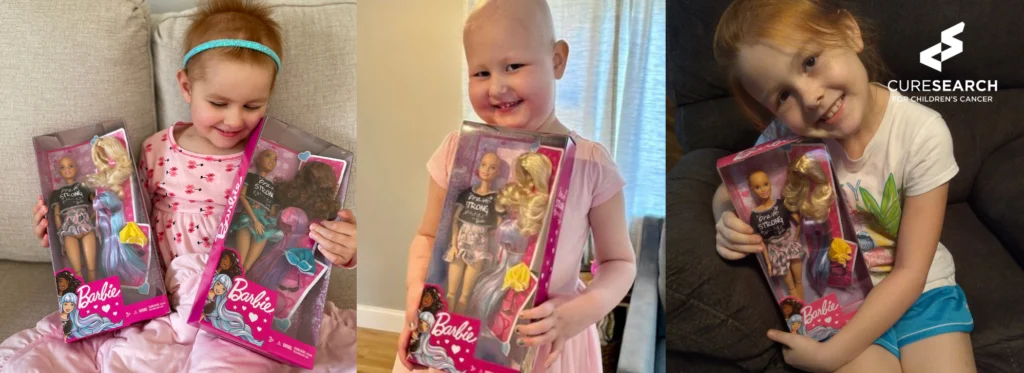
The milestone anniversary marks ten years since the inception of a unique collaboration between CureSearch for Children’s Cancer, a leading national nonprofit, and Mattel, the global toy giant. This partnership was founded on a shared mission: to provide comfort, representation, and a sense of normalcy to children undergoing intensive medical treatments that often result in hair loss. Since its launch, the "Brave Barbie" initiative has distributed more than 100,000 dolls to pediatric patients across the United States, serving as a tangible symbol of strength for those navigating the most challenging periods of their young lives.
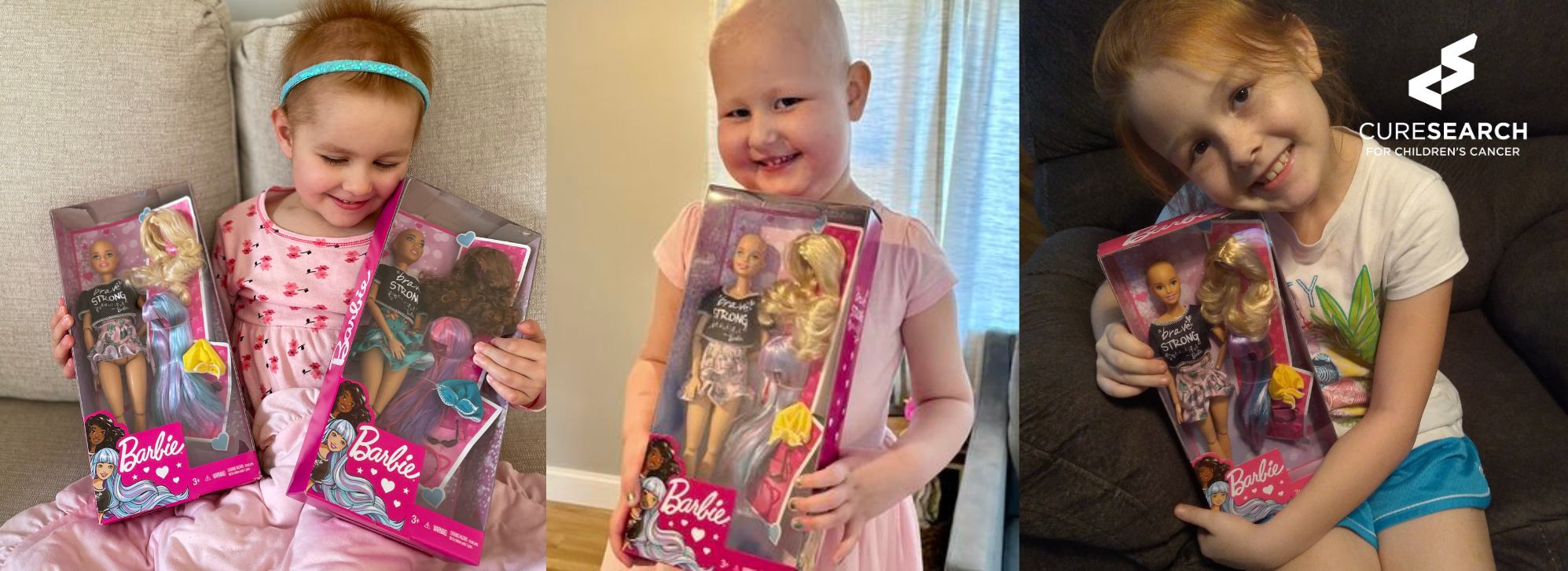
The Brave Barbie doll is distinct from traditional models in its design, featuring a beautiful, bald head to mirror the appearance of children undergoing chemotherapy or radiation. By providing a toy that looks like them, the program aims to alleviate the stigma and emotional distress associated with hair loss, a side effect that can be particularly traumatizing for children. As the program enters its second decade, organizers are reflecting on its profound impact and the ongoing need for both emotional support and life-saving medical research in the field of pediatric oncology.
The Genesis and Evolution of the Brave Barbie Partnership
The partnership between CureSearch and Mattel began in 2013, born from a growing awareness of the psychological needs of pediatric cancer patients. While medical treatment focuses on the physical eradication of the disease, the emotional toll of a cancer diagnosis—including the loss of hair, which is often a child’s first visible sign of illness—requires a different kind of intervention. Mattel, through its Barbie brand, recognized an opportunity to leverage its global influence to promote inclusivity and self-acceptance.
Initially, Brave Barbie was produced in limited quantities and distributed through select hospital networks. However, the overwhelming response from families and healthcare providers prompted an expansion of the program. Over the last ten years, the initiative has evolved into a nationwide operation. Today, Brave Barbies are donated to more than 200 hospitals across the country. Additionally, the program allows families to request a doll directly through the CureSearch website, ensuring that even those receiving treatment in smaller or rural facilities have access to this resource.
The collaboration represents a significant pillar of Mattel’s Corporate Social Responsibility (CSR) efforts. Nancy Molenda, Executive Director of the Mattel Children’s Foundation and Corporate Philanthropy, emphasized the doll’s role in the healing process. According to Molenda, the goal of Brave Barbie is to ensure that children see themselves reflected in the world around them, providing a sense of companionship that reminds them they are not alone in their journey.
The Psychological Impact of Representation in Play Therapy
For children, play is more than just entertainment; it is a vital developmental tool and a primary way they process the world. In the context of a hospital stay, play therapy becomes an essential component of care. Psychologists and child life specialists have long noted that toys can serve as "transitional objects," providing security during times of stress.
The introduction of Brave Barbie into the pediatric oncology setting has provided a powerful tool for these specialists. When a child sees a doll that shares their physical appearance, it can validate their experience and help them communicate feelings that they might not yet have the vocabulary to express. This representation is crucial for maintaining a child’s self-esteem.
Krystle Kincade-Crean, whose daughter Chloe was diagnosed with leukemia in 2022, shared the impact the doll had on her family. When Chloe received her Brave Barbie in the mail, it provided an immediate moment of joy and recognition. Kincade-Crean noted that the doll helped Chloe understand that "bald is beautiful" and that her hair did not define her identity. This sentiment is echoed by thousands of parents who have seen their children find a "friend" in Brave Barbie who shares their battle.
The Harsh Realities of Pediatric Cancer and the Need for Research
While Brave Barbie addresses the emotional needs of patients, CureSearch remains focused on the underlying medical crisis. Pediatric cancer is not a single disease but a collection of various types of cancers that affect children and adolescents. Despite advancements in modern medicine, cancer remains the leading cause of death by disease for children in the United States.
One of the most significant challenges in pediatric oncology is the "toxicity" of current treatments. Because many treatments used for children were originally developed for adults, they can be incredibly harsh on developing bodies. Kay Koehler, President and CEO of CureSearch, highlighted the devastating long-term consequences that many survivors face.
"When children go through cancer treatments, the toxicity from their treatment causes lifelong side effects," Koehler stated. These side effects, often referred to as "late effects," can include permanent hearing loss, blindness, cognitive impairments, and damage to vital organs such as the heart and lungs. Furthermore, survivors of childhood cancer are at a significantly higher risk of developing secondary cancers later in life. Koehler pointed out that these issues often manifest just as young adults are reaching major milestones, such as graduating from high school or starting their careers.
This reality underscores the importance of CureSearch’s mission to fund translational research. Unlike basic research, which focuses on general scientific understanding, translational research is specifically designed to move discoveries from the laboratory into clinical trials as quickly as possible. CureSearch’s unique funding model prioritizes projects with the highest potential to become safe, effective treatments that minimize the toxic side effects currently associated with pediatric care.
Data and Reach: A Decade by the Numbers
The scale of the Brave Barbie initiative is a testament to the logistical coordination between Mattel and CureSearch. The following data highlights the program’s reach over the last decade:
- Total Dolls Donated: Over 100,000 Brave Barbies have been distributed to children since the program’s inception.
- Hospital Network: More than 200 hospitals and pediatric treatment centers across the U.S. receive regular shipments of the dolls.
- Direct-to-Family Requests: Thousands of dolls are sent annually to individual homes free of charge, ensuring accessibility regardless of a family’s financial situation.
- Research Funding: Since its founding over 35 years ago, CureSearch has been a primary driver in pediatric cancer research, focusing on the "unmet need" where traditional pharmaceutical funding often falls short.
The success of the program is also measured in its influence on the broader toy industry. Brave Barbie was an early example of the move toward more inclusive doll lines. Following its success, Mattel expanded its "Barbie Fashionistas" line to include dolls with vitiligo, prosthetic limbs, and wheelchairs, further cementing the brand’s commitment to reflecting the diversity of the real world.
Institutional Support and the Path Forward
The continued success of Brave Barbie relies on a robust network of healthcare professionals, donors, and advocates. Hospital staff, particularly child life specialists, are often the ones who place a Brave Barbie into the hands of a child for the first time. These professionals report that the doll often serves as a "conversation starter," allowing them to explain the medical procedures a child will undergo in a way that is less frightening.
Looking ahead, both CureSearch and Mattel are committed to sustaining the program for as long as the need exists. The ultimate goal, however, remains the eradication of the disease itself. CureSearch continues to advocate for increased federal and private funding for pediatric-specific research. Because childhood cancers are relatively rare compared to adult cancers, they often receive a disproportionately small amount of research funding, a gap that CureSearch works tirelessly to fill.
The 10th anniversary of Brave Barbie is a celebration of resilience—both the resilience of the children fighting cancer and the resilience of the partnership dedicated to supporting them. It serves as a reminder that while the road to a cure is long, the importance of compassion, representation, and hope cannot be overstated.
Broader Implications and Societal Impact
The Brave Barbie initiative sits at the intersection of corporate philanthropy and public health. It demonstrates how a global brand can use its intellectual property to address specific social and emotional needs. Beyond the individual impact on patients, the program has helped shift the public narrative around childhood cancer. By celebrating the "bravery" of these children and emphasizing that "bald is beautiful," the initiative challenges the traditional "victim" narrative, instead empowering young patients.
The program also highlights the critical role of nonprofits like CureSearch in bridging the gap between medical needs and patient support. By partnering with a corporation like Mattel, CureSearch is able to extend its reach far beyond the laboratory, providing immediate comfort to families while simultaneously working on long-term medical solutions.
As the medical community continues to strive for "precision medicine"—treatments tailored to the individual genetic makeup of a patient’s cancer—the hope is that the next decade will bring therapies that are not only more effective but also significantly less toxic. Until that day comes, Brave Barbie will continue to stand as a steadfast friend to thousands of children, proving that even in the face of a daunting diagnosis, they are seen, they are represented, and they are never alone.
For families currently navigating a childhood cancer diagnosis, Brave Barbies remain available at no cost. Requests can be made through the CureSearch website, ensuring that the next generation of "brave" fighters has a companion to hold onto during their journey toward recovery.
