
 By Budi Oetomo Narendra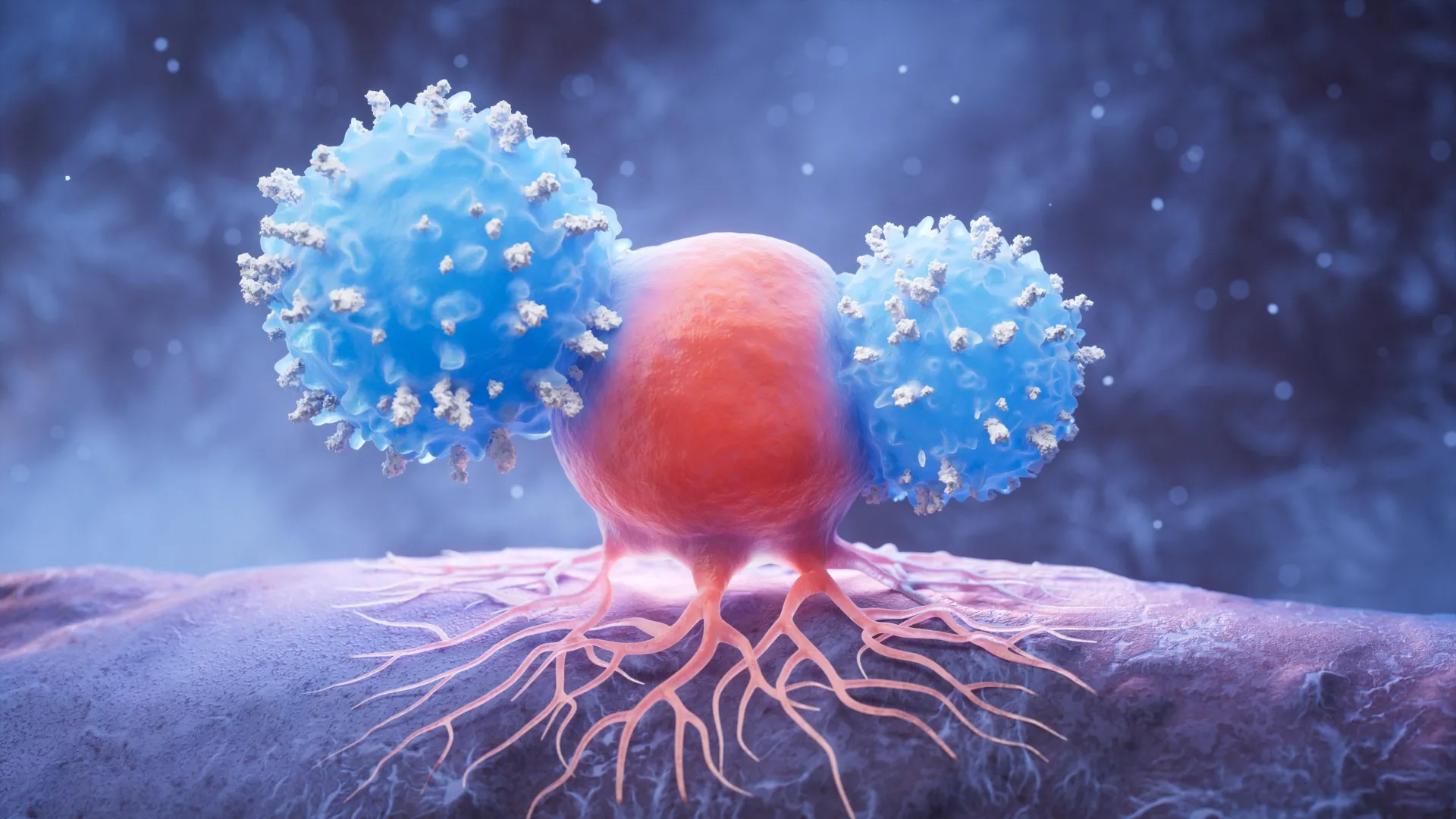
For months, Edward (Ed) Waldner knew something wasn’t right. At 55 years old, he felt constantly drained, an oppressive fatigue that defied explanation, regardless of his daily activity levels. He initially pondered whether sleep apnea, a common disruptor of restful sleep, might be the culprit behind his persistent exhaustion. Beyond the profound weariness, Waldner also began to notice subtle, disconcerting alterations in his gait, particularly moments when his heels seemed to drag, an involuntary resistance to lifting his feet fully. These seemingly disparate symptoms, while concerning, offered no clear path to understanding their root cause.
The turning point arrived when his symptoms escalated dramatically, reaching a severity that prompted an urgent visit to the Emergency Department. It was there, amidst the stark clinical environment, that Waldner received news that would irrevocably alter the course of his life: "The doctor said I had a mass on my brain and needed to see an oncologist," Waldner recounts, the memory of that moment undoubtedly etched into his consciousness. The subsequent diagnosis confirmed the worst fears: glioblastoma, an aggressive and notoriously deadly form of brain cancer, which carries one of the most grim prognoses in oncology.
Glioblastoma: A Formidable Foe in Oncology
Glioblastoma multiforme (GBM) represents the most common and aggressive primary malignant brain tumor in adults, characterized by its rapid growth, highly invasive nature, and devastating impact on neurological function. Despite decades of intensive research and advancements in medical science, the median survival for patients diagnosed with glioblastoma remains tragically short, typically ranging from 12 to 18 months, even with the most aggressive standard treatments. This stark reality underscores the urgent and ongoing need for innovative therapeutic strategies.
The standard treatment protocol for glioblastoma is a multi-modal approach, meticulously designed to combat the tumor on several fronts. It typically commences with maximal safe surgical resection, aiming to remove as much of the tumor as possible without compromising vital brain function. However, due to the infiltrative nature of glioblastoma cells, which often extend microscopic tendrils into surrounding healthy brain tissue, complete surgical removal is rarely achievable. Following surgery, patients typically undergo concurrent radiation therapy and chemotherapy, with temozolomide (TMZ) being the most commonly used agent. TMZ is an oral alkylating agent designed to damage cancer cell DNA, thereby inhibiting their growth and proliferation. While this aggressive combination can temporarily halt tumor progression, the cancer frequently recurs, often in a more resistant form, highlighting the significant limitations of current therapies and the formidable challenges posed by this disease.
Historically, the landscape of glioblastoma treatment has seen only incremental improvements over the past two decades. The blood-brain barrier, a highly selective semipermeable membrane that protects the brain from circulating toxins, also poses a significant hurdle for drug delivery, limiting the efficacy of many systemic therapies. Furthermore, glioblastoma tumors are adept at creating an immunosuppressive microenvironment, effectively disarming the body’s natural defenses and allowing cancer cells to evade immune surveillance. This complex interplay of tumor biology, therapeutic resistance, and anatomical barriers contributes to the persistently poor outcomes associated with glioblastoma.
Edward Waldner’s Odyssey: From Lingering Fatigue to Clinical Trial Participant
Edward Waldner’s personal journey into the realm of glioblastoma research began subtly, with symptoms that were easy to dismiss or attribute to other, less sinister causes. His constant, debilitating fatigue, a pervasive exhaustion that no amount of rest seemed to alleviate, was the first red flag. For a man of 55, active and engaged, this profound lack of energy was deeply concerning. His initial self-diagnosis of sleep apnea, a common condition, speaks to the insidious nature of early glioblastoma symptoms, which often mimic more benign ailments. The subtle changes in his gait, the dragging of his heels, added another layer of ambiguity, a gradual neurological decline that was difficult to pinpoint.
The abrupt escalation of these symptoms, compelling him to seek emergency medical attention, marked the true beginning of his battle. The devastating news of a brain mass, quickly followed by the glioblastoma diagnosis, thrust him into a whirlwind of medical consultations and aggressive treatment. He underwent the standard regimen: surgery to debulk the tumor, followed by a rigorous course of radiation and chemotherapy. While these interventions are critical, the inherent limitations of current glioblastoma therapies left Waldner, like many patients, with a profound sense of despair. "When I left the hospital after surgery I was told, that’s it, that’s all we can do," he recalls, articulating the crushing finality often conveyed to patients facing this incurable disease.
It was against this backdrop of limited options and a stark prognosis that Waldner was presented with an invitation to participate in a pioneering clinical trial at the University of Calgary. The trial proposed to investigate whether high doses of vitamin B3, also known as niacin, could serve as an adjuvant therapy, enhancing the effectiveness of conventional glioblastoma treatment. For Waldner, this opportunity was not just about his own survival; it resonated with a deeper desire to contribute. "I have no problem trying to help anybody. I agreed. I want to help myself too," he states, embodying a spirit of altruism intertwined with a fight for his own life. He further emphasizes the profound psychological benefit of participation: "I can tell you being part of this research helps me mentally because we’re trying." In a landscape where hope often wanes, the act of actively engaging in the search for new solutions provided a vital source of mental fortitude.
Reawakening the Immune System: The Niacin Hypothesis
The innovative research program investigating niacin’s potential in glioblastoma is spearheaded by a multidisciplinary team at the University of Calgary, specifically within the Hotchkiss Brain Institute and the Arnie Charbonneau Cancer Institute. At the helm are Drs. Gloria Roldan Urgoiti, MD, a distinguished brain cancer specialist with extensive clinical experience, and Wee Yong, PhD, a renowned neuroscientist whose expertise lies in the intricate ways the immune system interacts with the brain. Their collaborative approach, merging clinical insights with fundamental immunological research, has been crucial to this endeavor.
The core hypothesis underpinning their research posits that glioblastoma tumors, in their cunning ability to survive and proliferate, actively suppress the host’s immune system. This suppression creates an environment where immune cells, which would normally recognize and destroy cancerous cells, become weakened and ineffective. The researchers theorize that high doses of niacin could act as an immunomodulator, capable of "rejuvenating" these compromised immune cells, thereby restoring their innate ability to mount an effective anti-tumor response.
Dr. Yong, a professor at the Cumming School of Medicine (CSM), elaborates on this concept: "Normally the immune system will try to counter and prevent tumor growth, however, this brain cancer suppresses the immune system. Niacin treatment rejuvenates immune cells so they can do what they are supposed to do, attack and kill the cancer cells. I see it as an ongoing ‘battle for the brain’." This vivid description highlights the dynamic and complex struggle occurring at a cellular level, where niacin is envisioned as a vital ally in empowering the body’s natural defenses.
The journey from hypothesis to human trial began in Dr. Yong’s laboratory, where initial experiments were conducted using sophisticated mouse models of glioblastoma. These preclinical studies provided the critical proof-of-concept, demonstrating that niacin administration extended survival in the animal subjects. Such promising results are essential milestones in translational research, providing the scientific basis and confidence needed to progress to human clinical trials. The success in the laboratory paved the way for the team to launch a Phase I and II clinical trial, an essential step in evaluating the safety and preliminary efficacy of this novel approach in people.
Designing a Pioneering Clinical Trial
The clinical trial, meticulously designed to adhere to stringent scientific and ethical standards, serves multiple critical objectives. As a Phase I and II study, its primary aims include identifying the highest safe and tolerable dose of controlled-release niacin when administered in conjunction with standard chemotherapy and radiotherapy for glioblastoma patients. Furthermore, it seeks to evaluate the potential benefits and preliminary efficacy of this combined therapeutic strategy. The use of a "controlled-release" formulation of niacin is particularly noteworthy. Niacin, in high doses, can cause a range of side effects, most notably a flushing reaction characterized by redness, warmth, itching, and tingling of the skin. A controlled-release formulation aims to mitigate these acute side effects by slowly releasing the active compound into the bloodstream, thereby improving patient tolerability and adherence to the treatment regimen.
To ensure scientific rigor and provide a clear metric for success, the researchers established a definitive benchmark before the trial commenced. They stipulated that if the progression-free survival (PFS) rate at six months did not improve by at least 20 percent compared with outcomes observed in previous, comparable studies of standard glioblastoma treatment, the trial would be halted. This pre-defined stopping rule reflects a commitment to efficient research and patient safety, ensuring that resources are directed towards genuinely promising avenues. Progression-free survival, a critical endpoint in oncology trials, measures the length of time during and after treatment that a patient lives with the disease without it getting worse.
Early Findings Exceed Expectations
The preliminary results from the initial cohort of 24 patients enrolled in the trial have been remarkably encouraging, significantly exceeding the ambitious benchmark set by the researchers. At the six-month mark, a crucial period for assessing early treatment efficacy in glioblastoma, an impressive 82 percent of participants showed no signs of disease progression. This outcome represents a substantial 28 percent improvement in progression-free survival compared to historical data from earlier studies employing only standard glioblastoma treatments. For a cancer with such a bleak prognosis, where even marginal gains are celebrated, these early findings offer a profound glimmer of hope.
The findings, having undergone rigorous peer review, have been published in the esteemed Journal of Neuro-Oncology, lending further scientific credibility to the study. This publication in a high-impact academic journal signifies the importance and robustness of the preliminary data, allowing the wider scientific and medical communities to scrutinize and build upon this research. While the researchers rightly emphasize that these are early results and more extensive studies are needed, they believe the current data are highly encouraging for a cancer that, to date, remains incurable and desperately in need of therapeutic breakthroughs.
Expert Perspectives and Cautious Optimism
Dr. Gloria Roldan Urgoiti, a clinical associate professor at the CSM and a leading expert in brain cancer, underscores the gravity of the disease and the significance of any potential advancement. "Glioblastoma is the most aggressive brain cancer in adults. Survival of patients with this condition hasn’t changed significantly for 20-years," she states, highlighting the critical need for novel approaches. "Anything that may help should be explored but it requires strict protocols and safety monitoring." Her statement reflects a balanced perspective: a recognition of the desperate need for new treatments coupled with an unwavering commitment to the rigorous scientific methodology and patient safety that must govern all clinical research, especially when dealing with potentially potent compounds like high-dose vitamins.
The medical community, while inherently cautious regarding early-phase trial results, is likely to view these findings with considerable interest. The substantial improvement in progression-free survival, even in a small cohort, provides a compelling signal that warrants further investigation. Patient advocacy groups, consistently lobbying for accelerated research into glioblastoma, would also likely welcome these initial outcomes as a tangible sign of progress and renewed hope for patients and their families. The prospect of using a readily available and relatively inexpensive compound like niacin, if proven safe and effective, could have significant implications for global cancer care.
The Road Ahead: Expanding the Study and Future Implications
The current trial is far from over. The research team is actively continuing its work, aiming to complete its final analysis after enrolling a larger cohort of 48 participants. This expanded enrollment is projected to be achieved by the end of 2026 or early 2027, allowing for a more comprehensive statistical evaluation of the treatment’s efficacy and safety profile across a broader patient population. Such expansion is critical for validating the initial promising findings and moving closer to potentially establishing niacin as a viable adjunctive therapy.
The implications of this research, if further validated, could be profound. It offers a potential new pathway to enhance the effectiveness of existing glioblastoma treatments by leveraging the body’s own immune system, a strategy that has revolutionized the treatment of several other cancers in recent years. This study also highlights the importance of exploring non-conventional avenues and repurposing existing compounds, a cost-effective and often faster route to drug development.
However, the researchers are also keen to issue a crucial public health warning. They emphasize that high doses of vitamins, including niacin, are not benign substances. If not carefully monitored and administered by medical professionals within a controlled clinical setting, such doses can be toxic and may cause significant harm. This caution is vital to prevent self-medication attempts, which could lead to adverse health outcomes and undermine the scientific integrity of their ongoing research. The message is clear: while promising, this treatment is under strict medical supervision for a reason.
The continued progress of this vital research is made possible through the generous support of key funding bodies. The Canadian Institutes of Health Research, a primary federal agency for health research in Canada, and the Alberta Cancer Foundation, dedicated to supporting cancer research and care within the province, have both provided essential financial backing. Their investment underscores the national and regional commitment to combating glioblastoma and improving patient outcomes.
A Patient’s Resilience: Waldner’s Journey Continues
As for Edward Waldner, his personal battle against glioblastoma continues, but with a renewed sense of purpose and optimism fueled by his participation in the trial. He reports feeling "very well these days," a testament not only to the potential impact of the treatment but also to his own remarkable resilience. During his regular follow-up scans, moments of intense anxiety for any cancer patient, he now finds profound gratitude in hearing a single, reassuring word from his medical team: "stable." This simple declaration signifies a critical victory in the ongoing "battle for the brain," a testament to the power of scientific innovation, dedicated researchers, and the unwavering courage of patients like Edward Waldner. The journey is long, but for the first time in a long time, there is a tangible glimmer of hope on the horizon for those facing glioblastoma.
