
 By admin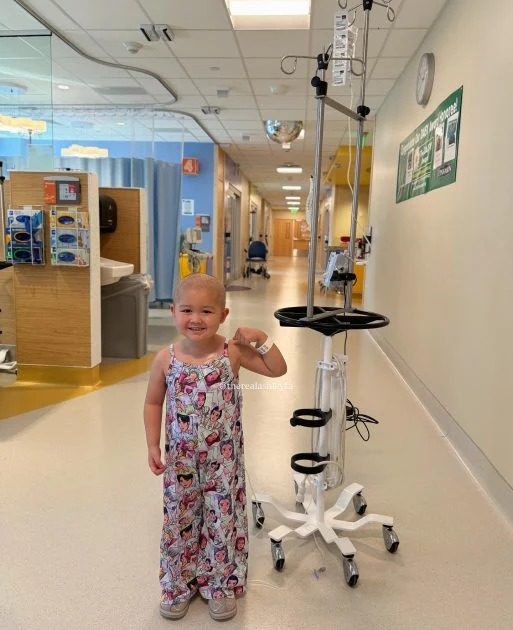
The selection of four-year-old Rylee Ta as a 2026 Ambassador for the American Childhood Cancer Organization (ACCO) highlights a narrative that is becoming increasingly central to pediatric medicine: the critical intersection of parental intuition and clinical diagnostics. Rylee, a patient currently undergoing treatment for Acute Lymphoblastic Leukemia (ALL), represents both the resilience of pediatric oncology patients and the harrowing challenges faced by families navigating a healthcare system that may initially overlook the early, non-specific symptoms of life-threatening malignancies. Her journey from a series of inconclusive medical visits to a diagnosis of leukemia, and eventually to a state of remission, provides a profound case study in the necessity of medical advocacy and the efficacy of modern immunotherapy.
The Challenge of Early Diagnosis and the Necessity of Advocacy
The diagnostic trajectory for Rylee Ta began not with a definitive clinical finding, but with a mother’s persistent concern. Ashley Ta, Rylee’s mother, reported a series of symptoms that, while individually common in childhood illnesses, collectively suggested a more systemic issue. These symptoms included persistent fevers, chills, body aches, a swollen eye, lymphadenopathy (swollen lymph nodes), unexplained bruising, and joint pain. Despite multiple visits to Urgent Care and Emergency Room facilities, the family was initially met with reassurances that the condition was minor, with potential diagnoses ranging from seasonal allergies to common viral infections.
This phenomenon, often referred to in patient advocacy circles as "medical gaslighting" or clinical dismissal, is a significant hurdle in pediatric oncology. Because childhood cancer is statistically rare compared to common infections, clinicians are often trained to look for the most likely cause first. However, for Rylee, the delay in testing meant the disease continued to progress until a blood test was finally performed on August 6. The results were immediate and devastating: Rylee was diagnosed with leukemia.
The timing of the diagnosis added a layer of logistical and emotional complexity. Rylee’s father, Jacob, was deployed overseas with the military at the time, leaving Ashley to receive the news and manage the immediate crisis alone. Within hours of the diagnosis, Rylee was transported via ambulance to a specialized pediatric facility in Denver, Colorado, to begin aggressive intervention.
Clinical Overview: Understanding Acute Lymphoblastic Leukemia
Acute Lymphoblastic Leukemia (ALL) is the most common form of childhood cancer, accounting for approximately 25% of all cancer diagnoses in children under the age of 15. It is a type of cancer that affects the white blood cells, specifically the lymphocytes, which are essential for the body’s immune system. In a patient with ALL, the bone marrow produces an overabundance of immature white blood cells, known as lymphoblasts, which crowd out healthy red blood cells, white blood cells, and platelets.
The symptoms Rylee exhibited—bruising, joint pain, and persistent fever—are hallmark signs of bone marrow failure and systemic inflammation caused by the proliferation of these malignant cells. According to data from the National Cancer Institute (NCI), the five-year survival rate for children with ALL has improved significantly over the last several decades, now exceeding 90%. However, the intensity of the treatment required to achieve and maintain these survival rates remains a significant burden on the pediatric patient’s body.
The Initial Treatment Phase and Clinical Interventions
Upon her arrival in Denver, Rylee underwent a series of invasive procedures designed to stabilize her condition and begin the eradication of the leukemic cells. Within the first week of her hospitalization, medical teams performed several key interventions:
- Port-a-Cath Placement: A permanent port was surgically implanted to allow for the frequent administration of chemotherapy, fluids, and blood products, as well as the drawing of blood for testing, without the need for repeated needle sticks.
- Bone Marrow Biopsy: This procedure was essential to determine the exact subtype of leukemia and the percentage of blast cells present in the marrow, which guides the risk stratification and treatment protocol.
- Lumbar Puncture with Intrathecal Chemotherapy: Because leukemia cells can hide in the central nervous system (CNS), chemotherapy was injected directly into the spinal fluid to prevent or treat CNS involvement.
- Transfusions: Rylee required three blood transfusions and two platelet transfusions to address the severe anemia and thrombocytopenia caused by the cancer.
- Induction Chemotherapy: She began her first intensive chemotherapy sessions, a phase known as "induction," which aims to kill the majority of cancer cells and induce remission.
The Shift to Targeted Immunotherapy: Blinatumomab
By early September, Rylee was declared to be in clinical remission, meaning that no detectable leukemia cells remained in her bone marrow. However, in pediatric ALL, remission is only the first step in a multi-year process. To prevent relapse, patients must undergo consolidation and maintenance phases.
In October, Rylee’s treatment plan incorporated Blinatumomab, a specialized form of immunotherapy known as a bispecific T-cell engager (BiTE). Unlike traditional chemotherapy, which attacks all rapidly dividing cells, Blinatumomab is designed to direct the body’s own T-cells (immune cells) to target and destroy B-cells that express the CD19 protein, a marker found on the surface of most B-cell ALL cells.
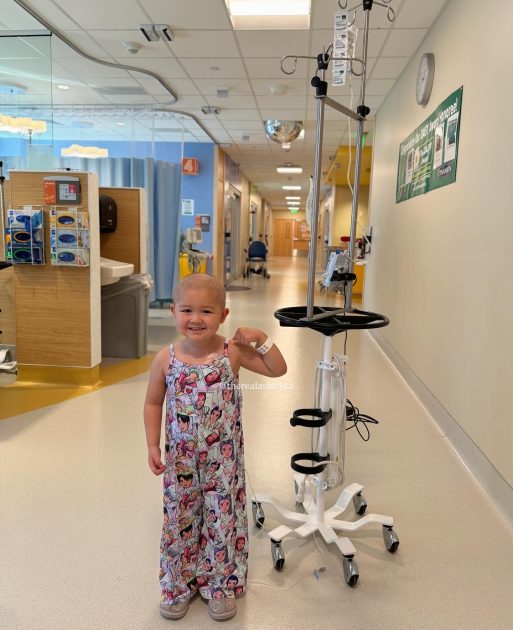
The administration of Blinatumomab is unique in that it requires a continuous intravenous infusion over a 28-day cycle. To maintain a sense of normalcy for a four-year-old, Rylee carries her infusion pump in a small "superhero" backpack. This allows her to remain mobile and active while receiving life-saving medication around the clock. This shift toward immunotherapy represents a broader trend in oncology to reduce the long-term toxicity of traditional chemotherapy while improving overall outcomes.
The Role of the American Childhood Cancer Organization (ACCO)
As a 2026 ACCO Ambassador, Rylee serves as a public face for an organization dedicated to supporting families through the multifaceted challenges of a cancer diagnosis. One of the primary resources provided by the ACCO is the Medical Play Kit, which Rylee has utilized to process her medical experiences.
Medical play is a recognized therapeutic technique in pediatric healthcare. It involves using real or toy medical equipment to help children understand their treatments and regain a sense of agency in a situation where they often feel powerless. By "treating" dolls or using stethoscopes and syringes in a play setting, children like Rylee can desensitize themselves to the trauma of medical procedures. Ashley Ta noted that Rylee’s interest in the kit was so profound that she began referring to herself as "Dr. Ta," demonstrating the psychological benefits of integrating play into a clinical journey.
Supporting Data and Broader Implications for Caregivers
The Ta family’s experience highlights the immense pressure placed on caregivers. Ashley’s advice to other parents—to "trust your gut" even when dismissed by professionals—is supported by anecdotal evidence across the pediatric oncology community. Research suggests that parental observations are often highly accurate indicators of subtle changes in a child’s health that may not be immediately apparent during a brief clinical examination.
Furthermore, the impact of a cancer diagnosis on military families is a subject of increasing study. The "deployment factor" creates a unique set of stressors, as the primary support system for the caregiver is physically absent. The ACCO and similar organizations often step in to fill these gaps, providing community resources and advocacy that the traditional medical system may lack.
The financial and emotional toll of treatment is also a significant factor. Rylee’s treatment is scheduled to continue through October 2027, representing a three-year commitment to medical protocols, monitoring, and potential side effects. The "long road" of pediatric cancer means that families must sustain a high level of vigilance and resilience for years, often while managing other household responsibilities and siblings.
Analysis of Long-Term Outlook and Conclusion
Rylee Ta’s journey is emblematic of the "new normal" for many families in the United States. While the medical community has made extraordinary strides in curing childhood leukemia, the process remains a grueling test of human endurance. The 2026 ACCO Ambassador role will allow Rylee and her family to advocate for increased research funding, better diagnostic protocols, and more robust support systems for families in the midst of the fight.
From a journalistic and clinical perspective, Rylee’s case underscores three vital conclusions:
- Clinical Persistence: The necessity of parental advocacy cannot be overstated; early intervention remains the strongest predictor of successful outcomes in pediatric oncology.
- Technological Advancement: The move toward continuous-infusion immunotherapy like Blinatumomab offers a glimpse into a future where cancer treatment is less invasive and more targeted.
- Holistic Support: Medical treatment is only one facet of the journey; psychological support, through tools like medical play and community advocacy, is essential for the long-term well-being of the pediatric patient.
As Rylee continues her treatment toward the 2027 milestone, her story serves as a reminder that behind every statistic is a child whose life has been fundamentally altered. Through the ACCO, her experiences will help light the way for future families, ensuring that the next "gut feeling" a parent has is met with the immediate and thorough medical attention it deserves. Together with her "superhero" backpack and her "Dr. Ta" persona, Rylee continues to navigate the complexities of her diagnosis with a level of positivity and curiosity that defines the spirit of the ACCO’s mission.
