
 By admin
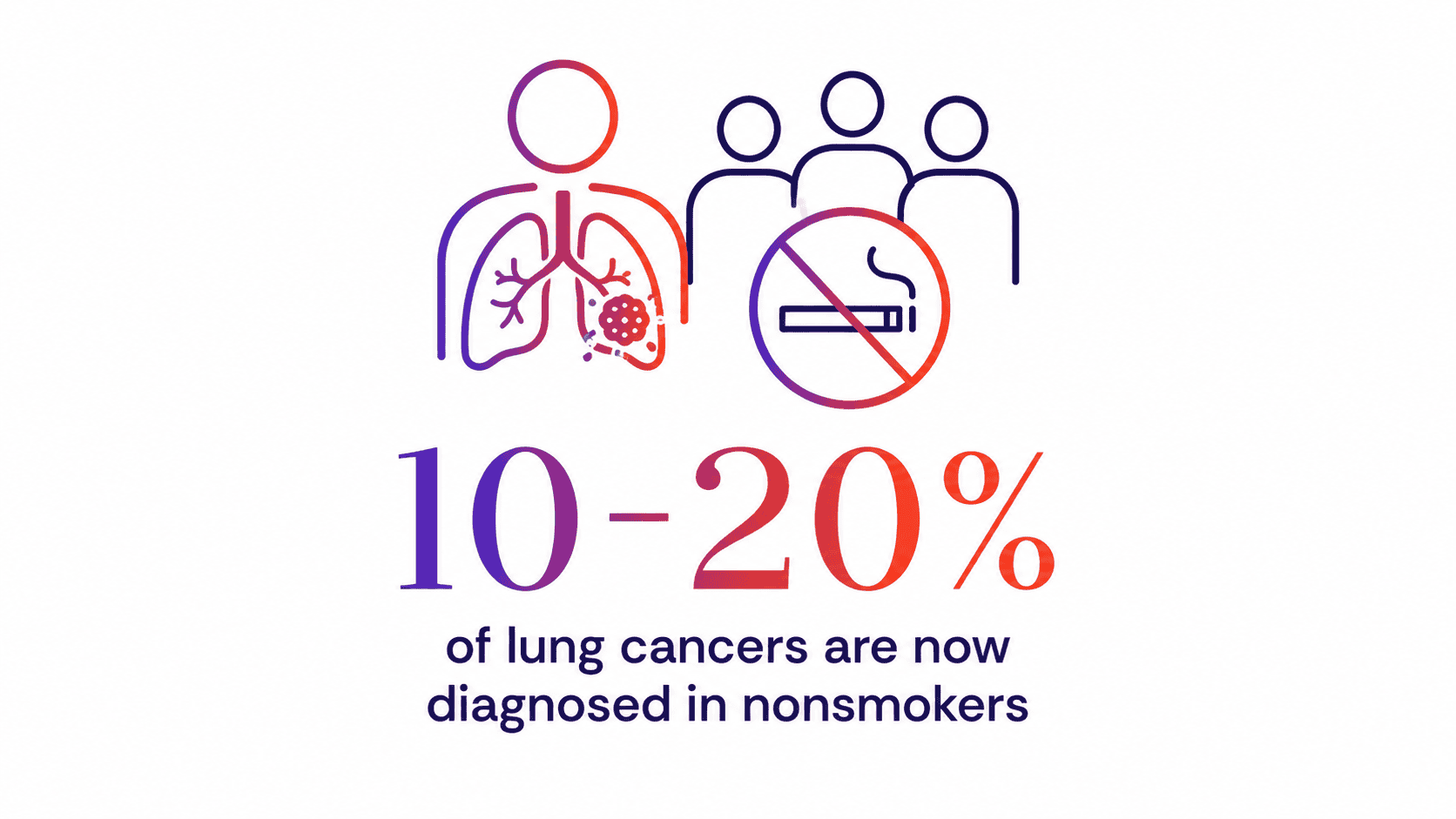
For decades, lung cancer has been inextricably linked with tobacco smoking, a connection strongly supported by overwhelming scientific evidence. While smoking undeniably remains the predominant cause of lung cancer globally, accounting for a vast majority of cases, a concerning and increasingly recognized pattern is challenging this long-held perception: an estimated 10% to 20% of lung cancer diagnoses now occur in individuals who have never smoked. This demographic shift has propelled researchers to redefine lung cancer in never-smokers (LCINS) as a distinct disease entity, characterized by unique biological mechanisms, different genetic drivers, and, consequently, a need for tailored diagnostic and therapeutic approaches.
A Shifting Paradigm: Recognizing a Distinct Disease
Historically, lung cancer was primarily viewed through the lens of heavy tobacco exposure, often affecting older adults. However, the rise in diagnoses among nonsmokers and younger adults has necessitated a profound re-evaluation. LCINS is no longer considered an anomaly but a biologically unique disease, differing significantly from smoking-related lung cancers. While tobacco smoke inflicts extensive damage, leading to thousands of DNA mutations that accumulate over years, LCINS is typically driven by a smaller, more specific set of gene mutations. These "driver mutations" act as potent fuel for tumor growth, dictating the cancer’s behavior and response to treatment.
Key demographic insights further illuminate the distinct nature of LCINS. Studies indicate that approximately two-thirds of LCINS cases are diagnosed in women, with a notable prevalence among women of Asian descent. This demographic skew suggests underlying genetic predispositions or environmental interactions specific to these populations. Researchers have identified certain cancer-driving mutations, such as those in the EGFR (epidermal growth factor receptor), ALK (anaplastic lymphoma kinase), and ROS1 genes, which occur more frequently in LCINS patients, particularly within these groups. The discovery of these actionable mutations has been a cornerstone in developing targeted therapies that are revolutionizing treatment for these specific patient subsets. This recognition marks a critical pivot in oncology, moving beyond broad classifications to a precision medicine approach for a significant proportion of lung cancer patients.
Unraveling the Etiology: Why the Increase?
The exact reasons behind the increasing incidence of lung cancer in never-smokers remain an active area of investigation. Experts generally agree that the trend likely stems from a complex interplay of multiple factors rather than a singular cause. Enhanced diagnostic capabilities, including improved imaging techniques and molecular profiling, certainly contribute to better recognition and classification of LCINS. However, the primary focus of research centers on environmental exposures, inherited genetic susceptibilities, and acquired gene mutations.
Environmental factors are increasingly implicated as major contributors to LCINS risk. Among the most prominent are:
-
Secondhand Smoke Exposure: Despite widespread public health campaigns, exposure to secondhand smoke remains a significant public health concern. Sidestream smoke and exhaled mainstream smoke contain an alarming cocktail of approximately 7,000 chemicals, with at least 70 identified as carcinogens. The U.S. Environmental Protection Agency (EPA) classifies secondhand smoke as a Group A carcinogen, indicating its definitive role in causing cancer in humans. Even brief exposure can initiate cellular damage in the delicate lining of the lungs, accumulating over time to increase cancer risk. Public health advisories from organizations like the Centers for Disease Control and Prevention (CDC) consistently reiterate that no amount of secondhand smoke exposure is safe.
-
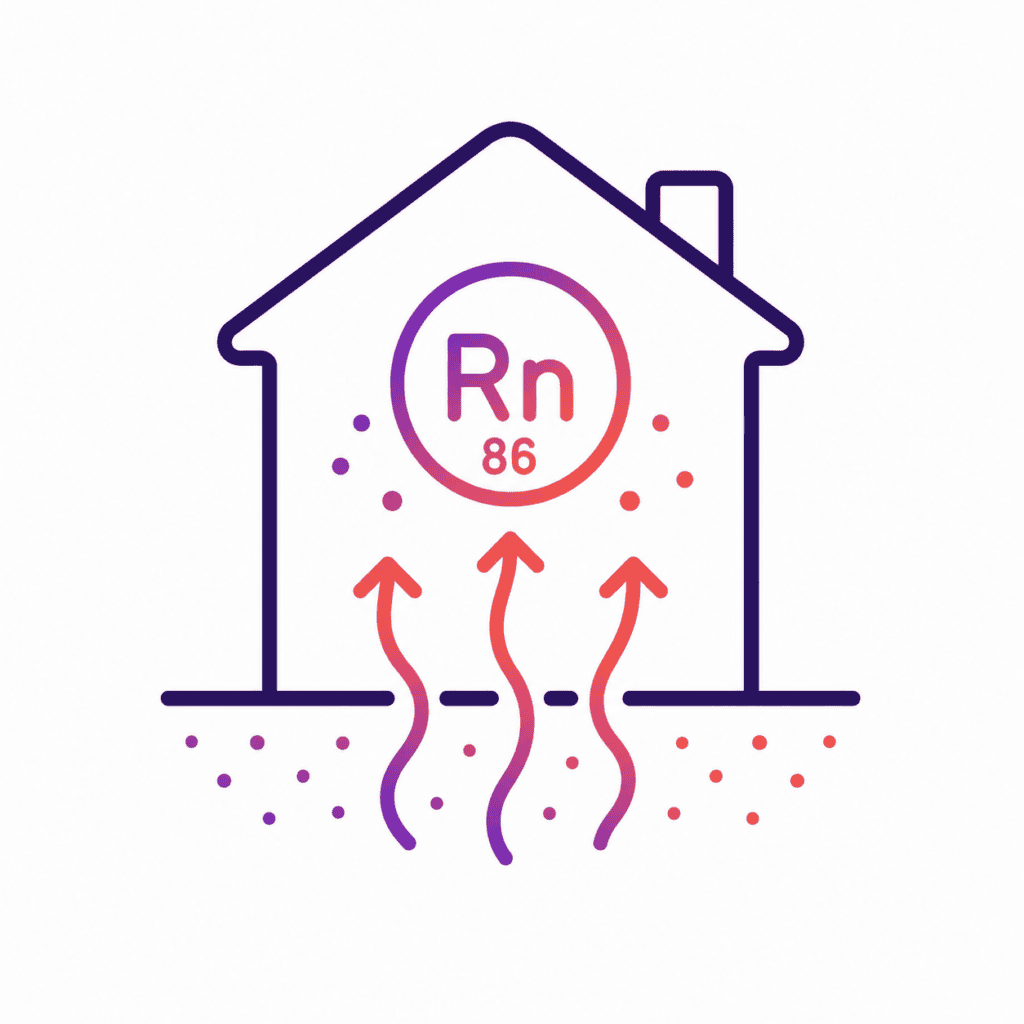
Radon Gas: Identified as the leading cause of lung cancer among never-smokers, radon is a naturally occurring radioactive gas. It is a decay product of uranium, found in varying concentrations in soil and rocks globally. Radon is insidious because it is colorless, odorless, and tasteless, making it undetectable without specific testing. It infiltrates homes and buildings through cracks in foundations, walls, and other openings. Once airborne indoors, particularly in poorly ventilated spaces, radon particles can be inhaled, depositing radioactive material in the airways. These alpha-particle emissions can damage cellular DNA, initiating the carcinogenic process. The EPA estimates that radon exposure is responsible for about 21,000 lung cancer deaths each year in the United States, with approximately 2,900 of these occurring among never-smokers. Fortunately, readily available, inexpensive test kits can measure indoor radon levels, and proven mitigation systems can effectively reduce elevated concentrations, highlighting a crucial avenue for prevention.
-
Ambient Air Pollution: The global burden of air pollution is a pressing public health crisis, and its link to lung cancer in never-smokers is growing stronger. Fine particulate matter, specifically PM2.5 (particles with a diameter of 2.5 micrometers or less), is particularly hazardous. These microscopic particles are small enough to penetrate deep into the respiratory tract, causing chronic inflammation and creating an environment conducive to DNA damage and tumor initiation. Recent landmark studies, including research presented at major oncology conferences, have demonstrated a direct association between exposure to PM2.5 and specific genetic mutations found in lung tumors of nonsmokers, notably EGFR mutations. The World Health Organization (WHO) recommends PM2.5 concentrations remain below 5 µg/m³ for optimal health. However, global disparities are stark: while the U.S. average hovers around 7 µg/m³, many regions, particularly in South Asia and parts of Africa, routinely experience averages approaching 50 µg/m³ or even exceeding 100 µg/m³ in urban centers, underscoring a profound global health inequity in exposure and subsequent risk.
-
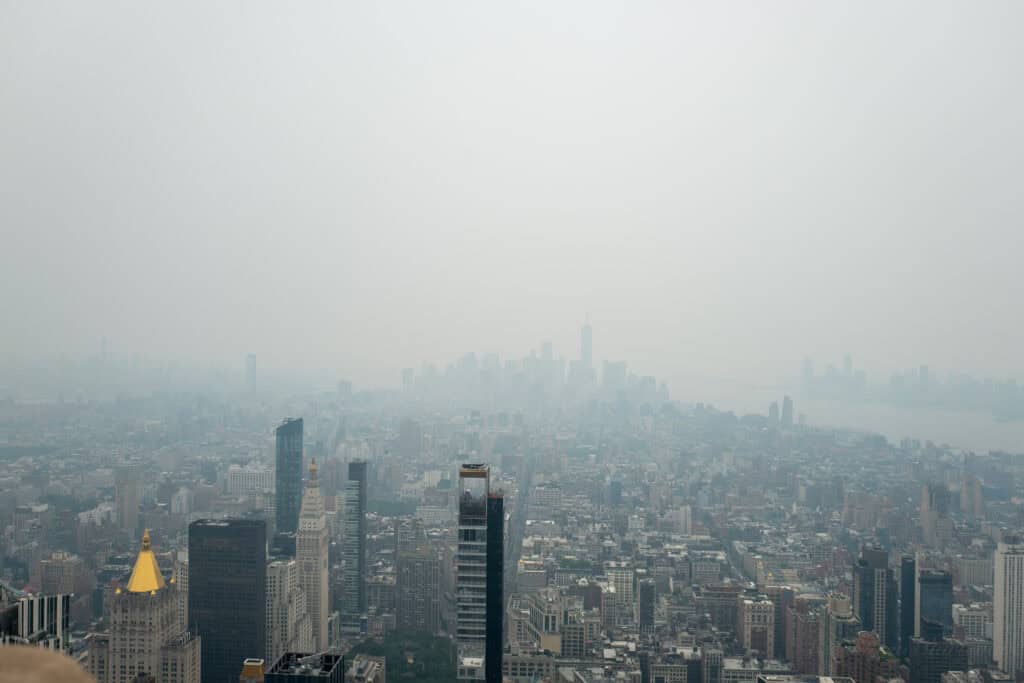
Wildfire Smoke: A relatively newer but rapidly escalating concern is the increasing frequency and intensity of wildfires, exacerbated by climate change. Wildfire smoke is a complex mixture containing extremely high levels of fine particulate matter, along with various toxic gases and chemicals. For instance, the summer of 2026 witnessed unprecedented levels of air pollution across vast swathes of North America due to Canadian wildfires, with PM2.5 concentrations soaring over 175 µg/m³ in the New York City metropolitan area and other regions across the U.S. This extreme, widespread exposure, while acute, raises significant questions about its long-term health implications, particularly for vulnerable populations and the potential for increased LCINS risk in affected areas. Public health agencies are actively monitoring these trends and advising protective measures during such events.

Types of Lung Cancer Affecting Nonsmokers
Lung cancer is broadly categorized into two main types:
- Non-small cell lung cancer (NSCLC): This type accounts for approximately 85% of all lung cancer cases. Within NSCLC, adenocarcinoma is the most common subtype and is disproportionately diagnosed in people who have never smoked. The prevalence of specific driver mutations like EGFR, ALK, and ROS1 is significantly higher in NSCLC adenocarcinomas found in never-smokers, making them prime candidates for targeted therapies.
- Small cell lung cancer (SCLC): This less common but highly aggressive form of lung cancer is overwhelmingly associated with heavy cigarette smoking. It is rare in never-smokers.
Challenges in Diagnosis and Delayed Recognition
One of the most critical challenges in managing LCINS is its often-delayed diagnosis. Over 70% of all lung cancer cases, including LCINS, are diagnosed at advanced stages, largely because early-stage tumors frequently present with no obvious symptoms. When symptoms do emerge, they are often non-specific and can be easily mistaken for more common respiratory ailments such as asthma, allergies, or bronchitis. This diagnostic delay is compounded by current screening guidelines, which typically recommend lung cancer screening (low-dose CT scans) only for adults over 50 with a significant history of heavy smoking.
Because younger adults and individuals who have never smoked are not traditionally considered high-risk candidates for lung cancer, their symptoms may not immediately trigger suspicion for malignancy among healthcare providers. This can lead to prolonged periods of misdiagnosis or delayed referral to specialists, allowing the cancer to progress. Public health campaigns are increasingly advocating for greater awareness among both the general public and medical professionals regarding the potential for lung cancer in individuals without a smoking history.
Early signs of lung cancer can include:
- A persistent cough that worsens or changes over time
- Chest pain, especially with deep breathing, coughing, or laughing
- Shortness of breath
- Wheezing
- Hoarseness
- Unexplained weight loss
- Fatigue
- Recurrent infections such as bronchitis or pneumonia
- New onset of finger clubbing (swelling at the ends of fingers)
It is crucial for individuals to understand that while having one or more of these symptoms does not definitively mean lung cancer, their persistence for several weeks, or a noticeable worsening over time without a clear explanation, warrants immediate discussion with a healthcare provider. Prompt medical evaluation is paramount for early detection and improved outcomes.
Personalized Treatment: A Beacon of Hope

The recognition of LCINS as a distinct disease has fundamentally reshaped its treatment paradigm, moving away from a one-size-fits-all approach to highly personalized therapies. Treatment strategies for LCINS are heavily dependent on the cancer’s stage and, critically, its unique genetic profile.
- Targeted Therapies: For LCINS patients whose tumors harbor specific driver mutations (e.g., EGFR, ALK, ROS1), targeted therapies have revolutionized outcomes. These oral medications are designed to precisely block the activity of the mutated proteins that fuel cancer growth, often leading to dramatic and durable responses with fewer side effects than traditional chemotherapy. The identification of these mutations through molecular testing is a standard practice for all newly diagnosed NSCLC patients, especially those with adenocarcinoma, irrespective of smoking history.
- Immunotherapy: Immune checkpoint inhibitors, which harness the body’s own immune system to fight cancer, have become a cornerstone of lung cancer treatment. However, their efficacy can vary in LCINS. Lung cancers caused by smoking often carry a high tumor mutational burden (TMB) – many DNA mutations – making them more recognizable to the immune system once the "brakes" on immune cells are released by checkpoint inhibitors. Because LCINS tumors typically have a lower TMB, immunotherapy alone may be less effective for some patients. Consequently, researchers are actively investigating combination approaches, such as immunotherapy combined with chemotherapy or anti-angiogenic agents, to improve response rates and extend survival in these patients.
- Chemotherapy and Radiation: For cases without identifiable driver mutations or where targeted therapies/immunotherapy are not suitable, conventional chemotherapy and radiation therapy remain vital treatment options, often used in combination or sequentially depending on the stage and extent of the disease.
- Surgery: For early-stage LCINS, surgical resection of the tumor remains the primary curative option, often followed by adjuvant therapies.
The advancements in molecular diagnostics and the subsequent development of precision medicines have transformed the prognosis for many LCINS patients, underscoring the critical importance of comprehensive genomic profiling at diagnosis.
Global Implications and the Future Outlook
While lung cancer in never-smokers remains less common than smoking-related lung cancer, its rising incidence and distinct characteristics highlight the immense gaps in current understanding and public health strategies. Research institutions and oncologists worldwide are intensely focused on several key areas: uncovering the precise mechanisms driving these cancers, identifying individuals at the greatest genetic and environmental risk, and developing even more effective, personalized treatments.
The implications for public health policy are significant. Current lung cancer screening guidelines may need re-evaluation to consider broader risk factors beyond smoking history, potentially incorporating genetic predispositions or exposure to specific environmental toxins. Furthermore, robust environmental regulations addressing air quality and radon exposure are crucial global health imperatives, particularly in regions experiencing rapid industrialization and high pollution levels.
For individuals, understanding the evolving landscape of lung cancer risk is empowering. While no one can eliminate every risk factor, proactive steps such as testing homes for radon, minimizing exposure to secondhand smoke, advocating for cleaner air, recognizing persistent and unexplained symptoms, and seeking timely medical evaluation are paramount. As scientists continue to unravel the complex biology of LCINS, each new discovery brings humanity closer to earlier detection, more precisely tailored treatments, and ultimately, better outcomes and improved quality of life for patients globally. The journey to conquer lung cancer, for smokers and never-smokers alike, is one of relentless scientific inquiry, collaborative public health action, and unwavering patient advocacy.
