
 By admin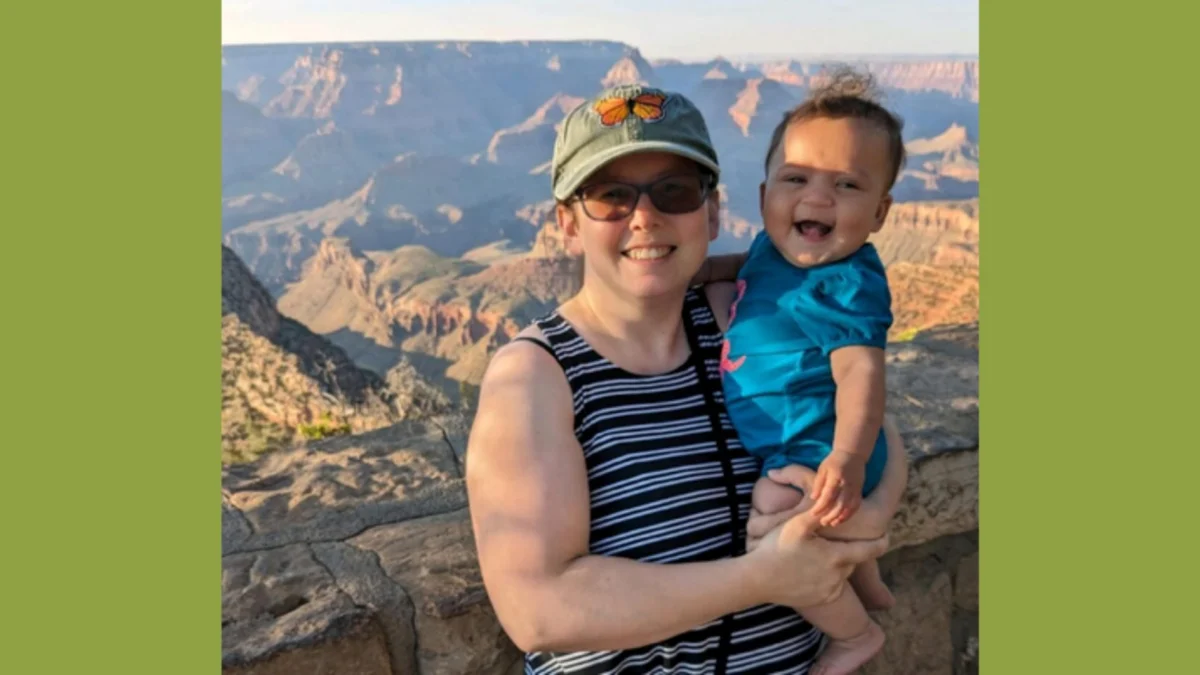
The trajectory of a young athlete’s life is often measured in seasons, scores, and physical milestones, but for Liz, a 13-year-old eighth grader, the 2004 volleyball season was defined by a persistent, gnawing pain in her right leg. At first, the discomfort was dismissed as a routine sports injury—a strain or a bruise common to a competitive teenager. She followed the standard protocol of icing, elevation, and perseverance, attempting to finish her season with the same tenacity she applied to her academics. However, when the pain failed to subside and began to interfere with her daily movements, her parents, Greg and his wife, sought further medical intervention. A return visit to the pediatrician led to the order of an Magnetic Resonance Imaging (MRI) scan, a decision that would abruptly transition Liz from the volleyball court to the oncology ward.
The scan revealed a significant mass located just below the growth plate of Liz’s right knee. On the day after Thanksgiving, a time usually reserved for family and gratitude, Liz underwent a biopsy that confirmed the family’s greatest fear: osteosarcoma. Osteosarcoma is a primary bone malignancy that most commonly affects adolescents and young adults during periods of rapid bone growth. For Liz, the diagnosis was an immediate entry into a world of clinical jargon, aggressive interventions, and an uncertain future. Recalling the aftermath of the biopsy, Liz described the atmosphere as a collective nightmare, marked by the heavy realization that her childhood had been permanently altered. Her father, Greg, remembers the visceral shock of the word "cancer" being introduced before the specific pathology was even fully understood, a moment that remains vivid nearly twenty years later.
The Clinical Chronology of Osteosarcoma Treatment
Liz’s battle began in earnest in December of that year. The standard of care for localized osteosarcoma typically involves a multi-modal approach, including neo-adjuvant chemotherapy, surgical resection, and post-operative chemotherapy. Liz underwent several grueling rounds of chemotherapy designed to shrink the tumor and eliminate any micrometastatic disease. This was followed by an arduous eight-hour reconstructive surgery on her knee. In such cases, surgeons often perform limb-salvage surgery, replacing the cancerous bone with a metal prosthesis or a bone graft to avoid amputation while maintaining as much functionality as possible.
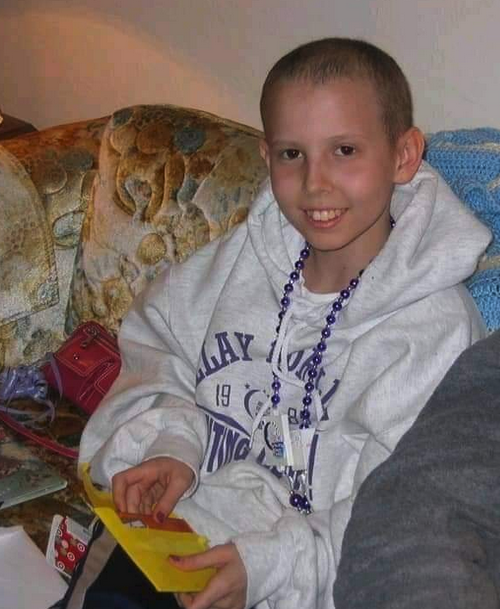
Following a brief period of recovery from the major surgery, Liz returned to a regimen of maintenance chemotherapy. This phase of treatment lasted nearly a year, testing her physical and emotional reserves. She finally completed her treatment cycle on October 30, the day before Halloween. In a poignant display of resilience, she participated in trick-or-treating with her younger siblings the following evening. Unable to walk long distances due to the recent surgery and the cumulative toll of the medication, she was pulled in a wagon, dressed as the Sesame Street character Zoey, while her younger brother accompanied her as Elmo.
However, the conclusion of chemotherapy did not signal the end of her medical challenges. Chemotherapy, while life-saving, often results in significant systemic toxicity. For Liz, the medications weakened her skeletal structure, leading to a catastrophic fall months later in which she broke both of her legs. This secondary injury required further surgical intervention and a prolonged period of rehabilitation. Even as she returned to school, the physical vestiges of her battle remained; she navigated the hallways in a wheelchair, a situation she met with a characteristic sense of humor, noting that her peers often vied for the chance to push her so they could leave class a few minutes early.
Supporting Data: The Stagnation of Pediatric Oncology Research
Liz’s story serves as a case study for the broader challenges facing pediatric oncology. According to the American Cancer Society, osteosarcoma accounts for about 2% of childhood cancers, with roughly 800 to 1,000 new cases diagnosed each year in the United States. While the five-year survival rate for localized osteosarcoma is approximately 70%, that figure drops significantly to 30% if the cancer has spread to the lungs or other bones at the time of diagnosis.
One of the most pressing issues highlighted by Liz’s father, Greg, is the lack of therapeutic innovation for rare pediatric cancers. "The treatment Liz received 20 years ago was already 30 years old at the time," Greg noted. This observation is backed by clinical data; the backbone of osteosarcoma treatment—a combination of methotrexate, doxorubicin, and cisplatin (known as the MAP regimen)—has remained largely unchanged since the late 1970s and early 1980s.
The disparity in research funding is a significant factor in this stagnation. Historically, pediatric cancer research has received only a small fraction of the funding allocated to adult cancers. In the United States, only about 4% of federal funding from the National Cancer Institute (NCI) is dedicated specifically to childhood cancer research. Furthermore, pharmaceutical companies often face little economic incentive to invest in "orphan diseases" or pediatric-specific drugs due to the smaller market size compared to adult malignancies like breast or lung cancer. This "funding gap" means that many children are treated with decades-old protocols that, while effective at killing cancer cells, carry a high risk of severe, long-term side effects.
The Reality of Survivorship and Late Effects
As Liz approached the twenty-year milestone of being cancer-free, the "late effects" of her treatment continued to manifest. Survivorship in pediatric cancer is not merely the absence of disease; it is a lifelong management of the collateral damage caused by aggressive treatments administered during a child’s developmental years. Liz currently lives with permanent hearing loss, a known side effect of cisplatin-based chemotherapy, which can be ototoxic. She also experiences limited range of motion in her right knee and is aware that a total knee replacement is an inevitability in her future.
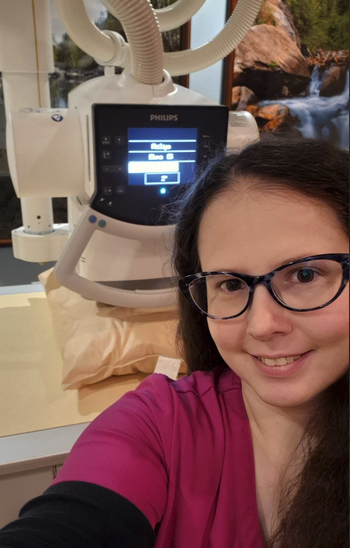
Despite these physical hurdles, Liz’s experience in the hospital fostered a profound professional calling. Today, she works as a radiologic technologist. Her career choice was directly inspired by the countless hours she spent in imaging suites during her treatment. By operating the very machines that once monitored her own tumor, she now provides care and clarity for patients facing their own medical uncertainties. Her transition from patient to healthcare provider represents a full-circle journey of empowerment and service.
Analysis of the Impact on Family and the Milestone of Motherhood
The psychological and emotional impact of childhood cancer extends far beyond the patient, affecting the entire family unit. For Greg, watching his daughter navigate the complexities of adulthood and motherhood has been a source of profound reflection. For many years, the possibility of Liz having children was an open question, as certain chemotherapy agents can impact future fertility.
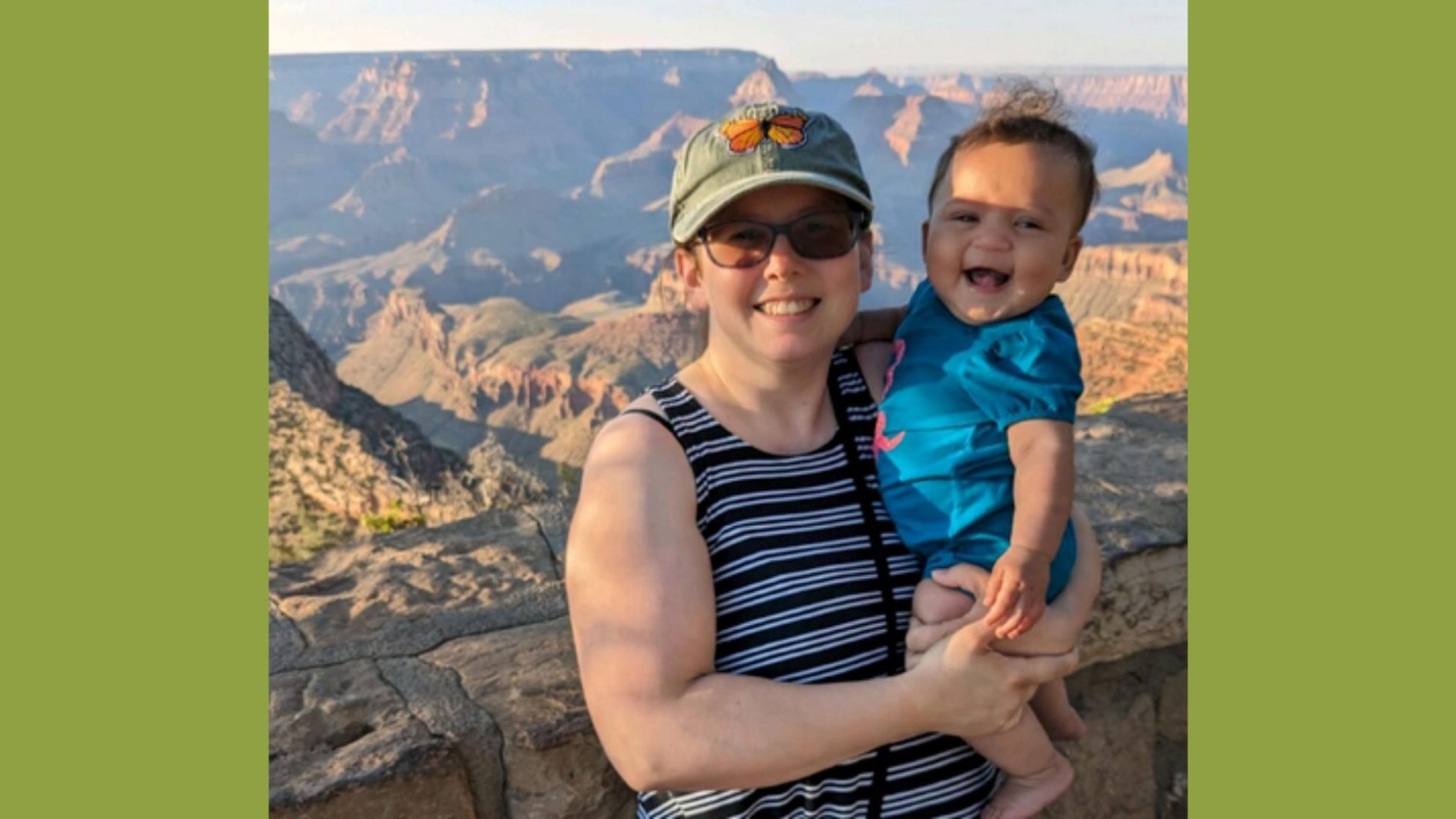
The birth of Liz’s daughter, Isabelle (Izzy), now three years old, represents a milestone that once felt unreachable. However, motherhood has also brought Liz’s physical limitations into sharper focus. The "sassy" and energetic three-year-old loves to run, explore parks, and play on the floor—activities that are physically demanding for a survivor with significant knee damage and weakened bone structure. Liz is candid about these challenges, often having to explain to her daughter that "Mommy can’t do that."
To bridge this gap, Liz relies on a robust support system. Living with her mother and stepdad, she ensures that Isabelle receives the active playtime she requires, with family members stepping in to handle the running and crawling that Liz’s body cannot sustain. For Greg, seeing Liz interact with Isabelle is a testament to the hope that sustained them during the darkest days of treatment. It serves as a reminder that the goal of cancer research is not just survival, but the ability to lead a fulfilling, multi-generational life.
Broader Implications and the Call for Continued Advocacy
The narrative of Liz’s survival is an inspirational one, but it also functions as a stark reminder of the work remaining in the field of pediatric oncology. The "better, safer treatments" that Greg advocates for are the focus of organizations like the Children’s Cancer Research Fund (CCRF) and other non-profits that aim to fill the gap left by federal and private sector funding.
The implications of continued research are twofold. First, there is a need for "de-escalation" studies—finding ways to achieve the same cure rates with less toxic drugs to minimize late effects like hearing loss and heart damage. Second, there is a need for targeted therapies and immunotherapies that can address the specific genetic drivers of bone cancers, which are often more complex than those found in adult epithelial cancers.
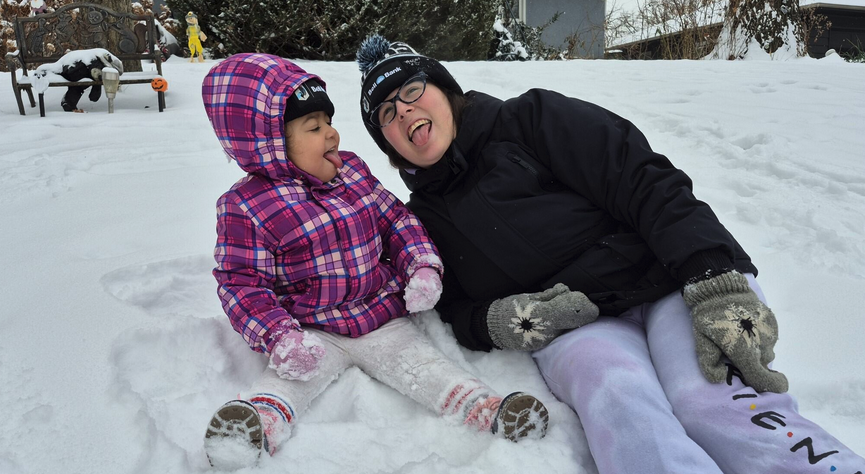
As Liz and her family look toward the future, their message remains one of cautious optimism and relentless advocacy. Liz’s advice to other families facing a similar diagnosis is to remain steadfast: "Don’t give up. Don’t avoid trying something because you think it might be difficult." Her father’s perspective is simpler, yet equally vital: "Remember there is hope." Through the lens of Liz’s two-decade journey, it is clear that while the shadows of a childhood cancer diagnosis are long, they do not have to define the entirety of a survivor’s life. The continued investment in research remains the only viable path toward ensuring that more children can grow up to become professionals, parents, and advocates in their own right.
