
 By Budi Oetomo Narendra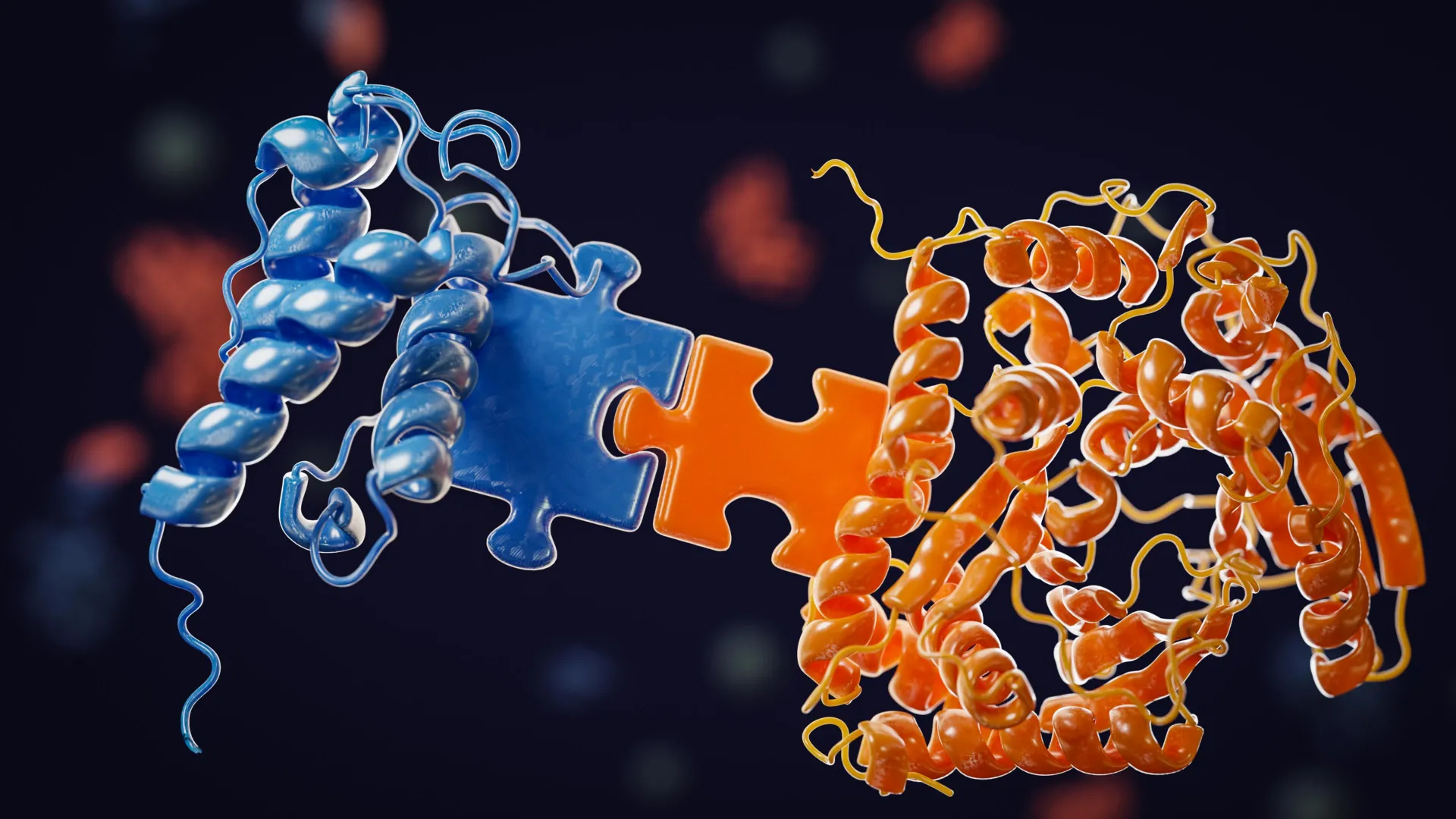
Scientists have achieved a monumental breakthrough, unmasking the intricate biological mechanisms by which bacteria naturally synthesize a diverse array of potent anti-cancer compounds. This revelation solves a decades-old enigma that has significantly hampered efforts to harness nature’s sophisticated drug-making machinery, promising to accelerate the development of urgently needed treatments for a spectrum of challenging cancers. The research, which illuminates the elegant coordination of bacterial enzymes, establishes a novel framework for designing next-generation cancer therapies, moving beyond mere understanding to active engineering of these vital molecules.
Decades of Unanswered Questions and the Promise of Combinatorial Biosynthesis
For over half a century, the scientific community has been captivated by the potential of natural products derived from microorganisms as a rich source of therapeutic agents. Many of today’s most effective drugs, from antibiotics to immunosuppressants and anti-cancer agents, trace their origins to bacterial or fungal biosynthesis. Among these, a class of compounds known as depsipeptides, including the FDA-approved cancer drug Romidepsin (Istodax), has long stood out for its remarkable efficacy against certain blood cancers. However, the exact mechanisms by which bacteria could produce not just one, but multiple, closely related versions of these complex molecules remained a profound mystery.
The allure of "combinatorial biosynthesis" has been a driving force in drug discovery research. This concept involves manipulating the genetic pathways of microorganisms to induce them to produce novel compounds or variants of existing drugs. The promise is immense: imagine a system where scientists could "mix and match" enzymatic components to generate an entire library of drug candidates with optimized properties – enhanced potency, improved selectivity for cancer cells, or reduced side effects. Yet, progress in this field has been significantly constrained by a fundamental lack of understanding regarding how the bacterial enzymes involved in these intricate assembly lines communicate and coordinate their work to achieve such molecular diversity. Researchers could observe the output of these bacterial factories, but the operating manual remained elusive.
Cancer remains a formidable global health challenge, with an estimated 20 million new cases and 10 million deaths projected annually by 2040. Despite significant advancements in chemotherapy, radiation, surgery, and immunotherapy, many cancers, particularly advanced or rare forms, continue to defy effective treatment. The development of new drugs is a lengthy, costly, and high-risk endeavor, often taking over a decade and billions of dollars for a single compound to move from laboratory to patient. Therefore, any discovery that can streamline or revolutionize the drug development pipeline holds immense potential for alleviating human suffering and saving lives.
Unveiling Nature’s "Mix and Match" System: The Role of Docking Domains
The pivotal study, recently published in the esteemed journal Nature Communications, meticulously details how bacterial enzymes engage in a sophisticated dialogue to assemble a family of structurally similar yet distinct anti-cancer compounds. This family includes Romidepsin, a cornerstone treatment for certain T-cell lymphomas, and a chemically related compound, FR-901375, whose biosynthetic pathway had been unknown for decades.
The core of this groundbreaking discovery lies in the identification of tiny molecular regions termed ‘docking domains.’ These domains serve as ingenious connectors, acting as flexible adapters that link the core drug-building machinery with various enzymes responsible for appending different molecular components to the growing drug structure. Crucially, these docking domains possess a ‘conserved connection point,’ a common structural feature that allows them to interact interchangeably with multiple enzyme partners. This elegant, flexible design provides the mechanistic explanation for how bacteria can generate a rich variety of related drug molecules while simultaneously maintaining the precision required for these complex compounds to retain their biological activity and therapeutic effectiveness.
Dr. Munro Passmore, the first author of the study and a Research Fellow in the Department of Chemistry at the University of Warwick, articulated the significance of this revelation: "For decades, we’ve known that bacteria can naturally produce multiple versions of powerful anti-cancer drugs, yet we had no idea how they achieved this. This work finally cracks that code. We’ve identified how the different enzymes communicate and cooperate to produce these drug variants, something that has eluded researchers because the system is so elegantly economical. It’s the breakthrough we needed to actually engineer these drugs ourselves." His statement underscores the shift from passive observation to active, guided intervention in natural product biosynthesis.
Evolutionary Insights and the Blueprint for Synthetic Pathways
Beyond elucidating the current operational mechanisms, the study also offers profound insights into the evolutionary trajectory of these natural drug-producing systems. The researchers posit that the newly identified compound, FR-901375, most likely evolved from a related drug-producing pathway through a process of gene duplication and subsequent recombination over vast periods. This evolutionary perspective is not merely academic; understanding how nature diversified its chemical arsenal provides a blueprint for synthetic biologists to mimic or even accelerate these evolutionary processes in the laboratory. By understanding the ‘how’ and the ‘why’ of natural diversification, scientists can strategically design artificial pathways to achieve desired chemical outcomes.
Professor Greg Challis, a Monash Warwick Alliance Professor of Sustainable Chemistry at the University of Warwick and Monash University, emphasized the practical implications: "This research gives us a blueprint to do what nature does, but better and faster. By reverse-engineering nature’s evolutionary logic, we can now design synthetic pathways that generate new anti-cancer drug candidates with properties optimized for clinical use, such as superior potency, improved selectivity, fewer side effects." His vision extends to an immediate goal: "Our immediate goal is to build an expanded library of candidates for various cancers where new treatments are urgently needed. This discovery is moving us from understanding how the systems work to building new ones." This statement highlights a pivotal transition in the field of natural product drug discovery – from extraction and modification to rational, de novo design.
The Focus on HDAC Inhibitors: A Vital Class of Anti-Cancer Medicines
The research specifically delves into a critical class of anti-cancer drugs known as Histone Deacetylase (HDAC) inhibitors. These drugs operate by blocking the activity of histone deacetylases, enzymes that play a crucial role in regulating gene expression within cells by modifying histone proteins, around which DNA is wound. By inhibiting HDACs, these drugs can lead to the "switching on" of genes that suppress tumor growth or induce cell death, making them valuable tools in oncology. Romidepsin, as an FDA-approved HDAC inhibitor, exemplifies the clinical utility of this class, particularly in treating T-cell lymphomas.
The long-standing enigma surrounding FR-901375, a chemically related depsipeptide, further underscores the significance of this discovery. Despite its known existence for decades, the bacterial biosynthetic pathway responsible for its production remained unidentified, representing a missing piece in the puzzle of natural product chemistry. This study finally fills that gap, providing a comprehensive understanding of its origins and relationship to other HDAC inhibitors.
Depsipeptides, including Romidepsin and FR-901375, are complex cyclic molecules. Their intricate structures are assembled from various amino acid building blocks, combined with a conserved hydroxy acid pharmacophore – the part of the molecule responsible for its biological activity. These components are meticulously linked together through a combination of peptide and ester bonds, forming a highly specific three-dimensional structure crucial for interacting with their biological targets.
Within bacteria, these sophisticated molecules are constructed by colossal protein complexes referred to as PKS-NRPS hybrids. These hybrid systems ingeniously combine the activities of polyketide synthases (PKS) and nonribosomal peptide synthetases (NRPS). PKS enzymes are responsible for assembling polyketide chains, while NRPS enzymes link amino acids. The new research definitively shows that the key to the combinatorial assembly process within these PKS-NRPS hybrids lies precisely in the docking domains. These domains function as molecular "handshakes" or "connectors," allowing different modules of the production line to recognize and efficiently pass their intermediate products to the next enzyme in the sequence. This intricate mechanism is the biological underpinning of combinatorial biosynthesis, enabling bacteria to naturally generate an astonishing array of drug variants from a relatively constrained set of genetic instructions.
Interdisciplinary Approach: Solving a Complex Biological Puzzle
The successful elucidation of this complex system was not the result of a single disciplinary effort but rather a testament to the power of an integrated, interdisciplinary approach. The research team skillfully combined state-of-the-art techniques from various scientific fields, demonstrating the collaborative nature of modern scientific inquiry. Their methodology encompassed:
- Structural Biology: Employing techniques like X-ray crystallography or cryo-electron microscopy to determine the precise three-dimensional structures of the enzymes and their docking domains. Understanding the atomic arrangement is critical for discerning how these molecules interact.
- Biochemistry: Conducting in vitro experiments to dissect the enzymatic reactions step-by-step, identifying substrates, products, and kinetic parameters. This allowed researchers to observe the enzymes in action outside the living cell.
- Genetics: Manipulating bacterial genomes to identify and modify the genes encoding the enzymes and docking domains. Gene knockout or overexpression experiments helped confirm the function of specific components in the biosynthetic pathway.
- Computational Modeling: Utilizing advanced computational tools to simulate molecular interactions, predict protein folding, and analyze the dynamics of the enzymatic assembly line. This provided theoretical insights that guided experimental design and interpreted complex data.
By integrating these diverse methodologies, the researchers were able to piece together the intricate puzzle, moving from genetic sequences to functional enzymes, and finally to the complete biosynthetic pathway and its elegant regulatory mechanisms.
Broader Implications for Drug Discovery and Synthetic Biology
This discovery transcends the immediate context of HDAC inhibitors and holds profound implications for the broader fields of drug discovery, synthetic biology, and personalized medicine.
Firstly, it provides a much-needed template for the rational design of new natural product-inspired drugs. Instead of relying on random screening or laborious semi-synthetic modifications, scientists can now engineer biosynthetic pathways with predictive accuracy. This could drastically shorten the drug discovery timeline and reduce the enormous costs associated with pharmaceutical research and development. The ability to "mix and match" components means that pharmaceutical companies could potentially generate hundreds or even thousands of novel drug candidates from a single bacterial strain, each with slightly altered properties, allowing for fine-tuning for specific therapeutic applications.
Secondly, the insights into evolutionary logic can be leveraged to create entirely novel compounds that do not exist in nature. By understanding the principles of gene duplication and recombination, synthetic biologists can design artificial evolutionary pathways in the lab, pushing the boundaries of chemical diversity beyond what natural selection has yielded. This opens up avenues for discovering entirely new classes of drugs, especially crucial for combating diseases where current treatments are insufficient or resistance has emerged.
Thirdly, the precision offered by this "blueprint" could lead to drugs with significantly improved therapeutic indices. By designing compounds that are more potent against cancer cells and less toxic to healthy tissues, side effects could be mitigated, improving patient quality of life and adherence to treatment. This is particularly relevant for cancer therapies, which often come with debilitating side effects. The ability to tune selectivity could also pave the way for more targeted therapies, aligning with the growing trend towards personalized medicine.
Finally, this work positions the scientific community to tackle other complex biosynthetic pathways in bacteria and fungi, many of which produce compounds with immense therapeutic potential. The methodology and conceptual framework developed in this study can serve as a paradigm for deciphering other intricate natural product assembly lines, unlocking a vast, untapped pharmacopoeia.
In conclusion, the unraveling of how bacteria naturally craft multiple versions of anti-cancer drugs marks a pivotal moment in biomedical research. It transforms a decades-old mystery into a tangible blueprint for innovation. This breakthrough not only deepens our understanding of life’s molecular machinery but also empowers scientists to become master engineers of nature’s pharmaceutical factories, promising a future where new, more effective cancer treatments can be developed faster and with greater precision, offering renewed hope to patients worldwide.
