
 By admin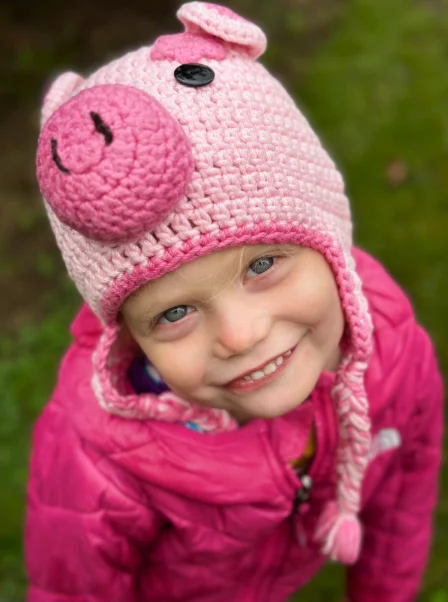
The image of seven-year-old Ella skipping toward her mother’s car after dance class, laughing with friends and making playful faces, serves as a poignant reminder of the stakes involved in pediatric oncology. For her mother, Christina, these moments of mundane childhood joy are nothing short of miraculous. Ella is a survivor of M7-AML, a rare and exceptionally aggressive subtype of acute myeloid leukemia (AML) that carries a prognosis so grim that most patients are not expected to reach their third birthday. Today, Ella is not only surviving but thriving—attending kindergarten, playing soccer, and reaching the developmental milestones that define a healthy childhood. Her survival is the direct result of a multi-year effort to shift the statistical odds through targeted, donor-funded research and a newly formalized national collaboration designed to dismantle the barriers facing rare disease treatment.
The Pathological Challenge of M7-AML
Acute myeloid leukemia is a cancer of the blood and bone marrow characterized by the rapid growth of abnormal white blood cells. While AML is more common in adults, it remains one of the most difficult pediatric cancers to treat, accounting for a significant percentage of childhood leukemia deaths. Within the spectrum of AML, the M7 subtype—also known as acute megakaryoblastic leukemia—is particularly formidable. It involves the malignant transformation of megakaryoblasts, the precursor cells to platelets.
Historically, the medical community has struggled with M7-AML due to its resistance to conventional chemotherapy and its high rate of relapse. In many cases, the intensive treatments required to achieve remission in children are so toxic that they cause long-term organ damage, secondary cancers, or cognitive impairments. For children like Ella, the traditional "standard of care" often felt like a race against time with few viable exits. The necessity for a less toxic, more precise intervention led researchers to explore the frontiers of immunotherapy and targeted molecular medicine.
Dr. Soheil Meshinchi and the Quest for a Targeted Cure
Years before Ella’s diagnosis, Dr. Soheil Meshinchi, a renowned researcher at the Fred Hutchinson Cancer Center in Seattle, began investigating the genetic and molecular drivers of AML. Dr. Meshinchi was among a small group of scientists globally focusing specifically on the high-risk subtypes that traditional therapies failed to address. His research aimed to identify specific markers on the surface of leukemia cells that could be targeted by a child’s own immune system.
The treatment developed in Dr. Meshinchi’s lab represents a paradigm shift in oncology: a "one-and-done" therapy. Unlike traditional chemotherapy, which requires months or years of systemic poison to kill rapidly dividing cells (both cancerous and healthy), this revolutionary approach seeks to activate the patient’s immune system to recognize and eradicate cancer cells with surgical precision. By focusing on the unique biological signatures of M7-AML, the therapy offers the potential for permanent remission without the devastating side effects of high-dose radiation or broad-spectrum chemo.
For Ella’s parents, discovering Dr. Meshinchi’s work provided a roadmap for a future they had been told was unlikely. They sought out his research as a contingency plan, a "safety net" should Ella’s initial treatments fail or should the cancer return. However, they soon realized that the transition from a successful laboratory concept to a life-saving clinical trial was blocked by a significant and systemic hurdle: funding.
The Economic "Valley of Death" in Pediatric Research
One of the most persistent challenges in the field of pediatric oncology is the lack of commercial incentive for pharmaceutical companies to invest in rare disease research. This phenomenon, often referred to as the "Valley of Death" in drug development, occurs when promising laboratory science fails to reach clinical trials because the patient population is too small to guarantee a return on investment.
Dr. Meshinchi noted that because the number of children diagnosed with M7-AML each year is relatively low, major drug manufacturers often show little interest in sponsoring the necessary trials. "The biggest hurdle to this work is financial," Dr. Meshinchi stated, highlighting a gap in the American healthcare system where federal funding and private enterprise often overlook the rarest, most lethal childhood diseases. In the United States, only about 4% of federal cancer research funding is dedicated specifically to pediatric cancers, leaving a massive void that must be filled by private philanthropy and non-profit organizations.
The Role of the Children’s Cancer Research Fund (CCRF)
Recognizing that Ella’s life—and the lives of children like her—depended on the advancement of Dr. Meshinchi’s work, her family partnered with the Children’s Cancer Research Fund (CCRF). This partnership served as a catalyst, transforming a localized research project into a well-funded national priority. Through a combination of grassroots fundraising, family-led initiatives, and foundation grants, the effort raised over $1.3 million specifically to launch a clinical trial for the new AML treatment.

However, the intervention of CCRF extended beyond mere capital. The organization provided the institutional infrastructure required to sustain complex medical research. By connecting Dr. Meshinchi with a network of committed donors and coordinating efforts across various stakeholders, CCRF ensured that the research would not stall due to administrative or logistical bottlenecks. This support system allowed the research team to move from target discovery to a clinical trial in what Dr. Meshinchi described as "record time."
In April 2025, this collective effort reached a historic milestone when the first pediatric patient was officially enrolled in the clinical trial. This trial represents the culmination of decades of genomic sequencing and immunological research, offering a lifeline to families who previously had no options.
Launching the Pediatric AML Collaborative
The success of the funding drive for Dr. Meshinchi’s trial highlighted a broader need for structural change in how childhood cancer research is conducted. The current landscape is often fragmented, with data siloed within individual institutions and funding streams that are inconsistent and unreliable. This lack of coordination forces parents, already burdened by the trauma of a sick child, to become amateur fundraisers and advocates just to keep research moving forward.
To address these systemic inefficiencies, CCRF has announced the formation of the Pediatric AML Collaborative. This national initiative is designed to create a unified front against acute myeloid leukemia by bringing together:
- Clinicians and Researchers: Facilitating the real-time sharing of data and trial results to accelerate the pace of discovery.
- Foundations and Donors: Creating a sustainable, centralized funding pool that can be deployed to the most promising projects without the delays of traditional grant cycles.
- Patient Families: Integrating the insights and experiences of those on the front lines of the disease to ensure research remains patient-centered.
The Collaborative aims to eliminate the "roadblock after roadblock" experience that has historically defined rare cancer research. By standardizing data collection and fostering cross-institutional cooperation, the initiative seeks to ensure that no promising scientific lead "peters out" due to a lack of resources or communication.

Fact-Based Analysis of Future Implications
The implications of the Pediatric AML Collaborative and Dr. Meshinchi’s "Holy Grail" therapy extend far beyond a single subtype of leukemia. If successful, the model of donor-funded, collaborative research could serve as a blueprint for addressing other rare pediatric diseases.
From a clinical perspective, the shift toward "one-and-done" immunotherapies could significantly reduce the long-term healthcare costs associated with childhood cancer survivors. Current survivors often face a lifetime of chronic health issues resulting from the toxicity of their initial treatments. By utilizing targeted therapies, the medical community can improve not only survival rates but also the long-term quality of life for these patients.
Furthermore, the establishment of the Collaborative signals a move toward "precision philanthropy." Rather than general donations to broad cancer research, donors are increasingly looking to fund specific, high-impact projects with clear pathways to clinical application. The $1.3 million raised for Ella’s cause demonstrates the power of a focused mission to mobilize community support.
Conclusion: A New Standard for Survival
For Ella, the technicalities of clinical trials and research funding are secondary to the reality of her daily life. She represents the tangible outcome of what happens when scientific brilliance is met with adequate financial and organizational support. As she continues to hit her "miracle" milestones—kindergarten, soccer, and reading—she stands as a living testament to the necessity of the Pediatric AML Collaborative.
The transition of Dr. Meshinchi’s work from the lab to the bedside in April 2025 marks a turning point in the fight against M7-AML. While the road ahead remains challenging, the infrastructure now exists to ensure that the next child diagnosed with a rare leukemia will not have to rely on a miracle, but rather on a well-funded, scientifically sound, and collaborative medical system designed to save their life. The goal of the CCRF and its partners remains clear: to ensure that stories like Ella’s become the standard, rather than the exception, in pediatric oncology.
