
 By admin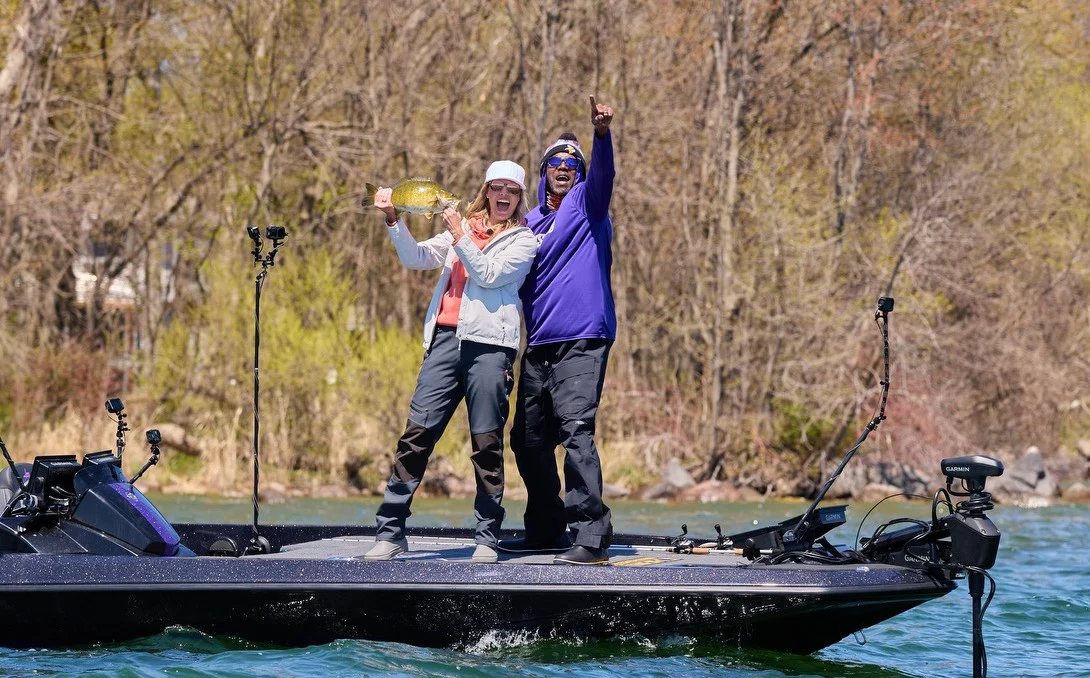
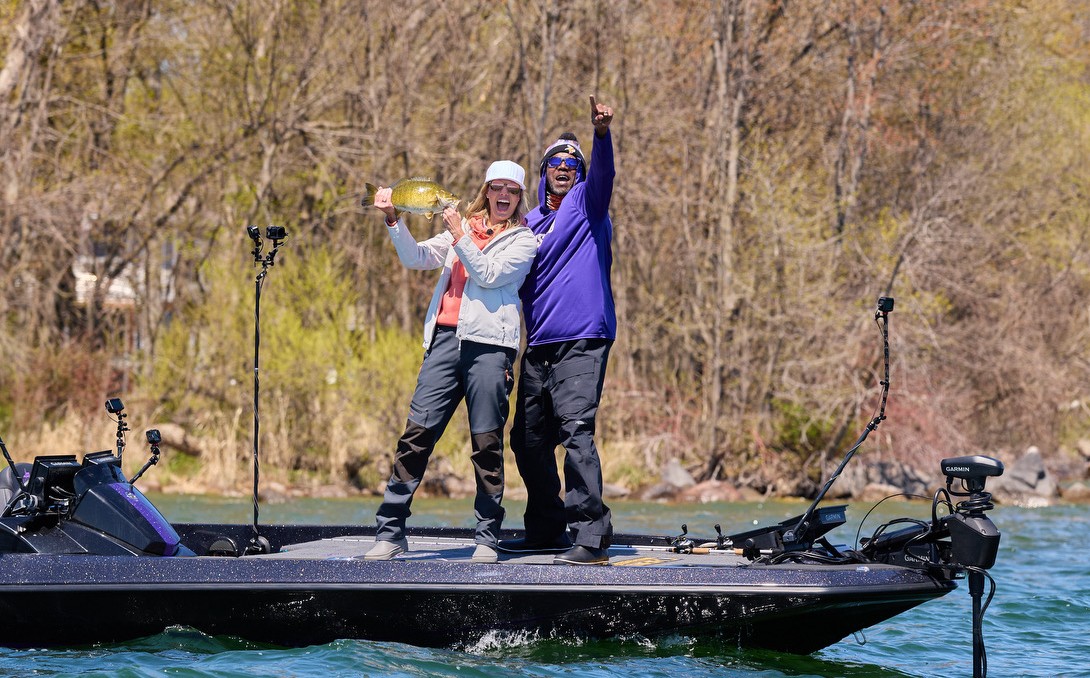
The intersection of professional sports and humanitarian advocacy reached a significant milestone in northern Minnesota as Pro Football Hall of Fame inductee Randy Moss collaborated with the Children’s Cancer Research Fund (CCRF) to bolster the "Chasing a Cure" campaign. Through his popular YouTube series, Chasing10, Moss utilized his platform to transcend the traditional boundaries of outdoor entertainment, pivoting from the pursuit of trophy-sized fish to the pursuit of a world without pediatric cancer. This partnership, highlighted by a day of fishing on Leech Lake, serves as a poignant reminder of the historical roots of pediatric cancer advocacy in the United States and the ongoing medical evolution from traditional cytotoxic therapies toward advanced immunotherapy.
The Convergence of Athletics and Advocacy
Randy Moss, widely regarded as one of the greatest wide receivers in NFL history, has long maintained a deep connection to the state of Minnesota, where he spent the formative years of his professional career with the Minnesota Vikings. His digital series, Chasing10, typically focuses on the "pursuit of 10"—a reference to the elusive ten-pound walleye or the "unforgettable catch" that defines a fisherman’s legacy. However, in a recent installment, Moss shifted the narrative focus.
Joined by Kenna Dooley, the Chief Development Officer of the Children’s Cancer Research Fund, Moss spent a day on the waters of Leech Lake not merely to document a sporting endeavor but to amplify the message of the "Chasing a Cure" initiative. The dialogue between the two figures highlighted a shared mission: utilizing public visibility to fund the critical scientific research necessary to eliminate childhood cancer. Moss articulated this shift in focus by stating that the day’s objectives had expanded beyond the water’s surface, emphasizing that the collective effort was now aimed at "chasing a cure" for the youngest and most vulnerable patients.
The Historical Significance of Leech Lake and the Hageboeck Legacy
The choice of Leech Lake as the setting for this collaboration was not incidental; it carries a profound historical and emotional weight for the CCRF. The lake was the cherished summer retreat for Katie Hageboeck, a young girl whose battle with leukemia in the late 1970s served as the catalyst for the organization’s founding.
Katie Hageboeck was thirteen years old when she succumbed to leukemia in 1979. During her illness, she requested that the money she had saved for a new bicycle be donated to cancer research so that other children might not have to endure the same struggle. Following her passing, her parents, Princess and Bob Hageboeck, honored her final wish by establishing what would eventually become the Children’s Cancer Research Fund.
For generations, the Hageboeck family had maintained a cabin on Leech Lake, where Katie spent her summers swimming and fishing. By returning to these waters with Randy Moss, the CCRF bridged the gap between its foundational history and its modern-day aspirations. The legacy of Katie Hageboeck continues to be physically represented through institutions like Katie’s Clinic and "The Porch" at the University of Minnesota. These facilities were designed to reflect the serene, natural environment of the North Woods, providing a therapeutic atmosphere for children undergoing treatment—a direct homage to the places where Katie felt most at peace.
The Physical and Psychological Toll of Traditional Treatment
A pivotal moment in the discussion between Moss and Dooley involved Moss’s personal reflection on his own health challenges. While Moss is known for his extraordinary physical resilience on the football field, he shared insights into his experience with chemotherapy, describing it as a grueling ordeal that surpassed the physical demands of professional sports. Moss noted that the treatment "beat [him] up so bad," emphasizing that the struggle was "more mental than it was physical."
This testimonial underscores a critical reality in oncology: while chemotherapy has been a cornerstone of cancer treatment for decades, its non-selective nature means it attacks both cancerous and healthy cells. In children, the long-term side effects—often referred to as "late effects"—can be devastating. These include:
- Cardiovascular Issues: Increased risk of heart disease and stroke later in life.
- Cognitive Impairment: Challenges with memory, processing speed, and executive function.
- Secondary Cancers: An increased susceptibility to developing different forms of cancer due to the DNA damage caused by radiation and chemotherapy.
- Growth and Development Stunting: Hormonal imbalances that affect physical maturation.
Moss’s willingness to discuss the vulnerability associated with such treatment provides a powerful counterpoint to the "toughness" often associated with NFL legends, bringing much-needed attention to the invisible hardships faced by pediatric patients.
The Future of Pediatric Oncology: The Rise of Immunotherapy
The "Chasing a Cure" campaign is heavily focused on transitioning away from the "scorched-earth" approach of traditional chemotherapy toward more targeted, humane treatments. Kenna Dooley explained that the research funded by CCRF is increasingly centered on immunotherapy.
Immunotherapy represents a paradigm shift in medical science. Rather than introducing toxic chemicals into the body to kill cells, immunotherapy harnesses the patient’s own immune system to identify and destroy cancer cells. One of the most prominent forms of this treatment is CAR T-cell therapy, which involves re-engineering a patient’s T-cells to recognize specific proteins on the surface of cancer cells.
The benefits of immunotherapy, as outlined by Dooley, include:
- Reduced Toxicity: Because the treatment is more targeted, it spares healthy tissues, significantly reducing the systemic trauma associated with chemotherapy and radiation.
- Long-term Surveillance: The immune system can "remember" the cancer, potentially providing long-term protection against recurrence.
- Improved Quality of Life: Patients often experience fewer debilitating side effects, allowing them to maintain a sense of normalcy during treatment.
Dooley emphasized that the ultimate goal is to reach a point where radiation and chemotherapy are no longer the standard of care. "If we can get rid of radiation and chemotherapy—that’s a win-win for everybody," she stated, echoing the sentiments of thousands of families who have watched their children struggle with the side effects of modern medicine.
Supporting Data and the Landscape of Pediatric Cancer Research
The urgency behind the "Chasing a Cure" campaign is supported by sobering statistics regarding pediatric cancer funding and research. Despite cancer being the leading cause of death by disease for children in the United States, pediatric cancer research receives a disproportionately small fraction of federal funding compared to adult cancers.
- Funding Disparity: Historically, the National Cancer Institute (NCI) allocates only approximately 4% of its annual budget to pediatric cancer research.
- Incidence Rates: Each year, an estimated 15,000 children and adolescents in the U.S. are diagnosed with cancer.
- Survival vs. Quality of Life: While the overall five-year survival rate for childhood cancer has risen to over 80%, the quality of life for survivors remains a major concern, with 95% of survivors developing significant health issues by age 45 as a result of their treatment.
Organizations like the Children’s Cancer Research Fund play a vital role in filling this funding gap. By focusing on "seed grants," CCRF allows researchers to explore innovative, high-risk, high-reward ideas that may not yet qualify for federal funding. This venture philanthropy model has been instrumental in the development of new protocols that have already begun to change the survival landscape for specific types of leukemia and neuroblastoma.
Broader Implications and the Power of Influence
The partnership between Randy Moss and the CCRF illustrates the evolving role of the "athlete-influencer" in the digital age. By integrating a charitable mission into a lifestyle YouTube series, Moss reaches an audience that may not otherwise engage with medical philanthropy. This "stealth advocacy" leverages the high engagement of sports and outdoor content to deliver a message of social importance.
Furthermore, the initiative highlights the importance of "healing spaces" in pediatric care. The mention of Katie’s Clinic and The Porch at the University of Minnesota reflects a growing movement in healthcare design that prioritizes the psychological well-being of the patient. By creating environments that mimic the comforting "North Woods" atmosphere of Leech Lake, healthcare providers are acknowledging that healing involves more than just biological intervention; it requires the preservation of a child’s spirit and their connection to the world outside the hospital walls.
Conclusion: A Legacy Reimagined
The day spent on Leech Lake by Randy Moss and Kenna Dooley was a symbolic convergence of past, present, and future. It honored the memory of Katie Hageboeck, whose 1979 diagnosis transformed a family’s grief into a national movement. It addressed the current realities of cancer treatment, as articulated through Moss’s own reflections on the brutality of chemotherapy. And finally, it pointed toward a future where the "chase" for a cure is realized through the scientific breakthroughs of immunotherapy.
As the Chasing10 episode concludes, the message remains clear: the pursuit of a trophy fish is a fleeting moment, but the pursuit of a cure is a legacy that ensures future generations of children will have the chance to experience their own summers on the lake, free from the shadow of disease. The "Chasing a Cure" campaign continues to invite the public to participate in this mission, proving that while the water may be deep and the challenges significant, the goal of a cancer-free childhood is a prize worth every effort.
