
 By admin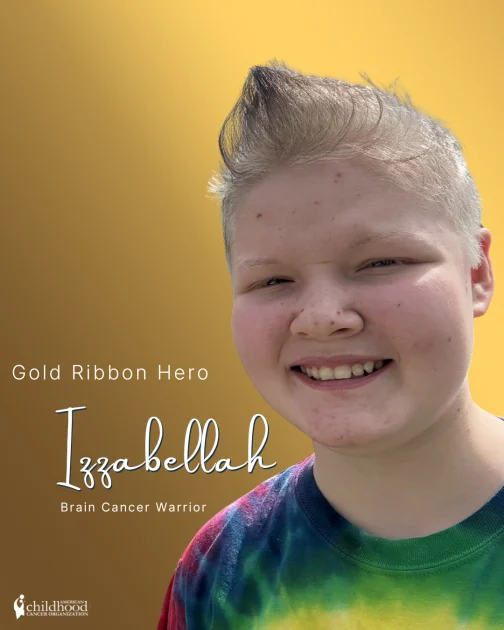
The narrative of Izzabellah “Bellah” Bellah serves as a poignant case study in the complexities of pediatric neuro-oncology and the enduring resilience required of families navigating the American healthcare system. For four months, Bellah experienced persistent and intensifying headaches, symptoms that are frequently difficult to differentiate from more benign childhood ailments. However, the escalation of her condition eventually necessitated diagnostic imaging, leading to a magnetic resonance imaging (MRI) scan that would fundamentally alter her life and the lives of her family members. Her mother, Natalie, recalls the immediate shift in the clinical atmosphere following the scan, noting that the gravity of the situation was apparent even before official confirmation. Within an hour of the MRI, the family was directed to a regional medical facility, which was followed by an emergency transfer to Riley Children’s Hospital in Indianapolis, a facility specialized in complex pediatric cases.
The Clinical Chronology and Treatment Modalities
The medical intervention for Bellah’s condition was multifaceted, involving a combination of neurosurgery, systemic therapy, and localized radiation. Upon her arrival at Riley Children’s Hospital, surgeons performed the first of what would become a series of invasive procedures to resect a brain tumor. While the initial surgery was successful in removing the primary mass, subsequent diagnostic monitoring revealed the presence of additional tumors, a common and devastating complication in pediatric brain cancer cases.
Following the discovery of secondary tumors, Bellah’s oncology team initiated a rigorous 13-month regimen of oral chemotherapy. Unlike traditional intravenous chemotherapy, oral agents allow for a degree of home-based care but require strict adherence and carry a heavy burden of systemic toxicity. Despite this prolonged effort, the persistence of the malignancy necessitated a second neurosurgical procedure. This was followed by an intensive eight-week course of radiation therapy, a treatment designed to target residual malignant cells but one that carries significant risks of long-term cognitive and physiological side effects in developing children. Upon completion of the radiation cycle, Bellah returned to a chemotherapy protocol to manage the ongoing threat of recurrence.
Statistical Overview of Pediatric Brain Cancer
Bellah’s journey reflects a broader national crisis in pediatric health. According to data from the National Cancer Institute (NCI) and the American Cancer Society (ACS), brain and other central nervous system (CNS) tumors are the most common form of solid tumors in children, accounting for approximately 20 percent of all pediatric cancers. Furthermore, brain tumors have recently surpassed leukemia as the leading cause of cancer-related death among children and adolescents under the age of 19.
The incidence rate of pediatric brain tumors is approximately 5.67 per 100,000 children in the United States. While survival rates have improved over the last several decades due to advancements in surgical techniques and neuro-imaging, the five-year survival rate for pediatric brain tumors remains at approximately 75 percent, a figure that varies significantly based on the specific histological subtype of the tumor. For families like Bellah’s, these statistics represent a precarious balance between hope and the reality of a high-risk diagnosis.
The Socio-Psychological Impact of Chronic Illness
Beyond the physiological toll of surgery and chemical intervention, Bellah’s experience highlights the profound psychosocial challenges faced by pediatric patients. Long-term hospitalization and the debilitating side effects of treatment—ranging from extreme fatigue and nausea to hair loss and cognitive "fog"—often result in significant social isolation. For a developing adolescent, the loss of a peer group and the inability to participate in standard social milestones can be as damaging as the physical illness itself.
Bellah’s mother noted that the journey involved meeting a wide array of specialists, including endocrinologists, physical therapists, and neurologists, to manage the systemic impact of her cancer and its treatment. This multidisciplinary approach, while necessary for survival, often strips a child of their autonomy and normalcy. The loss of friendships and the missed educational opportunities are frequent secondary traumas in pediatric oncology. Bellah, however, utilized modern technology to mitigate this isolation. By creating short-form videos and maintaining blogs, she transitioned from a passive recipient of care to an active participant in a digital community. This form of narrative therapy has been recognized by mental health professionals as a vital tool for pediatric patients to reclaim their identity and provide support to others in similar circumstances.
The Funding Gap and Advocacy Efforts
The American Childhood Cancer Organization (ACCO) and other advocacy groups frequently point to a significant disparity in research funding as a primary hurdle in improving outcomes for patients like Bellah. Currently, it is estimated that only about 4 percent of the National Cancer Institute’s federal budget is dedicated specifically to childhood cancer research. The majority of pediatric treatments are "off-label" adaptations of drugs originally developed for adult malignancies, which can lead to severe long-term health complications for children whose bodies are still developing.
The "Kids Can’t Fight Cancer Alone" campaign, championed by the ACCO, emphasizes the necessity of community-driven support and legislative advocacy. Legislative milestones, such as the Childhood Cancer Survivorship, Treatment, Access, and Research (STAR) Act and the Research to Accelerate Cure and Equity (RACE) for Children Act, have sought to address these gaps by mandating pediatric studies for certain adult cancer drugs and increasing the focus on survivorship care. However, the reliance on charitable donations remains high, as families often face catastrophic costs associated with travel, specialized care, and non-medical expenses that insurance may not cover.
Institutional Role: Riley Children’s Hospital
The role of specialized institutions like Riley Children’s Hospital cannot be overstated in Bellah’s trajectory. As Indiana’s only comprehensive children’s hospital, it provides access to pediatric neuro-surgeons and oncologists who specialize in the rarest forms of CNS tumors. The transition from a regional hospital to a specialized center often marks the difference in survival outcomes, as these institutions have the infrastructure to manage the high-risk complications associated with pediatric brain surgery.
Medical experts suggest that the integration of research and clinical care at such institutions allows for participation in clinical trials, which often represent the only remaining option for children with recurrent or refractory tumors. While the specifics of Bellah’s clinical trial participation were not disclosed, her treatment protocol reflects the current standard of aggressive, multi-modal care utilized at top-tier pediatric facilities.
Implications for Survivorship and Future Outlook
Today, Bellah’s status as both a student and an employee at a local nursing facility serves as a testament to the potential for recovery, even after exhaustive medical trauma. Her choice to work as an activity aide—a role centered on providing care and engagement for the elderly—indicates a significant level of empathy and resilience likely forged through her own experiences as a patient.
However, the medical community remains cautious regarding the long-term outlook for brain cancer survivors. Pediatric "survivorship" is a lifelong journey. Survivors of childhood brain tumors are at an increased risk for "late effects," which include secondary malignancies, endocrine disorders, cardiovascular issues, and neurocognitive deficits. The ongoing monitoring of Bellah’s health will be a permanent fixture of her life, requiring a transition from pediatric to adult specialized care as she matures.
The broader implications of her story underscore the need for a more robust support system for pediatric survivors. Vocational rehabilitation, mental health services, and continued investment in precision medicine—which aims to target the specific genetic mutations of a tumor rather than using broad-spectrum toxins—are the next frontiers in pediatric oncology.
Conclusion
The journey of Izzabellah Bellah is a microcosm of the current state of pediatric oncology in the United States: a landscape defined by incredible medical skill and individual bravery, yet hampered by systemic funding shortages and the harsh realities of a devastating disease. Her transition from a patient enduring the rigors of chemotherapy to an advocate and caregiver in her own community provides a blueprint for resilience. As organizations like the ACCO continue to push for increased awareness and funding, stories like Bellah’s remain essential in humanizing the statistics and driving the collective will to find more effective, less toxic cures for the youngest members of society. Through a combination of medical intervention, familial support, and her own indomitable spirit, Bellah continues to navigate the complexities of life after a cancer diagnosis, embodying the hope that defines the "Gold Ribbon" movement for childhood cancer awareness.
