
 By admin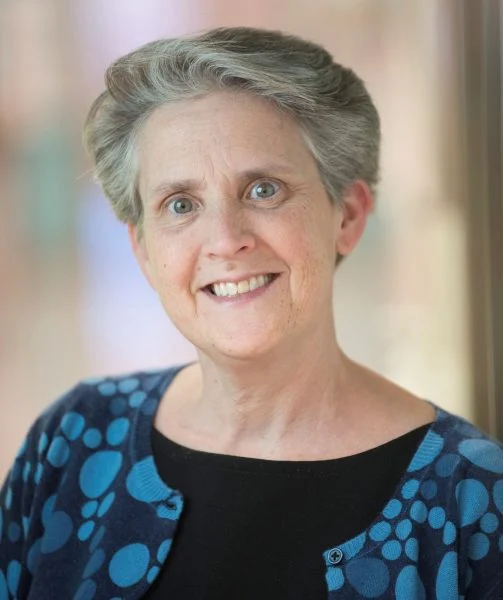
A transformative clinical trial has commenced in the Twin Cities, marking a pivotal moment in the decades-long battle against the most lethal forms of childhood brain cancer. Researchers at the University of Minnesota, supported by the Children’s Cancer Research Fund (CCRF), have initiated a first-of-its-kind study targeting Diffuse Midline Glioma (DMG) and Diffuse Intrinsic Pontine Glioma (DIPG). These aggressive tumors, which primarily affect children, have historically carried a near-zero survival rate, but a new therapeutic approach utilizing a "shield-busting" molecule in combination with a specialized vaccine offers a new frontier of hope for families who previously had few, if any, treatment options.
The trial is the culmination of more than 20 years of rigorous laboratory research and represents a significant shift in how pediatric neuro-oncology approaches terminal diagnoses. By focusing on the mechanism by which cancer cells evade the immune system, the research team aims to dismantle the biological defenses of these tumors, allowing the body’s natural killer cells to identify and destroy the malignancy.
The Biological Challenge: Understanding DMG and DIPG
Brain tumors remain the leading cause of cancer-related deaths among children in the United States, surpassing leukemia in recent years due to advancements in blood cancer treatments that have not been mirrored in neuro-oncology. Among these, DMG and DIPG are particularly devastating. These tumors are located in the midline structures of the brain, including the brainstem, which controls vital functions such as breathing, heart rate, and blood pressure. Because of their location and the way they infiltrate healthy brain tissue, surgical resection is almost always impossible.
Statistically, the prognosis for a child diagnosed with DIPG has remained largely unchanged for half a century. The median survival time following diagnosis is approximately nine to eleven months, with a five-year survival rate of less than 1%. Conventional treatments, such as radiation therapy, often provide only temporary relief by shrinking the tumor, but the cancer inevitably returns with increased resistance.
The primary hurdle in treating these gliomas is the blood-brain barrier (BBB), a protective layer of cells that prevents harmful substances from entering the brain but also blocks most chemotherapy drugs. Furthermore, these tumors are characterized by a unique genetic mutation—most commonly the H3 K27M mutation—which fundamentally alters the epigenetic landscape of the cell, making it highly resistant to standard therapies.
The Breakthrough: Dismantling the Protein Shield
The new clinical trial at the University of Minnesota centers on a sophisticated understanding of "immune checkpoints" and tumor evasion. While a healthy immune system is designed to recognize and eliminate abnormal cells, DMG and DIPG cells are notorious for their ability to hide in plain sight. They accomplish this by expressing specific proteins on their surface that act as a "shield," sending a "don’t eat me" signal to the immune system’s macrophages and T-cells.
After twenty years of investigation, University of Minnesota researchers have identified a molecule capable of neutralizing this protein shield. By blocking these inhibitory signals, the molecule effectively "unmasks" the cancer cells. However, unmasking the cells is only half the battle. To ensure the immune system can mount a robust and specific attack, the trial combines this molecule with a customized vaccine.
The vaccine is designed to "train" the patient’s immune system to recognize the specific antigens associated with their tumor. This dual-action approach—stripping away the tumor’s defenses while simultaneously providing the immune system with a targeted "wanted poster" for the cancer—represents a significant evolution in immunotherapy. This strategy aims to overcome the "cold" immune environment of brain tumors, turning them "hot" and susceptible to biological destruction.
A Two-Decade Timeline of Innovation
The path to this clinical trial has been long and arduous, requiring a sustained commitment from the scientific community. The timeline of this research reflects the slow but steady progress of translational medicine:
- Early 2000s: Researchers at the University of Minnesota began investigating the unique genetic markers of pediatric gliomas, moving away from the "one-size-fits-all" approach of adult oncology.
- 2010-2015: Advances in genomic sequencing allowed scientists to identify the H3 K27M mutation and the specific proteins used by DMG cells to evade the immune system. Laboratory models began to show that blocking these proteins could slow tumor growth.
- 2016-2020: The development of the "shield-busting" molecule moved into pre-clinical phases. During this time, the Children’s Cancer Research Fund (CCRF) intensified its fundraising efforts, recognizing the potential for a breakthrough.
- 2021-2024: Final regulatory approvals were sought from the FDA for a Phase I clinical trial. This involved rigorous safety testing and the development of protocols to ensure the molecule could be safely administered to pediatric patients.
- 2025: The trial officially opens in the Twin Cities, enrolling a small, select group of children to test the safety and preliminary efficacy of the combined therapy.
Clinical Implementation and Expert Perspectives
Dr. Anne Bendel, Director of the Neuro-oncology Program at Children’s Minnesota and a lead figure in the trial’s implementation, emphasized the moral and scientific urgency of the work. According to Dr. Bendel, the medical community has lacked effective tools against DMG for far too long. She noted that the trial is a critical step toward changing the reality for children who are often told there are no further options.

"Caring for these patients reminds us why research matters," Dr. Bendel stated. She highlighted that the goal is not just to extend life by a few months, but to move toward a future where every child can expect a healthy, happy life with their families.
The trial currently involves fewer than a dozen participants. This small cohort is typical for Phase I trials, which are primarily designed to determine the safety of a new treatment and the appropriate dosage. However, the qualitative impact on the participating families is immeasurable. For many, the trial represents the only tangible source of hope in a landscape of terminal diagnoses.
The Role of Philanthropy and Strategic Investment
The funding for this research highlights a unique collaboration between non-profit organizations, private philanthropy, and the financial sector. The Children’s Cancer Research Fund has been the primary engine behind the project, but the scale of a clinical trial requires capital beyond traditional grassroots fundraising.
In a notable development, major U.S. investment firms and top wealth advisors have joined forces with philanthropists to provide the necessary financial backing. This "venture philanthropy" model ensures that high-risk, high-reward research—which might be overlooked by large pharmaceutical companies due to the small "market size" of rare pediatric cancers—receives the funding it needs to move from the lab to the clinic.
This coalition of donors recognizes that breakthroughs in rare pediatric brain tumors often lead to broader applications in oncology. The mechanisms of immune evasion being studied in DMG may eventually provide insights into treating more common adult glioblastomas or other solid tumors that utilize similar "protein shields."
Broader Implications for Pediatric Oncology
The implications of the University of Minnesota trial extend far beyond the Twin Cities. If the combination of the shield-busting molecule and the vaccine proves safe and effective, it could redefine the standard of care for DMG and DIPG globally.
Furthermore, the trial serves as a proof-of-concept for personalized immunotherapy in the central nervous system. By demonstrating that the immune system can be successfully recruited to fight tumors in the brain, the research opens the door for a new generation of "bio-therapeutics" that avoid the devastating side effects of systemic chemotherapy and radiation.
Industry analysts and medical researchers are watching the trial closely. Success here would validate the decades of foundational research conducted at the University of Minnesota and provide a roadmap for other academic institutions tackling "incurable" diseases. It also underscores the importance of regional centers of excellence in the national healthcare landscape, positioning Minnesota as a global leader in pediatric neuro-oncology.
Conclusion: A New Chapter of Hope
As the clinical trial progresses, the focus remains on the children and families navigating the complexities of a DMG diagnosis. While the scientific community remains cautiously optimistic, the presence of a viable clinical trial in the Twin Cities is itself a victory of persistence over the status quo.
The battle against childhood brain cancer is far from over, but the launch of this trial signifies that the "protein shields" that once made these tumors invincible are finally beginning to crack. Through the synergy of innovative science, dedicated medical professionals, and a robust network of donors, the path toward a cure is more visible than ever before. For the children participating in this trial, and the thousands who will follow, this research is not just a scientific endeavor—it is a lifeline.
