
 By Hendra Lukman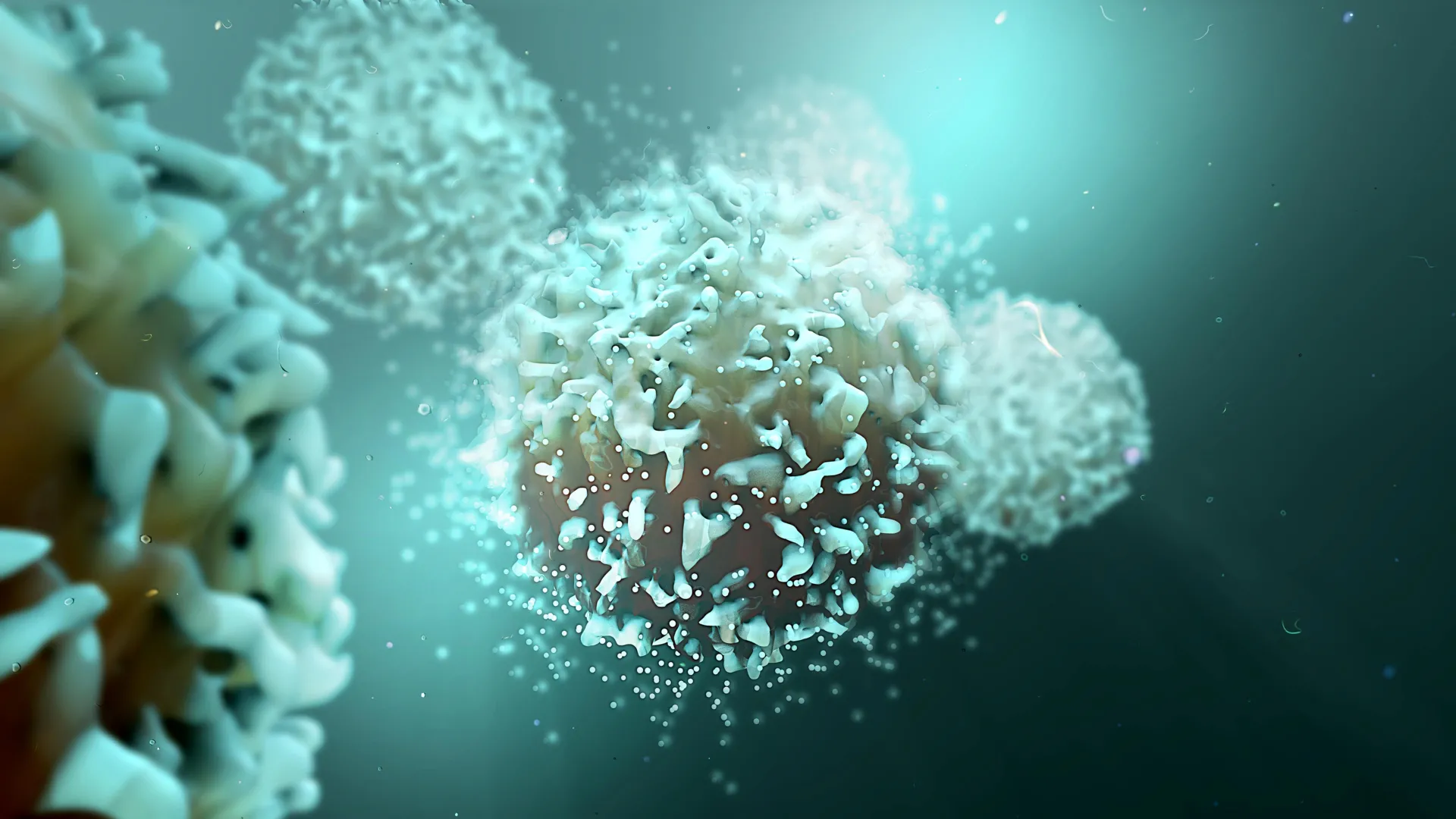
A revolutionary gene therapy, developed through a pioneering collaboration between scientists at University College London (UCL) and Great Ormond Street Hospital (GOSH), is demonstrating exceptionally promising results for individuals, both children and adults, battling T-cell acute lymphoblastic leukemia (T-ALL). This aggressive and relatively uncommon blood cancer, which progresses rapidly, has historically presented formidable treatment challenges, particularly for those with limited therapeutic avenues. The innovative approach leverages genome-edited immune cells, specifically T-cells, to precisely target and eradicate the disease, offering a beacon of hope where conventional options have faltered.
BE-CAR7: A First-of-Its-Kind Gene Therapy
At the heart of this breakthrough is BE-CAR7, a pioneering gene therapy that utilizes base-edited immune cells to mount an assault on specific subtypes of T-cell leukemia that have proven stubbornly resistant to existing treatments. Base-editing represents a sophisticated advancement within the CRISPR gene-editing technology. Unlike traditional CRISPR methods that make double-strand breaks in DNA, base-editing allows for the precise alteration of individual DNA letters within living cells with remarkable accuracy. This precision is crucial in minimizing unintended genetic modifications and potential off-target effects.
The genesis of this groundbreaking therapy can be traced back to 2022, when researchers at GOSH and UCL successfully employed this innovative technology to treat Alyssa, a 13-year-old girl from Leicester. Her case marked a historic moment as the first instance worldwide of a base-edited therapy being administered to a patient. Since this initial success, the treatment has been extended to a total of eight additional children and two adults across GOSH and King’s College Hospital (KCH), underscoring its expanding application and the growing confidence in its efficacy.
Promising Clinical Trial Outcomes Reveal High Remission Rates
The early findings from the clinical trial, which have been meticulously documented and published in the prestigious New England Journal of Medicine, were also presented at the 67th American Society of Hematology Annual Meeting. The research team reported several key outcomes that underscore the therapy’s significant potential. While specific remission rate percentages are still being aggregated and will be detailed in forthcoming comprehensive analyses, the consistent achievement of remission in a patient population with limited alternatives is a powerful indicator of success. The early data suggests that the therapy is effectively clearing cancerous T-cells, paving the way for subsequent treatments and recovery.
Understanding CAR T-Cell Therapy and Its T-Cell Leukemia Challenge
Chimeric antigen receptor (CAR) T-cell immunotherapy has emerged as a vital therapeutic strategy for a growing number of blood cancers. The fundamental principle involves modifying a patient’s own T-cells, a type of white blood cell crucial to the immune system, by equipping them with a custom-designed protein known as a chimeric antigen receptor (CAR). This engineered receptor acts like a homing device, enabling the modified T-cells to identify specific markers, or "flags," present on the surface of cancer cells. Once identified, the CAR T-cells are programmed to directly attack and destroy these malignant cells.
However, developing CAR T-cell therapies for leukemias that originate from T-cells, such as T-ALL, presents a unique and considerable challenge. The inherent difficulty lies in the need for the therapy to effectively eliminate cancerous T-cells without inadvertently triggering the engineered CAR T-cells to attack the body’s healthy T-cells. This delicate balance is critical to prevent a potentially devastating autoimmune-like response.
Base-Editing Unlocks the Potential for Universal CAR T-Cells
The BE-CAR7 therapy addresses this challenge through the innovative use of base-edited CAR T-cells. This next-generation genome editing method is distinguished by its ability to modify single DNA letters without inducing double-strand breaks in the DNA helix. This characteristic significantly reduces the risk of chromosomal damage, a crucial safety consideration in gene therapy.
Employing CRISPR-based tools, researchers were able to precisely alter individual DNA letters within the T-cells. These carefully orchestrated edits enabled the creation of banked stores of "universal" CAR T-cells. This "off-the-shelf" approach means these engineered cells can be prepared in advance and readily administered to different patients, a stark contrast to traditional CAR T-cell therapies that often require cells to be harvested and engineered from the individual patient. The universal BE-CAR7 T-cells retain their ability to effectively recognize and attack T-cell leukemia.
For the purposes of this study, the universal CAR T-cells were derived from the white blood cells of healthy donors. The sophisticated engineering process took place within a state-of-the-art clean room facility at GOSH. This involved the use of custom RNA, messenger RNA (mRNA), and a lentiviral vector, all integrated within an automated system that the research team had previously refined. The key steps in this complex manufacturing process included:
- T-cell Isolation: Obtaining healthy T-cells from volunteer donors.
- Genome Editing: Utilizing base-editing technology to introduce precise genetic modifications. This involves altering specific DNA bases to achieve the desired cellular reprogramming without causing double-strand DNA breaks.
- CAR Gene Insertion: Introducing the gene that encodes the chimeric antigen receptor (CAR) into the T-cells. This CAR is specifically designed to target markers found on T-ALL cells, such as the CD7 antigen.
- Quality Control and Expansion: Rigorous testing to ensure the safety and efficacy of the engineered T-cells, followed by expansion to produce sufficient quantities for clinical use.
From Cancer Eradication to Immune System Restoration
Upon administration, the base-edited BE-CAR7 T-cells swiftly embark on a mission to locate and eliminate T-cells throughout the patient’s body, with a particular focus on eradicating the cancerous leukemia cells. If the leukemia is successfully cleared within the initial month of treatment, patients then undergo a bone marrow transplant. This critical procedure is designed to rebuild a healthy and functioning immune system, a process that typically takes several months to achieve full restoration.
Professor Waseem Qasim, the lead researcher and a distinguished figure in cell and gene therapy at UCL and an honorary consultant immunologist at GOSH, expressed his optimism and emphasized the significance of these findings. "We previously demonstrated promising results using precision genome editing for children with aggressive blood cancer, and this larger cohort of patients further confirms the profound impact of this treatment modality," Professor Qasim stated. "We have now shown that universal, or ‘off-the-shelf,’ base-edited CAR T-cells can effectively seek and destroy highly resistant cases of CD7+ leukemia."
He further elaborated on the collaborative nature of the research and the emotional weight of the outcomes. "Numerous teams across the hospital and university were integral to this endeavor, and everyone is immensely gratful for the patients who have cleared their disease. However, we are also acutely aware that the outcomes were not as hoped for some children. These are intensive and challenging treatments, and patients and their families have been incredibly generous in recognizing the importance of learning as much as possible from each experience to advance future care."
New Hope for Patients Resisting Standard Therapies
Dr. Rob Chiesa, a key investigator in the study and a consultant in bone marrow transplantation at GOSH, highlighted the critical need for alternative treatments. "While the majority of children diagnosed with T-cell leukemia respond well to standard therapies, approximately 20% do not achieve remission or experience relapse. It is precisely these patients who are in desperate need of more effective options, and this research offers significant hope for an improved prognosis for all individuals diagnosed with this rare yet aggressive form of blood cancer."
Dr. Chiesa also shared a personal reflection on Alyssa’s journey. "Witnessing Alyssa’s remarkable recovery and her continued progress is incredibly inspiring. It is a testament to her own tenacity and the unwavering dedication of a vast team of individuals at GOSH. The seamless collaboration between bone marrow transplant specialists, hematologists, ward staff, educators, play therapists, physiotherapists, and laboratory and research teams, among others, is absolutely essential for providing comprehensive support to our patients."
Echoing this sentiment, Dr. Deborah Yallop, a consultant hematologist at KCH, commented on the observed results. "We have witnessed truly impressive responses in clearing leukemia that previously seemed incurable. This approach represents a very powerful advancement in our treatment arsenal."
Expanded Funding Aims to Broaden Access to T-ALL Patients
The ongoing clinical trial is sponsored by GOSH and receives vital support from the Medical Research Council, Wellcome, and the National Institute for Health and Care Research (NIHR). Patients who are eligible for NHS care and are interested in participating in the trial are encouraged to discuss their options with their healthcare team.
In a significant development aimed at broadening access to this potentially life-saving treatment, the GOSH Charity has committed substantial funding to support the treatment of an additional 10 T-ALL patients. This investment, exceeding £2 million, not only expands the reach of the trial but also bolsters the GOSH Charity’s ambitious fundraising campaign for a new Children’s Cancer Centre. This state-of-the-art facility is envisioned to accelerate cutting-edge research and foster innovation in pediatric oncology.
Alyssa’s Inspiring Recovery Fuels Future Progress
Alyssa Tapley, now 16 years old, stands as a living testament to the transformative power of this innovative therapy. Her experience as the first person globally to receive a base-edited cell therapy continues to inspire the research community. In 2022, when her leukemia was no longer detectable, she remained under vigilant medical observation. She has since transitioned to long-term follow-up and is now fully immersed in daily life, enjoying time with her friends and pursuing her passions.
Alyssa was diagnosed with T-cell leukemia in May 2021, following a prolonged period of symptoms that were initially attributed to recurrent viral illnesses and fatigue. Standard treatments, including chemotherapy and a first bone marrow transplant, proved unsuccessful, and discussions about palliative care were underway when the research team extended the offer of the experimental therapy.
Reflecting on her decision to participate, Alyssa shared, "I chose to take part in the research because I felt that, even if it didn’t work for me, it could help others. Years later, we know it worked, and I am doing really well. I’ve been able to do all the things you’re supposed to do as a teenager. I’ve gone sailing, spent time away from home working towards my Duke of Edinburgh Award, and even just going to school is something I dreamed of when I was ill. I’m not taking anything for granted. My next goal is to learn to drive, but my ultimate ambition is to become a research scientist and be part of the next significant discovery that can help people like me."
Robust Research Infrastructure and Sustained Support
The development and manufacturing of the BE-CAR7 cells are a product of a long-term, dedicated research program at the UCL Great Ormond Street Institute of Child Health, spearheaded by Professor Qasim. His dual role as a professor at UCL and an honorary consultant at GOSH underscores the integrated nature of this collaborative effort. Continuous support from organizations such as NIHR, Wellcome, the Medical Research Council, and the GOSH Charity has been instrumental in driving the advancement of these innovative genome editing treatments.
The research team now operates from the Zayed Centre for Research into Rare Disease in Children. This cutting-edge facility is a testament to a significant partnership between UCL and GOSH, made possible by a substantial £60 million gift in 2014 from Her Highness Sheikha Fatima bint Mubarak, in honor of her late husband, Sheikh Zayed bin Sultan Al Nahyan. This center provides a world-class environment for groundbreaking research into rare diseases affecting children.
The researchers have also extended their sincere gratitude to Anthony Nolan, a leading UK cancer charity, and to the numerous volunteer blood and stem cell donors whose contributions are invaluable. Furthermore, they expressed profound appreciation to the patients and their families who courageously chose to participate in this vital research, contributing to the advancement of medical science and the hope for future treatments.
