
 By Hendra Lukman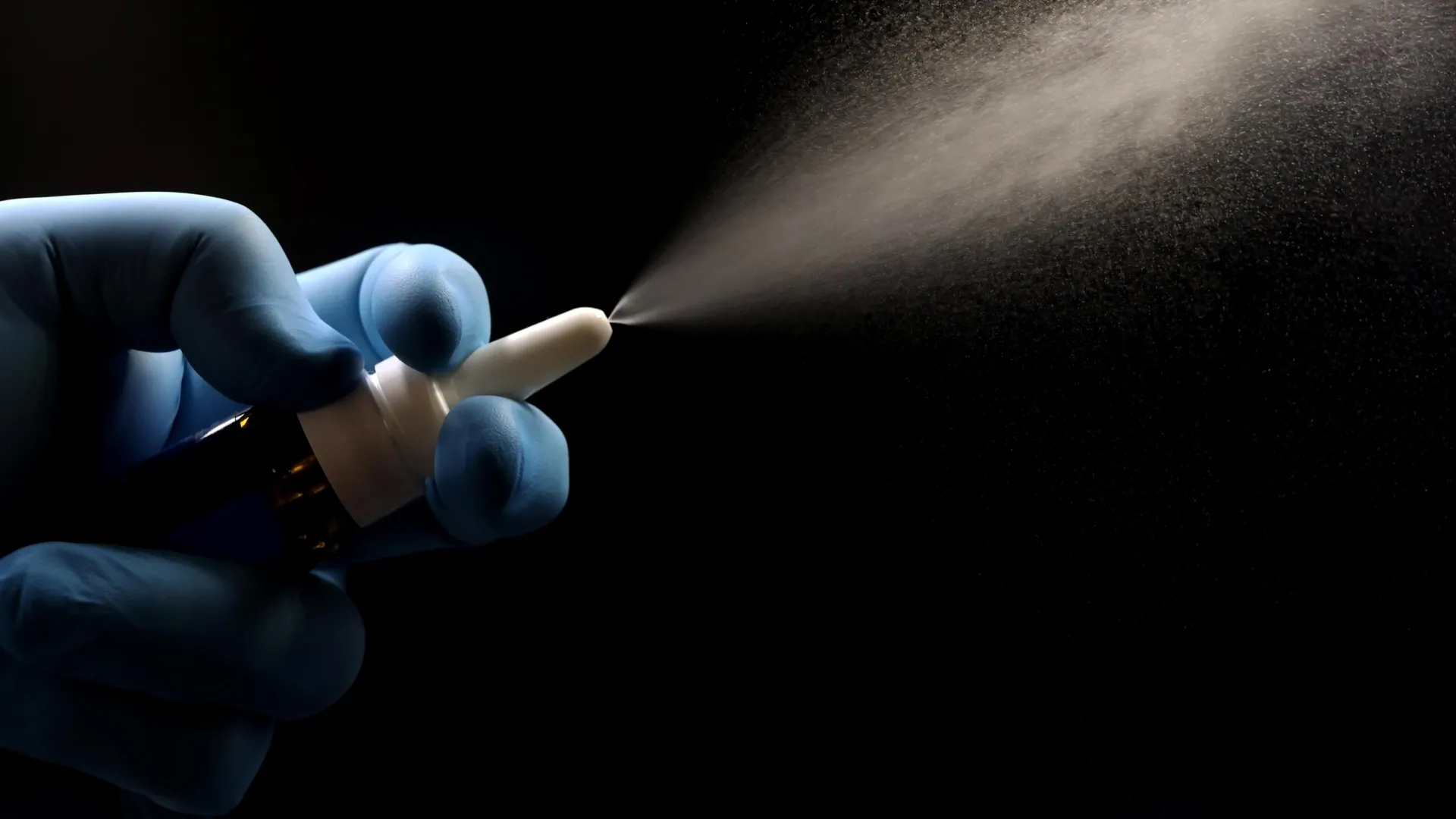
The specter of a potential pandemic looms larger as the H5N1 avian influenza virus, commonly known as bird flu, continues its concerning trajectory in the United States. First identified in the U.S. in 2014, the virus has demonstrated a troubling capacity to evolve beyond its avian hosts, permeating into domestic farm animals, notably dairy cattle, and consequently infecting humans. The Centers for Disease Control and Prevention (CDC) reports that since 2022, over 70 human cases have been documented nationwide, including two fatalities, underscoring the growing public health threat. With the virus persisting in animal populations, scientists are increasingly apprehensive about its potential to adapt further, acquiring mutations that could facilitate more efficient human-to-human transmission and trigger a global health crisis.
In a significant development aimed at bolstering defenses against this escalating threat, researchers at Washington University School of Medicine in St. Louis have pioneered a novel vaccine approach. This innovative vaccine is administered intranasally, bypassing the traditional intramuscular injection. Initial studies conducted in hamsters and mice have yielded encouraging results, demonstrating that the intranasal vaccine elicits robust immune responses and effectively prevents infection following exposure to the H5N1 virus.
A critical hurdle in influenza vaccine development, including for avian strains, is the potential for pre-existing immunity from seasonal flu infections or vaccinations to diminish the effectiveness of new vaccines. The Washington University team has addressed this challenge head-on. Their research indicates that the intranasal vaccine maintains its protective efficacy even in animal models that already possess immunity to seasonal influenza strains. These pivotal findings were formally published on January 30th in the esteemed journal Cell Reports Medicine.
Addressing the Evolving Threat of H5N1
The recent spillover of H5N1 into dairy cattle in the United States represents a watershed moment in the virus’s evolution, according to Dr. Jacco Boon, a professor in the WashU Medicine John T. Milliken Department of Medicine and a co-senior author of the study. "This particular version of bird flu has been around for some time, but the unique and totally unexpected event where it jumped across species into dairy cows in the United States was a clear sign that we should prepare for the event that a pandemic may occur," Dr. Boon stated. He emphasized the potential of their nasal vaccine to offer superior protection compared to conventional vaccines. "Our vaccine to the nose and upper airway — not the shot-in-the-arm vaccine people are used to — can protect against upper respiratory infection as well as severe disease. This could provide better protection against transmission because it protects against infection in the first place."
Modernizing Avian Influenza Vaccine Technology
While an avian influenza vaccine does exist, it was developed based on older virus strains and may not offer optimal protection against current iterations of H5N1. Furthermore, its widespread availability has been a concern. To surmount these limitations, Dr. Boon and his collaborators leveraged intranasal vaccine technology that had been previously developed at WashU Medicine by co-authors Dr. Michael S. Diamond, MD, PhD, the Herbert S. Gasser Professor of Medicine, and Dr. David T. Curiel, MD, PhD, a professor of radiation oncology. This advanced platform has proven successful in other applications, notably in a COVID-19 vaccine that has been available in India since 2022 and received approval for clinical testing in the U.S. last year.
Engineering an Immune Response Tailored to the Virus
The efficacy of any vaccine hinges on its ability to elicit a rapid and precise immune response against the targeted pathogen. To achieve this for H5N1, Dr. Boon and co-author Dr. Eva-Maria Strauch, PhD, an associate professor of medicine specializing in antivirals and protein design, meticulously selected proteins from H5N1 strains known to infect humans. By identifying and utilizing conserved features within these viral proteins, they engineered an optimized antigen – the specific component of the virus that triggers an immune response.
This meticulously designed antigen was then incorporated into a harmless, non-replicating adenovirus, which serves as a sophisticated delivery vehicle for the vaccine. This methodology for antigen design and adenovirus delivery mirrors the successful strategy employed in the development of the COVID-19 nasal vaccine, indicating a robust and transferable technological foundation.
Robust Protection Demonstrated in Animal Models
The preclinical trials in hamsters and mice provided compelling evidence of the nasal vaccine’s potent protective capabilities. Researchers observed near-complete prevention of H5N1 infection in these animal models. Crucially, as anticipated, existing seasonal flu vaccines offered minimal defense against the avian strain. In both hamster and mouse populations, the intranasal spray vaccine exhibited superior protection compared to the same vaccine administered via traditional intramuscular injection. The vaccine’s resilience was further underscored by its high effectiveness even when administered at lower doses and subsequently challenged with high levels of viral exposure.
Disrupting Infection Pathways in the Nasal and Lung Tissues
A significant advantage of the intranasal delivery method is its capacity to stimulate potent immune responses throughout the respiratory tract, with particularly heightened activity in the nasal passages and lungs. Dr. Boon highlighted that this localized immune activation offers a distinct benefit over injected vaccines, which primarily target systemic immunity. "We’ve shown that this nasal vaccine delivery platform we conceived, designed and conducted initial testing on at WashU Medicine can prevent H5N1 infection from taking hold in the nose and lungs," stated Dr. Diamond, the study’s co-senior author. "Delivering vaccine directly to the upper airway where you most need protection from respiratory infection could disrupt the cycle of infection and transmission. That’s crucial to slowing the spread of infection for H5N1 as well as other flu strains and respiratory infections."
Further experiments delved into the crucial question of interference from pre-existing immunity. The research team investigated whether prior influenza infections or vaccinations would compromise the H5N1 nasal vaccine’s performance. Their findings were highly encouraging: the intranasal vaccine continued to provide strong protection even in the presence of established flu immunity. This is a particularly important consideration for widespread implementation, given that the vast majority of the population, with the exception of very young children, has encountered and developed immune memory to influenza viruses.
Future Directions for the Intranasal H5N1 Vaccine
The research team at Washington University School of Medicine is committed to advancing this promising vaccine candidate. Their next steps involve conducting more extensive studies in animal models and utilizing organoids that accurately mimic human immune tissues. Concurrently, they are actively engaged in developing updated versions of the vaccine. These next-generation formulations are designed to further mitigate the impact of prior seasonal flu immunity and to amplify antiviral responses, thereby enhancing overall protection.
This critical research was made possible through the support of the Cooperative Center for Human Immunology (U19AI181103) and the Center for Research on Structural Biology of Infectious Diseases (75N93022C00035). The Boon laboratory has received funding from Novavax Inc. for influenza virus vaccine development and unrelated financial support from AbbVie Inc. Dr. Diamond serves as a consultant for or on the Scientific Advisory Board of Inbios, IntegerBio, Akagera Medicines, GlaxoSmithKline, Merck, and Moderna. The Diamond laboratory has also received unrelated financial support through sponsored research agreements from Moderna.
Broader Implications and the Path Forward
The emergence of H5N1 avian influenza in novel animal reservoirs, such as dairy cattle, signifies a critical juncture in its evolution. Historically, H5N1 primarily circulated among poultry, with sporadic, often severe, human infections occurring through direct contact with infected birds. The recent broader transmission into mammals, including documented cases in various mammal species beyond cattle, raises significant concerns about increased opportunities for viral adaptation and recombination. This adaptation could potentially lead to a virus with a higher transmissibility among humans, a hallmark of pandemic-capable strains.
The timeline of H5N1’s spread in the U.S. paints a concerning picture:
- 2014: First detection of H5N1 avian influenza in wild birds in the United States.
- 2014-2021: Sporadic outbreaks in poultry and occasional detections in wild birds, with limited human exposure.
- Late 2021 – Early 2022: A significant surge in H5N1 outbreaks among wild birds and commercial poultry operations across the U.S.
- 2022-Present: Spread into domestic animals beyond poultry, notably dairy cattle, and a marked increase in human cases.
- January 2024: Publication of promising preclinical results for the intranasal H5N1 vaccine by Washington University researchers.
The current U.S. strategy for avian influenza relies on existing vaccine candidates that were developed years ago, potentially offering suboptimal protection against the circulating H5N1 strains. The availability of a rapidly deployable, effective vaccine is therefore paramount. The intranasal vaccine developed at Washington University offers a promising avenue, not only for its potential efficacy but also for its ease of administration and its ability to induce mucosal immunity, which is crucial for preventing initial infection and onward transmission of respiratory viruses.
The implications of this research extend beyond H5N1. The platform technology used for this avian flu vaccine is the same that has been adapted for COVID-19, demonstrating its versatility. This could pave the way for rapid development of intranasal vaccines against future emerging respiratory viruses. The ability to overcome pre-existing immunity is a significant advantage, especially in a globalized world where populations are frequently exposed to various pathogens.
While official responses from public health agencies like the CDC and the World Health Organization (WHO) have consistently emphasized surveillance and preparedness, the development of novel countermeasures is a critical component of these strategies. The Washington University study provides concrete scientific evidence that could inform future vaccine development pipelines and potentially influence public health policy regarding pandemic preparedness. As scientists continue to monitor the evolving landscape of H5N1 and other zoonotic threats, innovations like this intranasal vaccine represent a vital step in safeguarding global health against the persistent threat of novel infectious diseases. Further clinical trials will be essential to confirm these promising findings in human populations.
