
 By Nana O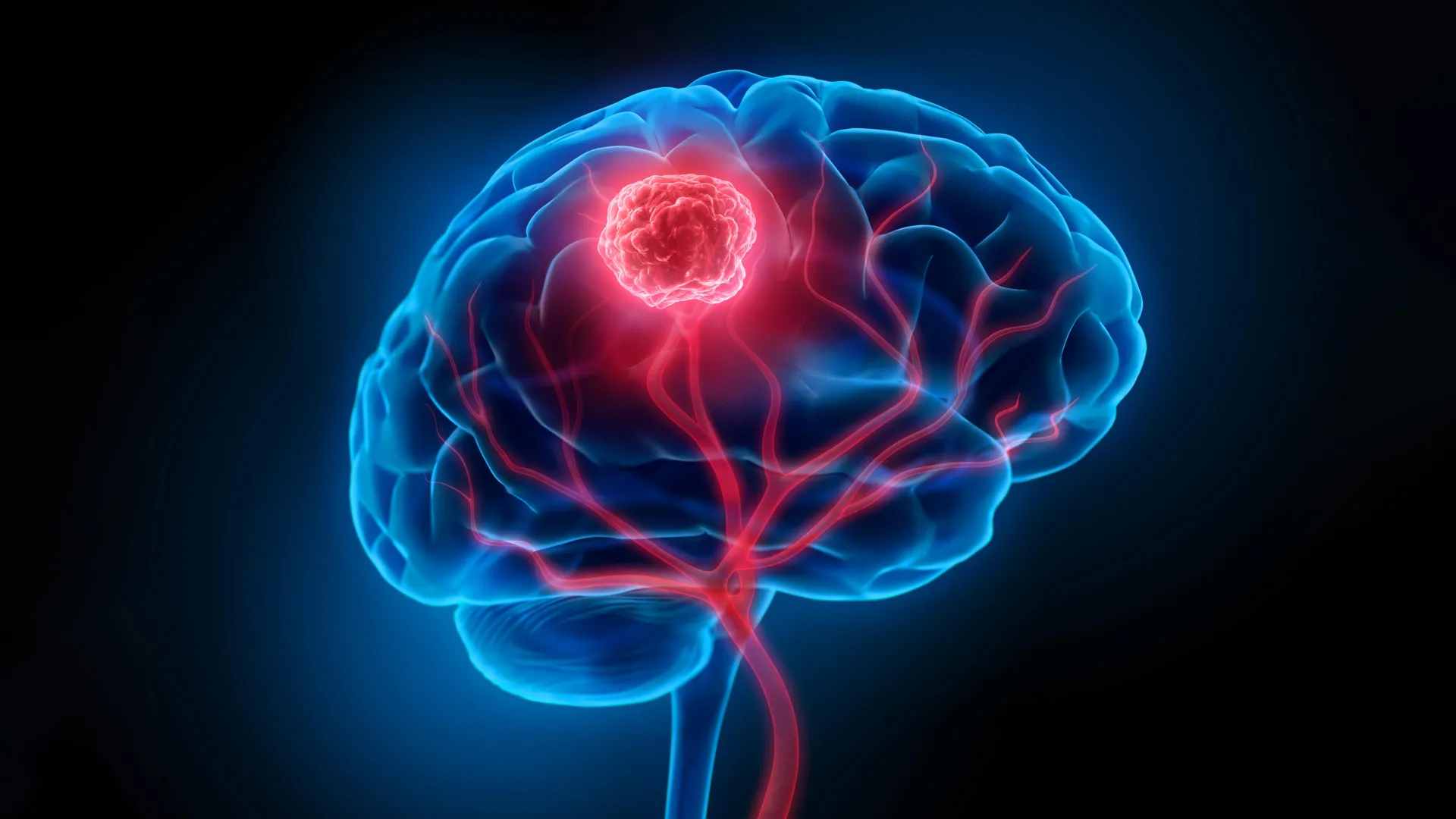
Glioblastoma, the most aggressive form of brain cancer, presents a formidable challenge to medical science. Its insidious nature, characterized by widespread infiltration into healthy brain tissue, renders complete surgical removal exceedingly difficult. Surgeons operate under immense pressure, balancing the imperative to excise cancerous cells with the critical need to preserve vital neurological functions. This inherent complexity is compounded by the blood-brain barrier, a biological shield that severely limits the efficacy of conventional therapeutic agents, including chemotherapy and radiotherapy, in reaching and eradicating the tumor. The grim reality of these combined obstacles is reflected in the stark five-year survival rate for glioblastoma patients, which hovers at a mere 7 percent. However, recent groundbreaking research from a collaborative effort involving scientists at the University of Technology Sydney (UTS), Harvard University, and Henan University offers a beacon of hope, unveiling a novel ‘double-punch’ nanozyme platform designed to simultaneously address the dual challenges of tumor visualization and residual cancer cell eradication.
The Genesis of a Dual-Action Nanoparticle System
The development of this innovative platform, detailed in a recent publication in the prestigious journal Science Translational Medicine, represents a significant leap forward in the quest for more effective glioblastoma treatments. At its core lies a sophisticated, single-material system of smart nanoparticles engineered to perform two distinct but sequential functions. "We’ve engineered a single material that does two jobs in sequence," explained Dr. Bingyang Shi, Chair Professor of nanomedicine from the School of Electrical, Mechanical and Biomedical Engineering at UTS and a lead author on the study. "It’s a precise guide for the surgeon during the operation, and then a targeted clean-up treatment afterward." This dual-action capability is achieved through a meticulously constructed two-dimensional sheet, composed of individual atoms precisely arranged using techniques adapted from the semiconductor manufacturing industry. This atomic-level precision allows the material to dynamically switch its function, enabling it to serve as a highly sensitive imaging agent during surgery and subsequently as a phototherapeutic agent post-operation. Crucially, both of these functions are activated by the same near-infrared light, simplifying the treatment protocol.
Enhancing Surgical Precision: Illuminating Microscopic Tumor Clusters
One of the primary limitations in glioblastoma surgery is the inability of current imaging technologies to detect the full extent of tumor infiltration, particularly microscopic clusters of cancer cells that can remain hidden within the brain’s intricate architecture. The newly developed nanoparticle platform directly addresses this critical deficiency. "During surgery, it functions as a highly sensitive imaging agent," stated Professor Shi. "A fluorescent dye engineered onto the sheet glows under a near-infrared wavelength invisible to the naked eye, allowing surgeons to see individual tumor cell clusters as small as 44 micrometers, a resolution beyond current clinical imaging tools." This unprecedented level of detail empowers surgeons to make more informed decisions during the operation, leading to more complete and precise tumor resection. Furthermore, the nanoparticles are equipped with a targeting molecule, a sophisticated biological tag that facilitates their passage across the blood-brain barrier and ensures their preferential accumulation within glioma cells, thereby maximizing their visibility and diagnostic utility. This targeted delivery mechanism is paramount in ensuring that the imaging agent concentrates where it is needed most, minimizing off-target effects and enhancing the clarity of the surgical field.
Post-Operative Eradication: A Targeted Clean-Up Operation
Following the surgical removal of the visible tumor, the battle against glioblastoma is far from over. Residual microscopic cancer cells, often undetectable by even the most advanced imaging techniques, pose a significant threat, serving as the seeds for tumor recurrence. The nanozyme platform is ingeniously designed to confront this persistent challenge. Once the initial tumor mass has been excised, the same nanoparticle material can be administered into the surgical cavity. Upon activation by the same near-infrared light used for imaging, the nanoparticles initiate a potent therapeutic cascade. "After the visible tumor is removed, the same material is administered into the surgical cavity and reactivated with the same wavelength of light for postoperative phototherapy," Professor Shi elaborated.
The therapeutic mechanism is twofold. Firstly, the platinum atoms integrated into the nanoparticle structure act as nanozymes, catalyzing a reaction that converts the tumor’s inherent hydrogen peroxide into oxygen. This process is vital, as glioblastoma tumors often create a hypoxic (low-oxygen) microenvironment, which shields cancer cells from conventional treatments. By replenishing oxygen levels, the nanoparticles disrupt this protective shield, rendering any remaining cancer cells more vulnerable to subsequent therapies. Simultaneously, the applied near-infrared light triggers the generation of heat and reactive oxygen species (ROS). These potent agents are capable of inducing programmed cell death (apoptosis) in any microscopic cancer cells that may have escaped surgical removal, effectively performing a targeted "clean-up" operation within the surgical cavity. This sequential, light-activated approach offers a powerful new strategy for eliminating the microscopic remnants of the tumor that are the primary drivers of recurrence.
Pre-Clinical Validation: Promising Results in Animal Models
The efficacy of this dual-function nanoparticle platform has been rigorously evaluated in pre-clinical studies using mouse models of glioblastoma. The results have been highly encouraging, demonstrating a significant reduction in tumor recurrence following surgery in treated animals. In a critical comparison, every mouse that received the nanoparticle treatment remained alive at the 60-day mark. In stark contrast, mice that underwent surgery alone had a median survival of only 42 days. This substantial improvement in survival underscores the therapeutic potential of the nanozyme platform in combating this aggressive cancer.
Furthermore, comprehensive follow-up assessments revealed no detectable neurological or motor impairments associated with the treatment in the animal models. This is a crucial finding, as the brain’s delicate nature necessitates treatments that are both effective and safe, minimizing the risk of secondary damage. The absence of adverse neurological effects suggests that the targeted nature of the nanoparticle therapy, coupled with its localized activation, may offer a favorable safety profile.
The Road Ahead: From Bench to Bedside
While the pre-clinical results are exceptionally promising, the researchers are careful to emphasize that this technology is still in its nascent stages of development. "The results are very encouraging, but this is still early-stage research carried out in mouse models, not in people – and that distinction is important," Professor Shi cautioned. The transition from animal models to human clinical trials is a complex and lengthy process, involving rigorous safety and efficacy evaluations at each stage. The scalability of the nanoparticle production and its precise delivery and activation within the vastly more complex environment of a human brain will require extensive further investigation.
The next crucial steps involve scaling up the manufacturing process to produce sufficient quantities of the nanoparticles for human trials and conducting detailed pharmacokinetic and pharmacodynamic studies in larger animal models. Subsequently, the platform will need to undergo stringent regulatory review before it can be tested in human patients. The researchers estimate that it could be several years before this technology is available for clinical use.
Broader Implications and Future Directions
The development of this dual-function nanozyme platform holds profound implications for the future treatment of glioblastoma and potentially other aggressive brain tumors. The ability to simultaneously enhance surgical precision and eliminate residual cancer cells offers a paradigm shift in therapeutic strategy. If successfully translated to the clinic, this technology could significantly improve the prognosis for patients diagnosed with this devastating disease.
Beyond its immediate application in glioblastoma, the underlying principles of this dual-action nanoparticle system could be adapted for other challenging cancers. The ability to create intelligent nanomaterials that can navigate biological barriers, perform targeted imaging, and deliver localized therapeutic effects opens up a vast landscape of possibilities for innovative cancer treatments. The scientific community is keenly observing the progress of this research, recognizing its potential to redefine the therapeutic landscape for some of the most difficult-to-treat cancers. The hope is that this innovative approach will ultimately lead to reduced tumor recurrence rates, improved patient outcomes, and a brighter future for individuals facing the formidable challenge of glioblastoma. The collaborative spirit evident in this research, uniting expertise from diverse institutions and disciplines, underscores the power of interdisciplinary science in tackling humanity’s most pressing health challenges.
