
 By Billy Candra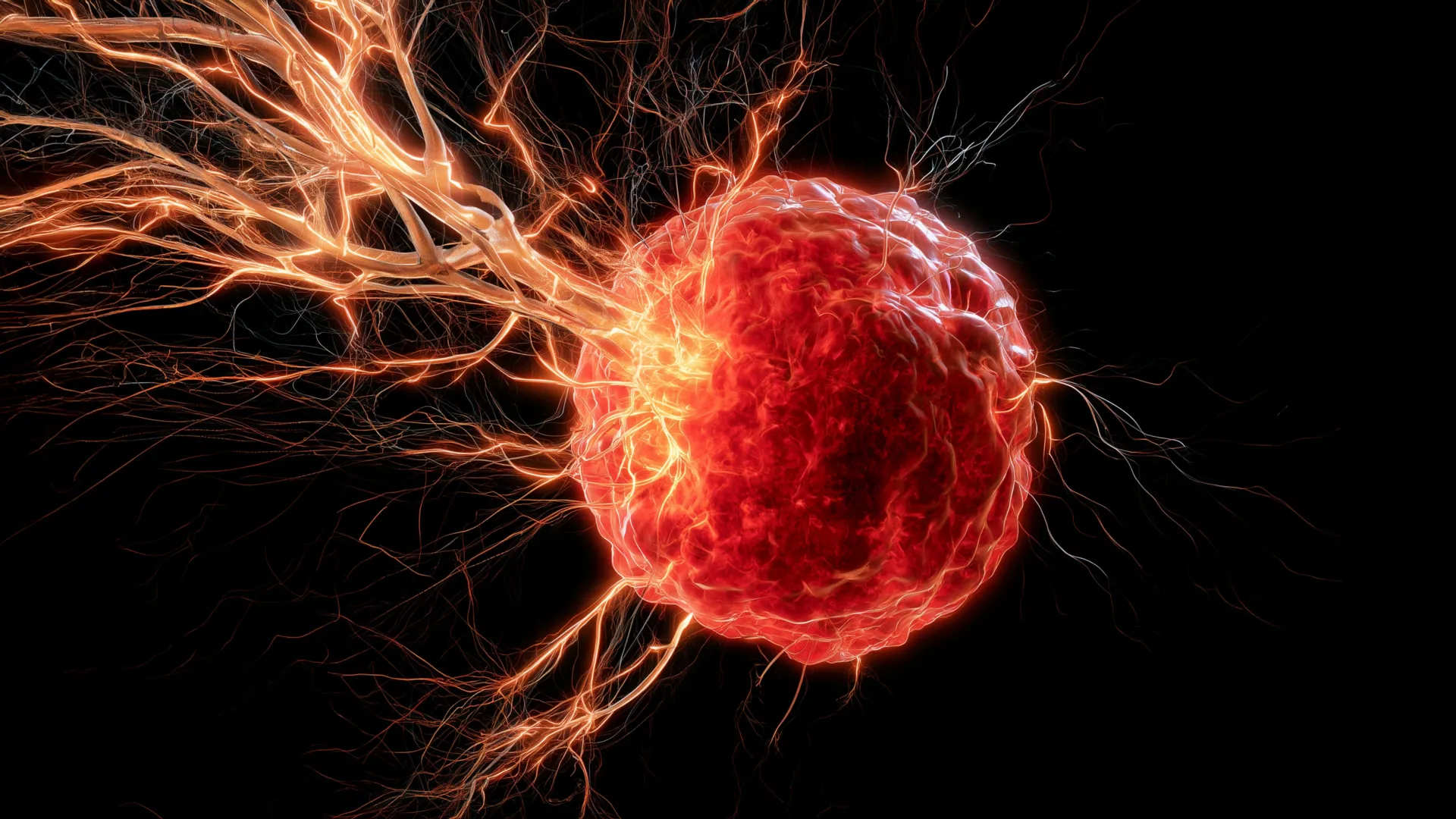
New research from the University of Oklahoma (OU) has delivered a significant breakthrough in understanding how an aggressive form of breast cancer, known as triple-negative breast cancer (TNBC), manipulates the body’s own immune system to foster its growth. The study, spearheaded by scientists at the OU College of Medicine and OU Health Stephenson Cancer Center, reveals a previously unelucidated mechanism where specific immune cells are co-opted by tumors to draw nerves into the cancerous mass, creating an environment conducive to cancer progression and potentially impacting treatment resistance. This discovery not only sheds light on a critical aspect of tumor biology but also points towards promising new therapeutic strategies, including the repurposing of existing drugs, to disrupt this nerve-cancer interaction.
Understanding the Enigma of Tumor Innervation
For many years, oncologists and researchers have observed the presence of extensive nerve networks within various solid tumors. This phenomenon, known as tumor innervation, has long puzzled scientists, with the precise mechanisms governing how these nerves infiltrate and integrate into malignant tissues remaining largely unknown. The recent findings, published in the esteemed journal Cell Death & Differentiation, provide a comprehensive explanation for this process specifically within triple-negative breast cancer, a subtype that represents approximately 10-15% of all breast cancers and is notoriously difficult to treat due to its aggressive nature and lack of targeted therapeutic options.
Triple-negative breast cancer derives its name from the fact that its cells do not express estrogen receptors (ER), progesterone receptors (PR), or human epidermal growth factor receptor 2 (HER2). This absence means that common and highly effective hormone therapies (like tamoxifen) and HER2-targeted drugs (like trastuzumab) are ineffective, leaving chemotherapy as the primary systemic treatment. Patients with TNBC often face poorer prognoses, higher rates of recurrence, and a greater propensity for metastasis compared to other breast cancer subtypes. The urgent need for novel treatment approaches for TNBC has driven intense research efforts, making any new insight into its unique biology particularly valuable.
The complex interplay between cancer cells and their surrounding microenvironment—a dynamic ecosystem comprising immune cells, blood vessels, fibroblasts, and nerves—is increasingly recognized as pivotal in tumor initiation, growth, and metastasis. While the roles of immune cells and vasculature have been extensively studied, the contribution of the nervous system to tumor progression has historically received less attention. This new research brings the neural component of the tumor microenvironment into sharp focus, revealing a sophisticated hijacking mechanism employed by TNBC.
The Immune System’s Double-Edged Sword: Macrophages and BDNF
The OU team’s groundbreaking work centers on the unexpected role of macrophages, a type of immune cell that typically serves as the body’s first line of defense against pathogens and plays a crucial part in tissue repair. In healthy tissues, macrophages are vital for maintaining homeostasis, engulfing cellular debris, and orchestrating inflammatory responses. However, the researchers discovered that in the context of triple-negative breast cancer, tumors actively recruit and reprogram these macrophages, transforming them from protective agents into unwitting accomplices in cancer progression.
Once recruited into the tumor microenvironment, these tumor-associated macrophages (TAMs) undergo a phenotypic shift, adopting functions that inadvertently support tumor growth. The critical finding was that these TAMs begin to secrete a protein called brain-derived neurotrophic factor (BDNF). BDNF is widely known for its essential role in the healthy nervous system, where it supports the growth, differentiation, and survival of neurons, particularly in the brain and peripheral nervous system. It acts as a powerful signaling molecule, guiding nerve development and plasticity.
In a sinister twist, TNBC tumors exploit this very biological signal. By prompting macrophages to release BDNF, the tumors essentially create a chemical beacon that encourages nearby nerves to sprout and grow directly towards and into the cancerous mass. This "neurogenesis" within the tumor is not a random occurrence but a precisely orchestrated process facilitated by the hijacked immune cells.
"Macrophages are the critical source for drawing nerves into the tumor," explained Dr. Maureen Cox, an assistant professor in the Department of Microbiology and Immunology at the OU College of Medicine and a research member of OU Health Stephenson Cancer Center. "Although macrophages typically play a positive role in the body, they are facilitating a negative function in this scenario of breast cancer." This statement underscores the cunning adaptability of cancer cells, which can subvert even the most fundamental protective mechanisms of the host body for their own nefarious ends.
The consequences of this nerve infiltration are profound. The newly formed nerve networks within the tumor are believed to contribute to several aspects of cancer progression, including increased tumor growth, enhanced resistance to conventional therapies, and potentially providing pathways for cancer cells to metastasize to distant organs. Furthermore, emerging evidence suggests that these nerves might also contribute to an immunosuppressive environment within the tumor, further hindering the body’s natural ability to fight the cancer.
Experimental Validation: From Bench to Bedside Potential
To validate their hypothesis and explore potential therapeutic interventions, Dr. Cox and her colleagues embarked on a series of rigorous experimental studies, progressing from cellular models to preclinical animal models. Their approach was systematic, first identifying the key players (macrophages, BDNF) and then devising a strategy to interrupt this critical signaling pathway.
In their preclinical studies using mouse models of triple-negative breast cancer, the researchers tested a novel therapeutic strategy: blocking the BDNF signaling pathway. They administered a drug designed to inhibit BDNF activity, effectively preventing the neurotrophic factor from binding to its receptors and relaying its nerve-growth-promoting signal. The results were compelling: the treatment successfully halted the growth of nerves into the tumors. More importantly, this interruption of tumor innervation led to a significant reduction in overall tumor growth.
This finding carries immense clinical promise, particularly because the drug used in their experiments is already available on the market, approved for other conditions. This "repurposing" potential could dramatically accelerate the timeline for translating this research into a viable treatment option for TNBC patients. "It looks really promising that we can use this drug, which is already on the market, to target BDNF," Dr. Cox stated, highlighting the immediate practical implications of their discovery.
Beyond simply halting tumor growth, the researchers hypothesize a broader benefit. "We believe that the nerves are immunosuppressive, so if we can stop the nerves from growing in the first place, maybe we can boost the immune response to help fight the cancer," Dr. Cox elaborated. This suggests that targeting BDNF could not only directly impede tumor progression but also indirectly enhance the efficacy of immunotherapies, which have shown limited success in many TNBC cases due to the highly immunosuppressive tumor microenvironment.
To bridge the gap between preclinical findings and human relevance, the OU team also meticulously analyzed data from human patients diagnosed with triple-negative breast cancer. They investigated whether the same biological pattern observed in mice could be detected in human tumors. Their analysis revealed a strong correlation: tumors from TNBC patients that exhibited higher levels of both macrophages and BDNF were significantly linked with poorer patient survival outcomes. This crucial piece of evidence provides robust translational support, indicating that the mechanism uncovered in the laboratory is indeed relevant and clinically significant for human patients battling this aggressive disease.
A Paradigm Shift in Cancer Therapy: Targeting the Microenvironment
The implications of this research extend beyond a single drug or a specific cancer type. It represents a growing paradigm shift in cancer research, moving beyond solely targeting the cancer cell itself to understanding and disrupting the intricate network of supportive cells and signals within the tumor microenvironment. For triple-negative breast cancer, which currently lacks the precise molecular targets found in other breast cancer subtypes, this new approach is particularly vital.
Current treatments for TNBC primarily rely on aggressive chemotherapy regimens, which, while often effective initially, carry significant side effects and are frequently met with resistance over time. Immunotherapy, while a game-changer for some cancers, has had mixed results in TNBC, partly due to the complex immunosuppressive environment within these tumors. By targeting the recruitment of nerves, which may contribute to this immunosuppression, researchers hope to "sensitize" TNBC tumors to existing treatments or enable the body’s own immune system to mount a more effective anti-tumor response.
A hypothetical medical oncologist, reflecting on these findings, might emphasize the excitement surrounding novel non-cytotoxic approaches. "For TNBC patients, every new avenue of research brings immense hope," one might infer. "The idea of targeting the tumor’s supportive infrastructure, rather than just the cancer cells directly, offers a fundamentally different strategy. If we can disrupt the communication between the tumor and its neural environment, we might open doors for combination therapies that could dramatically improve patient outcomes, perhaps even making immunotherapies more effective in this challenging subtype."
This research offers a glimmer of hope for the thousands of patients diagnosed with TNBC annually. According to the American Cancer Society, approximately 280,000 new cases of invasive breast cancer are diagnosed in the U.S. each year, with TNBC accounting for a significant and particularly challenging proportion. Improving the prognosis for these patients remains a top priority for the oncology community.
Future Frontiers: Expanding the Research Horizon
While the current study provides a foundational understanding, Dr. Cox and her team are already looking ahead to future research endeavors. A critical next step is to more precisely define the exact mechanisms through which nerves contribute to tumor growth and progression. Several hypotheses are being explored:
- Angiogenesis Promotion: Nerves might stimulate the formation of new blood vessels (angiogenesis), which are essential for supplying tumors with oxygen and nutrients, thus fueling their growth.
- Metastatic Pathways: Nerves could potentially act as "highways" for cancer cells, guiding them as they detach from the primary tumor and metastasize to distant organs, a process known as perineural invasion.
- Direct Growth Signals: Nerves might release their own neurotrophic factors or neurotransmitters that directly stimulate the proliferation and survival of cancer cells.
- Immunomodulation: The nerves could directly or indirectly influence the activity of other immune cells within the tumor microenvironment, contributing to its immunosuppressive nature.
Furthermore, the researchers plan to extend their investigation to other aggressive cancers that are known to be difficult to treat and share characteristics with TNBC. High-grade ovarian cancer is a prime candidate for this expanded research. Ovarian cancer often presents at an advanced stage, is highly aggressive, and frequently develops resistance to chemotherapy, making new therapeutic targets desperately needed. If the mechanism of macrophage-mediated nerve recruitment via BDNF is conserved across multiple aggressive cancer types, the therapeutic potential of BDNF blockade could be significantly broadened.
The ultimate vision for this research is clear and ambitious. "Ultimately, we want to turn the anti-tumor immunity back on in cancer patients so their own immune systems can reject the tumors," Dr. Cox affirmed. This goal aligns with the broader push in oncology towards harnessing the body’s innate defenses to fight cancer, a strategy that holds the promise of more durable responses and fewer side effects than traditional cytotoxic treatments.
Research Support and Collaborative Efforts
This groundbreaking research was made possible through significant funding and collaborative efforts. Primary support was provided by the National Institute of General Medical Sciences of the National Institutes of Health (NIH), under award numbers P20GM103447 and P20GM103639. Additional crucial support came from Oklahoma’s Tobacco Settlement Endowment Trust (TSET), which serves as a vital funder for the Stephenson Cancer Center and the TSET Health Promotion Research Center at the University of Oklahoma. Further backing was supplied by the Oklahoma Shared Clinical and Translational Resources through an Institutional Development Award from the National Institute of General Medical Sciences (grant no. U54GM104938). This confluence of federal and state funding underscores the importance and potential impact of the work being conducted at the University of Oklahoma, positioning it at the forefront of innovative cancer research. The collaborative nature of these grants also highlights the interdisciplinary approach essential for tackling complex diseases like cancer.
