
 By Suherman Candra Maholtra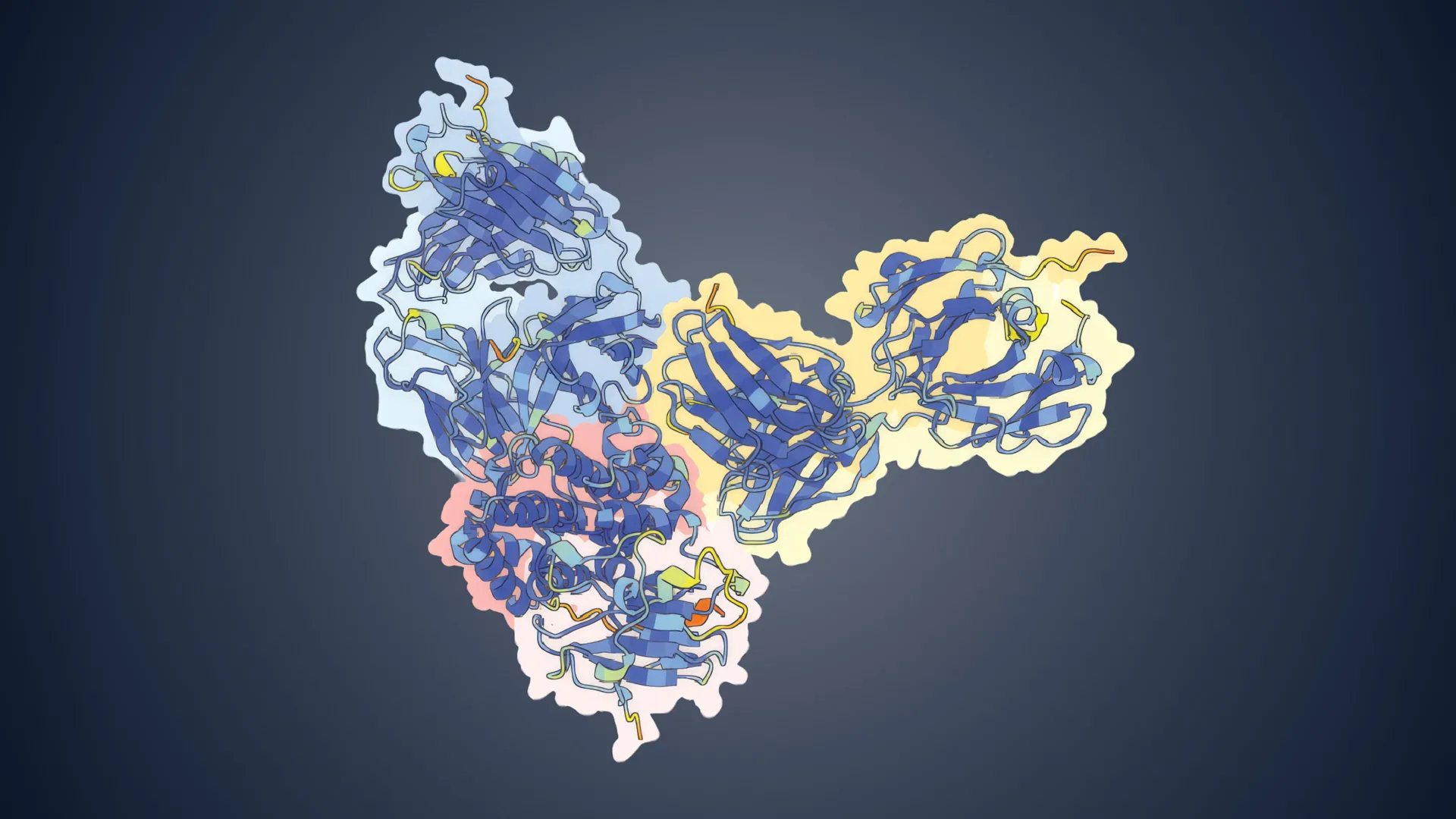
In a landmark study published in the journal Science Translational Medicine, an international consortium of researchers has leveraged advanced artificial intelligence to identify a critical vulnerability in the monkeypox virus (MPXV). This discovery marks a significant leap forward in the development of more effective, scalable, and affordable defenses against a pathogen that has increasingly threatened global health security. By utilizing Google DeepMind’s AlphaFold 3 model, the team—led by experts from The University of Texas at Austin and the Fondazione Biotecnopolo di Siena in Italy—has pinpointed a specific viral surface protein, OPG153, as a primary target for neutralizing antibodies. This finding not only clarifies the mechanism of the human immune response to mpox but also paves the way for a new generation of "reverse-engineered" vaccines that could eventually replace current, more cumbersome immunization methods.
The urgency of this research is rooted in the dramatic resurgence of mpox over the last two years. While the virus was first identified in humans in 1970, it remained largely confined to central and western Africa for decades. However, the 2022 global outbreak signaled a shift in the virus’s epidemiological trajectory. During that period, mpox spread rapidly across more than 110 countries, infecting over 150,000 individuals and resulting in nearly 500 documented deaths. The disease, characterized by painful rashes, respiratory distress, and debilitating lesions, poses a particularly high risk to pediatric populations, pregnant women, and immunocompromised individuals, including those living with HIV.
The Limitations of Current Orthopoxvirus Vaccines
Until now, the global response to mpox has relied heavily on vaccines originally developed for smallpox, such as the JYNNEOS (MVA-BN) vaccine. While effective, these vaccines are based on whole, live-attenuated or weakened viruses. This traditional approach presents several logistical and economic hurdles. Manufacturing whole-virus vaccines is a complex, high-cost process that requires specialized bio-containment facilities and rigorous quality control to ensure the virus is sufficiently weakened but still capable of eliciting an immune response.
Furthermore, the complexity of the mpox virus itself—a large, double-stranded DNA virus with a sophisticated envelope—makes it a difficult target for traditional vaccine design. Unlike the relatively simple spike protein of SARS-CoV-2, mpox displays dozens of different proteins on its surface, many of which play redundant or overlapping roles in cell entry and immune evasion. Identifying which of these proteins is the "Achilles’ heel" of the virus has, until now, been a process of trial and error that could take decades of laboratory benchwork.
"Unlike a whole-virus vaccine that’s big and complicated to produce, our innovation is just a single protein that’s easy to make," explained Jason McLellan, a professor of molecular biosciences at UT Austin and a co-lead author of the study. McLellan, who previously played a pivotal role in designing the stabilized spike protein used in major COVID-19 vaccines, noted that the transition to a protein-based vaccine could drastically reduce costs and simplify global distribution, particularly in low-resource settings where the virus is endemic.
A Chronology of Discovery: From Patient Blood to AI Models
The research began with the collection of biological samples from individuals who had either recovered from mpox or had received existing smallpox vaccinations. Lead authors Rino Rappuoli and Emanuele Andreano at the Fondazione Biotecnopolo di Siena meticulously analyzed these samples to isolate 12 specific antibodies that demonstrated a high capacity to neutralize the virus.
While the antibodies were effective in neutralizing the virus in vitro, the specific "antigen"—the part of the virus the antibodies were latching onto—remained a mystery. The mpox virus genome encodes roughly 200 proteins, with at least 35 of them residing on the viral surface. Testing each of these proteins individually against the isolated antibodies using traditional crystallography or electron microscopy would have been an exhaustive, multi-year endeavor.
To bypass this bottleneck, the team turned to AlphaFold 3. This AI-powered tool, developed by Google DeepMind and Isomorphic Labs, is capable of predicting the 3D structures of proteins and their interactions with other molecules with unprecedented accuracy. The researchers input the sequences of the patient-derived antibodies and the various viral surface proteins into the model.
The AI results were definitive: the model identified the protein OPG153 with high confidence as the primary binding site for the most potent neutralizing antibodies. Following the AI’s prediction, the team moved back into the laboratory to validate the findings. Biochemical assays confirmed that the antibodies did indeed bind to OPG153, and subsequent tests in murine models showed that mice immunized with the OPG153 protein produced a robust immune response, generating high titers of neutralizing antibodies similar to those found in human survivors.
The Strategy of Reverse Vaccinology
The methodology employed by the team is known as "reverse vaccinology," a term coined by Rino Rappuoli. Traditional vaccinology involves taking a pathogen, killing or weakening it, and injecting it to see what the immune system does. Reverse vaccinology flips the script: researchers look at the "end result" of a successful immune response—the antibodies—and work backward to find the specific molecular trigger that caused that response.
"We started with people who survived infection with monkeypox virus, isolated antibodies that they naturally produced and worked backward to find what part of the virus acted as the antigen for those antibodies," McLellan said. "Then we engineered the antigen to elicit similar antibodies in mice."
This approach is significantly more precise than older methods. By focusing on a single protein (OPG153), scientists can create a "subunit vaccine." These vaccines are generally safer, as they contain no live viral material, and are much easier to manufacture using standard recombinant protein technology—the same technology used to produce insulin and the Hepatitis B vaccine.
Implications for Smallpox and Biosecurity
The discovery of OPG153 has implications that extend far beyond the current mpox crisis. Mpox is a member of the Orthopoxvirus genus, which also includes the variola virus—the causative agent of smallpox. Although smallpox was declared eradicated in 1980, it remains a significant concern for global biosecurity due to its high mortality rate and the potential for accidental or intentional release from laboratory stocks.
Because the surface proteins of orthopoxviruses are highly conserved (meaning they are very similar across different species), the OPG153 target identified in mpox likely has a direct counterpart in the smallpox virus. This suggests that a vaccine or antibody therapy targeting this protein could provide a "universal" defense against multiple poxvirus threats. This dual-use potential has attracted the attention of public health officials and biodefense experts who are seeking to update national stockpiles with safer, more shelf-stable alternatives to older smallpox vaccines.
Economic Impact and Global Health Equity
One of the most significant barriers to controlling the 2022-2024 mpox outbreaks has been the inequitable distribution of vaccines. High-income countries were able to secure the limited supply of JYNNEOS vaccines, while many African nations, where the virus has been endemic for decades, faced severe shortages.
A protein-based vaccine focusing on OPG153 could change this dynamic. Recombinant proteins can be produced in large quantities using bioreactors containing yeast or mammalian cells, a process that is significantly more scalable than growing live viruses in eggs or specialized cell lines. This scalability could lower the price per dose, making it feasible for the World Health Organization (WHO) and Gavi, the Vaccine Alliance, to purchase and distribute the vaccine on a massive scale across the Global South.
Future Outlook and Clinical Development
While the results in mice are promising, the transition from laboratory discovery to a publicly available vaccine involves several more stages. The research team is currently refining the OPG153 antigen to maximize its stability and immunogenicity. They are also exploring the potential for "antibody cocktails"—synthetic versions of the patient-derived antibodies—to be used as a treatment for patients already suffering from severe mpox infections.
The intellectual property landscape is already being established. The University of Texas at Austin has filed a patent application for the use of OPG153 and its derivatives as a vaccine antigen, while the Fondazione Biotecnopolo di Siena has filed for the specific antibodies discovered during the study. These filings are essential steps for attracting the pharmaceutical partnerships necessary to fund large-scale human clinical trials.
The success of this study also serves as a powerful "proof of concept" for the role of AI in pandemic preparedness. By reducing the time required to identify viral targets from years to weeks, AlphaFold and similar technologies are transforming the speed at which humanity can respond to emerging infectious diseases.
As the global community continues to monitor the evolution of mpox—including the more virulent "Clade I" variants currently circulating in Central Africa—the identification of OPG153 provides a much-needed beacon of hope. It represents a shift toward a more proactive, technologically advanced form of medicine where the combined power of human immunology and artificial intelligence can neutralize threats before they escalate into global catastrophes.
The work was supported in part by the Welch Foundation, with additional contributions from UT Austin researchers Emily Rundlet, Ling Zhou, and Connor Mullins. As this research moves toward human trials, it stands as a testament to the power of international collaboration in the face of shared biological challenges.
