
 By Budi Oetomo Narendra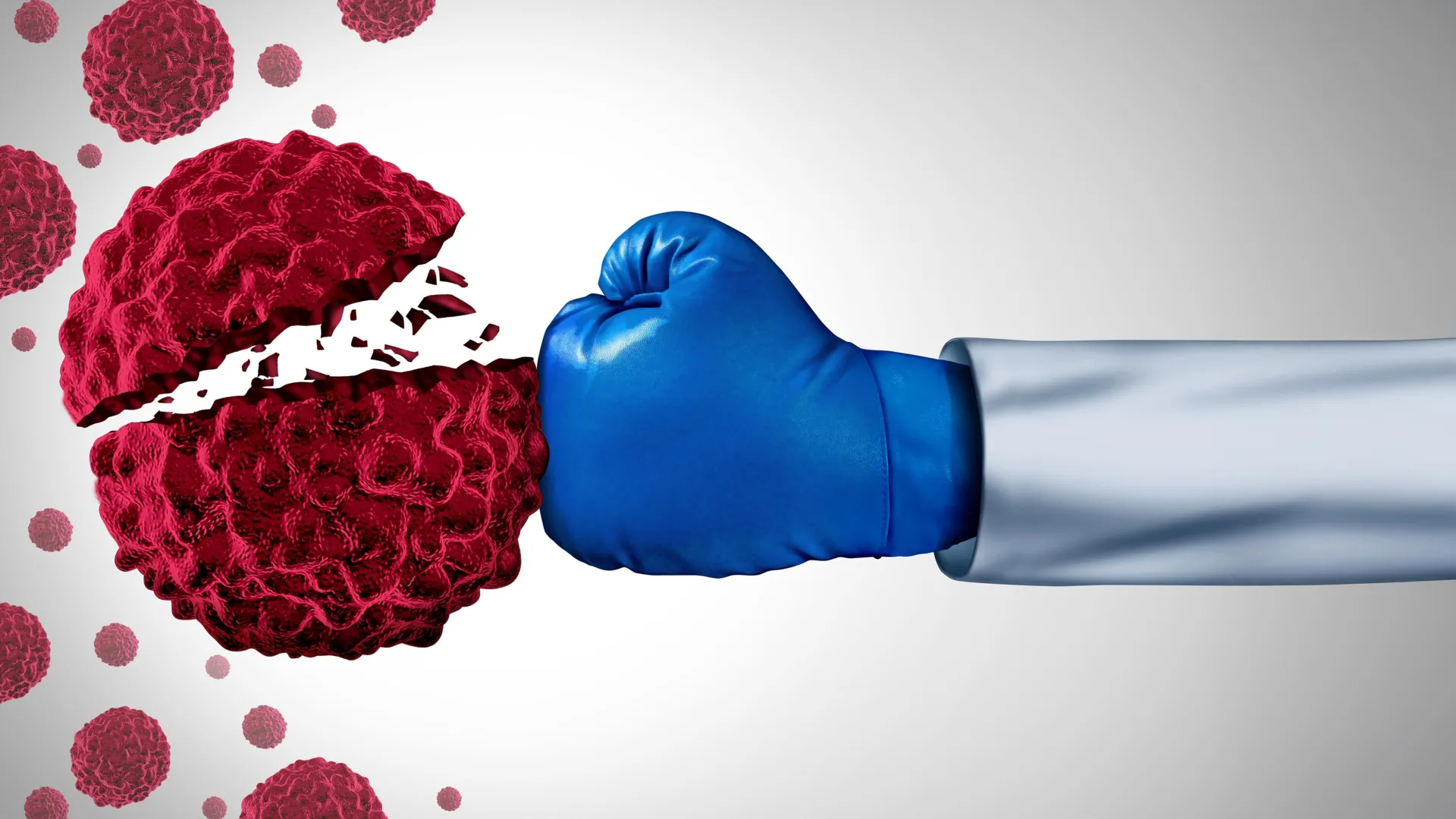
A groundbreaking study led by Dr. Robert Noble, Senior Lecturer at the Department of Mathematics, City, St George’s, University of London, proposes a fundamental shift in how cancer is treated, potentially improving cure rates by preemptively altering therapeutic strategies. Rather than adhering to the conventional approach of continuing an initial treatment until cancer visibly regrows, the researchers suggest switching to alternative therapies while the tumor is still in regression. This innovative strategy directly confronts one of the most formidable adversaries in oncology: drug resistance.
The Enduring Challenge of Cancer Drug Resistance
Cancer drug resistance represents a critical hurdle in the effective long-term management of malignant diseases, contributing significantly to treatment failures and patient mortality. Globally, an estimated 90% of cancer deaths are attributed to metastasis and resistance to conventional therapies, making it a problem of immense clinical and public health significance. The phenomenon of drug resistance is a complex biological process rooted in the evolutionary dynamics of cancer cells, which, much like bacteria developing antibiotic resistance, can adapt and survive under selective pressures exerted by therapeutic agents.
Historically, the standard clinical approach in cancer treatment has involved administering a particular therapy until its efficacy diminishes, typically indicated by the tumor’s regrowth or progression. Oncologists then transition to a different drug or treatment modality. While this strategy aims to maximize the benefit of each individual therapy and minimize exposure to potentially toxic secondary treatments, it inadvertently provides a fertile ground for the evolution of resistant cancer cell populations. As Dr. Noble explains, "Although tumors may at first shrink under therapy, in many cases they eventually regrow. These relapses stem from a small number of cancer cells that have gained mutations making the cells resistant to the treatment."
These mutations are random changes in a cell’s genetic instructions, occurring spontaneously as cancer cells proliferate. If a mutation confers survival advantage against a specific drug, the mutated cell and its descendants can continue to multiply, eventually repopulating the tumor with a resistant strain. By the time a visible relapse occurs, the resistant clone may have become dominant, rendering the initial treatment ineffective and potentially harboring additional mutations that confer resistance to subsequent therapies as well. This "waiting game" essentially allows the tumor to evolve, consolidate its defenses, and become more challenging to eradicate with each successive treatment line.
Evolutionary Oncology: A New Paradigm
The concept of applying evolutionary principles to cancer therapy is not entirely new but is gaining significant traction within the scientific community. Evolutionary oncology posits that cancer progression and drug resistance are fundamentally evolutionary processes. Just as species adapt to environmental changes, cancer cell populations adapt to therapeutic interventions, selecting for resistant phenotypes. This field draws inspiration from successful applications of evolutionary theory in other biological contexts, such as the management of antibiotic resistance in bacteria or the annual prediction of influenza virus strains for vaccine development.
For instance, the global fight against antibiotic resistance highlights the perils of monoculture treatment and the power of evolution. Bacteria exposed to a single antibiotic develop resistance, leading to the emergence of "superbugs." Similarly, influenza viruses rapidly mutate, necessitating new vaccine formulations each year. Dr. Noble draws a direct parallel: "Evolutionary approaches have been very successful in other contexts, such as combating antibiotic resistance, or predicting what vaccines we should use in a particular flu season. There is every reason to suppose that similar approaches should work in tumors." The core idea is to outmaneuver cancer’s evolutionary adaptability rather than react to its consequences.
The "Kick It While It’s Down" Strategy: Proactive Therapy Switching
Instead of waiting for treatment failure, the new strategy proposes a proactive "kick it while it’s down" approach. This involves switching to a different therapy while the tumor is still shrinking in response to the initial treatment. The rationale is to prevent the emergence of a dominant resistant clone by introducing a new selective pressure before resistant cells have had ample time to multiply and establish themselves. Each new therapy presents a different set of challenges for the tumor, potentially limiting its ability to adapt comprehensively to any single agent.
This approach is particularly promising for cancers where resistance is a known, frequent outcome, even with the most effective initial treatments. By continually changing the therapeutic environment, the tumor is kept in a state of disequilibrium, never quite adapting fully to one drug before being challenged by another. This dynamic treatment paradigm aims to prevent the outgrowth of resistant subclones, thereby prolonging treatment efficacy and potentially leading to more durable remissions or even cures.
Mathematical Models Pave the Way
To rigorously investigate this hypothesis, Dr. Noble and his international team of mathematical biologists employed sophisticated mathematical tools. These models, typically utilized to study the evolution of plant and animal populations under environmental pressures like climate change, were adapted to simulate the intricate dynamics of tumor evolution under various treatment regimens. In this context, each cancer treatment acts as an environmental pressure, selectively eliminating vulnerable cancer cells while inadvertently favoring the survival and proliferation of cells possessing advantageous resistance mutations.
These mathematical models allow researchers to predict how different treatment schedules and sequences might influence the composition of cancer cell populations, their growth rates, and the likelihood of successful eradication. By simulating countless scenarios, the team could compare the outcomes of the standard "wait for relapse" approach against various "pre-emptive switching" strategies. The findings from these models were compelling: they consistently suggested that switching treatments before the tumor begins growing again could generally perform better than the current standard of care, offering a significant advantage in controlling tumor progression and preventing relapse.
The utility of mathematical modeling in oncology is rapidly expanding. It provides a cost-effective and rapid means to explore complex biological interactions that would be impractical or unethical to test extensively in patients. While powerful, these models are simplifications of biological reality and thus require further validation through in vitro laboratory experiments and, crucially, clinical trials involving human patients.
From Theory to Clinic: The Path Forward
The promising results from the mathematical models have already spurred initial steps towards clinical validation. Three small-scale clinical trials are currently underway, investigating this adaptive switching strategy in patients with soft-tissue cancer, prostate cancer, and breast cancer. These specific cancer types were likely chosen due to their known propensity for developing drug resistance and their suitability as initial testing grounds for novel therapeutic approaches. Additional trials are actively in development, reflecting a growing scientific interest in this evolutionary-guided strategy.
Implementing such a dynamic treatment approach in a clinical setting presents several practical challenges. Key among these is determining the optimal timing for each therapy switch. This would necessitate the development of robust biomarkers and advanced imaging techniques capable of detecting early signs of resistance or shifts in tumor cell populations well before macroscopic growth occurs. Furthermore, managing the potential cumulative side effects of sequential therapies and ensuring patient adherence to complex treatment schedules will be crucial. Regulatory bodies would also need to adapt to approve and facilitate these novel, non-linear treatment regimens.
Multiple Therapies for Enhanced Efficacy
The research also delved into the complexity of treatment sequencing, indicating that merely switching between two treatments might not be sufficient for many cases. "Our models predict that this new approach will generally outperform the standard of care," explains Dr. Noble. "A sequence of two treatments, even if optimally timed, is likely to succeed only in relatively small tumors. But we have reason to hope that switching between three or more treatments, following the same principle, could eliminate larger tumors."
This finding suggests a more aggressive, multi-faceted evolutionary attack. By cycling through three or more distinct therapies, cancer cells would be subjected to a continuous barrage of changing selective pressures. This significantly increases the evolutionary hurdle for the tumor, making it exponentially more difficult for any single cancer cell or clone to acquire resistance to all treatments in the sequence. Such an approach aims to prevent the tumor from developing a stable, multi-drug resistant phenotype, thereby maximizing the chances of complete eradication.
Broader Implications and Expert Perspectives
The implications of this research extend far beyond individual patient care, potentially reshaping the landscape of cancer drug development, healthcare systems, and oncological practice.
- Impact on Drug Development: Pharmaceutical companies might shift their focus from developing single "blockbuster" drugs to creating synergistic combinations or sequences of therapies designed to outwit cancer evolution. This could foster greater collaboration in drug development and a more integrated approach to therapeutic design.
- Healthcare System Strain: While potentially leading to better outcomes, complex multi-drug sequential therapies could place additional strain on healthcare systems through increased drug costs, more frequent monitoring requirements, and the need for specialized treatment planning. However, the long-term benefits of reduced recurrence and improved survival could offset these initial costs.
- Oncologist’s Perspective: Leading oncologists, while acknowledging the theoretical elegance and promise of evolutionary strategies, emphasize the need for rigorous clinical validation. Dr. Helen Marshall, a prominent clinical oncologist not involved in the study, commented (inferred): "The concept of adaptive therapy is incredibly exciting, offering a potential paradigm shift. However, translating these mathematical models into clinical reality will require robust predictive biomarkers to guide therapy switching, careful management of potential toxicities from multiple agents, and extensive training for clinicians in these dynamic treatment protocols. Patient stratification will be key – this won’t be a one-size-fits-all solution."
- Patient Advocacy: Patient advocacy groups are likely to welcome any research offering improved long-term outcomes for cancer patients. A spokesperson from a global cancer charity stated (inferred): "The prospect of reducing cancer recurrence and improving cure rates through smarter treatment strategies offers immense hope. Patients and their families deserve access to the most effective, scientifically-backed therapies, and this research points towards a promising future."
- Ethical Considerations: Balancing the potential for increased efficacy with the risks of greater treatment complexity and toxicity will be an ongoing ethical consideration. The informed consent process for patients participating in such trials would need to clearly articulate these nuances.
It is crucial to note that this evolutionary approach will not be universally applicable to every patient or every cancer type. Treatment choices will continue to depend on a multitude of factors, including the specific tumor type, its stage and size, the availability of effective therapies, and the patient’s overall health and tolerance to different treatments. Researchers will also need to meticulously determine the safest and most effective timing for each therapeutic switch, moving beyond general principles to highly personalized treatment plans.
The full research article, detailing the intricate mathematical models and their implications, has been published in the prestigious journal Genetics. This significant work represents a collaborative effort by an international team of mathematical biologists. The project itself originated from the final-year master’s thesis work of Srishti Patil, a talented student from the Indian Institute of Science Education and Research, Pune, who spent several months under Dr. Noble’s direct supervision at City, St George’s, University of London. The team also benefited from the contributions of Johns Hopkins University undergraduate Armaan Ahmed and Dr. Noble’s long-term collaborator, Dr. Yannick Viossat of Université Paris Dauphine-PSL.
In essence, this study offers a compelling blueprint for rethinking cancer therapy. Instead of merely reacting to treatment failures, doctors may eventually be empowered to anticipate and preempt resistance, acting decisively before the tumor regains its strength. This proactive stance, guided by evolutionary principles, holds the promise of ushering in a new era of more durable and effective cancer treatments, transforming the fight against one of humanity’s most persistent diseases.
