
 By Suherman Candra Maholtra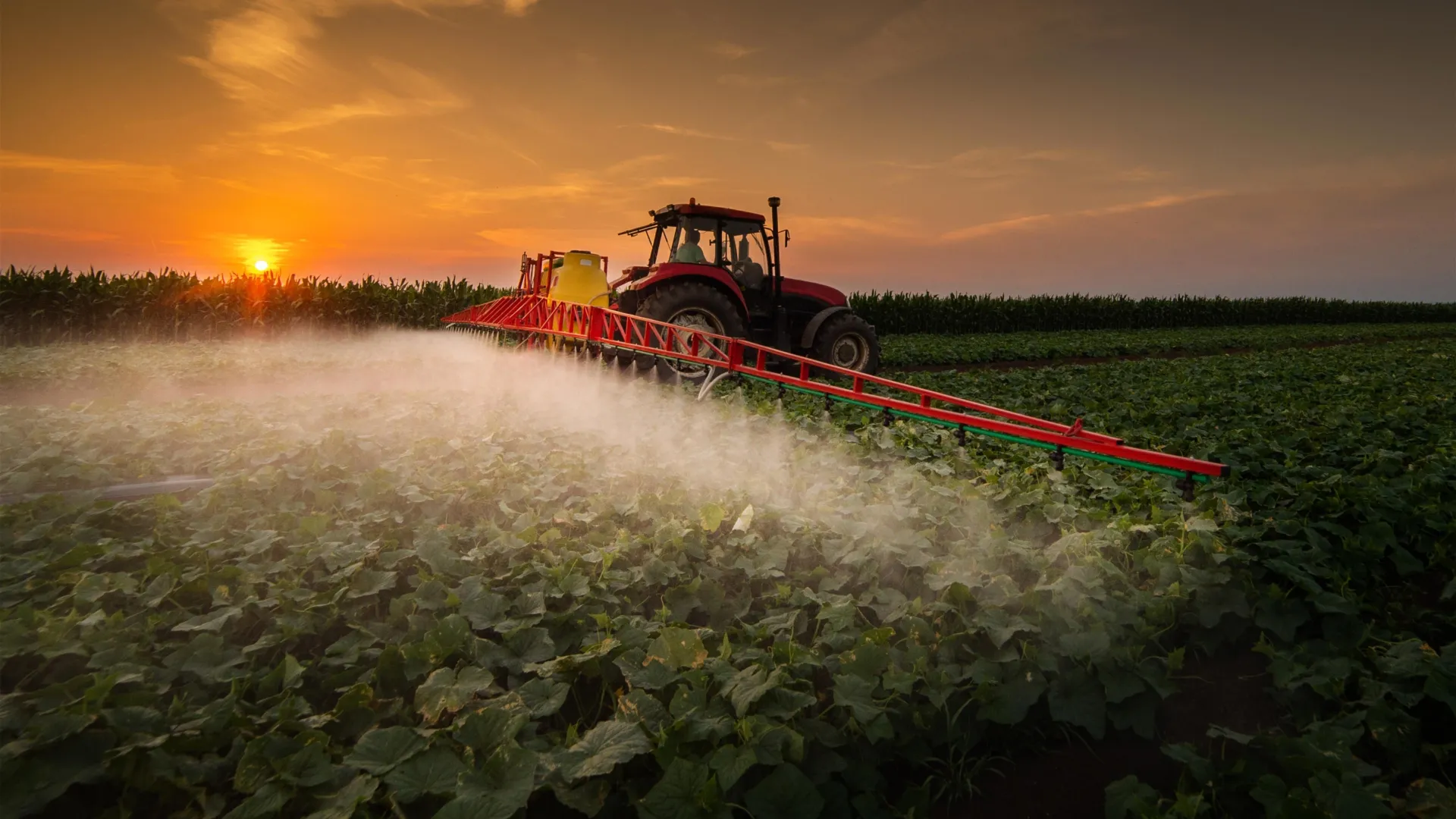
A groundbreaking study led by researchers at the Penn State Cancer Institute has identified a significant correlation between agricultural environments and an increased incidence of melanoma in Pennsylvania. The research, published on November 14 in the journal JCO Clinical Cancer Informatics, reveals that adults over the age of 50 living in a specific 15-county region in South Central Pennsylvania are 57% more likely to be diagnosed with melanoma compared to residents in other parts of the state. This finding challenges the traditional understanding of melanoma as a disease primarily driven by recreational sun exposure, suggesting that environmental factors associated with large-scale farming—specifically cultivated cropland and herbicide application—may play a critical role in the development of the deadliest form of skin cancer.
The comprehensive analysis reviewed cancer registry data spanning from 2017 through 2021. While melanoma is frequently associated with coastal regions and sun-seeking behaviors, the Penn State team found that the highest clusters of the disease in Pennsylvania were located in areas characterized by heavy agricultural activity. These findings persisted even after the researchers adjusted for ultraviolet (UV) radiation levels and socioeconomic variables, indicating that the presence of agricultural chemicals and specific land-use patterns are independent risk factors for the populations residing in these communities.
Identifying the Geographic and Demographic Risk Patterns
The study focused on a 15-county corridor in South Central Pennsylvania, a region known for its rich soil and extensive farming operations. Researchers discovered that the elevated risk was not confined to rural residents or those working directly in the fields. Instead, the data suggested a community-wide elevation in risk that encompassed both rural and urbanized counties within the agricultural belt. Charlene Lam, an associate professor of dermatology at Penn State Health and a co-author of the study, emphasized that the higher risk is not limited to isolated locations or individuals who spend the majority of their time outdoors for work or leisure.
According to the data, the demographic most affected by this trend consists of adults over the age of 50. This age group often reflects the cumulative impact of environmental exposures over several decades. The researchers noted that while sunlight remains a primary driver of skin cancer, the consistent association between melanoma rates and cultivated acreage suggests that the agricultural landscape itself contributes to the biological pathways of the disease.
The Correlation Between Herbicides and Melanoma Incidence
The most striking aspect of the research is the statistical link between land use, chemical application, and cancer rates. The study found that a 10% increase in the amount of cultivated land within a county was associated with a 14% rise in melanoma cases. Furthermore, herbicide use emerged as a specific and potent variable; a 9% increase in land treated with herbicides corresponded to a 13% increase in melanoma incidence across the region.
Eugene Lengerich, emeritus professor of public health sciences at Penn State and the senior author of the paper, explained that pesticides and herbicides are designed to alter or disrupt biological systems. While these chemicals are targeted at weeds and pests, their mechanisms of action can have unintended consequences on human biology. Lengerich noted that certain chemicals used in farming are known to increase photosensitivity—making the skin more reactive to UV rays—or cause oxidative stress, a process that can damage cellular structures and lead to the mutations that characterize cancer.
The study references previous scientific literature indicating that certain herbicides can interfere with the human immune response and damage DNA. While the Penn State study is an epidemiological analysis focused on patterns rather than direct laboratory causation, the biological plausibility of herbicides contributing to skin cancer is supported by existing toxicological data.
Mechanisms of Community-Wide Exposure: Beyond the Field
A central concern raised by the Penn State team is that exposure to agricultural chemicals is not restricted to the farmers who apply them. The research suggests that these substances can enter the broader environment through several pathways, leading to exposure for entire populations living near farmland.
One primary pathway is chemical drift, where herbicides applied to crops are carried by wind currents into neighboring residential areas. Additionally, these chemicals can settle into household dust or leach into local water sources, including private wells and municipal supplies. Dr. Lam pointed out that a person who has never set foot in a field could still be experiencing chronic, low-level exposure to these substances simply by living in an area where large-scale cultivation is the primary land use.
This "community-wide" exposure model explains why the elevated melanoma rates were observed across diverse counties in the 15-county study area, regardless of whether an individual’s occupation was related to agriculture. The findings suggest that environmental health must be viewed through a wider lens, accounting for the invisible pathways through which industrial and agricultural materials interact with human populations.
Contextualizing the Study: A Global Perspective on Agricultural Health
The findings in Pennsylvania are not an isolated phenomenon. The Penn State researchers noted that similar trends have been identified in other regions with high agricultural output, including parts of Utah in the United States, as well as farming provinces in Poland and Italy. These international parallels suggest that the relationship between modern agricultural practices and melanoma risk may be a widespread public health issue that warrants global attention.
In many of these regions, the transition to high-intensity farming involves the heavy use of synthetic herbicides such as glyphosate, atrazine, and 2,4-D. While the Penn State study did not isolate specific chemical brands, the general category of herbicides used on major crops like corn, soybeans, and grains was the focus of the statistical correlation. The consistency of these findings across different geographic and regulatory environments reinforces the need for a deeper investigation into how agricultural chemicals interact with human skin and the immune system.
Research Methodology and Limitations
The study utilized data from the Pennsylvania Cancer Registry, which tracks cancer diagnoses across the state’s 67 counties. By focusing on the 2017-2021 period, the researchers were able to capture a snapshot of contemporary cancer trends while utilizing the most recent agricultural census data available.
Benjamin Marks, the first author of the paper and a medical and public health student at the Penn State College of Medicine, urged caution in interpreting the results as definitive proof of causation. He characterized the findings as a "signal" rather than a "verdict." Because the study was an ecological analysis—looking at population-level data rather than individual case histories—it cannot account for every personal variable, such as genetic predisposition, specific outdoor behaviors, or individual access to healthcare services.
However, the strength of the association between cultivated land and melanoma remained significant even after controlling for the "usual suspects" of skin cancer, such as UV radiation levels and socioeconomic status. This suggests that the agricultural link is a robust trend that cannot be easily explained away by traditional risk factors alone.
The One Health Approach to Cancer Prevention
The study’s authors advocate for a "One Health" approach to addressing these findings. This philosophy recognizes that human health is inextricably linked to the health of animals and the shared environment. If agricultural practices and herbicide use are contributing to an increase in life-threatening skin cancers, the solution must involve a multidisciplinary effort.
According to Professor Lengerich, cancer prevention cannot happen in isolation. He argues that the findings necessitate a collaborative response involving not only medical professionals and dermatologists but also farmers, environmental scientists, and policymakers. By working together, these stakeholders can identify ways to maintain agricultural productivity while minimizing the environmental health risks to surrounding communities.
Potential interventions could include the development of more targeted application techniques to reduce chemical drift, the promotion of integrated pest management (IPM) strategies that rely less on synthetic chemicals, and increased public health monitoring in high-risk agricultural zones.
Recommendations for Residents and Future Research
In light of these findings, Dr. Lam and her colleagues are encouraging residents in South Central Pennsylvania and other agricultural regions to be proactive about skin health. Standard prevention methods remain critical: the use of sun-protective clothing, the regular application of broad-spectrum sunscreen, and, perhaps most importantly, routine skin checks. Early detection of melanoma significantly improves survival rates, making awareness particularly vital for populations in the identified high-risk counties.
The Penn State team is already moving into the next phase of their research. Dr. Lam is leading field studies within rural communities in the affected area to gain a more granular understanding of specific farming practices and potential exposure pathways. By interviewing residents and analyzing environmental samples, the researchers hope to pinpoint which specific agricultural activities or chemicals are most closely linked to the spike in melanoma cases.
This ongoing work is supported by several institutions, including the MPH Capstone Program and the Medical Student Research Project at the Penn State College of Medicine, as well as the University’s Algin B. Garrett Professorship. As the data continues to emerge, it provides a vital roadmap for public health officials seeking to mitigate the environmental drivers of cancer in the 21st century.
Summary of Key Data and Implications
The Penn State study serves as a critical reminder that the environment we inhabit plays a profound role in our long-term health outcomes. The key takeaways from the research include:
- Regional Risk: A 57% higher melanoma rate for adults over 50 in 15 South Central Pennsylvania counties compared to the rest of the state.
- Land Use Impact: A 10% increase in cultivated cropland correlates with a 14% increase in melanoma cases.
- Chemical Link: A 9% increase in herbicide-treated land correlates with a 13% increase in melanoma incidence.
- Beyond Occupational Exposure: Risk extends to entire communities due to chemical drift and environmental persistence, not just those working in agriculture.
- Biological Mechanism: Potential for herbicides to cause photosensitivity and oxidative stress, compounding the effects of UV radiation.
As Pennsylvania continues to balance its status as an agricultural powerhouse with the health needs of its citizens, this research provides the necessary evidence to begin a broader conversation about environmental safety, chemical regulation, and the hidden costs of modern food production. The "signal" detected by the Penn State team is a call to action for further scientific inquiry and a more protective approach to community health in the heart of the American landscape.
