
 By George Ongkojoyo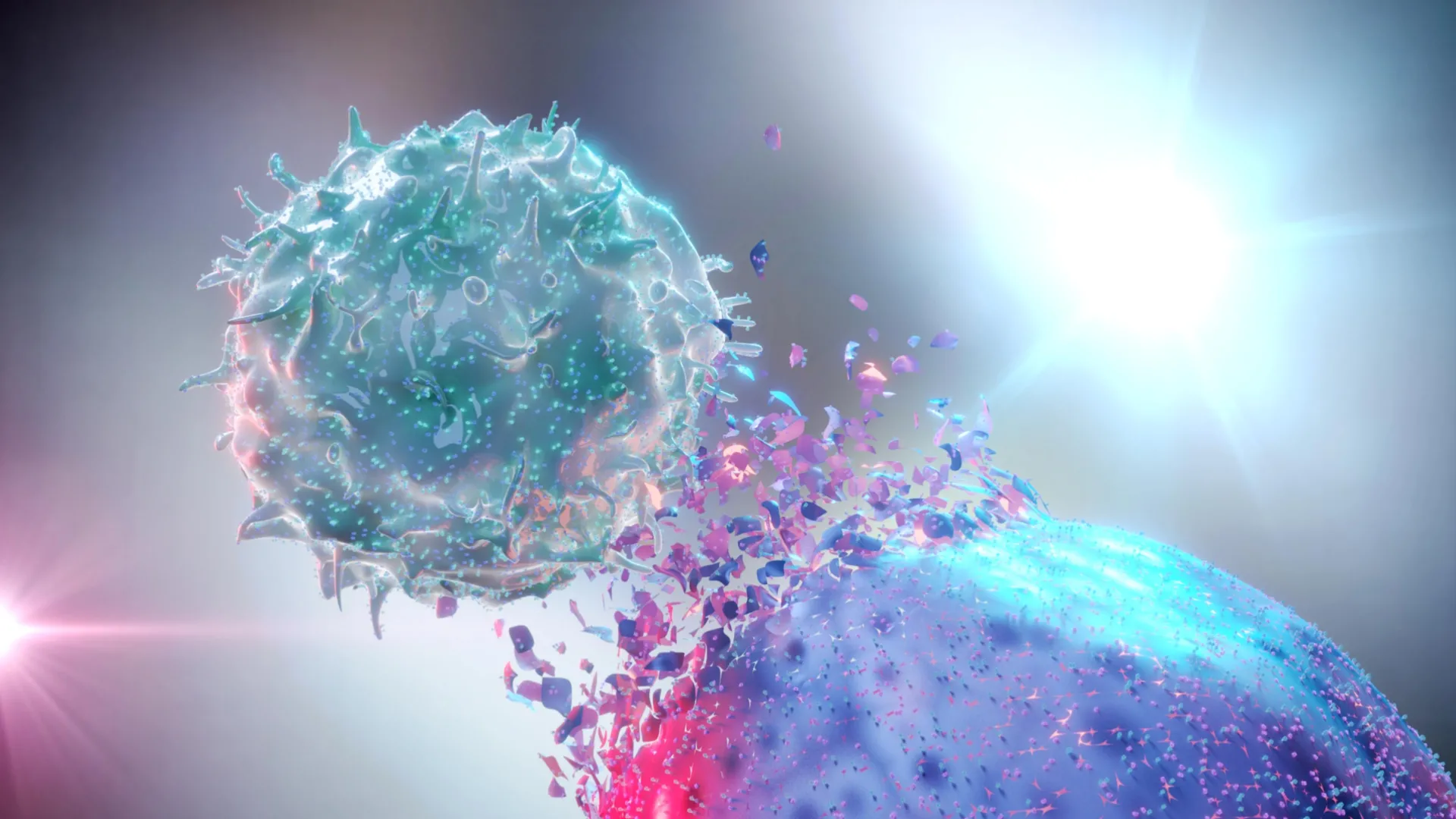
In a significant advancement for oncology, researchers from the Johns Hopkins Kimmel Cancer Center’s Bloomberg~Kimmel Institute for Cancer Immunotherapy and the Netherlands Cancer Institute have demonstrated that radiation therapy can act as a powerful catalyst, transforming "cold" tumors that typically resist immunotherapy into "hot" tumors susceptible to treatment. The study, published in the journal Nature Cancer, provides a detailed molecular roadmap of how the combination of radiation and immunotherapy triggers a systemic immune response, offering new hope for patients with non-small cell lung cancer (NSCLC) who have traditionally seen limited benefits from standard immune-based treatments.
Non-small cell lung cancer remains one of the most challenging malignancies to treat, accounting for the vast majority of lung cancer cases worldwide. While the advent of immune checkpoint inhibitors—drugs that release the "brakes" on the immune system—has revolutionized care, a substantial portion of patients do not respond to these therapies. This phenomenon, known as primary resistance, often occurs because the tumor environment is immunologically "cold," meaning it lacks the necessary immune cell infiltration to mount an effective attack. The new research suggests that strategic radiation may be the key to "warming up" these environments.
The Mechanism of the Abscopal Effect
The core of this discovery lies in a rare but potent phenomenon known as the abscopal effect. Historically, radiation therapy was viewed primarily as a localized treatment intended to kill cancer cells within a specific target area. However, the abscopal effect describes a systemic response where localized radiation leads to the shrinkage of tumors located far from the original radiation site.
When radiation strikes a tumor, it causes cell death and the subsequent release of tumor-specific proteins and genetic material into the local microenvironment. These fragments, known as neoantigens, serve as "wanted posters" for the immune system. Once the body’s dendritic cells and T cells recognize these markers, they can circulate throughout the bloodstream to identify and destroy cancer cells in other parts of the body. By pairing radiation with immunotherapy, specifically PD-1 inhibitors like pembrolizumab, researchers aimed to amplify this effect, ensuring that once the immune system is "trained" by radiation, the immunotherapy can keep the immune cells active and aggressive.
Study Design and International Collaboration
To investigate the molecular underpinnings of this synergy, the research team conducted a comprehensive analysis involving 72 patients with NSCLC. This effort was a result of an international partnership between Johns Hopkins investigators and colleagues Willemijn Theelen and Paul Baas at the Netherlands Cancer Institute. The Dutch team was conducting a Phase II clinical trial focused on the efficacy of radiation therapy followed by pembrolizumab.
The researchers analyzed 293 blood and tumor samples collected at various stages: at the beginning of the study (baseline) and after three to six weeks of treatment. The patient cohort was divided into two groups: a control group receiving immunotherapy alone and an experimental group receiving a combination of radiation followed by immunotherapy.
What set this study apart was the use of "multiomic" analysis. By integrating data from genomics (DNA), transcriptomics (RNA), and various functional cell assays, the team was able to observe the real-time evolution of the tumor microenvironment. This deep dive allowed them to see not just if the tumors were shrinking, but exactly how the cellular landscape was shifting in response to the dual therapy.
Warming Up "Cold" Tumors
The investigators specifically targeted tumors characterized by biomarkers of resistance. These "cold" tumors typically exhibit a low tumor mutational burden (TMB), a lack of PD-L1 protein expression, or mutations in the Wnt signaling pathway—all factors that usually signal a poor response to PD-1 inhibitors.
The results were striking. In patients who received the combination therapy, the researchers observed a prominent reshaping of the tumor microenvironment in lesions that were not directly irradiated. These distant sites transitioned from stagnant areas with little to no immune activity to inflamed "hot" zones teeming with newly expanded T cells.
Senior study author Valsamo "Elsa" Anagnostou, M.D., Ph.D., co-director of the Upper Aerodigestive Malignancies Program at Johns Hopkins, noted that this shift is critical for overcoming primary resistance. "For a fraction of lung cancers where we aren’t expecting therapy responses, radiation may be particularly effective to help circumvent primary resistance to immunotherapy," she explained. Furthermore, she suggested that this approach might also be applicable to acquired resistance, where a patient initially responds to immunotherapy but eventually sees their cancer progress.
Functional Testing and Clinical Correlation
To confirm that the immune response was indeed targeted at the cancer, the team, including Kellie Smith, Ph.D., an associate professor of oncology at Johns Hopkins, performed functional tests on the T cells of long-term survivors. They discovered that the T cells expanding in the blood and tumors of these patients were specifically recognizing mutation-associated neoantigens—the unique genetic "fingerprints" of the patient’s specific cancer.
This functional confirmation linked the molecular data directly to patient outcomes. The study found that patients whose "cold" tumors successfully "warmed up" after radiation therapy experienced significantly better clinical outcomes, including longer progression-free survival, compared to those who did not receive radiation.
Lead study author Justin Huang, who received the 2025 Paul Ehrlich Research Award for his work on the multiomic analyses, emphasized the importance of the findings. "Our findings highlight how radiation can bolster the systemic anti-tumor immune response in lung cancers unlikely to respond to immunotherapy alone," Huang stated. He added that the work underscores the necessity of interdisciplinary collaboration in bringing laboratory insights to the bedside.
Broader Implications for Cancer Treatment
The implications of this research extend beyond non-small cell lung cancer. The ability to artificially induce an immune response in resistant tumors could theoretically be applied to other "cold" cancers, such as prostate, pancreatic, or certain types of breast cancer.
Furthermore, the study provides a framework for "precision radiation." By identifying the specific biomarkers that make a tumor "cold," clinicians may soon be able to predict which patients require a "priming" dose of radiation before starting immunotherapy. This could lead to more personalized treatment plans, reducing the trial-and-error approach often associated with late-stage cancer care.
The team’s ongoing work also involves the use of liquid biopsies to monitor treatment response. By detecting circulating tumor DNA (ctDNA) in the blood, researchers hope to capture the body’s response to therapy in real-time without the need for invasive tissue biopsies. Preliminary data from this effort was recently presented at the annual meeting of the American Association for Cancer Research (AACR), suggesting that ctDNA levels could serve as an early indicator of whether the combination therapy is working.
Analysis of Future Challenges
Despite the promising results, challenges remain in standardizing this approach. The timing and dosage of radiation appear to be critical; too much radiation might deplete the very immune cells needed for a systemic response, while too little might fail to trigger the abscopal effect. Determining the "Goldilocks" zone for radiation dosing in combination with various immunotherapy agents will be the focus of future clinical trials.
There is also the question of toxicity. While radiation is generally well-tolerated when localized, the systemic immune activation it triggers can sometimes lead to immune-related adverse events (irAEs). Monitoring and managing these side effects will be paramount as combination therapies move into more advanced stages of clinical testing.
Conclusion
The study led by Johns Hopkins and the Netherlands Cancer Institute represents a pivotal moment in the evolution of cancer immunotherapy. By proving that radiation can serve as a biological spark to ignite the immune system, the research offers a viable strategy to bypass the barriers of immunotherapy resistance.
As the medical community moves toward a more nuanced understanding of the tumor microenvironment, the combination of radiation and immunotherapy stands out as a beacon of progress. For patients with "cold" tumors who once had few options, the prospect of "warming up" their own immune defenses offers a new path toward long-term survival.
The research was supported by the National Institutes of Health and the Bloomberg~Kimmel Institute for Cancer Immunotherapy. The collaborative team included experts in genomics, oncology, and pathology, illustrating the multifaceted approach required to tackle the complexities of modern cancer biology. With patent applications already submitted for these genomic and monitoring techniques, the transition from experimental research to clinical standard of care may be closer than ever before.
