
 By George Ongkojoyo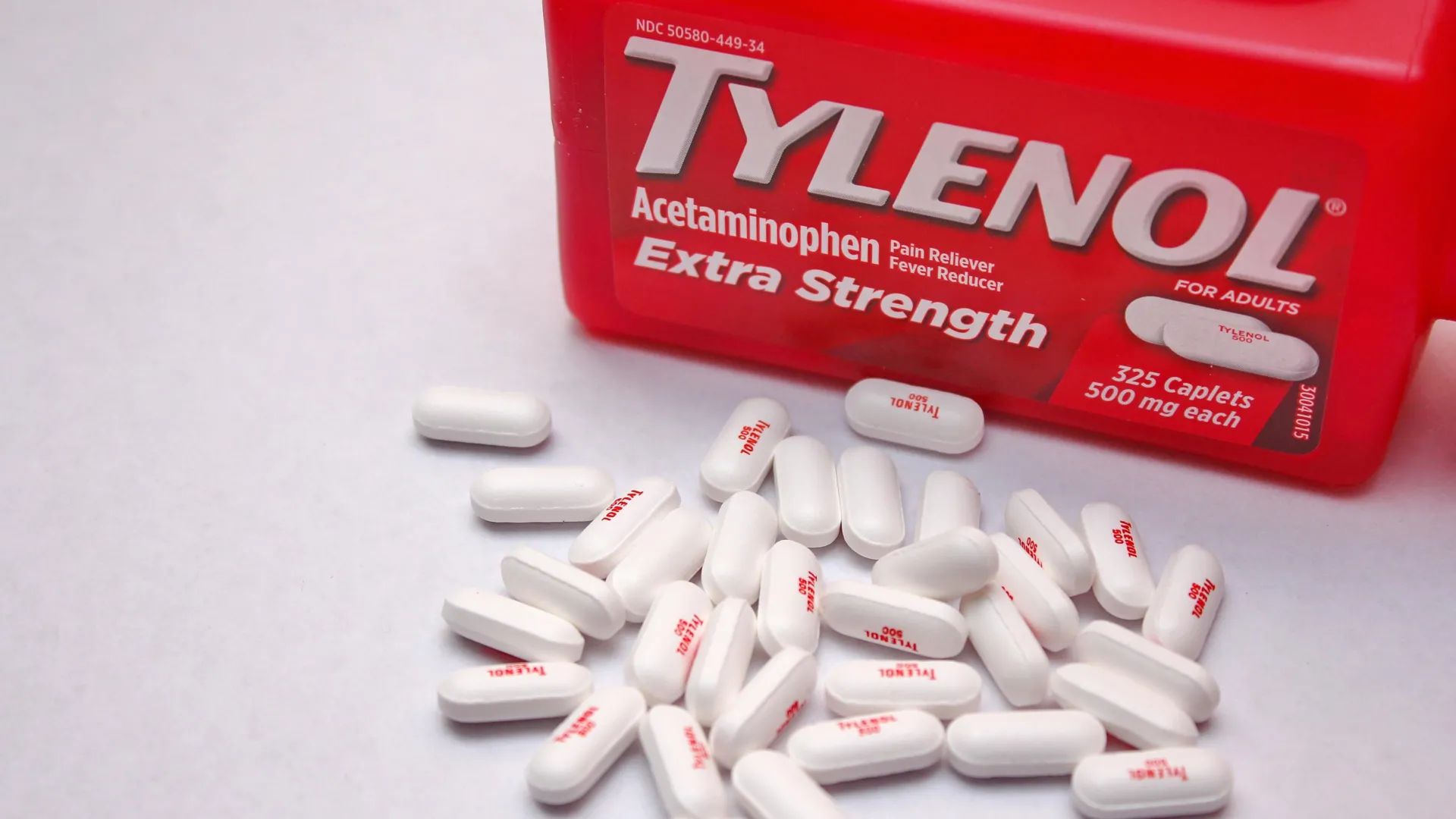
In a groundbreaking revelation that challenges long-held assumptions regarding the safety and neutrality of over-the-counter medications, researchers from the University of South Australia (UniSA) have identified a concerning link between common painkillers and the global escalation of antimicrobial resistance (AMR). The study, led by Associate Professor Rietie Venter, demonstrates that ibuprofen and acetaminophen—staples in household medicine cabinets worldwide—not only facilitate bacterial resistance when used independently but significantly amplify the effect when administered in combination. This discovery provides a critical missing piece in the puzzle of why antibiotic-resistant "superbugs" continue to proliferate even in controlled environments.
The research focused on the interaction between these non-antibiotic medications and Escherichia coli (E. coli), a ubiquitous bacterium responsible for a vast array of human ailments, ranging from mild gastrointestinal distress to life-threatening urinary tract infections and sepsis. By exposing E. coli to the broad-spectrum antibiotic ciprofloxacin alongside common painkillers, the UniSA team observed a dramatic surge in genetic mutations within the bacteria. These mutations allowed the pathogens to survive and thrive in environments that would typically be lethal, effectively rendering the antibiotics obsolete.
The Mechanics of Resistance: Beyond Antibiotic Misuse
For decades, the primary narrative surrounding antibiotic resistance has focused on the over-prescription and improper use of antibiotics themselves. While the "misuse and overuse" theory remains a significant factor, the UniSA study shifts the focus toward the "silent" contributors: the non-antibiotic drugs that millions of people consume daily.
The study examined nine specific medications frequently prescribed in clinical settings, particularly within residential aged care facilities. These included ibuprofen (an anti-inflammatory), acetaminophen (paracetamol), diclofenac (an arthritis treatment), furosemide (a diuretic for blood pressure), metformin (a first-line diabetes medication), atorvastatin (for cholesterol management), tramadol (an opioid painkiller), temazepam (a sedative), and pseudoephedrine (a decongestant).
The researchers uncovered a sophisticated biological mechanism at play. When exposed to ibuprofen and acetaminophen, the E. coli bacteria activated specific "efflux pumps." These are protein-based transport systems located in the bacterial cell wall that act as a defense mechanism, actively pumping out toxic substances—including antibiotics—before they can cause damage. By triggering these defenses, the painkillers essentially "train" the bacteria to resist chemical attacks, leading to the development of multi-drug resistance.
A Chronology of the Antibiotic Resistance Crisis
To understand the weight of these findings, it is essential to view them through the lens of medical history and the evolving timeline of AMR:
- 1928–1940s: The discovery and mass production of penicillin mark the beginning of the "Antibiotic Era," drastically reducing mortality from infectious diseases.
- 1987: Ciprofloxacin, the antibiotic used in the UniSA study, is approved by the FDA. It becomes one of the most widely used fluoroquinolones for treating complex infections.
- Early 2000s: Global health organizations begin reporting a sharp rise in "superbugs," such as MRSA and resistant strains of E. coli, as the rate of new antibiotic development slows down.
- 2014: The O’Neill Report, commissioned by the UK government, warns that by 2050, AMR could kill 10 million people annually if no action is taken.
- 2019: A comprehensive study published in The Lancet confirms that bacterial AMR was directly responsible for 1.27 million deaths globally and played a role in nearly 5 million deaths total.
- 2024: The UniSA study identifies that non-antibiotic medications, specifically ibuprofen and acetaminophen, are active catalysts in the mutation of bacteria, expanding the scope of the AMR crisis.
Supporting Data: The Rising Toll of AMR
The implications of the UniSA study are underscored by sobering data from the World Health Organization (WHO) and the Centers for Disease Control and Prevention (CDC). AMR is currently classified as one of the top ten global public health threats facing humanity.
In 2019, the 1.27 million deaths directly attributed to AMR exceeded the annual death tolls of both HIV/AIDS and malaria. The economic burden is equally staggering; the World Bank estimates that AMR could result in US$1 trillion in additional healthcare costs by 2050, with a potential 3.8% reduction in global Gross Domestic Product (GDP).
The UniSA findings are particularly relevant because E. coli is one of the "ESKAPE" pathogens—a group of bacteria (Enterococcus faecium, Staphylococcus aureus, Klebsiella pneumoniae, Acinetobacter baumannii, Pseudomonas aeruginosa, and Enterobacter species) that are increasingly resistant to every antibiotic available. When common drugs like paracetamol contribute to the mutation of these pathogens, the window for effective treatment narrows significantly.
The Perils of Polypharmacy in Aged Care
A central concern highlighted by Associate Professor Venter is the risk of polypharmacy, particularly among the elderly. Polypharmacy—the concurrent use of five or more medications—is a standard reality for many residents in aged care homes.
"This is especially prevalent in residential aged care facilities, where older people are more likely to be prescribed multiple medications—not just antibiotics, but also drugs for pain, sleep, or blood pressure," Assoc Prof Venter noted. This environment creates an unintended "breeding ground" for resistant bacteria. When an elderly patient is treated for a routine infection with an antibiotic while also taking daily doses of ibuprofen for joint pain and acetaminophen for a headache, the bacteria in their gut are subjected to a cocktail of chemicals that encourages rapid genetic adaptation.
The study showed that the bacteria did not just become resistant to the specific antibiotic they were exposed to (ciprofloxacin); they also developed cross-resistance to other classes of antibiotics. This means that a patient taking common painkillers might inadvertently make their body a sanctuary for bacteria that cannot be killed by several different types of life-saving medicine.
Expert Reactions and Industry Implications
While the medical community has long been wary of drug-to-drug interactions regarding toxicity or efficacy, the concept that non-antibiotic drugs could influence bacterial genetics is a relatively new frontier.
Geriatric specialists have expressed concern over these findings, noting that pain management is a cornerstone of elderly care. If ibuprofen and acetaminophen are identified as drivers of resistance, clinicians may need to rethink standard protocols for managing chronic pain in patients who are also undergoing antibiotic treatment.
Pharmacologists suggest that this research may lead to a re-evaluation of "combination therapies." In many clinical settings, doctors often prescribe "dual-action" pain relief that mixes ibuprofen and paracetamol. The UniSA study suggests that this specific combination is the most potent driver of bacterial mutation, potentially necessitating a change in how these drugs are packaged and marketed to the public.
Analysis: The "Silent Pandemic" and Future Policy
The UniSA study serves as a critical reminder that antibiotic resistance is a multifaceted challenge that transcends the simple binary of "using vs. not using" antibiotics. It suggests that the chemical environment of the human body, influenced by a variety of common pharmaceuticals, plays a major role in how pathogens evolve.
From a policy perspective, this research calls for a more integrated approach to medication management. Current regulatory frameworks for drug approval typically focus on how a drug affects the human host. However, these findings suggest that regulators may need to consider how drugs affect the human microbiome—the trillions of bacteria living within us.
The broader implications suggest that the "Post-Antibiotic Era"—a time when simple infections could once again become fatal—is not a distant threat but a current reality being accelerated by everyday choices. The research does not suggest that patients should immediately cease taking pain medication; rather, it emphasizes the need for "medication mindfulness."
Conclusion and Call for Action
The University of South Australia’s findings have opened a new chapter in the fight against antimicrobial resistance. By demonstrating that ibuprofen and acetaminophen facilitate the mutation of E. coli and enhance its ability to expel antibiotics, the study highlights a significant vulnerability in modern medical practice.
Associate Professor Venter and her team are now calling for extensive further studies into drug interactions across diverse populations, particularly those on long-term medication regimes. "This study is a clear reminder that we need to carefully consider the risks of using multiple medications," Venter stated. "We need to be more mindful about how they interact with antibiotics—and that includes looking beyond just two-drug combinations."
As the global health community continues to grapple with the rising tide of resistant infections, the UniSA research provides a vital warning: the solutions to our most pressing health crises may require looking deeper into the most common items in our medicine cabinets. The fight against superbugs is no longer just about finding new antibiotics; it is about understanding and managing the complex chemical landscape we create within our own bodies.
