
 By admin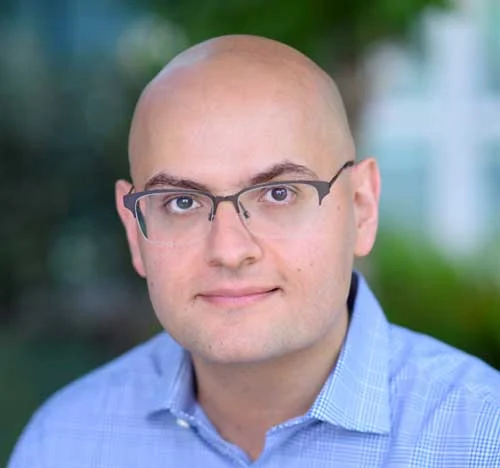
Children’s Hospital Los Angeles (CHLA) has announced a significant advancement in the fight against pediatric cancer as Dr. Babak Moghimi and his research team receive critical funding from CureSearch for Children’s Cancer to pioneer a next-generation immunotherapy for Acute Myeloid Leukemia (AML). This research aims to overcome the persistent biological hurdles that have historically rendered Chimeric Antigen Receptor (CAR) T-cell therapy less effective and more dangerous for AML patients compared to those with other forms of leukemia. By utilizing a sophisticated dual-targeting approach, Dr. Moghimi’s work represents a potential paradigm shift in how relapsed and refractory AML is treated in the pediatric population, focusing on increasing the precision of "living drugs" while minimizing the devastating side effects that currently limit their clinical utility.
The Landscape of Pediatric Acute Myeloid Leukemia
Acute Myeloid Leukemia is the second most common form of leukemia diagnosed in children, accounting for approximately 20% of all pediatric leukemia cases. While advancements in frontline chemotherapy and hematopoietic stem cell transplantation have improved outcomes over the last several decades, the prognosis for children who experience a relapse remains alarmingly poor. Current data suggests that the five-year survival rate for pediatric AML is roughly 65% to 70%, but for those who do not respond to initial treatment or whose cancer returns, the survival rate plummets, often falling below 30%.
Unlike Acute Lymphoblastic Leukemia (ALL), which has seen a revolution in treatment through the approval of CAR T-cell therapies like tisagenlecleucel, AML presents a unique set of biological challenges. In ALL, the target antigen—usually CD19—is found almost exclusively on B-cells. While the therapy eliminates both healthy and cancerous B-cells, patients can survive without B-cells through regular immunoglobulin infusions. However, in AML, the antigens present on the surface of the leukemic blasts are often also found on healthy myeloid progenitor cells and hematopoietic stem cells, which are responsible for producing the body’s entire blood supply.
The Biological Challenge of On-Target, Off-Tumor Toxicity
The primary obstacle in developing CAR T-cell therapy for AML has been "on-target, off-tumor" toxicity. Traditional CAR T-cells are engineered to seek out a single specific protein (antigen) on the surface of cancer cells. When these cells are infused into an AML patient, they frequently attack not only the leukemia but also the healthy bone marrow cells that express the same marker. This leads to prolonged or permanent myeloablation—a condition where the patient’s bone marrow can no longer produce white blood cells, red blood cells, or platelets.
Because of this risk, previous attempts at AML CAR T therapy have often resulted in severe infections, anemia, and bleeding complications, requiring patients to undergo a subsequent bone marrow transplant to survive the treatment itself. This creates a high-risk clinical environment where the "cure" can be as life-threatening as the disease. Furthermore, many AML patients are already heavily pre-treated and may not be healthy enough to withstand the rigors of such toxic therapeutic interventions.
Dr. Moghimi’s Innovation: The Logic-Gated Approach
To address these limitations, Dr. Babak Moghimi and his team at CHLA have developed a next-generation CAR T-cell that operates with a higher level of "intelligence" than its predecessors. Rather than targeting a single antigen, this novel approach utilizes a combination of two antigens. This is often referred to in the scientific community as a "logic gate" (specifically an "AND" gate) system.
In this model, the CAR T-cell is programmed to require the presence of two distinct markers on a cell’s surface before it initiates its killing mechanism. Because healthy cells typically express only one of these markers or express them at significantly lower levels than leukemic blasts, the engineered T-cells can distinguish between a malignant cell and a vital healthy cell. This precision is intended to eliminate the leukemia while sparing the patient’s healthy bone marrow, thereby reducing toxicity and allowing for better persistence of the therapy within the body.
The persistence of the T-cells is another critical factor. In many failed clinical trials, the CAR T-cells disappeared from the patient’s system too quickly, allowing the leukemia to return. Dr. Moghimi’s research focuses on optimizing the T-cell’s internal signaling domains to ensure they remain active and vigilant in the bloodstream for a longer duration, providing a "surveillance" effect against potential relapse.
Chronology of Research and Development
The development of this therapy has followed a rigorous scientific timeline, beginning with the identification of optimal antigen pairs through extensive bioinformatics and proteomic analysis of pediatric AML samples. Following the identification of these targets, the team at CHLA began the engineering phase, constructing various CAR architectures to test which combinations yielded the highest specificity.
In the preclinical phase, these next-generation CAR T-cells were tested in vitro against AML cell lines and in vivo using patient-derived xenograft (PDX) models—mice that carry human leukemia cells. These studies provided the foundational evidence that the dual-targeting approach could effectively clear leukemia without causing the systemic marrow failure seen with single-target CARs.
With the recent infusion of funding from CureSearch, the project is now entering a critical translational phase. This involves the standardization of the manufacturing process to ensure that these complex cells can be produced reliably and safely in a clinical-grade facility. The ultimate goal of the current funding cycle is to move this therapy toward a Phase I clinical trial, which would represent one of the first times this specific dual-targeting logic has been applied to pediatric AML in a hospital setting.
The Role of CureSearch and Philanthropic Support
The funding provided by CureSearch for Children’s Cancer is a pivotal component of this breakthrough. CureSearch is a national non-profit organization that specifically targets "high-impact" research—projects that have a clear path to clinical trials and have the potential to change the standard of care for children with the most aggressive cancers.
Federal funding for pediatric cancer research often accounts for only a small fraction of the National Cancer Institute’s (NCI) budget. This "funding gap" frequently prevents promising laboratory discoveries from making the jump to human trials. By providing Dr. Moghimi with the resources necessary to bridge this gap, CureSearch is facilitating the "bench-to-bedside" transition that is essential for medical innovation.
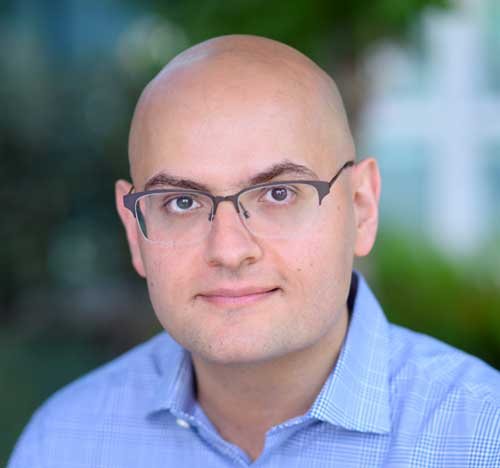
In a statement regarding the grant, Dr. Moghimi emphasized the importance of this support: "Supported by this generous funding from CureSearch, our project aims to develop an effective and safe next-generation CAR T strategy to treat children with AML by targeting a combination of two antigens, significantly increasing their accuracy and safety."
Institutional Impact: Children’s Hospital Los Angeles
Children’s Hospital Los Angeles is uniquely positioned to lead this research. As one of the top-ranked pediatric hospitals in the United States and a leader in cellular immunotherapy, CHLA possesses the infrastructure required to handle the complexities of CAR T-cell manufacturing and administration. The hospital’s Cancer and Blood Disease Institute is home to a multidisciplinary team of oncologists, immunologists, and specialized nurses who are experienced in managing the intensive needs of leukemia patients.
The translation of Dr. Moghimi’s work into the clinic at CHLA would mean that local pediatric patients with relapsed AML—who currently have very few options—could have access to cutting-edge clinical trials without having to travel across the country. Furthermore, as a leading academic institution, CHLA’s findings will likely influence the broader international pediatric oncology community, providing a blueprint for safer immunotherapy protocols.
Broader Implications for the Future of Immunotherapy
The implications of Dr. Moghimi’s research extend beyond AML. The "logic gate" and dual-targeting strategies being refined in this project could potentially be applied to other "liquid" cancers and even solid tumors, which have been notoriously difficult to treat with CAR T-cell therapy. If successful, this approach proves that it is possible to engineer immune cells to navigate the complex "antigen landscape" of a human body, identifying and destroying threats with surgical precision.
Furthermore, the focus on reducing toxicity is a critical step toward making immunotherapy a frontline treatment rather than a "last resort" therapy. Currently, many patients only receive CAR T-cells after their bodies have been weakened by years of toxic chemotherapy. If a safer, more precise version of CAR T can be developed, it may one day be used earlier in the treatment process, potentially sparing children from the long-term side effects of traditional cytotoxic drugs, such as heart damage, secondary cancers, and infertility.
Analysis of Clinical Potential and Challenges
While the promise of Dr. Moghimi’s work is substantial, the path to a widespread cure remains complex. One of the primary challenges in the upcoming clinical phase will be the inherent heterogeneity of AML. Unlike some cancers that are genetically uniform, AML can vary significantly from one patient to another. Ensuring that the chosen antigen pairs are present on the leukemia cells of a broad range of patients will be a key focus of the continued research.
Additionally, the cost and complexity of manufacturing "autologous" CAR T-cells—where a patient’s own cells are harvested, modified, and re-infused—remain high. However, the precision offered by Dr. Moghimi’s dual-targeting approach may ultimately reduce overall healthcare costs by decreasing the length of hospital stays and the need for expensive treatments for side effects like severe cytokine release syndrome (CRS) or prolonged cytopenia.
Conclusion and Outlook
The research led by Dr. Babak Moghimi at Children’s Hospital Los Angeles represents a vital frontier in pediatric oncology. By addressing the specific biological failures of past treatments and leveraging the power of next-generation genetic engineering, the team is moving closer to a reality where a diagnosis of relapsed AML is no longer a terminal prognosis.
The support from CureSearch serves as a catalyst for this innovation, ensuring that the most promising scientific theories are given the opportunity to become life-saving realities. As the project moves forward into the clinical translation phase, the pediatric oncology community will be watching closely, hopeful that this new generation of CAR T-cells will provide the safety and efficacy that children with high-risk leukemia so desperately need. The success of this program would not only be a victory for CHLA and its patients but a significant milestone in the global effort to eradicate childhood cancer through the power of precision medicine.
