
 By admin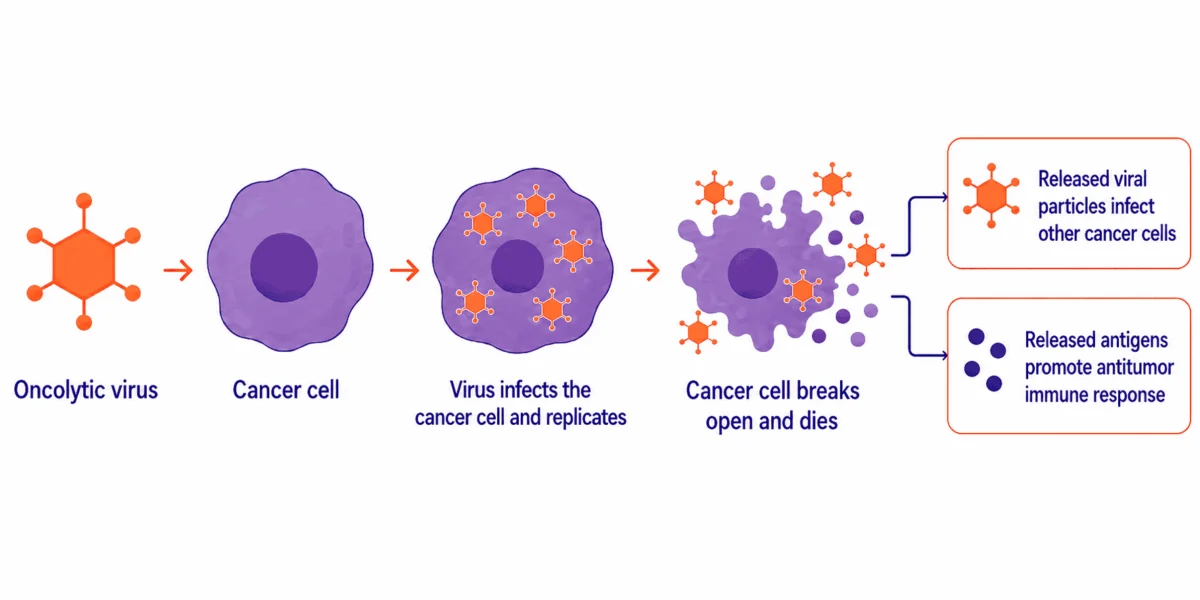
The U.S. Food and Drug Administration (FDA) has announced the accelerated approval of Tudriqev (vusolimogene oderparepvec-wtpg, formerly known as RP1), an oncolytic virus therapy. This landmark decision, made on August 6, 2026, signifies the FDA’s first new approval of an oncolytic virus treatment in over a decade, expanding crucial treatment options for specific adult patients battling advanced melanoma. Tudriqev is approved for use in combination with the immune checkpoint inhibitor nivolumab (Opdivo®) for adults with unresectable advanced cutaneous melanoma whose cancer has progressed following treatment with a PD-1-blocking therapy. This approval underscores a significant advancement in immuno-oncology, leveraging the power of genetically modified viruses to combat one of the most aggressive forms of skin cancer.
The Dawn of a New Era: Tudriqev’s Accelerated Approval
The FDA’s decision to grant accelerated approval to Tudriqev represents a critical milestone for patients who have exhausted previous immunotherapy options. Advanced melanoma, particularly in its unresectable cutaneous form, presents a formidable challenge, and the progression of the disease after PD-1-blocking therapy leaves patients with limited subsequent treatment avenues. Tudriqev, developed by Replimune, offers a novel approach by directly attacking cancer cells and simultaneously stimulating the body’s immune system to recognize and fight the disease. Its approval highlights the FDA’s commitment to facilitating access to innovative therapies for serious conditions with unmet medical needs, even as further confirmatory studies are underway.
Understanding Advanced Melanoma and Unmet Needs
Melanoma, a type of skin cancer that develops when melanocytes (the cells that produce melanin) grow out of control, is known for its aggressive nature and potential for metastasis. While advancements in targeted therapies and immunotherapies, particularly PD-1 checkpoint inhibitors, have dramatically improved outcomes for many patients with advanced melanoma, a significant subset still experiences disease progression. For these patients, whose cancer has proven resistant to or recurred after initial PD-1 blockade, the prognosis can be grim, and the need for new, effective treatments is urgent. Tudriqev’s approval addresses this critical gap, offering a lifeline to individuals facing such challenging circumstances. The "unresectable" classification means the tumor cannot be surgically removed, making systemic therapies even more vital.
How Oncolytic Viruses Revolutionize Cancer Treatment
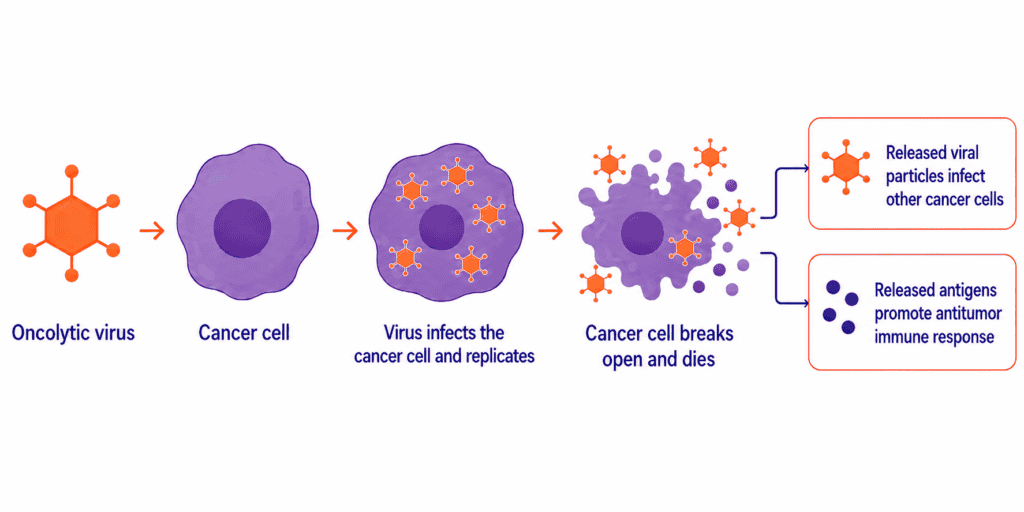
The concept of using viruses to fight cancer, while seemingly counterintuitive, has roots stretching back over a century. Oncolytic viruses are a class of therapeutic agents that are either naturally occurring or genetically engineered to selectively infect and replicate within cancer cells, ultimately leading to their destruction. This process, known as oncolysis, releases new viral particles that can then infect neighboring cancer cells, creating a self-propagating anti-cancer effect.
However, the impact of oncolytic viruses extends beyond direct cellular destruction. As cancer cells undergo oncolysis, they release tumor-associated antigens and inflammatory signals. These signals act as a "danger alarm" for the immune system, attracting immune cells and instructing them to recognize the previously hidden cancer cells as foreign invaders. Many oncolytic viruses, including Tudriqev, are further engineered to produce molecules that amplify this immune response, effectively turning "cold" tumors (those with low immune cell infiltration) into "hot" ones (those with significant immune activity). This dual mechanism—direct tumor lysis and potentiation of an anti-tumor immune response—is what makes oncolytic virus therapy such a powerful and promising strategy in oncology.
Synergy with Immune Checkpoint Inhibitors
The approval of Tudriqev in combination with nivolumab, an immune checkpoint inhibitor, highlights a strategic approach in modern cancer therapy. Immune checkpoint inhibitors like nivolumab work by blocking proteins (checkpoints) on immune cells, such as PD-1, that normally act as "brakes" on the immune response. By releasing these brakes, checkpoint inhibitors allow T-cells to remain active and attack cancer cells more effectively.
The rationale for combining oncolytic viruses with checkpoint inhibitors is rooted in their complementary mechanisms. Oncolytic viruses can initiate or "prime" an anti-tumor immune response by destroying cancer cells and exposing a wealth of tumor antigens, along with inflammatory cytokines and chemokines. This creates an immunogenic tumor microenvironment. However, even with this priming, cancer cells often employ checkpoint pathways to evade immune destruction. By simultaneously administering a checkpoint inhibitor like nivolumab, the immune cells that have been activated by the oncolytic virus are prevented from being shut down by these evasive mechanisms, thereby enhancing and sustaining the anti-tumor immune attack. This synergistic approach aims to achieve a more robust and durable response than either therapy might achieve alone.

The IGNYTE Clinical Trial: Paving the Way for Approval
The accelerated approval of Tudriqev was primarily based on compelling data derived from the IGNYTE clinical trial. This multi-center, open-label study enrolled 140 adult patients with advanced cutaneous melanoma whose disease had progressed after treatment with a PD-1-blocking therapy. A key aspect of the trial’s design focused on patients who had at least one tumor that was not directly injected with Tudriqev, to assess the systemic immune response generated by the therapy.
In the primary efficacy analysis, researchers evaluated 91 such patients. The results demonstrated an objective response rate (ORR) of 24.2%, meaning nearly one-quarter of these patients experienced a predefined reduction in tumor size. Crucially, among those who responded, the median duration of response (DOR) was 14.1 months, indicating a meaningful and sustained clinical benefit. The ability of Tudriqev, in combination with nivolumab, to induce responses in uninjected lesions strongly supports the hypothesis that the oncolytic virus triggers a systemic immune response, effectively training the patient’s own immune system to target cancer cells throughout the body. These results were deemed by the FDA to be "reasonably likely to predict clinical benefit," thus qualifying for accelerated approval.
The Accelerated Approval Pathway: A Strategic Approach
Tudriqev’s accelerated approval pathway is a regulatory mechanism employed by the FDA to expedite the availability of promising new drugs for serious conditions where there is an unmet medical need. This pathway allows for drug approval based on a surrogate endpoint—a measure that is reasonably likely to predict a clinical benefit, even if the ultimate clinical benefit (like overall survival) has not yet been definitively proven. In the case of Tudriqev, the objective response rate and duration of response in a difficult-to-treat patient population served as these surrogate endpoints.
A core requirement of accelerated approval is that the pharmaceutical company, in this instance Replimune, must conduct post-market confirmatory trials. These studies are designed to verify and describe the clinical benefit more comprehensively. The continued approval of Tudriqev will be contingent upon the results of these confirmatory trials. Should the follow-up studies fail to confirm the anticipated clinical benefit, the FDA reserves the right to withdraw the approval. This pathway strikes a balance between providing early access to potentially life-saving therapies and ensuring rigorous scientific validation.
A Century in the Making: The Evolution of Oncolytic Virus Therapy
The journey of oncolytic virus therapy from a historical curiosity to a modern therapeutic modality is a testament to scientific perseverance. The earliest observations date back to 1904, when physicians documented instances of tumor regression in cancer patients who simultaneously contracted viral infections. This sparked initial, albeit rudimentary, investigations into using naturally occurring viruses to treat cancer in the 1950s and 1960s. However, these early attempts were fraught with challenges, including difficulties in controlling viral replication, ensuring tumor selectivity, and mitigating systemic toxicity to healthy tissues. Safety concerns ultimately curtailed much of this early research.
A major turning point arrived in the 1990s with revolutionary advancements in genetic engineering. Scientists gained the ability to precisely modify viral genomes, allowing them to engineer viruses to be more tumor-selective, less pathogenic to healthy cells, and even incorporate genes that enhance their anti-cancer properties or stimulate the immune system. This era marked the birth of modern oncolytic virus therapy.
The first tangible outcome of these breakthroughs in the U.S. came in 2015 with the FDA approval of T-VEC (talimogene laherparepvec, Imlygic®). T-VEC, also a genetically modified herpes simplex virus (HSV), was approved for certain patients with melanoma, specifically those with unresectable cutaneous, subcutaneous, and nodal lesions. Its approval was a monumental step, validating the oncolytic virus platform as a legitimate and effective cancer treatment. Tudriqev, also an HSV-based therapy, now follows T-VEC, representing the first new oncolytic virus approval in over a decade. This prolonged gap underscores the complexity and rigorous development required for such therapies, and Tudriqev’s success reaffirms the growing potential of this innovative class of immunotherapies. The Cancer Research Institute (CRI) notes that before Tudriqev, oncolytic viruses represented a mere fraction (one out of 156) of all FDA cancer immunotherapy approvals, underscoring the significance of this new addition.
Voices from the Field: Reactions and Perspectives
The approval of Tudriqev has been met with significant enthusiasm across the oncology community, from regulatory bodies to patient advocates.
An inferred statement from the FDA might emphasize, "The accelerated approval of Tudriqev marks a critical expansion of our therapeutic arsenal against advanced melanoma, particularly for patients who have exhausted prior immunotherapies. This decision reflects our commitment to bringing innovative, targeted treatments to patients with significant unmet medical needs and validates the ongoing potential of oncolytic virus therapy as a distinct and powerful modality in cancer treatment."
Replimune, the company behind Tudriqev, would likely express their profound commitment. An inferred statement could be, "We are incredibly proud to receive FDA accelerated approval for Tudriqev in combination with nivolumab. This represents a monumental step forward for patients with advanced melanoma who urgently need new options. We are dedicated to fulfilling our post-marketing commitments and continuing our research to explore the full potential of Tudriqev and other oncolytic virus therapies for a broader range of cancers."
Leading oncologists and researchers in the field would undoubtedly welcome the news. An inferred quote from an expert might state, "For patients whose melanoma progresses after PD-1 therapy, options have been severely limited. Tudriqev offers a scientifically elegant solution, combining direct viral oncolysis with potent immune stimulation. The ability to achieve responses, even in distant, uninjected tumors, speaks volumes about its systemic immunotherapeutic effects and its synergistic potential with checkpoint inhibitors. This approval provides renewed hope and further solidifies oncolytic viruses as a cornerstone of future cancer immunotherapies."
Patient advocacy groups would also likely highlight the hope this brings. An inferred statement could be, "This approval is wonderful news for melanoma patients and their families. It expands vital treatment choices for those facing advanced disease, offering a new pathway to fight a very challenging cancer. We commend the FDA and Replimune for their efforts in bringing this innovative therapy to patients and underscore the importance of continued research into novel treatments."
Navigating Treatment: Side Effects and Patient Considerations
As with any potent cancer therapy, Tudriqev plus nivolumab carries potential side effects that patients and their healthcare teams must carefully consider. Common adverse events observed in the IGNYTE trial included fatigue, fever, chills, nausea, reactions at the injection site, and flu-like symptoms. These systemic effects are often indicative of the immune system being activated and are generally manageable.
However, specific warnings accompany Tudriqev due to its viral nature. These include the risk of herpes infection, given that Tudriqev is a modified herpes simplex virus. Patients must be vigilant for symptoms of viral infection, and healthcare providers need to take precautions to prevent accidental exposure to the virus, particularly during administration. It is paramount that patients engage in open and thorough discussions with their healthcare team to understand the potential benefits, risks, and expected side effects of this combination therapy, and to know what symptoms to monitor for. Access to comprehensive patient guides, such as the Cancer Research Institute’s Patient’s Guide to Immunotherapy for Melanoma, can also provide invaluable information.
Future Horizons: Ongoing Research and Expanding Applications
While Tudriqev’s approval marks a significant step, oncolytic viruses remain largely experimental for most cancer types. The scientific community is intensely focused on unraveling the full potential of these therapies. Researchers are actively investigating how different tumor types respond to various oncolytic viruses, exploring optimal dosing strategies, and identifying the most effective combinations with other anti-cancer treatments, including other immunotherapies, chemotherapy, and radiation.
Current research within networks like the Cancer Research Institute includes efforts to:
- Identify specific biomarkers that predict which patients are most likely to benefit from oncolytic virus therapy.
- Develop new generations of oncolytic viruses with enhanced tumor selectivity, replication capacity, and immune-stimulating properties.
- Explore novel delivery methods to improve viral distribution to tumors, especially those that are difficult to access.
- Test oncolytic viruses in preclinical models and clinical trials for a wide array of cancers beyond melanoma, including brain tumors, lung cancer, colorectal cancer, and ovarian cancer.
For patients in the U.S., approved oncolytic virus therapy is still primarily limited to melanoma, but hundreds of clinical trials are currently underway globally, testing diverse oncolytic virus platforms for dozens of different cancers. These ongoing investigations aim to precisely determine where these therapies may be most useful, which patient populations stand to benefit the most, and how to integrate them optimally into existing cancer treatment paradigms. The approval of Tudriqev serves not only as a new treatment option but also as a powerful validation of the entire oncolytic virus field, inspiring further innovation and investment in this exciting frontier of cancer medicine.
The approval of Tudriqev represents a pivotal moment in the fight against advanced melanoma, offering renewed hope to a patient population with critical unmet needs. By harnessing the destructive power of viruses and simultaneously igniting the body’s own immune defenses, this therapy exemplifies the innovative spirit driving modern oncology. It is a testament to decades of scientific endeavor and a harbinger of a future where genetically engineered viruses play an increasingly prominent role in transforming cancer treatment outcomes.
