
 By Budi Oetomo Narendra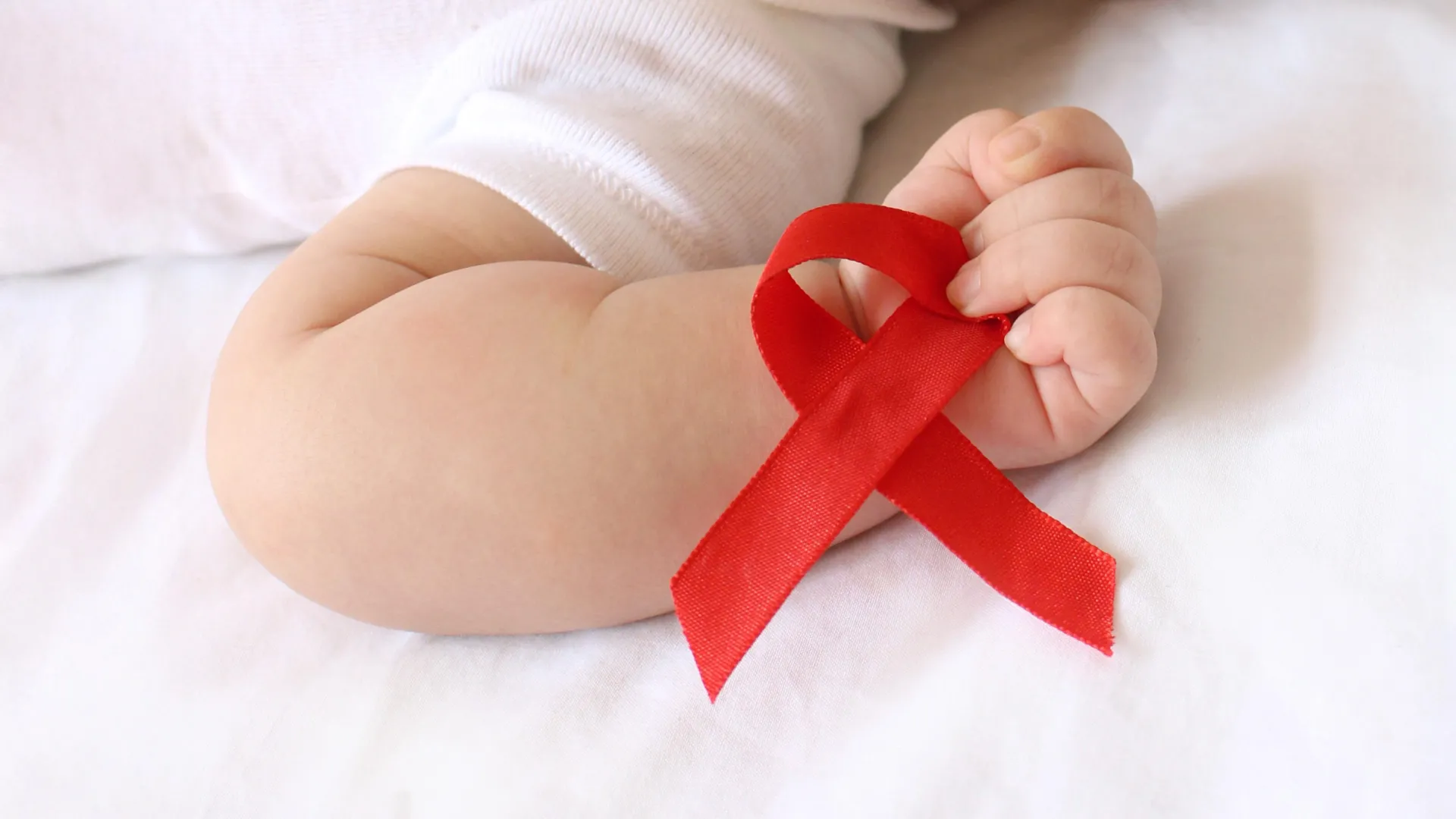
More than 120,000 babies around the world acquire HIV each year, a stark reminder of the persistent global challenge posed by the human immunodeficiency virus. For millions living with HIV, managing the infection necessitates lifelong antiretroviral treatment, contingent on the accessibility and affordability of these vital medications. However, a groundbreaking new study spearheaded by Oregon Health & Science University (OHSU) has unveiled a potentially transformative approach, suggesting that a carefully orchestrated combination of therapies administered to newborns within a critical three-day window following birth could permanently eradicate the virus. This unprecedented finding, detailed in the esteemed journal Nature Microbiology, offers a beacon of hope for a future where pediatric HIV is not merely managed but definitively cured.
The Global Burden of Pediatric HIV and the Search for a Cure
The statistic of 120,000 babies acquiring HIV annually underscores a profound public health crisis. Mother-to-child transmission (MTCT) remains the primary route of HIV infection in children, occurring during pregnancy, childbirth, or breastfeeding. While significant strides have been made in preventing MTCT through comprehensive programs that provide antiretroviral therapy (ART) to pregnant women living with HIV and prophylactic treatment to their newborns, these interventions are not universally accessible or entirely foolproof. Many regions, particularly in sub-Saharan Africa, continue to grapple with high rates of new pediatric infections due largely to socio-economic barriers, inadequate healthcare infrastructure, and issues of stigma and awareness.
For children who do acquire HIV, the prognosis, while improved by ART, still presents a lifetime of challenges. Lifelong ART regimens, though highly effective in suppressing the virus, come with their own set of complexities: the necessity for strict adherence, potential long-term side effects, the need for continuous monitoring, and the psychological burden of living with a chronic condition. Furthermore, the cost of these medications, even with global aid initiatives, remains a significant hurdle for many low-income countries, creating a cycle of dependency and health inequity. The dream of a cure, particularly one that could spare infants from a lifetime of medication, has therefore been a paramount goal for researchers and global health organizations alike. Previous attempts at HIV eradication, such as the widely publicized case of the "Mississippi Baby" who appeared to be cured after aggressive early ART but later experienced viral rebound, have highlighted both the promise and the formidable difficulty of achieving a permanent cure, especially once viral reservoirs—dormant HIV hiding in cells—are established.
A Synergistic Triple-Threat: The OHSU Breakthrough
The OHSU-led research, a collaborative effort involving nonhuman primates at both the Oregon and California National Primate Research Centers, introduces a novel therapeutic strategy that has demonstrated remarkable efficacy in permanently eliminating the virus. The core of this breakthrough lies in the synergistic application of three distinct antiviral agents:
- Standard Antiretroviral Therapy (ART): These drugs, the backbone of current HIV management, work by inhibiting various stages of the viral life cycle, thereby preventing HIV from replicating and reducing the viral load in the body. While ART can suppress the virus to undetectable levels, it does not typically eliminate the integrated viral DNA from host cells, meaning that if treatment is stopped, the virus can rebound from these latent reservoirs.
- Broadly Neutralizing Antibodies (bNAbs): These specialized antibodies are capable of recognizing and neutralizing a wide range of HIV strains. Unlike ART, which targets viral replication, bNAbs directly attack the virus particles themselves, effectively "mopping up" free-floating virus in the bloodstream and potentially preventing new infections of cells. They represent a promising area of research for both HIV prevention and treatment, often explored for their potential to induce long-term remission.
- Leronlimab: This experimental monoclonal antibody acts as a CCR5 antagonist. CCR5 is a co-receptor on the surface of certain immune cells (like T-cells) that HIV commonly uses, in conjunction with the CD4 receptor, to gain entry and initiate infection. By blocking CCR5, leronlimab essentially "seals off" this critical entry point, preventing the virus from infecting new cells. Dr. Jonah Sacha, co-lead author of the study and professor and chief of pathobiology and immunology at OHSU’s Oregon National Primate Research Center (ONPRC) and Vaccine and Gene Therapy Institute (VGTI), succinctly described this mechanism: "By blocking access, it’s like you’ve kept fuel away from the fire."
Individually, each of these approaches has been rigorously tested in various contexts, but none had achieved the elusive goal of permanently clearing the virus. Dr. Sacha himself admits to initial skepticism that merely combining them would yield a superior outcome. However, his long-time OHSU colleague and coauthor, Dr. Nancy Haigwood, a distinguished virologist and immunologist and former ONPRC director, held a strong conviction that the combined power of leronlimab with existing HIV therapies could be more effective. The results unequivocally supported her hypothesis. "We were astounded and overjoyed, actually," Haigwood remarked, emphasizing the profound impact of their discovery.
Chronology of a Breakthrough: From Concept to Nature Microbiology
The journey to this significant discovery reflects years of dedicated research and a collaborative spirit inherent in modern scientific endeavors.
- Decades of HIV Research: The initial understanding of HIV and the development of ART began in the 1980s and 1990s. The concept of using antibodies, particularly neutralizing ones, gained traction in the early 2000s as scientists sought more potent ways to combat the virus.
- Development of Leronlimab: Dr. Sacha, among others, has been instrumental in the development of leronlimab for years, focusing on its mechanism of blocking the CCR5 receptor. This particular monoclonal antibody has been undergoing evaluation in separate clinical trials for various HIV-related applications.
- Haigwood’s Hypothesis: Dr. Nancy Haigwood’s extensive background in studying HIV antibodies led her to theorize that a multi-pronged attack, specifically incorporating the CCR5 blocking action of leronlimab alongside ART and bNAbs, could achieve what individual therapies could not. Her insight was pivotal in designing the experimental regimen.
- Primate Model Studies: The collaborative work at the Oregon and California National Primate Research Centers provided the essential in-vivo model for testing this complex therapeutic strategy. Nonhuman primates, particularly macaques, are widely used in HIV/SIV research due to their physiological and immunological similarities to humans, making them invaluable for preclinical studies. The rigorous design of these studies, administering the therapies within three days of infection and monitoring the outcomes for an extended period, was critical.
- Successful Viral Elimination: The core finding emerged when the treated nonhuman primates showed no detectable viral rebound after cessation of the multi-drug regimen, indicating a permanent clearance of the virus. This outcome was a profound surprise, even to the researchers involved, highlighting the unexpected synergy of the combined treatment.
- Publication in Nature Microbiology: The peer-reviewed publication of these findings in Nature Microbiology signifies the scientific community’s recognition of the study’s rigor, novelty, and potential impact. This step is crucial for disseminating the discovery and paving the way for further research and clinical translation.
The Mechanism of Action: Why Synergy Matters
While the precise reasons for the combined treatment’s exceptional efficacy are still under investigation, Dr. Sacha and Dr. Haigwood hypothesize that the three therapies create a formidable barrier that is far more potent than any single agent. Haigwood offers a compelling analogy:
- Antiretroviral Therapy (ART) – "Turning off the faucet": ART primarily minimizes the virus’s ability to replicate. It reduces the influx of new viral particles, but doesn’t eliminate what’s already present or hidden.
- Neutralizing Antibodies – "Mopping up": These antibodies actively target and clear circulating virus particles, reducing the overall viral load in the body’s blood supply. They act as a cleanup crew, ensuring less virus is available to infect cells.
- Leronlimab (CCR5 Antagonist) – "Sealing off": By blocking the CCR5 co-receptor, leronlimab prevents any remaining or newly emerging virus from infecting susceptible immune cells. It effectively "seals off the room with a water-tight valve," stopping the infection process at a critical entry point.
This layered defense likely creates an environment where the virus is simultaneously suppressed from replicating, actively cleared from circulation, and prevented from entering new host cells. This comprehensive assault may prevent the establishment of deep-seated viral reservoirs—dormant HIV DNA integrated into host cell genomes—which are the primary obstacle to achieving a permanent cure with ART alone. By intercepting the virus so early and so thoroughly, the treatment may prevent the virus from ever gaining a foothold from which it can later re-emerge.
The Critical Window: Early Intervention and Future Questions
A key insight from the study is the paramount importance of early intervention. The combined regimen was administered to newborns within three days of initial infection. Dr. Haigwood suggests that "there’s a lot more going on during the first week of infection than we previously thought," implying a dynamic interplay between the virus and the host’s immune system during this nascent stage that could be crucial for successful eradication. This early window may be when the virus is most vulnerable, before it establishes extensive reservoirs and immune evasion mechanisms.
However, a critical unanswered question remains: how long does this early treatment window stay open? The current study exclusively tested the regimen within 72 hours of infection. "Could it work a week after infection? Two weeks? How far can you go after infection, and still purge the virus?" Dr. Sacha pondered. Answering these questions through further research is vital. If the treatment proves effective even beyond the initial three-day window, it could significantly expand the number of individuals, particularly older infants or even adults with recent exposure, who could benefit from this potentially curative approach.
Path to Human Clinical Trials and Broader Implications
The immediate next step for this groundbreaking research is the translation into human clinical trials. Dr. Sacha expressed optimism, stating, "The really exciting part is that it could go to clinical trials immediately to eliminate HIV infection in newborns." Given that ART is already approved for human use, and both broadly neutralizing antibodies and leronlimab are currently being evaluated in separate clinical trials, the individual components of the triple therapy have established safety profiles.
However, the specific combination and its application in newborns will require rigorous testing. Researchers anticipate that initial studies would likely involve adults who have been recently exposed to HIV, perhaps through occupational exposure or sexual contact, to first assess safety and efficacy in a less vulnerable population. Ethical considerations surrounding clinical trials in newborns are paramount, necessitating careful design and oversight to ensure the highest standards of safety and informed consent. Public health organizations like the World Health Organization (WHO) and national regulatory bodies such as the U.S. Food and Drug Administration (FDA) would play crucial roles in guiding and approving such trials. Experts from these bodies would undoubtedly emphasize the need for robust data from Phase I, II, and III trials before any widespread adoption.
If successful, this strategy holds immense potential to revolutionize the fight against an HIV epidemic that, despite significant progress, still claims approximately 600,000 lives worldwide every year. Beyond the profound impact on pediatric HIV, the principles uncovered by this study could inform new strategies for post-exposure prophylaxis (PEP) in adults, offering a potential curative option instead of merely preventing infection. Moreover, understanding how this combination therapy achieves viral clearance could shed light on the elusive mechanisms of HIV eradication, accelerating the global quest for a universal cure. The scientific community has reason for optimism, as the anatomical and immunological similarities between nonhuman primates and humans provide a strong basis for believing these findings could translate. "There was no reason to think this would completely clear the virus," Sacha reflected, underscoring the serendipitous nature of scientific discovery, "It’s one of those things where you test it and, holy cow, it works and you’ve discovered something new."
A Collaborative Effort Fueled by Public Investment
This monumental research was made possible through substantial support from the National Institutes of Health (NIH), a testament to the critical role of public funding in advancing biomedical science. Specific contributions came from the Eunice Kennedy Shriver National Institute of Child Health and Human Development (NICHD), the National Institute of Allergy and Infectious Diseases (NIAID), the Office of the Director (OD), NIH, and the Office of Research Infrastructure Programs (ORIP), NIH, which supports the vital work of the Oregon and California National Primate Research Centers. This collaborative funding model underscores the intricate web of institutions and individuals whose dedication is essential for breakthroughs of this magnitude, offering a renewed sense of hope in the ongoing battle against HIV.
