
 By admin
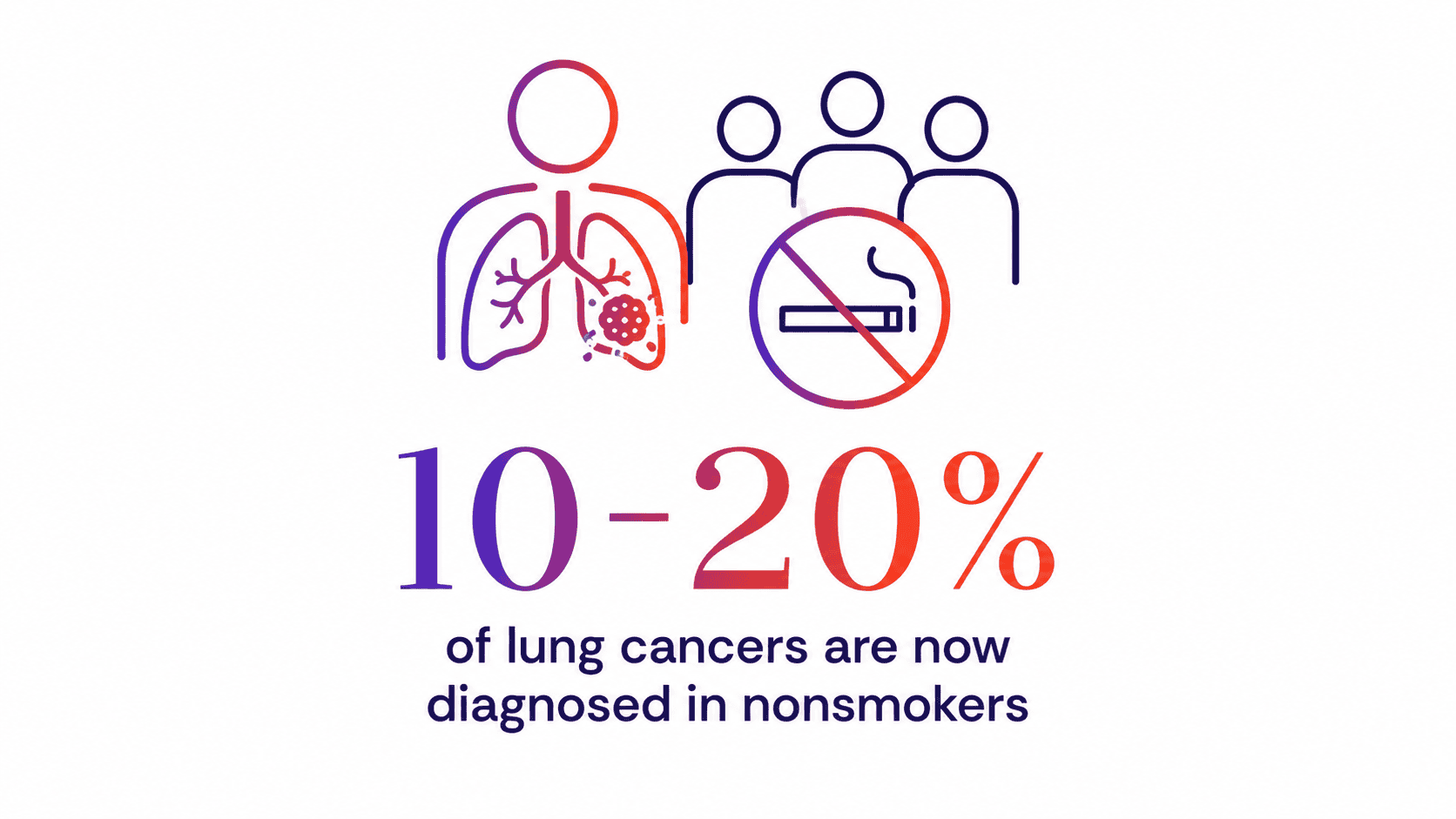
For decades, lung cancer has been inextricably linked with tobacco smoking, a connection deeply rooted in public perception and medical understanding due to smoking’s unequivocal role as the leading cause of the disease globally. However, a significant and concerning shift is underway in the epidemiological landscape of lung cancer, challenging long-held assumptions and revealing a more complex picture. Researchers are increasingly recognizing a distinct pattern: an estimated 10% to 20% of lung cancer diagnoses are now made in individuals who have never smoked, a demographic once considered to be at minimal risk. This evolving reality has prompted the scientific community to reclassify lung cancer in never-smokers (LCINS) as a distinct disease entity, characterized by its own unique biological underpinnings, genetic drivers, and, consequently, requiring potentially different diagnostic and therapeutic strategies.
The Evolving Understanding of Lung Cancer Etiology
Historically, the strong correlation between smoking and lung cancer, cemented by seminal research in the mid-20th century, largely overshadowed other potential causes. This perception, while crucial for public health campaigns aimed at smoking cessation, inadvertently led to a diagnostic blind spot for non-smokers. For many years, a lung cancer diagnosis in a never-smoker was considered an anomaly, often attributed to passive exposure or genetic lottery. However, the consistent rise in LCINS cases, particularly in certain demographic groups, has necessitated a profound re-evaluation.
LCINS is now understood to be biologically different from lung cancer caused by tobacco exposure. Smoking-related lung cancers typically exhibit a high tumor mutational burden, accumulating thousands of DNA changes over years of exposure to tobacco carcinogens. In stark contrast, LCINS is frequently driven by a smaller, more specific set of gene mutations that act as oncogenic drivers, fueling tumor growth. Common mutations include those in the EGFR (epidermal growth factor receptor), ALK (anaplastic lymphoma kinase), ROS1, and BRAF genes, which are less prevalent in smoking-related lung cancers. This fundamental difference in molecular pathology is not merely academic; it has profound implications for targeted treatment development and personalized medicine.
The demographic profile of LCINS also presents a striking contrast. While lung cancer in smokers typically affects older adults, the rise of LCINS is notably observed in younger adults and, remarkably, two-thirds of LCINS cases occur in women, with a disproportionately higher incidence among women of Asian descent. This observation has spurred intensive research into potential genetic predispositions and specific environmental exposures that might be more prevalent in these populations, seeking to explain the observed disparities in risk. For instance, certain cancer-driving mutations like EGFR are known to occur more frequently in East Asian populations, suggesting a complex interplay of genetics and environment.
Unraveling the Causes: A Multifactorial Challenge
The precise reasons behind the increasing prevalence of lung cancer in never-smokers remain an active area of investigation, but researchers widely believe it reflects a complex interplay of multiple factors rather than a singular cause. Environmental exposures, inherited genetic susceptibilities, and improved diagnostic capabilities all contribute to this alarming trend.
Key Environmental Risk Factors:
Three primary environmental factors are consistently identified as significant contributors to LCINS: secondhand smoke, radon exposure, and air pollution.
-
Secondhand Smoke: Despite widespread public health efforts, exposure to secondhand smoke—also known as environmental tobacco smoke—remains a potent carcinogen. It contains approximately 7,000 chemicals, with at least 70 identified as known carcinogens. Even brief exposure can inflict damage on the delicate cells lining the lungs, accumulating over time to increase cancer risk. The Centers for Disease Control and Prevention (CDC) estimates that secondhand smoke causes thousands of lung cancer deaths each year among non-smokers in the United States alone. Living with a smoker, working in environments with tobacco smoke, or frequenting places where smoking is permitted significantly elevates this risk. Public health campaigns continue to advocate for smoke-free environments to protect vulnerable populations.
-
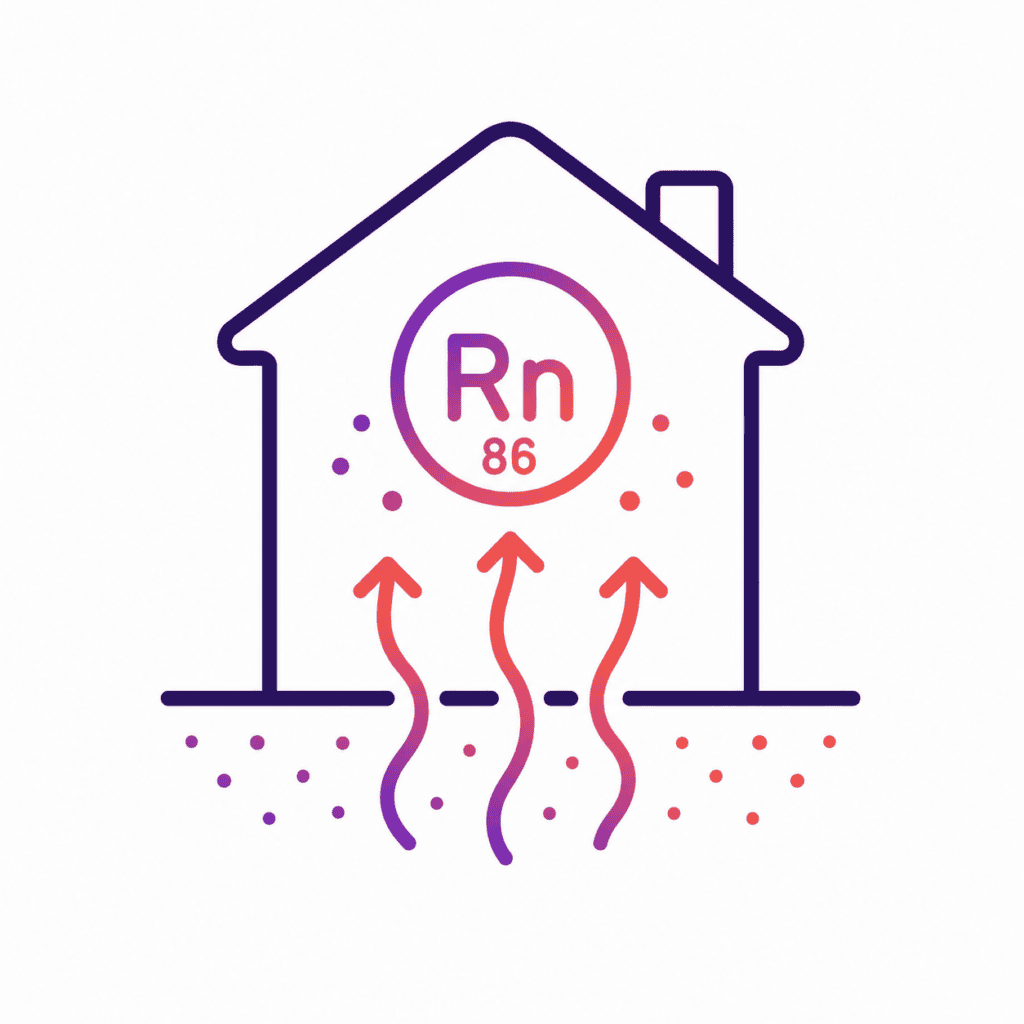
Radon: Radon is the leading cause of lung cancer among people who have never smoked and the second leading cause overall, after smoking. This naturally occurring radioactive gas is a byproduct of the radioactive decay of uranium found in soil, rock, and water. As a colorless, odorless, and tasteless gas, radon is imperceptible without specialized testing, making it a stealthy threat. It seeps into homes and buildings through cracks in foundations, construction joints, and gaps around pipes, accumulating to dangerous concentrations, particularly in poorly ventilated indoor environments. When inhaled, radon decay products deposit radioactive particles in the airways, where they can damage cellular DNA and initiate the carcinogenic process. The Environmental Protection Agency (EPA) recommends mitigation when indoor radon levels exceed 4 picocuries per liter (pCi/L). Fortunately, inexpensive test kits are readily available for home testing, and elevated levels can often be effectively reduced through professional mitigation systems. Public awareness campaigns, often led by organizations like the American Lung Association, are critical to educating homeowners about this hidden danger.
-
Air Pollution (Particulate Matter PM2.5): The ubiquitous presence of air pollution, particularly fine particulate matter (PM2.5), is increasingly recognized as a significant environmental carcinogen. These microscopic particles, less than 2.5 micrometers in diameter, are small enough to bypass the body’s natural defenses and penetrate deep into the respiratory tract. Once lodged in the lungs, PM2.5 can trigger chronic inflammation, oxidative stress, and directly cause DNA damage, creating an environment conducive to tumor initiation and growth. Studies have established a strong association between long-term exposure to high levels of air pollution and the development of new genetic mutations in lung tumors in non-smokers.
The World Health Organization (WHO) sets a guideline for PM2.5 concentrations, recommending they remain below 5 µg/m³ for optimal health. While the average in the U.S. might hover around 7 µg/m³, global disparities are stark. For example, countries like India often report average PM2.5 levels nearing 50 µg/m³, with major cities frequently experiencing concentrations well over 100 µg/m³. This highlights a profound global inequity in exposure to this critical risk factor, with developing nations often bearing the brunt of industrialization and urbanization without adequate pollution controls.
Wildfire Smoke: An Emerging Threat: Adding to the challenge of ambient air pollution is the escalating frequency and intensity of wildfires across the globe, a phenomenon exacerbated by climate change. Wildfires generate massive plumes of hazardous smoke laden with extremely high levels of fine particulate matter, along with a complex cocktail of toxic gases and volatile organic compounds. For instance, the summer of 2026 saw unprecedented Canadian wildfires drive pollution values over 175 µg/m³ in the New York City metropolitan area and across vast swathes of the U.S., casting a smoky haze over major urban centers for days. Such acute, prolonged exposures, combined with chronic background pollution, are raising serious concerns among public health experts about their long-term impact on lung health and cancer risk, particularly for those already susceptible to LCINS.

Genetic Predisposition and Diagnostic Advancements:
Beyond environmental factors, inherited genetic susceptibility plays a role, with certain individuals potentially predisposed to developing LCINS. Researchers are actively investigating specific genetic variants that might increase risk, often in conjunction with environmental exposures. Furthermore, the very increase in LCINS diagnoses partly reflects improved scientific understanding and diagnostic capabilities. As researchers better characterize LCINS as its own distinct disease, clinicians are becoming more attuned to its presentation, leading to better recognition and earlier, more accurate diagnoses through advanced molecular profiling and imaging techniques.
Which Types of Lung Cancer Affect Nonsmokers?
Lung cancer is broadly categorized into two major types:
- Non-small cell lung cancer (NSCLC): This accounts for approximately 85% of all lung cancer cases. Within NSCLC, adenocarcinoma is the most common subtype and is also the type most frequently diagnosed in people who have never smoked. This is crucial because adenocarcinoma often harbors the specific driver mutations (e.g., EGFR, ALK) that make it amenable to targeted therapies.
- Small cell lung cancer (SCLC): This less common but highly aggressive type is overwhelmingly (about 95%) associated with heavy cigarette smoking and is rarely seen in never-smokers.
The Challenges of Early Diagnosis
One of the most critical challenges in improving outcomes for LCINS patients is the difficulty of early diagnosis. Over 70% of all lung cancer cases, including LCINS, are diagnosed in advanced stages. This late detection is largely due to the fact that early-stage lung tumors often present with no obvious symptoms, or symptoms that are non-specific and easily mistaken for more common, benign respiratory conditions.
Current lung cancer screening guidelines in many countries, including the U.S., primarily target high-risk individuals: adults aged 50 to 80 with a significant history of heavy smoking (e.g., 20 pack-years or more) and who currently smoke or have quit within the last 15 years. This narrow focus means that younger adults and individuals who have never smoked, despite their growing risk, are not typically eligible for routine screening. Consequently, symptoms that might indicate LCINS are often initially dismissed as asthma, allergies, bronchitis, or other common respiratory illnesses, leading to significant diagnostic delays.
Early Signs and Symptoms of Lung Cancer can include:
- Persistent cough: A new cough that doesn’t go away or a chronic cough that gets worse.
- Shortness of breath: Feeling winded or having difficulty breathing, especially during activities that were previously easy.
- Chest pain: Pain that is constant, dull, or sharp, often worsening with deep breaths, coughing, or laughing.
- Unexplained weight loss: Significant weight loss without intentional dieting.
- Fatigue and weakness: Persistent tiredness that doesn’t improve with rest.
- Recurring infections: Frequent bouts of bronchitis or pneumonia.
- Hoarseness: A change in voice that lasts for more than a few weeks.
- Clubbing of the fingers: Enlargement of the fingertips and curving of the nails.
While having one or more of these symptoms does not automatically mean a lung cancer diagnosis, it is imperative to seek medical evaluation if they persist for several weeks, worsen over time, or occur without a clear, identifiable cause. Heightened awareness among both the public and healthcare providers about the possibility of LCINS is crucial for reducing diagnostic delays and improving prognoses.
Advancements in Personalized Treatment

The recognition of LCINS as a distinct disease has ushered in an era of more personalized and sophisticated treatment approaches. Unlike the broad-spectrum chemotherapy that once dominated lung cancer treatment, current strategies for LCINS are heavily influenced by the cancer stage and, critically, its unique genetic profile.
-
Targeted Therapies: The identification of specific oncogenic driver mutations in LCINS, such as EGFR mutations or ALK rearrangements, has revolutionized treatment. For patients whose tumors harbor these mutations, targeted therapies, often oral medications, can specifically block the activity of these mutated proteins, thereby inhibiting tumor growth with remarkable efficacy and often fewer side effects than traditional chemotherapy. These therapies represent a cornerstone of LCINS treatment for eligible patients.
-
Immunotherapy: Immunotherapy, which harnesses the body’s own immune system to fight cancer, has transformed the treatment landscape for many cancers, including lung cancer. However, its effectiveness can vary in LCINS. Lung cancers caused by smoking often carry a high number of DNA mutations, leading to the production of many abnormal proteins (neoantigens) that make them more recognizable to the immune system. When checkpoint inhibitors are used to "release the brakes" on immune cells, these highly mutated tumors are often vulnerable. Because LCINS tumors typically have fewer mutations, immunotherapy alone may be less effective for some patients. Consequently, researchers are actively investigating combination approaches, such as immunotherapy paired with chemotherapy or other targeted agents, to improve responses in LCINS patients.
-
Multimodal Approaches: Depending on the stage and characteristics of the cancer, treatment plans for LCINS often involve a multimodal approach, integrating surgery (for early-stage disease), radiation therapy, and chemotherapy alongside targeted therapies and immunotherapy. The decision-making process is highly individualized, guided by comprehensive molecular profiling of the tumor to identify actionable mutations and predict treatment response.
Public Health Implications and Future Directions

The rising incidence of lung cancer in never-smokers underscores the imperative for a multi-pronged public health response and sustained research efforts. While LCINS remains relatively less common than smoking-related lung cancer, its growing recognition highlights how much remains to be understood about its etiology, prevention, and treatment.
From a public health perspective, there is a clear need to revisit and potentially expand lung cancer screening guidelines to include never-smokers who may possess other significant risk factors, such as prolonged exposure to radon or severe air pollution. This might involve developing risk assessment models that incorporate environmental exposures, genetic predispositions, and family history. Furthermore, enhanced public awareness campaigns are crucial to educate individuals about the pervasive nature of environmental carcinogens like radon and air pollution, and to empower them to take proactive steps to mitigate exposure (e.g., radon testing, monitoring air quality alerts). Advocacy for stronger environmental regulations, particularly concerning air quality and emissions, becomes even more critical in this context.
For the research community, the ongoing work to unravel the biology of LCINS is paramount. This includes identifying novel biomarkers for early detection, understanding the complex interplay between genetic and environmental factors, and developing more effective, personalized treatments. Each new discovery brings humanity closer to earlier detection, more tailored interventions, and ultimately, better outcomes and improved quality of life for patients.
While no one can eliminate every single risk factor, understanding the potential impact of environmental exposures, recognizing persistent and unexplained symptoms, and proactively seeking medical evaluation when something feels amiss can make an important and potentially life-saving difference. As scientists continue to shed light on this evolving health challenge, collective efforts from public health bodies, medical professionals, researchers, and informed individuals are essential to navigate and mitigate the silent epidemic of lung cancer in never-smokers.
