
 By admin
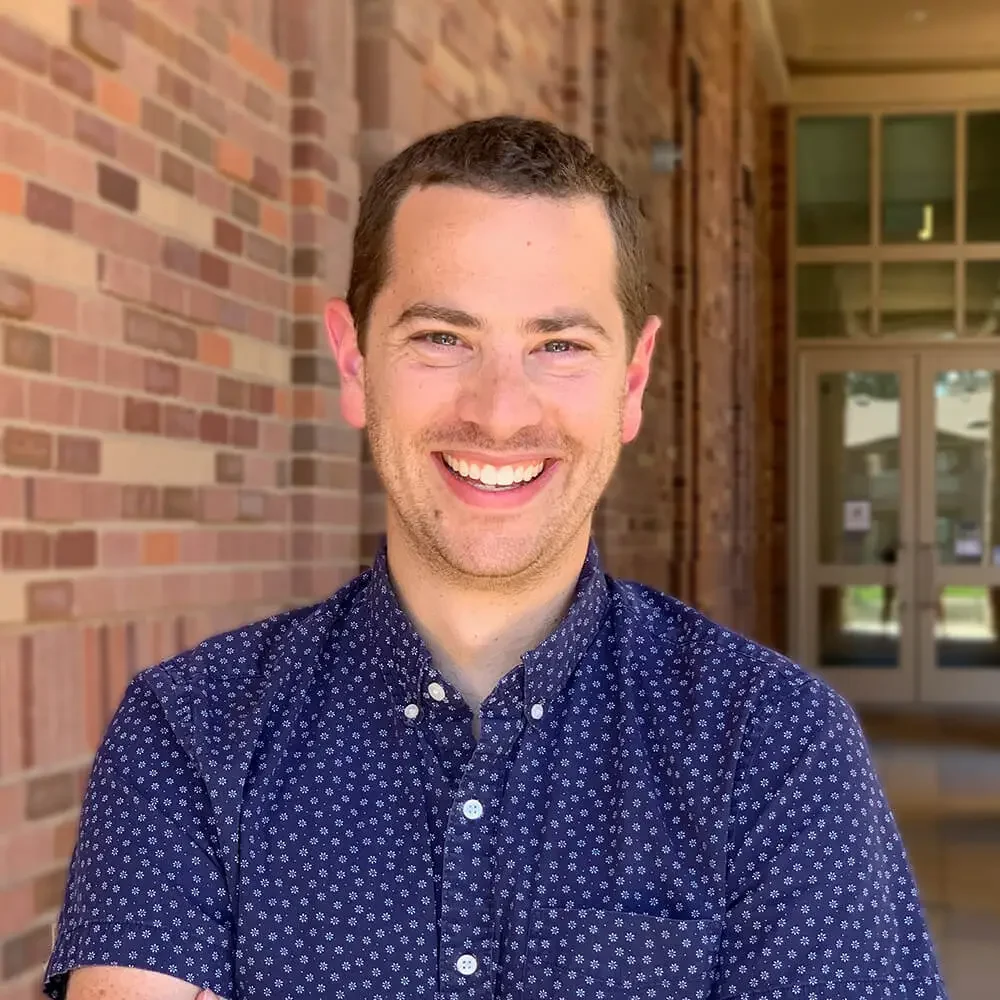
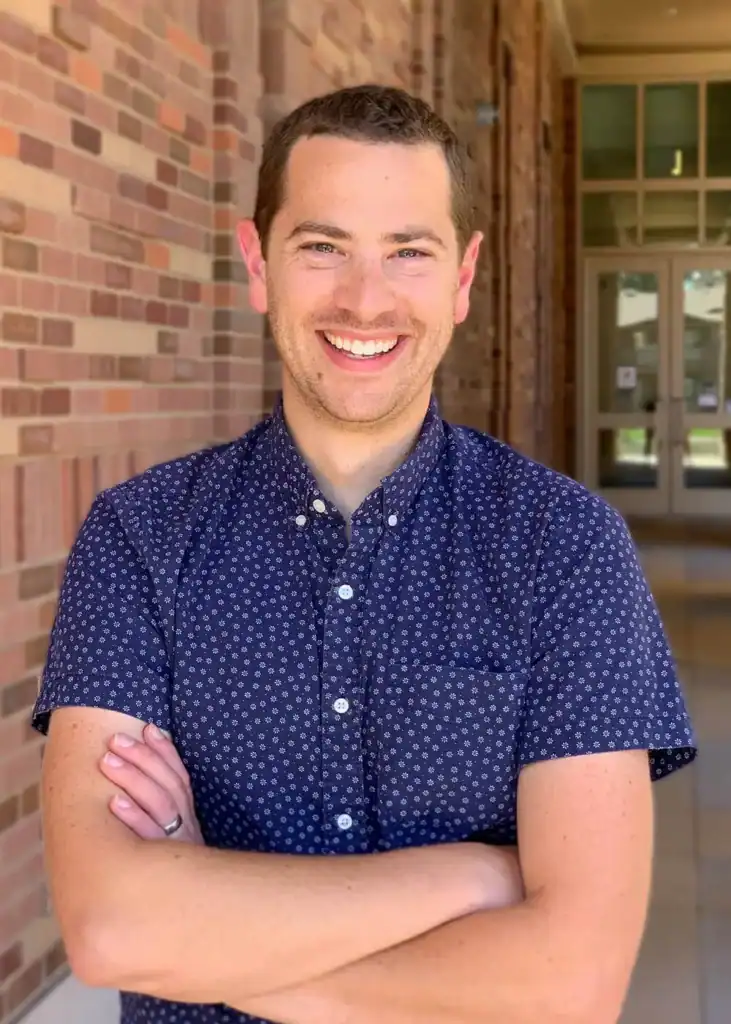
The Cancer Research Institute (CRI) has recognized Dr. Aaron Whiteley, an Assistant Professor in the Department of Biochemistry at the University of Colorado Boulder, with its distinguished STAR (Scientists Taking Risks) award. This significant accolade will empower Dr. Whiteley and his team to delve deeper into the evolutionary origins of immune signaling, specifically exploring how ancient bacterial pathways can be harnessed to develop groundbreaking, customized probiotics capable of boosting anti-cancer immunity and enhancing patient responses to existing immunotherapies. His research represents a bold frontier in understanding the intricate communication between microbes and human cells, potentially unlocking a "Rosetta Stone" for manipulating the immune system against cancer.
A Career Forged in Foundational Science
Dr. Whiteley’s academic journey reflects a steadfast commitment to fundamental biological inquiry. He earned his Ph.D. from the University of California, Berkeley, a bastion of scientific discovery, where his exceptional promise was recognized early with a National Science Foundation Graduate Research Fellowship. This prestigious fellowship is awarded to outstanding graduate students in science, technology, engineering, and mathematics disciplines, providing critical early-career support for innovative research. Following his doctoral studies, Dr. Whiteley further refined his expertise during postdoctoral training at the esteemed Harvard Medical School, working at the cutting edge of immunological research.
In 2020, a year marked by unprecedented global challenges, Dr. Whiteley established his independent laboratory at the University of Colorado Boulder. This period, coinciding with the height of the COVID-19 pandemic, underscored the critical importance of understanding immune responses and the intricate dance between host and microbe. Since then, his lab has been dedicated to unraveling the molecular mechanisms and evolutionary trajectories of immune signaling pathways. This foundational work is crucial because immune signaling dictates how our bodies detect threats, mount defenses, and maintain health. Dysregulation in these pathways is implicated in a myriad of diseases, including autoimmune disorders, infectious diseases, and, critically, cancer.
Unearthing Ancient Roots of Modern Immunity
A cornerstone of Dr. Whiteley’s research over the past decade has been the astonishing revelation that some of the very pathways vital for human health today trace their origins back to bacteria more than a billion years ago. This concept of evolutionary conservation highlights the deep historical ties between microbial life and the development of complex biological systems. For instance, innate immune pathways, which represent the body’s first line of defense, often share remarkable similarities with bacterial defense systems. Microorganisms have been locked in an evolutionary arms race for eons, developing sophisticated mechanisms to detect and combat invaders, and these mechanisms have often been co-opted or adapted by eukaryotic hosts, including humans, over geological timescales.
One particular pathway, identified through Dr. Whiteley’s pioneering work, stands out as a critical driver of successful cancer immunotherapy. While specific details of the pathway are subject to ongoing research, its ancient bacterial heritage suggests a profound connection between the microbial world and the intricate machinery of anti-tumor immunity. This discovery is not merely an academic curiosity; it provides a unique lens through which to understand and potentially manipulate our immune system. It suggests that our immune cells might still "speak" a language that bacteria intrinsically understand, offering novel avenues for therapeutic intervention. The implication is that by understanding this ancient microbial language, scientists could devise strategies to fine-tune human immune responses against cancer.
The Rise of Immunotherapy and Its Current Challenges
The landscape of cancer treatment has undergone a revolutionary transformation in recent years, largely due to the advent of immunotherapy. For decades, conventional treatments like surgery, chemotherapy, and radiation therapy were the primary weapons against cancer. While often effective, they frequently came with significant side effects and limitations, particularly in advanced or metastatic cancers. The approval of checkpoint inhibitors in the early 2010s, which essentially "unleash" the immune system to attack cancer cells, marked a paradigm shift. Therapies like CAR T-cell therapy, where a patient’s own T-cells are genetically engineered to recognize and destroy cancer, have shown remarkable success in certain blood cancers, transforming previously fatal diagnoses into manageable conditions. As Dr. Whiteley himself noted, overhearing patients casually discussing CAR T-cell therapy in a supermarket line would have been unimaginable even 25 years ago.
Despite these breakthroughs, immunotherapy is not a universal panacea. A significant proportion of patients do not respond to current immunotherapies, or they develop resistance over time. Furthermore, these treatments can be associated with severe immune-related adverse events. The challenge for cancer researchers today is to understand why some patients respond dramatically while others do not, and to develop strategies to broaden the efficacy and safety of these life-saving treatments. This is precisely where Dr. Whiteley’s research into the microbial origins of immune signaling holds immense promise, offering a novel approach to prime and augment anti-cancer immune responses.
The CRI STAR Program: Fostering High-Risk, High-Reward Science
The Cancer Research Institute’s STAR (Scientists Taking Risks) program is uniquely designed to address the inherent challenges of scientific innovation. Traditional funding mechanisms, particularly from large governmental agencies, often favor projects with established preliminary data and clearly defined, low-risk milestones. While essential for incremental progress, this model can inadvertently stifle truly transformative, "pie-in-the-sky" research that may lack extensive preliminary data but holds the potential for revolutionary breakthroughs.
The STAR program actively counters this by providing flexible, unrestricted funding to scientists like Dr. Whiteley who are pursuing high-risk, high-reward questions. This philosophy is rooted in CRI’s longstanding commitment to funding bold, unconventional research that has historically paved the way for immunotherapy advancements. Since its inception in 1953, CRI has invested over $500 million in cancer immunotherapy research, supporting thousands of scientists worldwide and playing a pivotal role in bringing numerous immunotherapies from the lab to patients.
As Dr. Whiteley articulated, "When you’re constantly focused on how do I get a little bit more data to get the next grant, especially when those grants are coming from the National Institutes of Health, they are a little bit more risk-averse. You can’t do the pie-in-the-sky paradigm-shifting experiments. This grant will enable us to push the limits, as it’s high risk, high reward. It is game-changing for my research program." This sentiment was echoed by Dr. Edward Chuong, a 2025 CRI STAR awardee also from the University of Colorado Boulder, who stated, "The unrestricted support has allowed us to chase high-risk leads and provides an incredible chance to take big risks that have a chance of improving cancer immunotherapy." This freedom is paramount for exploring uncharted scientific territory.
Deciphering the "Rosetta Stone" of Microbe-Immune Communication
With the support of the CRI STAR award, Dr. Whiteley’s team will embark on a focused investigation into newly discovered bacterial enzymes that are capable of activating the critical immune pathway he identified. This endeavor involves a multi-faceted approach combining microbiology, biochemistry, immunology, and genomics to understand precisely how these bacterial components interact with human cells to elicit an immune response. The long-term objective is nothing short of translating this ancient communication between bacteria and human cells.
The "Rosetta Stone" analogy is particularly apt here. Just as the Rosetta Stone unlocked the secrets of ancient Egyptian hieroglyphs by providing a parallel text in a known language, Dr. Whiteley aims to decode the signals bacteria use to communicate with our immune system. This involves identifying the specific enzymes, their substrates, and the downstream signaling cascades they trigger within human cells. The potential implications are profound: if researchers can understand this dialogue, they can then design bespoke interventions.
One of the most exciting translational goals of this research is the development of customized probiotics. Unlike general probiotic supplements that offer broad microbial support, these would be engineered with specific bacterial strains or even specific bacterial enzymes designed to activate the identified anti-cancer immune pathway. Imagine a probiotic tailored to a patient’s unique microbiome and tumor characteristics, administered orally or systemically, that could prime their immune system to better recognize and eliminate cancer cells. This could serve as a powerful adjuvant therapy, enhancing the effectiveness of existing immunotherapies or even acting as a standalone treatment in certain contexts. Such designer probiotics could potentially reduce the dosage or frequency of more toxic systemic treatments, mitigate side effects, and expand the population of patients who benefit from immunotherapy.
Broader Implications and Future Horizons
Dr. Whiteley’s work transcends the immediate goal of new cancer therapies. It contributes significantly to our fundamental understanding of host-microbe interactions, the evolutionary history of immunity, and the complex interplay between the microbiome and human health. The microbiome, the vast community of microorganisms residing within and on our bodies, is increasingly recognized as a crucial modulator of health and disease, influencing everything from digestion and metabolism to neurological function and immune responses. Research like Dr. Whiteley’s underscores the fact that our bodies are not isolated entities but complex ecosystems where microbial residents exert profound influence.
The analytical implications are substantial. By focusing on the evolutionary origins of immune pathways, Dr. Whiteley’s approach offers a new paradigm for drug discovery and therapeutic development. Instead of solely screening synthetic compounds, researchers might increasingly look to the natural world, and specifically the microbial world, for novel biological agents that can modulate human physiology. This interdisciplinary approach, merging microbiology, immunology, and cancer biology, is representative of the future of biomedical research, where breakthroughs often emerge at the intersections of established fields.
Beyond his scientific pursuits, Dr. Whiteley is also deeply committed to nurturing the next generation of scientific minds. As a recipient of multiple graduate mentoring awards, he embodies the philosophy that scientific progress is a relay race, not a solo sprint. His passion for helping students pursue ambitious ideas is critical for sustaining the momentum of discovery. He recognizes that the revolutionary advancements in cancer treatment seen today—from novel immunotherapies to gene-editing techniques—are the culmination of decades of relentless effort by countless scientists. To continue "moving the needle" and "pushing the envelope," as he puts it, requires not just brilliant ideas but also a steady pipeline of curious, dedicated, and courageous young researchers willing to take risks.
The Cancer Research Institute’s investment in Dr. Whiteley’s vision is an investment in a future where cancer is not just treated, but potentially outsmarted, using insights gleaned from a billion years of evolutionary history. His research program, characterized by its bold thinking and innovative approach, exemplifies the kind of transformative science that the CRI STAR program was created to support. By deciphering the ancient language of bacteria and translating it for modern medicine, Dr. Whiteley stands poised to redefine our understanding of the profound and often overlooked relationship between microbes, immunity, and the fight against cancer, offering new hope for patients worldwide.
