
 By admin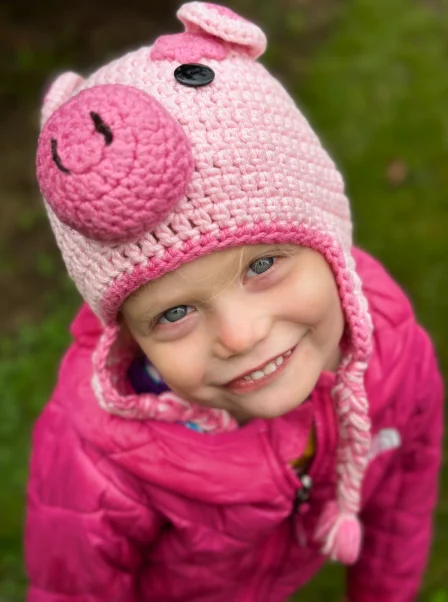
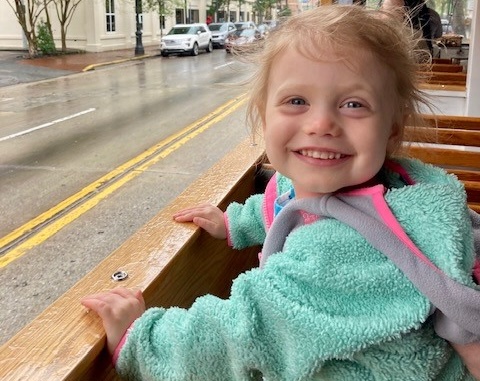
The narrative of pediatric oncology is often defined by statistics and survival rates, but for families like that of seven-year-old Ella, the reality is measured in milestones once thought impossible. As Ella finishes her dance class, giggling with friends and skipping toward her mother, Christina, the scene serves as a living testament to a decade of scientific persistence and the critical role of philanthropic intervention. Ella is a survivor of M7-AML, a rare and exceptionally aggressive subtype of acute myeloid leukemia (AML). At the time of her diagnosis, medical projections suggested she would not live to see her third birthday. Today, her life represents the vanguard of a new era in cancer treatment, where targeted therapies and national research collaborations are beginning to dismantle the barriers that have long hindered progress in treating rare pediatric malignancies.
The Clinical Challenge of M7-AML and the Research Gap
Acute myeloid leukemia is a cancer of the blood and bone marrow characterized by the rapid growth of abnormal white blood cells. While pediatric AML accounts for approximately 20% of childhood leukemias, the M7 subtype—acute megakaryoblastic leukemia—is particularly formidable. Historically, M7-AML has been associated with poor outcomes due to its resistance to conventional chemotherapy and its high rate of relapse. For many years, the standard of care remained stagnant, relying on intensive, high-toxicity regimens that often left survivors with lifelong chronic health issues.
The fundamental challenge in treating rare subtypes like M7-AML lies in the lack of commercial incentive for pharmaceutical development. Because the number of patients diagnosed annually is relatively small, major drug companies often bypass these "orphan" diseases in favor of more prevalent conditions. This leaves a significant "innovation gap" where pediatric researchers must rely almost exclusively on federal grants or private donations to fund early-stage discovery. In the United States, only a small fraction of federal cancer research funding is specifically allocated to pediatric-focused studies, making the role of organizations like the Children’s Cancer Research Fund (CCRF) indispensable.
A Decades-Long Quest for a "One-and-Done" Therapy
The scientific foundation for Ella’s survival was laid years before she was born. Dr. Soheil Meshinchi, a renowned researcher at the Fred Hutchinson Cancer Center in Seattle, dedicated his career to identifying the genetic drivers of AML. Dr. Meshinchi was among a small group of investigators focused on the molecular intricacies of Ella’s specific subtype. His objective was as ambitious as it was necessary: to develop a treatment that was both more effective and less toxic than the current standard of care.
Dr. Meshinchi’s research focused on a "one-and-done" approach—a form of immunotherapy designed to harness the body’s own immune system to identify and permanently eradicate leukemia cells. Unlike traditional chemotherapy, which attacks both healthy and cancerous cells indiscriminately, this targeted therapy seeks out specific markers on the surface of cancer cells. This precision minimizes damage to healthy tissue and offers a potential cure for children who have exhausted traditional treatment options or whose cancer has returned.
For parents like Christina, discovering Dr. Meshinchi’s work was a turning point. As they searched for a safety net should Ella’s initial treatments fail, they found a scientist who had already spent years preparing for a patient just like her. However, translating a laboratory discovery into a clinical trial—the stage where a treatment can actually be administered to patients—requires a level of funding that individual researchers rarely possess.
The Financial Hurdle and the Role of Philanthropy
Dr. Meshinchi has frequently cited the financial landscape as the primary obstacle to medical breakthroughs. "Since the number of patients seen in a year [with this kind of AML] is so small, there’s no interest from drug companies to support this," he stated. "The biggest hurdle to this work is financial."
This is where the intersection of patient advocacy and non-profit support becomes vital. Ella’s family partnered with the Children’s Cancer Research Fund to bridge the funding gap. Through a massive grassroots effort, they raised over $1.3 million to launch Dr. Meshinchi’s clinical trial. Beyond direct fundraising, the CCRF provided the administrative and networking infrastructure necessary to sustain long-term research. By connecting Dr. Meshinchi with a broader network of donors and foundations, the organization ensured that the research would not stall due to inconsistent funding cycles.
This collaborative effort reached a historic milestone in April 2025, when the clinical trial officially enrolled its first pediatric patient. The transition from "target discovery" to "clinical application" occurred in record time, a feat Dr. Meshinchi attributes directly to the sustained support of families and donors. He described the current progress as being "as close to a Holy Grail of cancer therapy" as the field has ever seen.

A New Framework: The Pediatric AML Collaborative
The success of individual trials, while monumental, highlights a systemic issue in the pediatric cancer landscape: the reliance on individual families to fund the very research that might save their children. For many parents, the burden of managing a child’s life-threatening illness while simultaneously running multi-million dollar donation drives is an unsustainable reality.
In response to this challenge, the Children’s Cancer Research Fund has spearheaded the creation of the Pediatric AML Collaborative. This initiative is designed to move away from fragmented, "one-off" research projects toward a national, unified strategy. The Collaborative brings together a diverse ecosystem of stakeholders, including clinicians, researchers, foundations, and families, to create a more efficient pipeline for drug discovery and patient care.
The Pediatric AML Collaborative is built on several key pillars:
- Centralized Data Sharing: One of the greatest barriers to treating rare cancers is the lack of centralized data. By creating a unified repository of genetic and clinical information, researchers across the country can better understand how different AML subtypes respond to various treatments.
- Sustained Funding Models: Rather than relying on sporadic fundraising, the Collaborative seeks to establish a consistent flow of capital to high-potential research projects, ensuring that promising science does not "peter out" in the lab.
- Streamlined Clinical Trials: The Collaborative aims to reduce the bureaucratic and logistical hurdles that often delay the start of pediatric trials, allowing life-saving treatments to reach patients faster.
- Support for Families: By institutionalizing the fundraising and advocacy process, the Collaborative alleviates the administrative burden on parents, allowing them to focus on their child’s care.
Broader Implications for the Future of Oncology
The implications of this work extend far beyond the specific case of M7-AML. The "one-and-done" immunotherapy model being pioneered by Dr. Meshinchi represents a broader shift in oncology toward personalized medicine. As researchers become more adept at identifying the unique genetic "fingerprints" of a patient’s cancer, the goal of achieving high cure rates with minimal long-term side effects becomes increasingly attainable.
Furthermore, the model established by the Pediatric AML Collaborative serves as a blueprint for other rare diseases. By demonstrating that a combination of targeted philanthropy and multi-institutional cooperation can overcome the lack of commercial interest, the CCRF is providing a path forward for thousands of children diagnosed with other rare conditions.

The success of this approach is visible in the everyday life of children like Ella. Her ability to attend kindergarten, participate in soccer, and learn to read is not merely a personal victory for her family; it is a proof of concept for the scientific community. It proves that "the odds" are not fixed, and that with sufficient investment and collaboration, the most aggressive forms of cancer can be defeated.
Analysis of the Road Ahead
While the enrollment of the first patient in the 2025 trial is a cause for celebration, the path to widespread implementation of these therapies remains complex. Clinical trials are multi-year processes that require rigorous monitoring for safety and efficacy. Even after a trial is successful, the process of gaining regulatory approval and ensuring equitable access for all patients, regardless of their location or socioeconomic status, remains a significant challenge.
The work of the Pediatric AML Collaborative will be essential in navigating these final hurdles. By fostering a national dialogue and maintaining a focus on the most difficult-to-treat cases, the organization is ensuring that children like Ella are no longer the exception, but the new standard of survival.
In the professional estimation of many in the field, the era of treating pediatric cancer with "sledgehammer" approaches like high-dose chemotherapy is gradually giving way to the era of the "scalpel"—precise, targeted, and life-affirming. The story of Ella, Dr. Meshinchi, and the CCRF is a powerful reminder that while science provides the tools, it is the collective will of a committed community that provides the power to use them. As Ella continues to beat the odds, she does so as a symbol of hope for the next generation of pediatric patients and a reminder that no cancer is too rare to be cured.
