
 By Nana O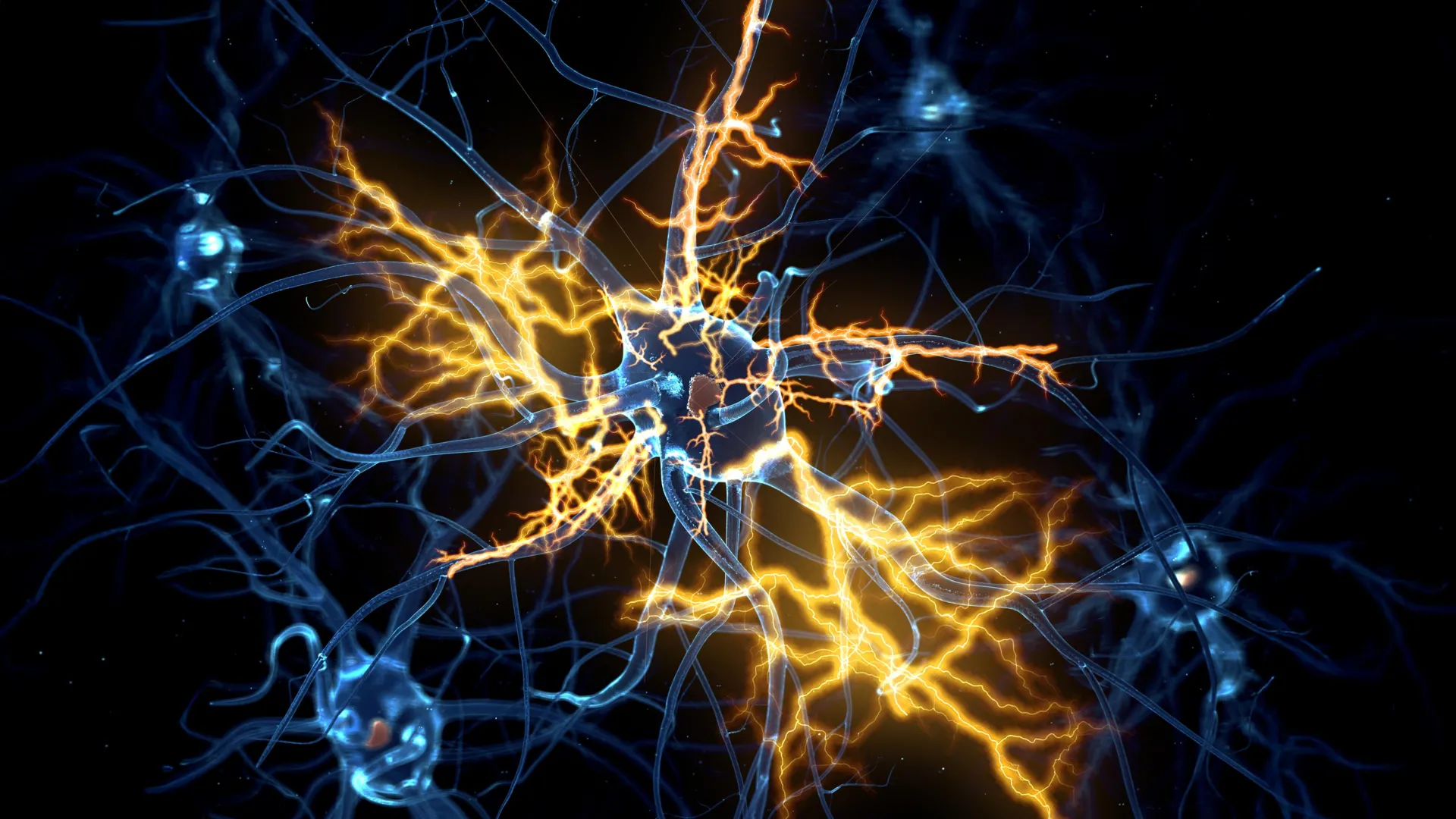
Scientists at the University of Cambridge have achieved a groundbreaking advancement in neuroscience, creating sophisticated lab-grown brain and spinal cord systems that precisely replicate the complex pathways of movement signals in the human nervous system. This pioneering model has yielded a discovery that could fundamentally alter our understanding of nerve damage: it appears that nerve damage, long considered permanent, may indeed be reversible under specific conditions. The implications of this research are profound, offering a glimmer of hope for millions suffering from paralysis and other debilitating neurological conditions.
The Intricate Dance of Neural Communication and the Challenge of Regeneration
From the earliest stages of embryonic development, the human nervous system orchestrates an astonishingly complex symphony of communication. Neurons, the fundamental building blocks of this system, form intricate networks connecting the brain and spinal cord. These vital connections are facilitated by axons, the long, slender projections of nerve cells that transmit electrical and chemical signals, enabling everything from the subtlest muscle twitches to complex motor actions.
However, as the central nervous system matures, it undergoes a significant shift: its capacity for regenerating damaged axons dramatically diminishes. This developmental phenomenon is a primary reason why injuries to the brain or spinal cord often result in permanent disabilities, such as paralysis, loss of sensation, or impaired motor control. The decline in regenerative ability is also implicated in the progression of devastating neurological diseases like motor neurone disease (also known as ALS) and multiple sclerosis, conditions characterized by the progressive degeneration of nerve cells. For decades, the prevailing scientific consensus has been that once these critical nerve fibers are severed or damaged beyond a certain point, the body’s ability to repair them is severely compromised, if not entirely lost.
Miniature Human Nervous System Models: A Window into Neural Development
Building upon their previous work in 2021, where Dr. András Lakatos and his team at the University of Cambridge developed miniature human brain models (organoids) from patient-derived stem cells, researchers have now expanded their innovative approach. These pea-sized "brain organoids," which mimic aspects of the cerebral cortex, have already proven invaluable in studying the molecular underpinnings of motor neurone disease and exploring potential preventative strategies.
The latest breakthrough, detailed in a significant publication in the journal Cell Reports, involved the construction of a more comprehensive, interconnected miniature human brain and spinal cord system. Recognizing that the brain and spinal cord are distinct yet intimately connected structures, the researchers meticulously cultured these organoids separately in the laboratory. Their objective was to observe and analyze the natural tendency of axons to extend and establish connections across a physical gap.
In a remarkable demonstration of biological plasticity, the team observed axons originating from the brain tissue extending across the void to physically connect with the spinal cord tissue. This newly formed neural circuit proved to be sufficiently functional to elicit contractions in small clusters of muscle cells cultured nearby. This achievement represents a critical step forward, as it allows scientists to study the integrated function of brain-spinal cord communication in a controlled, human-relevant environment.
Unveiling the Developmental Window for Nerve Regrowth
The scientists maintained these sophisticated miniature systems in their laboratory environment for an extended period, exceeding a year. This longitudinal observation period allowed for the tracking of developmental changes and their impact on regenerative capabilities. A pivotal discovery emerged from this extended study: up to approximately day 150 of development, a stage roughly corresponding to the middle trimester of pregnancy, damaged axons within these nascent nervous systems demonstrated a remarkable ability to regrow. However, after this critical developmental juncture, the neurons exhibited a precipitous decline in their regenerative potential.
George Gibbons, the first author of the study and a researcher at the Department of Clinical Neurosciences at the University of Cambridge, articulated the significance of this finding: "Neurons taken from less mature organoids regrew long fibers after injury, but those from more mature organoids showed a sharp drop in their ability to regrow. In other words, poor regeneration is built into human neurons as they mature in the central nervous system." This observation strongly suggests that the loss of regenerative capacity is not an external factor but an intrinsic developmental program that becomes activated as the nervous system matures.
The Genetic Switch Governing Axon Growth
To understand the underlying mechanisms of this developmental shift, the research team conducted a detailed analysis of gene activity in the neurons responsible for connecting the brain and spinal cord. Their meticulous investigation revealed a complex network of genes that appears to function as a sophisticated biological "switch." This genetic network actively limits axon growth as neurons mature and establish synaptic connections, a crucial process for stable neural circuit formation but one that seemingly comes at the cost of regenerative capacity.
In a particularly striking finding, the researchers discovered that by selectively blocking key regulatory elements within this identified gene network, they could effectively reactivate the dormant regenerative capabilities of the neurons. This demonstrated that the diminished capacity for axon growth is not an irreversible state but can be modulated through targeted genetic intervention.
A Pharmaceutical Ally: Lynestrenol and Enhanced Nerve Regeneration
The Cambridge team further explored the potential for pharmaceutical intervention by searching a comprehensive database of drug compounds for agents that could influence this newly identified gene network. Their search yielded a promising candidate: lynestrenol. This hormone drug is already approved and in clinical use for certain menstrual disorders and as a contraceptive, indicating a known safety profile in humans.
When lynestrenol was administered to damaged neurons in the lab, it led to a significant and measurable improvement in axon regrowth. This discovery is particularly exciting because it suggests that a readily available drug could potentially be repurposed to facilitate nerve repair. While the precise mechanism by which lynestrenol interacts with the gene network requires further elucidation, its efficacy in promoting axon regeneration in this model is a powerful proof-of-concept.
The researchers acknowledged that other factors, such as scar tissue formation and inflammation at the site of injury, can also impede nerve repair. However, they emphasized the critical importance of understanding the neuron-specific biological mechanisms that limit regeneration, as demonstrated by their work. Previous research has indicated that younger neurons possess the inherent ability to navigate and grow through environments that would typically inhibit repair in more mature systems.
Dr. Lakatos elaborated on the broader implications: "When the brain and spinal cord are damaged, the nerve fibers that carry movement signals from the brain to the spinal cord rarely grow back. That’s why paralysis is usually permanent. But we didn’t know exactly when the ability of axons to regenerate becomes limited. Our model provides a good indication that this block happens during development, and it can still be reversed after this point." He further stated, "Lynestrenol itself may not be the answer to spinal cord repair, but it shows us that, in principle, it should be possible to directly target human neurons and regenerate their axons. Although we still need to show that this strategy will also help to re-establish appropriate connections between the brain and spinal cord cells, this gives us hope that one day we may be able to treat conditions previously thought untreatable."
The Growing Significance of Human Organoid Technology
The development and application of organoid technology represent a paradigm shift in biomedical research, offering unprecedented insights into human biology and disease. While animal models, such as mice and rats, have historically been indispensable tools, critical biological differences between species can limit the direct translation of findings to human physiology and disease progression.
Human stem cell-derived organoids, like the brain and spinal cord models developed at Cambridge, offer a more accurate and relevant platform for studying human-specific biological processes. They serve as a crucial bridge, helping to close the gap between findings in animal studies and the eventual outcomes observed in human patients.
Dr. Lakatos underscored this point: "Much of what we know about nerve regeneration comes from rodents, whose neurons behave differently from human neurons. Our sophisticated organoid models help bridge the knowledge gap from animal models to what we see in patients. They are also an important contribution to efforts to reduce the use of animals in research." This ethical consideration, coupled with the enhanced scientific accuracy, positions organoids as a vital component of future biomedical research.
The University of Cambridge is at the forefront of utilizing organoid technology for a diverse array of medical investigations. Beyond neuroregeneration, these miniature biological systems are being employed to study liver repair, unravel the complexities of Crohn’s disease in pediatric patients, and investigate the earliest and most delicate stages of human pregnancy.
This groundbreaking research was made possible through the generous funding of UK Research and Innovation (UKRI) and the Medical Research Council (MRC), alongside support from Spinal Research, underscoring the collaborative and well-supported nature of this critical scientific endeavor. The implications of this work are far-reaching, potentially paving the way for novel therapeutic strategies for conditions that have long been considered intractable.
