
 By Budi Oetomo Narendra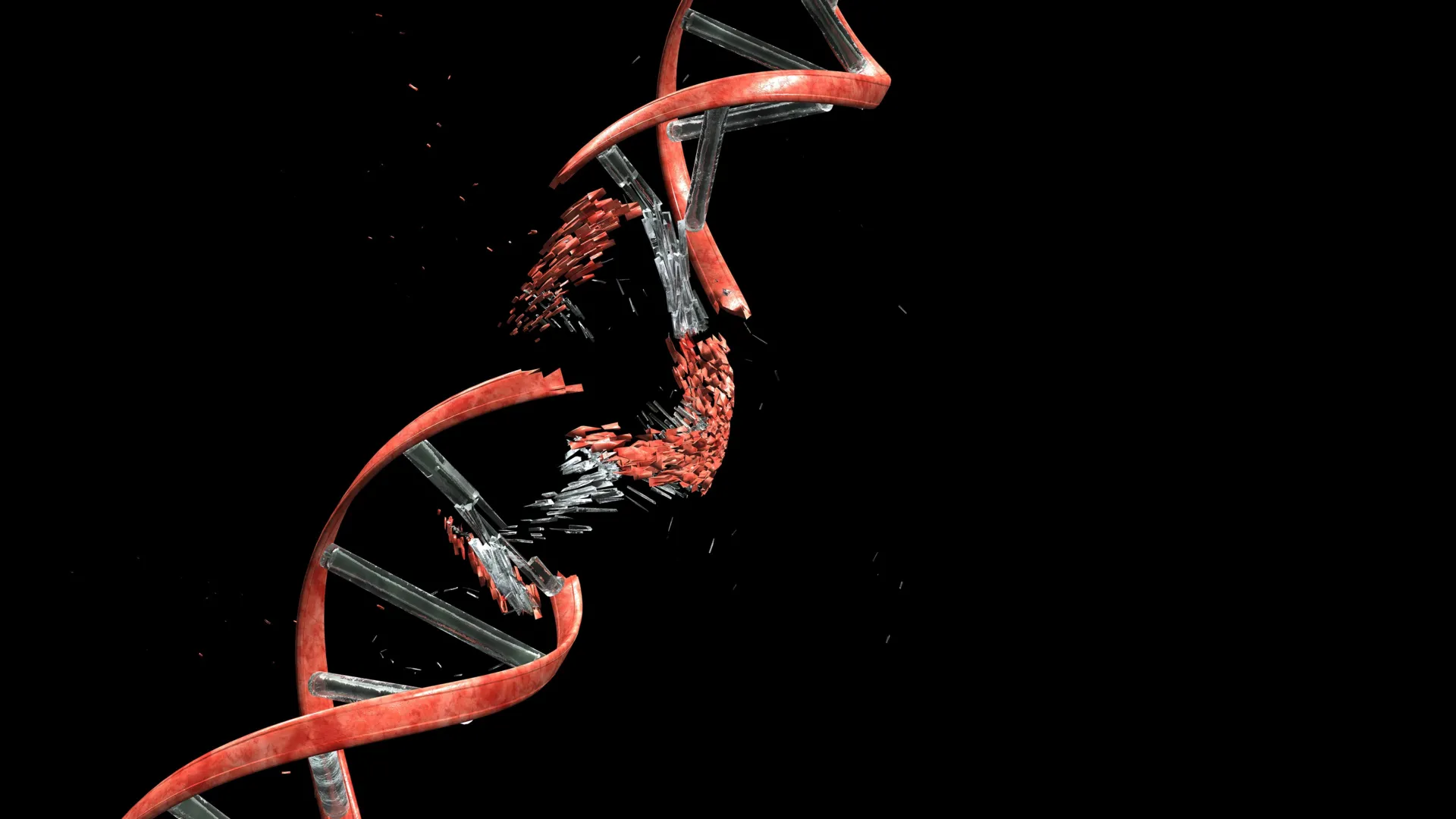
A groundbreaking study has revealed a previously unappreciated mechanism by which cancer cells inadvertently accelerate their own destructive evolution: by overworking critical genes, they induce severe DNA damage, creating a cycle of breaking and repair that introduces mutations. This relentless activity, driven by powerful DNA control regions known as super-enhancers, places immense strain on the cell’s genetic material, leading to serious breaks. The findings, published in the prestigious journal Science Advances, offer a fresh perspective on the origins of genetic instability in tumors and illuminate novel pathways for therapeutic intervention.
The Unseen Strain: How Super-Enhancers Fuel DNA Damage
Cancer cells are notorious for their unchecked proliferation and ability to evade normal cellular controls. To achieve this rapid growth, they often amplify the activity of specific genes far beyond the levels typically observed in healthy cells. Many of these hyperactive genes are crucial for cell division, survival, and maintaining the cellular programs necessary for sustained tumor expansion. This intense genetic overdrive, the new research suggests, comes at a significant cost to the integrity of the cell’s own DNA.
At the heart of this discovery are super-enhancers, regions of DNA that act as powerful regulatory hubs, capable of dramatically boosting the expression of nearby genes. While conventional enhancers play a vital role in finely tuning gene activity in normal development and cell function, super-enhancers represent clusters of these elements that synergistically drive exceptionally high levels of gene transcription. In cancer, these super-enhancers are frequently hijacked or aberrantly activated, directing the production of large quantities of proteins that support cancerous traits, such as uncontrolled growth, angiogenesis, and resistance to apoptosis. The study posits that forcing these critical growth-promoting genes to operate at maximum capacity places an intolerable physical strain on the DNA molecule itself, rendering it susceptible to damage.
A Vicious Cycle: Repair, Error, and Cancer Evolution
The physical consequence of this sustained, high-intensity gene activity is the formation of double-strand breaks (DSBs) in the DNA. DSBs are among the most dangerous forms of DNA damage, as they involve the complete severing of both strands of the DNA helix. If left unrepaired, DSBs can lead to chromosomal rearrangements, cell death, or the initiation of cancerous transformation. However, cancer cells possess robust DNA repair machinery, which they frequently employ to mend these breaks and ensure their continued survival and proliferation. This constant process of damage and repair, while essential for the tumor’s immediate viability, paradoxically becomes a source of its long-term adaptability and aggression.
Every repair event presents an opportunity for error. While cellular repair mechanisms are remarkably efficient, they are not infallible. Repeated cycles of breaking and rejoining DNA in these highly active, super-enhancer-driven regions can introduce small mistakes, or mutations, into the genetic code. Over time, these accumulated mutations can alter gene function, potentially conferring new advantages to the cancer cells, such as enhanced growth rates, increased resistance to chemotherapy, or the ability to metastasize to distant sites. This phenomenon aligns with the established "Hallmarks of Cancer" framework, which identifies genome instability and mutation as a fundamental enabling characteristic of tumor development and progression. The research suggests that genetic instability may not merely be a collateral effect of the cancerous state but could emerge directly from the very mechanisms that fuel a tumor’s aggressive growth.
Pioneering Research from Jerusalem: The Study’s Genesis and Methodology
This seminal research was conducted by a team at the Hebrew University of Jerusalem, led by PhD student Osama Hidmi under the expert guidance of Prof. Rami Aqeilan. Their work represents the culmination of several years of dedicated investigation into the intricate interplay between gene regulation and genomic stability in cancer. The study’s findings were formally presented to the scientific community with its publication in Science Advances on [Insert estimated publication date or use "a recent issue of"], a journal renowned for publishing significant advancements across all scientific disciplines.
To uncover this novel mechanism, the researchers employed a highly sensitive genome-mapping method. This advanced technique allowed them to create detailed, high-resolution maps pinpointing the precise locations of double-strand breaks across the entire cancer cell genome. Crucially, the damage was not found to be randomly distributed. Instead, the breaks exhibited a striking pattern, clustering specifically within the genes that were most aggressively controlled by super-enhancers. This observation provided compelling evidence that the intense transcriptional activity driven by these regulatory elements was directly responsible for inducing the DNA damage.
Furthermore, the team tracked a natural cellular "alarm" signal – a molecular marker that appears on damaged DNA and serves to recruit the necessary repair machinery. Their observations confirmed that cancer cells were indeed engaged in a continuous process of damaging and then attempting to restore DNA within these intensely active super-enhancer regions, underscoring the chronic nature of this genomic stress.
The historical context of understanding DNA damage in cancer dates back over a century, with early pathologists observing chromosomal abnormalities in tumor cells. The advent of molecular biology in the mid-20th century, particularly the discovery of DNA’s structure by Watson and Crick in 1953, paved the way for a deeper understanding of mutations and their role in disease. Subsequent decades saw the identification of oncogenes and tumor suppressor genes, and the recognition that DNA damage and faulty repair mechanisms are central to carcinogenesis. This new study adds a crucial mechanistic layer to this established understanding, showing how the very engines of cancer growth can self-inflict the damage that drives its evolution.
Unpacking the Data: Hotspots of Instability
The precise mapping of double-strand breaks provided invaluable insights. The fact that these severe forms of DNA damage were consistently found at sites of super-enhancer activity, rather than dispersed randomly, strongly suggests a direct causal link. It indicates that the sheer physical act of transcribing genes at extreme rates creates tension and torque on the DNA helix, making it prone to snapping. Imagine a tightly wound spring that is constantly being stretched and compressed beyond its normal limits; eventually, it will break. Similarly, the DNA molecule, under constant pressure from highly active transcription, reaches its breaking point.
This phenomenon is particularly significant given the known prevalence of genetic instability in cancer. It is estimated that a vast majority of human cancers exhibit some degree of genomic instability, manifesting as aneuploidy (abnormal chromosome numbers), chromosomal rearrangements, and high mutation rates. For instance, specific tumor types, such as ovarian cancer and triple-negative breast cancer, are frequently associated with defects in DNA repair pathways, which make them more reliant on alternative repair mechanisms and, sometimes, more susceptible to targeted therapies like PARP inhibitors. While this study does not provide new statistics on overall instability rates, it offers a novel explanation for where and why some of this damage originates, even in the presence of otherwise functional repair pathways. The data highlights a specific vulnerability that arises from the tumor’s intrinsic drive for growth, distinguishing it from damage caused by external mutagens or inherited repair defects.
Expert Perspectives: Unveiling a New Vulnerability
The researchers involved in the study expressed optimism about the implications of their findings. Prof. Rami Aqeilan underscored the fundamental insight: "Cancer cells rely on super-enhancers to keep growth genes running at high speed. What we found is that this same high-output activity can put real strain on the DNA, creating break hotspots that the cell has to repair again and again. That cycle may help tumors survive in the short term, but it also increases the risk of mutations that can fuel cancer’s evolution." He further elaborated, "This isn’t just a fascinating biological observation; it fundamentally reshapes our understanding of how tumors acquire the genetic changes that make them so aggressive and resistant to treatment. It suggests that genetic instability isn’t merely a backdrop to cancer, but an active, self-driven process."
Osama Hidmi, the lead PhD student, emphasized the therapeutic potential: "What is especially exciting is that because cancer cells depend on these high-stress DNA regions to keep growing, they may also be more vulnerable there. This opens the door to treatments that target the very processes tumors rely on to survive." An independent expert in cancer genomics, Dr. Elara Vance, not affiliated with the study but familiar with its field, commented, "This research provides a compelling new layer to the complex story of cancer genomics. Identifying these ‘hotspots’ of self-inflicted damage driven by super-enhancers offers a tantalizing new avenue for therapeutic development. It’s a testament to the ingenuity of cancer cells to exploit fundamental biological processes, but also to the scientific community’s ability to uncover these weaknesses." Representatives from the Hebrew University of Jerusalem’s research administration highlighted the university’s commitment to pioneering biomedical research, stating, "This study exemplifies the transformative potential of basic scientific inquiry to uncover new truths about devastating diseases like cancer, paving the way for future medical breakthroughs."
Therapeutic Horizons: Turning a Strength into a Weakness
The identification of this self-destructive cycle in cancer cells opens exciting new avenues for treatment strategies. The principle here is to turn cancer’s greatest strength – its relentless drive for growth – into its Achilles’ heel. If the intense gene activity driven by super-enhancers is the cause of DNA damage, then therapies designed to disrupt this activity could be highly effective.
One promising approach involves targeting super-enhancers directly or indirectly. For instance, drugs known as BET inhibitors (e.g., JQ1, OTX015) have shown promise in preclinical and early clinical trials for various cancers by disrupting the function of bromodomain and extra-terminal (BET) proteins, which are critical for super-enhancer activity. Similarly, CDK7 inhibitors can suppress global transcription, including that driven by super-enhancers. By dampening the extreme gene expression, these agents could theoretically reduce the physical strain on DNA, thereby minimizing the formation of these damaging breaks and the subsequent accumulation of mutations.
Another therapeutic strategy could focus on interfering with the tumor cell’s ability to repair the resulting DNA damage. Since cancer cells rely heavily on their repair machinery to survive the constant onslaught of DSBs, inhibiting these repair pathways could prove lethal. This concept is already being explored with drugs like PARP inhibitors, which are effective in cancers with underlying defects in homologous recombination repair (e.g., BRCA1/2 mutations). The new research suggests that even in cancers without such inherited defects, targeting DNA repair pathways in cells that are constantly generating damage through super-enhancer activity could be a viable approach. Combination therapies, pairing super-enhancer inhibitors with DNA repair inhibitors, could potentially create a synergistic effect, overwhelming the cancer cell’s capacity to cope with genomic stress.
This research also holds implications for personalized medicine. If specific super-enhancer-driven genes are identified as "hotspots" of DNA damage in a patient’s tumor, it might guide the selection of therapies that specifically target those pathways or the associated repair mechanisms. Furthermore, the presence of these DNA break signatures could potentially serve as a biomarker, indicating a more aggressive tumor prone to rapid evolution, thus informing treatment intensity and prognosis.
The Broader Landscape: Redefining Cancer’s Aggression
This study significantly refines our understanding of how cancer develops its notorious adaptability and resistance to treatment. For decades, genetic instability has been viewed largely as a stochastic process, driven by random errors or external mutagens. This new work proposes that a substantial portion of this instability could be an intrinsic, self-generated consequence of the tumor’s own growth strategy. It suggests that the drive to keep growing places constant pressure on the tumor’s own DNA, creating damage that reveals new opportunities for treatment.
Future research will undoubtedly focus on validating these findings across a wider array of cancer types and in more complex in vivo models. Scientists will also need to investigate the specific repair pathways that are most active in these super-enhancer-driven hotspots and identify the most effective therapeutic agents to disrupt them. The long-term impact of such interventions on tumor evolution and metastasis will be critical areas of study.
By exposing the direct connection between runaway gene activity and genetic instability, this research provides another crucial piece of the puzzle behind cancer’s aggressive behavior. It underscores that cancer’s "strengths" often harbor hidden weaknesses. A better understanding of this intricate process may empower scientists to develop more effective strategies that not only limit a tumor’s ability to adapt but also exploit its self-inflicted vulnerabilities, ultimately leading to more durable responses and improved patient outcomes in the ongoing fight against this complex disease.
Conclusion: A Critical Step Forward in the Fight Against Cancer
The Hebrew University of Jerusalem’s study marks a critical advancement in cancer biology. By elucidating how super-enhancers, the engines of rapid cancer growth, also serve as unexpected generators of DNA damage and genetic instability, the research reveals a fundamental paradox at the heart of tumor progression. This discovery not only deepens our mechanistic understanding of cancer’s evolution but also offers compelling new targets for therapeutic development. By strategically intervening in this self-destructive cycle, researchers hope to disarm cancer’s ability to adapt and resist, paving the way for more effective and enduring treatments in the future.
