
 By Lina carolina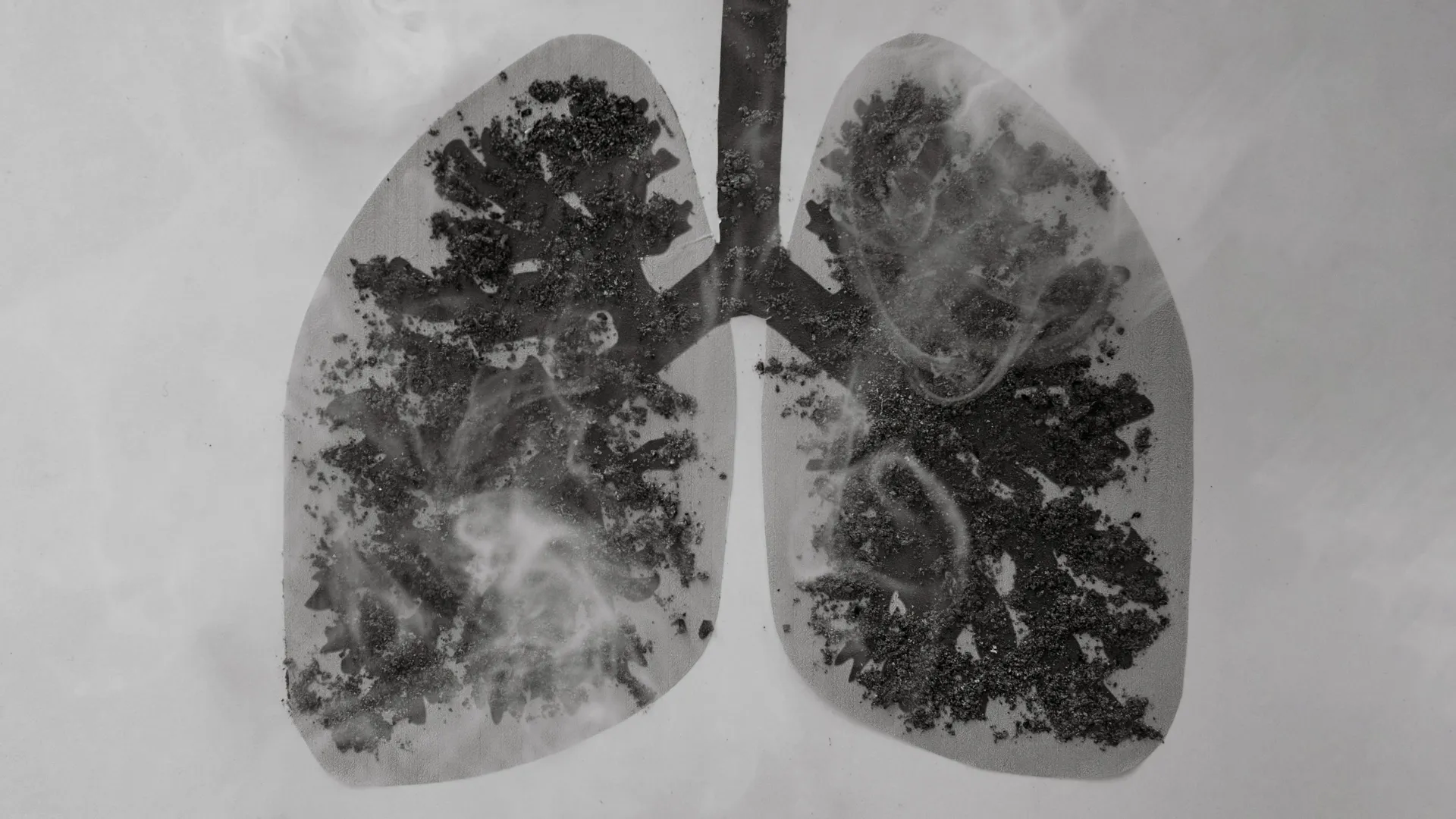
Cells taken from the lungs of people with chronic obstructive pulmonary disease (COPD) have a larger accumulation of soot-like carbon deposits compared to cells taken from people who smoke but do not have COPD, according to a study published today, June 10, in ERJ Open Research. Carbon can enter the lungs via cigarette smoke, diesel exhaust, and polluted air.
Unveiling the Carbon Burden in COPD Lungs
The groundbreaking research, conducted by a team at the University of Manchester, UK, led by Dr. James Baker and Dr. Simon Lea, has illuminated a significant difference in the cellular landscape of individuals with COPD. Alveolar macrophages, crucial immune cells residing in the lungs, are responsible for clearing inhaled particles and pathogens. However, this study reveals that in COPD patients, these vital defenders are overwhelmed by carbon deposits, leading to detrimental consequences for lung health.
The study meticulously examined lung tissue samples obtained from surgical procedures for suspected lung cancer. Crucially, the researchers focused on tissue sections that were free of cancerous cells, ensuring that the observed effects were attributable to COPD and smoking habits rather than malignancy. The cohort comprised 28 individuals diagnosed with COPD and 15 individuals who were regular smokers but had not developed COPD. This carefully selected group allowed for a direct comparison between the cellular environments of smokers with and without the debilitating lung disease.
Under microscopic examination, the researchers quantified the size of alveolar macrophages and the extent of carbon accumulation within them. The findings were stark: alveolar macrophages from COPD patients harbored an average of more than three times the amount of carbon compared to those from smokers without COPD. Furthermore, the study observed a consistent correlation between the presence of carbon within these cells and their increased size. This suggests that the cells are actively engulfing and retaining these foreign particles, leading to cellular engorgement.
The Inflammatory Cascade: Carbon’s Role in COPD Progression
Beyond mere accumulation, the study delved into the functional implications of this carbon burden. Dr. Lea explained that when alveolar macrophages are laden with carbon, they not only grow larger but also exhibit a heightened propensity to trigger inflammation. This inflammatory response is a hallmark of COPD, contributing to the progressive and irreversible damage to lung tissues that characterizes the disease.
The research team replicated these findings in a controlled laboratory setting. By exposing healthy macrophages to carbon particles, they observed a significant increase in cell size and a marked elevation in the production of pro-inflammatory proteins. This experimental validation strongly supports the hypothesis that carbon particles directly influence the behavior of alveolar macrophages, shifting them from protective guardians to instigators of chronic inflammation.
The implications of these findings are profound. Dr. Lea highlighted that the observed difference in carbon accumulation is not solely a direct consequence of cigarette smoking. "Instead, we show alveolar macrophages in COPD patients contain more carbon and are inherently different in terms of their form and function compared to those in smokers," he stated. This suggests that individuals with COPD may possess a compromised ability to clear inhaled carbon particles, or that the increased carbon burden itself contributes to the development and exacerbation of the disease.
A Deeper Dive into the Causality
The Manchester team’s research opens a critical avenue of inquiry: understanding the precise mechanisms behind the elevated carbon levels in COPD patients’ macrophages. Dr. Lea posited two primary hypotheses. Firstly, individuals with COPD might have a reduced capacity to effectively eliminate inhaled carbon, leading to its persistent accumulation. Secondly, exposure to higher concentrations of particulate matter, such as that found in polluted air, could contribute to this carbon build-up and, consequently, the development of COPD.
"In future, it would be interesting to study how this carbon builds up and how lung cells respond over a longer period of time," Dr. Lea added, underscoring the need for longitudinal studies to fully unravel the complex interplay between environmental exposures, cellular responses, and COPD pathogenesis.
Expert Perspectives and Broader Implications
Professor Fabio Ricciardolo, Chair of the European Respiratory Society’s group on monitoring airway disease, who was not involved in the study, offered his expert assessment. "This set of experiments suggest that people with COPD accumulate unusually large amounts of carbon in the cells of their lungs," he commented. "This build-up seems to be altering those cells, potentially causing inflammation in the lungs and leading to worse lung function." Professor Ricciardolo’s endorsement lends significant weight to the study’s findings and their potential clinical relevance.
He further elaborated on the broader impact of the research, stating, "In addition, this research offers some clues about why polluted air might cause or worsen COPD." This connection is particularly pertinent given the increasing global burden of air pollution and its recognized role as a significant environmental risk factor for respiratory diseases.
The Dual Threat: Smoking and Air Pollution
The study reinforces the well-established link between smoking and COPD, a leading cause of morbidity and mortality worldwide. According to the World Health Organization (WHO), smoking is responsible for approximately 70% of COPD cases globally. However, this research highlights that the impact of environmental factors, such as air pollution, may be underestimated, especially in vulnerable populations.
The accumulation of carbon particles, whether from cigarette smoke or ambient air pollution, appears to be a critical, yet previously underappreciated, factor in the disease’s progression. The cellular machinery designed to protect the lungs becomes a site of damage when overloaded with these persistent pollutants. This raises concerns for populations living in areas with high levels of industrial emissions, traffic, and wildfire smoke.
Supporting Data and Contextualizing the Findings
To further contextualize the study’s findings, it’s important to consider existing data on COPD prevalence and the composition of inhaled pollutants. The Global Initiative for Chronic Obstructive Lung Disease (GOLD) reports that COPD affects an estimated 251 million people worldwide. The disease is characterized by persistent respiratory symptoms and airflow limitation due to airway and/or alveolar abnormalities, usually caused by significant exposure to noxious particles or gases.
Cigarette smoke is a complex mixture containing thousands of chemicals, including particulate matter. Diesel exhaust particles, a significant component of urban air pollution, are known for their fine size and high carbon content, making them readily inhalable and capable of penetrating deep into the lungs. The study’s observation that COPD patients’ macrophages contain more carbon than those of smokers without COPD suggests a potential synergistic effect or a differing susceptibility to the detrimental impacts of these particles.
The study’s measurement of lung function using FEV1% (Forced Expiratory Volume in one second) provides a crucial clinical correlate. FEV1% quantifies the amount of air a person can forcibly exhale in one second, serving as a key indicator of airflow limitation and disease severity. The finding that patients with larger carbon deposits in their alveolar macrophages exhibited worse FEV1% underscores the direct link between cellular carbon burden and compromised respiratory function. This suggests that the increased inflammation and altered macrophage function driven by carbon accumulation directly contribute to the progressive loss of lung capacity experienced by COPD patients.
A Timeline of Discovery
The research process leading to this publication likely involved several stages:
- Initial Hypothesis and Funding: Dr. Baker and Dr. Lea, recognizing the established link between environmental exposures and COPD, likely formulated the hypothesis that carbon accumulation in lung cells plays a significant role. This would have been followed by securing research grants to fund the study.
- Sample Collection and Ethical Approval: Obtaining ethical approval for the use of human lung tissue samples from surgical procedures is a critical early step. This process involves rigorous review to ensure patient privacy and informed consent.
- Laboratory Analysis: The core of the research involved microscopic examination and quantitative analysis of alveolar macrophages. This would have required specialized equipment and trained personnel.
- In Vitro Experiments: The laboratory exposure of macrophages to carbon particles would have been conducted to establish a causal link between carbon and inflammatory responses.
- Data Analysis and Interpretation: Rigorous statistical analysis of the collected data would have been performed to identify significant differences and correlations.
- Manuscript Preparation and Peer Review: The findings would have been compiled into a scientific manuscript and submitted to a peer-reviewed journal like ERJ Open Research for expert evaluation and feedback.
- Publication: The study was officially published on June 10, making its findings accessible to the scientific and medical community.
Future Directions and Public Health Imperatives
The research from the University of Manchester has significant implications for public health strategies aimed at mitigating the impact of COPD. Professor Ricciardolo’s call to action is clear: "we need to reduce levels of pollution in the air we breathe and we need to help people to quit smoking."
The study’s findings can inform policy decisions related to air quality standards and public health campaigns. Understanding that carbon accumulation is not solely a consequence of smoking but also a potential outcome of environmental pollution strengthens the argument for stricter regulations on industrial emissions and vehicle exhaust.
Furthermore, the research may pave the way for novel therapeutic interventions. If carbon accumulation is identified as a key driver of COPD pathogenesis, strategies aimed at enhancing the clearance of these particles or mitigating their inflammatory effects could offer new hope for patients. This might involve the development of targeted drug therapies or even the exploration of lifestyle interventions that reduce exposure to particulate matter.
The study’s emphasis on the altered function of alveolar macrophages also opens doors for diagnostic advancements. Biomarkers related to carbon load within these cells could potentially be used to identify individuals at higher risk of developing COPD or to monitor disease progression more effectively.
In conclusion, the publication of this study in ERJ Open Research marks a significant step forward in our understanding of the complex environmental factors contributing to COPD. By highlighting the detrimental role of carbon accumulation in alveolar macrophages, the research not only deepens our scientific knowledge but also provides a compelling impetus for intensified efforts to combat air pollution and support smoking cessation, ultimately aiming to alleviate the global burden of this chronic and debilitating lung disease.
