
 By Hendra Lukman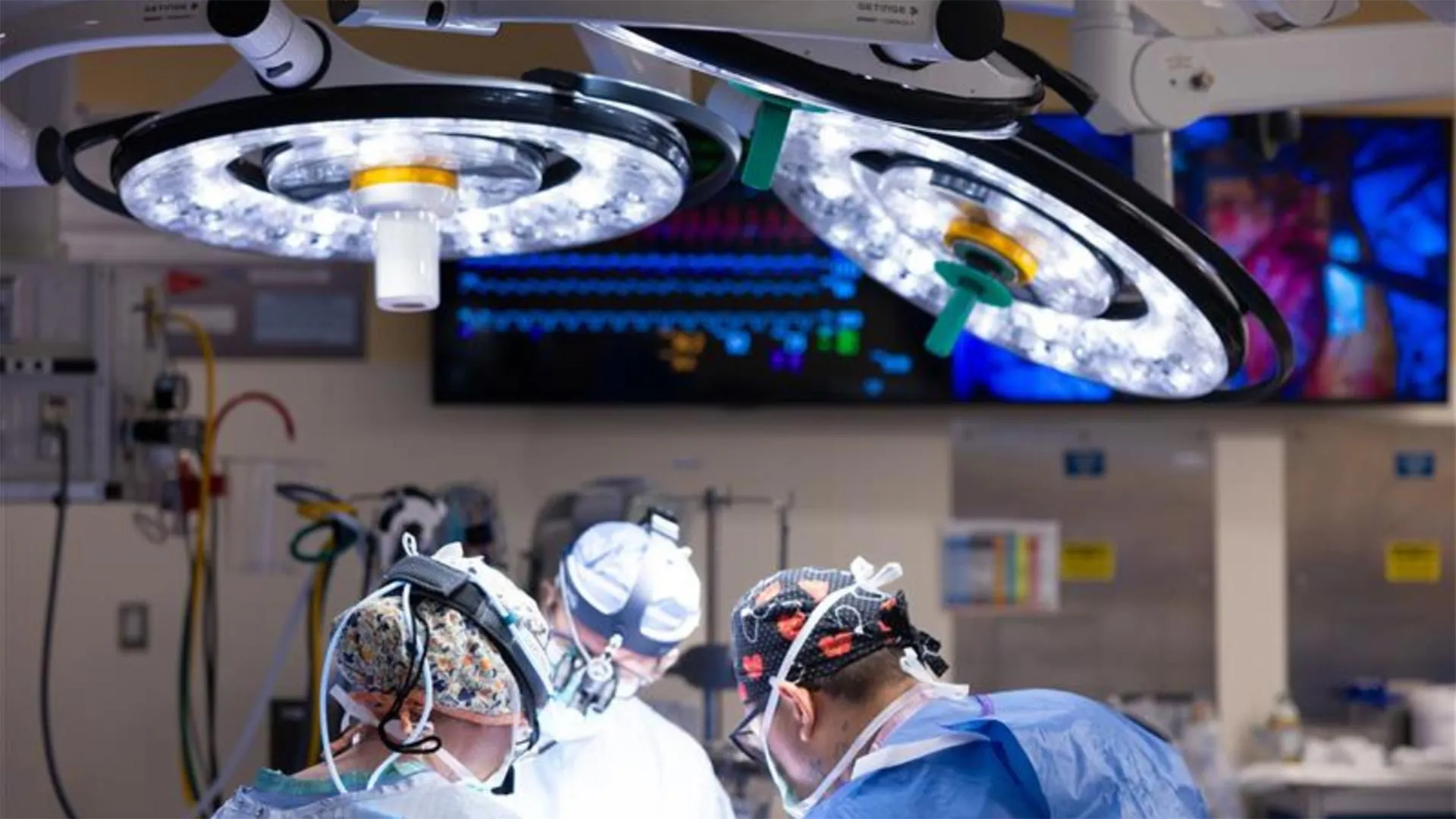
Children’s Hospital Colorado (Children’s Colorado) has successfully performed its first-ever dual heart and liver transplant, a groundbreaking achievement for its Pediatric Transplant Program and a significant advancement in complex pediatric care. This intricate procedure, which involved an extensive collaboration of dozens of specialists across 25 multidisciplinary care teams, marks a new era of hope for children facing life-threatening conditions requiring multiple organ replacements. Nationwide, this complex intervention has been performed on a mere 38 pediatric patients previously, underscoring the rarity and magnitude of this accomplishment.
The successful completion of this dual transplant represents the culmination of years of dedicated preparation, strategic planning, and unwavering commitment to excellence by the medical staff at Children’s Colorado. This milestone is a testament to the hospital’s ongoing efforts to expand its capabilities and provide the highest level of specialized care to children throughout its seven-state region and beyond.
A Yearning for a Healthier Future: Gracie’s Journey
At the heart of this remarkable medical feat is 11-year-old Gracie Greenlaw, a resilient young girl whose life has been profoundly impacted by a congenital heart condition. Gracie was born with hypoplastic left heart syndrome (HLHS), a severe and complex birth defect where the left side of her heart is underdeveloped, possessing only one functional pumping chamber. This condition necessitated a series of three major open-heart surgeries before she reached the age of three: the Norwood procedure, the Glenn shunt, and the Fontan procedure. These life-saving operations were designed to reroute blood flow and enable her single ventricle to pump blood throughout her body.
While advancements in medical science have significantly improved the long-term survival rates for children born with HLHS, allowing many to live into adulthood, the condition and its aggressive treatments often carry substantial long-term consequences. One of the most significant complications associated with HLHS and its surgical palliation is the increased risk of developing liver damage and, ultimately, liver failure. This is due to the chronic venous congestion and elevated central venous pressure that can affect the liver over time.
The Fontan Multidisciplinary Clinic: A Beacon of Comprehensive Care
Recognizing the complex and evolving needs of patients with single ventricle physiology, Children’s Colorado established the Fontan Multidisciplinary Clinic in 2016. This specialized clinic operates as a vital component of the hospital’s comprehensive Single Ventricle Program, offering a holistic approach to care for children diagnosed with HLHS and other similar single ventricle conditions, such as tricuspid atresia and unbalanced common atrioventricular canal.
The clinic’s core philosophy centers on providing coordinated, patient-centered care that addresses not only the immediate cardiac issues but also the systemic complications that can arise. This includes vigilant monitoring and proactive management of potential liver dysfunction, pulmonary hypertension, and other long-term sequelae. Through this integrated care model, Gracie received continuous and expert oversight for both her cardiac and hepatic health.
Her dedicated care team comprised a wealth of expertise, including leading cardiologists and hepatologists. Dr. Kathleen Simpson, a renowned cardiologist, and Dr. Dania Brigham, a respected hepatologist, worked in tandem, meticulously managing Gracie’s condition. Their collaborative efforts ensured that Gracie could maintain as close to a normal childhood as possible while her medical team assessed the optimal timing for intervention.
"The Fontan procedure is a life-saving surgery, but the longer an individual lives after undergoing it, there is an increased likelihood of developing comorbidities," explained Dr. Simpson. "Our team’s primary focus was to support Gracie’s health and enable her to live a typical day-to-day life for as long as possible. It was through this sustained effort and careful monitoring that we ultimately determined a dual organ transplant would offer her the best possible long-term quality of life."
The Escalating Challenge: Plastic Bronchitis and Liver Failure
Over the years, Gracie also grappled with plastic bronchitis, a rare and serious complication characterized by the formation of thick, proteinaceous casts in the airways. These casts can obstruct breathing and lead to respiratory distress. In the past year, Gracie’s symptoms related to plastic bronchitis began to significantly worsen. Concurrently, her medical team observed the progressive development of signs indicating liver failure, a direct consequence of her long-standing cardiac condition.
The escalating severity of both her respiratory and hepatic issues necessitated a critical decision: a dual heart and liver transplant was no longer an option but a life-saving necessity. In April, Gracie was placed on the national transplant waitlist, a pivotal moment that initiated a complex cascade of preparations.
Meticulous Planning for a Monumental Undertaking
The prospect of a dual organ transplant, especially in a pediatric patient, is an exceptionally rare and technically demanding procedure. For years, the transplant team at Children’s Colorado had been anticipating and preparing for such an eventuality. This foresight involved extensive simulation exercises, protocol development, and the integration of specialized technologies.
Leading up to Gracie’s placement on the waitlist, dozens of specialists convened regularly in highly detailed planning sessions. These meetings involved surgeons from cardiac and transplant specialties, anesthesiologists, intensivists, transplant coordinators, dietitians, social workers, and pharmacists. The teams meticulously dissected every conceivable challenge, from the precise timing of organ procurement and implantation to the management of critical physiological parameters such as blood volume, coagulation, and electrolyte balance during a procedure that would span many hours. The unique physiological demands of transplanting two major organs simultaneously require an unparalleled level of coordination and expertise.
A Carefully Orchestrated 16-Hour Surgical Marathon
The call came less than a month after Gracie joined the transplant waitlist. Compatible donor organs became available, a profound gift of life made possible by the selfless decision of another family to donate. The urgency was palpable, as the viability window for a donor heart is extremely limited.
The surgical endeavor commenced with the heart transplant, a complex nine-hour procedure meticulously led by Dr. Matthew Stone, Surgical Director of the Pediatric Heart Transplant Program, and congenital heart surgeon Dr. Emily Downs. Their expertise was paramount in carefully dissecting the diseased heart and meticulously anastomosing the donor heart, ensuring optimal blood flow and function.
While the heart transplant was in progress, the donor liver was maintained in a state of optimal preservation using a cutting-edge TransMedics Organ Care System. This advanced technology is designed to perfuse the donor liver with a specialized solution, mimicking normal physiological conditions and sustaining its viability outside the body for extended periods. This innovative approach allowed the cardiac surgical team the necessary time to complete their intricate work without compromising the integrity of the donor liver.
Following the successful completion of the heart transplant, the surgical focus shifted to the liver. Dr. Megan Adams, Surgical Director of the Pediatric Liver Transplant and Kidney Transplant Programs, and transplant surgeon Dr. Kendra Conzen took the lead in performing the liver transplant. This second phase of the operation also spanned an additional seven hours, requiring equally precise surgical skill and careful attention to detail. Throughout the entire 16-hour surgical marathon, constant and seamless communication and coordination with the anesthesiology teams were indispensable in safeguarding Gracie’s delicate physiological state and ensuring her stability.
"Performing Children’s Colorado’s first-ever heart and liver dual organ transplant is an amazing accomplishment for our Pediatric Transplant Program," stated Dr. Adams. "Thanks to years of dedication and a team committed to being the trusted leaders in pediatric transplant across our seven-state region, we’re grateful to provide this level of care to even more kids who need complex organ transplants to treat life-threatening illnesses and help them live healthy and happy lives."
The Road to Recovery and a Glimpse of a Normal Life
The complex surgical undertaking proved successful. Post-operatively, Gracie was transferred to the cardiac progressive care unit, where she began her intensive recovery. Her resilience and the exceptional care provided by the Children’s Colorado team enabled her to transition out of the progressive care unit just over a month after her surgery.
Seven months following the life-altering transplant, Gracie continues to attend regular monthly follow-up appointments, a standard part of post-transplant care. However, the most profound indicator of her recovery is her return to everyday life. She has resumed attending school, engaging in her studies and reconnecting with her peers. She has also returned home, reuniting with her beloved dogs, a testament to her regaining strength and quality of life.
While the transplanted liver is expected to provide a lifetime of function, the long-term prognosis for pediatric heart transplant recipients typically involves the eventual need for a subsequent heart transplant. This is a recognized reality in the field of pediatric cardiology and transplant medicine, and Gracie’s care team will continue to monitor her cardiac health with the same vigilance.
"This procedure showcases the expertise, talent, and level of care Children’s Colorado provides to our patients, including those with complex medical needs," remarked Dr. Duncan Wilcox, Surgeon in Chief at Children’s Colorado. "As the top-ranked pediatric hospital in Colorado and the Rocky Mountain region, we are proud of our leading-edge transplant care and look forward to supporting more patients who need dual organ transplants in the future."
Broader Implications for Pediatric Transplant Care
The successful dual heart and liver transplant at Children’s Colorado carries significant implications for the future of pediatric transplant medicine. It demonstrates the hospital’s advanced capabilities in managing highly complex cases and its commitment to pushing the boundaries of what is possible in pediatric critical care. This achievement not only offers a renewed sense of hope for patients with similar conditions but also serves as a powerful testament to the collaborative spirit and multidisciplinary approach that defines modern healthcare.
The successful implementation of specialized technologies like the TransMedics Organ Care System during this procedure highlights the growing role of innovation in organ transplantation. Such advancements can expand the donor pool, improve organ preservation, and ultimately increase the number of lives that can be saved.
Furthermore, the establishment and continued success of programs like the Fontan Multidisciplinary Clinic underscore the critical importance of integrated, long-term care for children with chronic and complex congenital conditions. By addressing the multifaceted needs of these patients, hospitals can significantly improve their long-term outcomes and enhance their overall quality of life.
Children’s Colorado’s accomplishment is a beacon, illuminating the path forward for other institutions and inspiring confidence in families facing the daunting prospect of complex organ transplantation. It reaffirms the hospital’s position as a leader in pediatric healthcare, dedicated to providing unparalleled care for the region’s most vulnerable children.
