
 By Hendra Lukman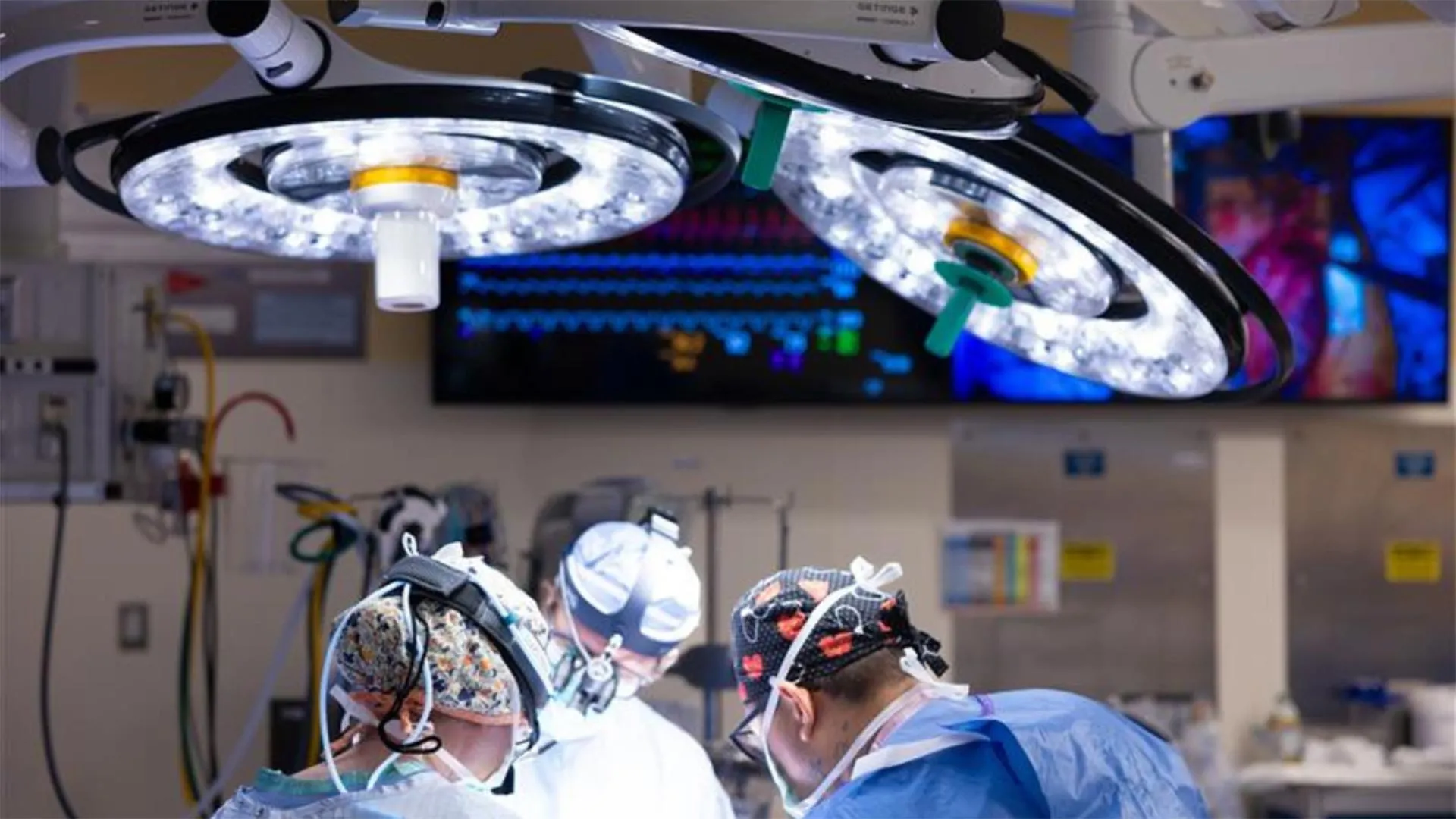
Children’s Hospital Colorado (Children’s Colorado) has successfully performed its first-ever dual heart and liver transplant, a monumental achievement for its Pediatric Transplant Program and a significant advancement in complex pediatric care. This intricate surgery, involving dozens of specialists and 25 multidisciplinary care teams, underscores the hospital’s commitment to providing life-saving interventions for critically ill children. Nationwide, such combined heart and liver transplants are exceedingly rare, with only 38 pediatric patients having undergone this procedure previously.
A Milestone in Pediatric Transplant Surgery
The groundbreaking operation represents years of dedicated preparation and meticulous planning by Children’s Colorado’s renowned medical staff. Dr. Megan Adams, surgical director of the Pediatric Liver Transplant and Kidney Transplant Programs, expressed profound pride in the accomplishment. "Performing Children’s Colorado’s first-ever heart and liver dual organ transplant is an amazing accomplishment for our Pediatric Transplant Program," Dr. Adams stated. "Thanks to years of dedication and a team committed to being the trusted leaders in pediatric transplant across our seven-state region, we’re grateful to provide this level of care to even more kids who need complex organ transplants to treat life-threatening illnesses and help them live healthy and happy lives." This sentiment highlights the hospital’s long-standing mission to offer advanced medical solutions to children facing severe health challenges.
The Journey of Gracie Greenlaw: Years of Preparation and Resilience
The success of this complex procedure is deeply intertwined with the story of 11-year-old Gracie Greenlaw, the recipient of this life-altering transplant. Gracie was born with hypoplastic left heart syndrome (HLHS), a severe congenital heart defect characterized by an underdeveloped left ventricle. Her condition necessitated a series of three major open-heart surgeries before her third birthday: the Norwood procedure, the Glenn shunt, and the Fontan procedure. These interventions are designed to reroute blood flow to allow the single functioning ventricle to pump blood to the body. While advancements in surgical techniques have significantly improved the long-term survival rates for children with HLHS, allowing many to live into adulthood, the condition and its treatments can lead to serious secondary complications, including chronic liver damage and eventual liver failure.
Children’s Colorado has been at the forefront of managing these complex cases, establishing the Fontan Multidisciplinary Clinic in 2016. This specialized clinic, a vital component of their Single Ventricle Program, focuses on providing comprehensive, coordinated care for patients with HLHS and other single ventricle defects such as tricuspid atresia and unbalanced common atrioventricular canal. The clinic’s approach emphasizes a holistic view of the patient, addressing both cardiac and non-cardiac complications, including the significant risk of liver disease.
Through this program, Gracie received continuous, expert monitoring and treatment for both her heart and liver conditions. Her dedicated care team, comprising specialists like cardiologist Dr. Kathleen Simpson and hepatologist Dr. Dania Brigham, worked collaboratively to manage her health. They meticulously tracked her progress, aiming to maintain her quality of life for as long as possible before determining that a dual transplant was the optimal path forward. Dr. Simpson explained the rationale behind this decision: "The Fontan is a lifesaving surgery, but the longer someone lives after the procedure, there is an increased chance of developing comorbidities. Our care team worked to keep her healthy and living a typical day-to-day life as long as possible before we determined a dual organ transplant would give her the best long-term quality of life."
Escalating Health Challenges and the Path to Transplant
In Gracie’s case, the long-term effects of her congenital heart condition began to manifest more acutely. She had been living with plastic bronchitis, a rare and serious complication where thick, protein-rich material accumulates in the airways, obstructing breathing. Over the past year, Gracie’s symptoms of plastic bronchitis worsened considerably, coinciding with the emergence of clear signs of liver failure. This confluence of severe cardiac and hepatic dysfunction made a dual heart and liver transplant not just a consideration, but a critical necessity for her survival.
In April, Gracie was placed on the transplant waitlist, initiating a period of intense anticipation and preparation. The medical team at Children’s Colorado recognized the immense complexity of a dual organ transplant. This type of procedure requires an extraordinary level of coordination and precision, demanding that specialists from various disciplines work in seamless concert. Preparation involved numerous meetings where dozens of specialists, including cardiac surgeons, transplant surgeons, anesthesiologists, hepatologists, cardiologists, critical care physicians, nurses, and social workers, meticulously planned every aspect of the surgery. Key considerations included managing the significant differences in blood volume requirements between the two organs, maintaining precise electrolyte balance during the operation, and orchestrating the timing of the implantation of both organs.
A 16-Hour Orchestration of Life-Saving Surgery
The window for organ transplantation is critically narrow. The heart, in particular, has a limited period of viability once it is removed from the donor. Consequently, when compatible donor organs became available less than a month after Gracie was placed on the waitlist—a testament to the generosity of another family’s decision to donate—the surgical team acted swiftly. The heart transplant was performed first, a procedure that lasted approximately nine hours. Leading this complex cardiac surgery were Dr. Matthew Stone, surgical director of the Pediatric Heart Transplant Program, and congenital heart surgeon Dr. Emily Downs.
While the heart transplant was underway, the donor liver was meticulously preserved and maintained on a TransMedics Organ Care System. This advanced technology is designed to replicate normal physiological conditions for the liver outside the body, allowing it to function and be assessed, thereby extending its viability and providing crucial flexibility for the surgical team. This innovative approach enabled the heart surgeons to complete their intricate work without compromising the integrity of the liver. Following the successful implantation of the new heart, Dr. Adams and transplant surgeon Dr. Kendra Conzen took over to perform the liver transplant, a procedure that required an additional seven hours. Throughout the entire 16-hour surgical marathon, the anesthesiology teams played a vital role, working in constant communication with the surgical teams to ensure Gracie’s physiological stability and protect her health.
Recovery and a Resumed Life
The successful completion of this unprecedented dual organ transplant marked the beginning of Gracie’s recovery journey. Following a month in the cardiac progress care unit, she was discharged, a significant milestone in her healing process. Seven months post-transplant, Gracie continues to attend regular monthly follow-up appointments, a standard part of post-transplant care. However, she has made remarkable progress, returning to school and resuming a semblance of her normal life, including spending time with her beloved dogs.
The medical outlook for Gracie’s transplanted organs is promising. While it is anticipated that, like many pediatric heart transplant recipients, she may eventually require a second heart transplant later in life, her transplanted liver is expected to function effectively for the remainder of her lifetime. This long-term prognosis for the liver is a crucial benefit of the successful dual transplant.
Advancing Pediatric Transplant Care in the Region
The achievement at Children’s Colorado has broader implications for pediatric transplant care across the Rocky Mountain region. Dr. Duncan Wilcox, Surgeon in Chief at Children’s Colorado, emphasized the hospital’s role in providing advanced medical solutions. "This procedure showcases the expertise, talent, and level of care Children’s Colorado provides to our patients, including those with complex medical needs," Dr. Wilcox stated. "As the top-ranked pediatric hospital in Colorado and the Rocky Mountain region, we are proud of our leading-edge transplant care and look forward to supporting more patients who need dual organ transplants in the future."
The hospital’s status as the top-ranked pediatric hospital in Colorado and the Rocky Mountain region, as recognized by U.S. News & World Report, is further solidified by this complex surgical feat. Such advanced procedures attract patients from a wide geographic area, underscoring the need for specialized centers capable of handling rare and life-threatening conditions. The success of this dual heart and liver transplant not only signifies a triumph for Gracie and her family but also represents a leap forward in the capabilities of pediatric transplant programs, offering renewed hope for children with similarly complex medical needs. This landmark event positions Children’s Colorado as a critical hub for advanced pediatric organ transplantation, capable of tackling the most challenging cases with exceptional skill and dedication.
