
 By George Ongkojoyo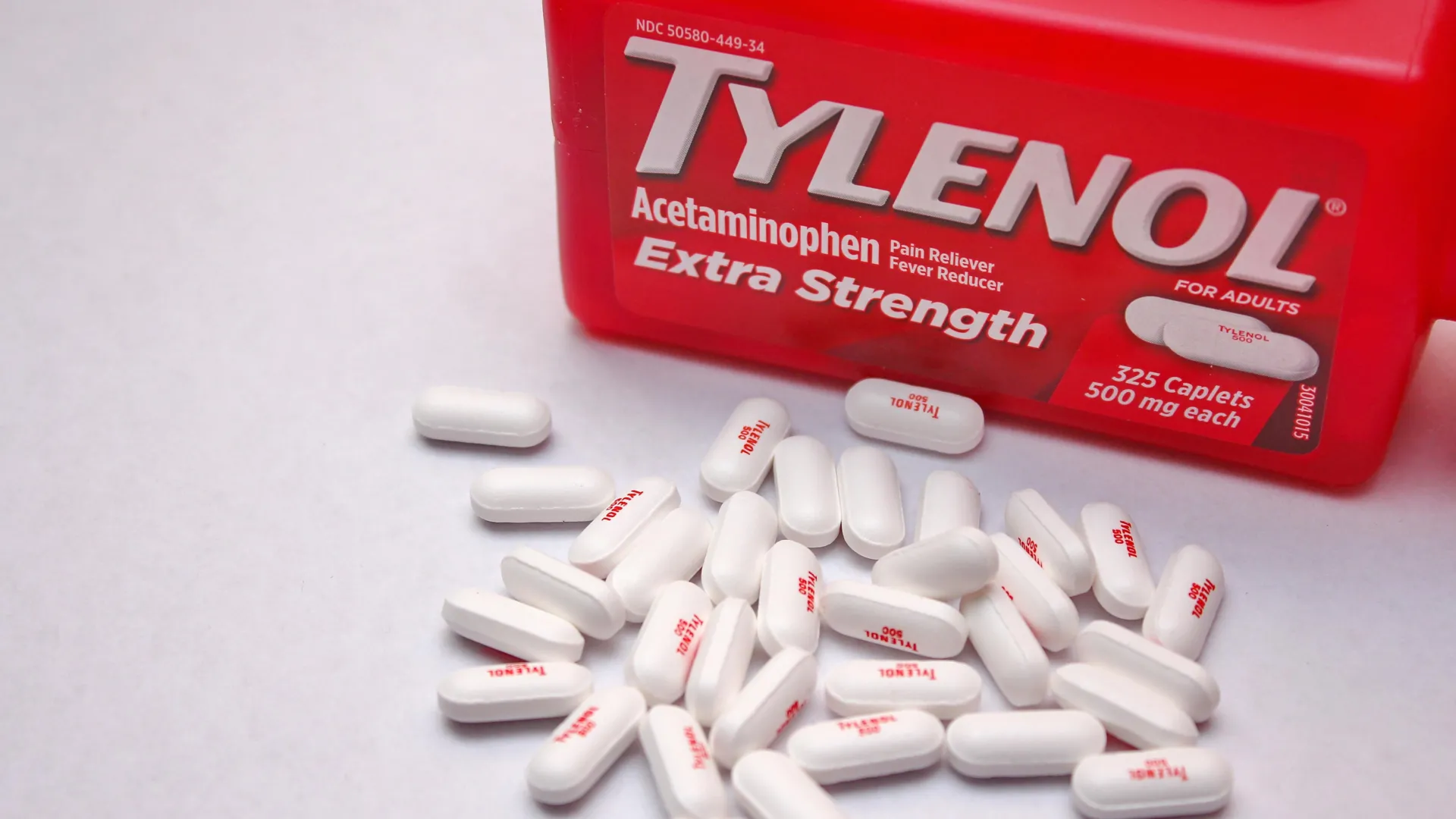
New research from the University of South Australia has identified a significant and previously underestimated factor in the rise of antimicrobial resistance: the use of common, over-the-counter (OTC) medications. The study reveals that ibuprofen and acetaminophen—staples in household medicine cabinets worldwide—are not merely passive participants in the treatment of illness but are actively fueling the ability of bacteria to survive antibiotic treatment. In a landmark investigation, researchers found that these non-antibiotic drugs, particularly when used in combination, significantly increase the mutation rates of bacteria, rendering them highly resistant to life-saving medications.
The findings, led by Associate Professor Rietie Venter at UniSA, provide a critical new perspective on what the World Health Organization (WHO) has termed one of the top ten global public health threats facing humanity. While the medical community has long focused on the overuse of antibiotics as the primary driver of resistance, this research suggests that the "silent pandemic" of antibiotic resistance is far more complex, involving interactions with drugs that were previously considered unrelated to bacterial evolution.
The Synergy of Resistance: A New Challenge for Modern Medicine
The UniSA study focused on the interaction between non-antibiotic medications, the broad-spectrum antibiotic ciprofloxacin, and Escherichia coli (E. coli). E. coli is a ubiquitous bacterium responsible for a wide range of human ailments, including urinary tract infections (UTIs), neonatal meningitis, and severe gastrointestinal distress. Because of its prevalence, it is often used as a benchmark in studies regarding bacterial adaptation and survival.
The researchers discovered that when E. coli was exposed to ciprofloxacin in the presence of ibuprofen or acetaminophen, the bacteria developed genetic mutations at a significantly higher rate than when exposed to the antibiotic alone. Most alarmingly, the study found that when these two painkillers were used together—a common practice for managing high fevers or severe pain—the effect was amplified. This synergy created a "perfect storm" for bacterial evolution, allowing the pathogens to adapt and survive concentrations of antibiotics that would normally be lethal.
Furthermore, the resistance gained was not limited to ciprofloxacin. The study observed "cross-resistance," where the bacteria, after being exposed to the painkiller-antibiotic cocktail, developed the ability to resist multiple other classes of antibiotics. This suggests that the presence of common painkillers triggers a generalized defense mechanism in bacteria, making them harder to treat regardless of the specific antibiotic prescribed later.
Understanding the Genetic Mechanism: Efflux Pumps and Stress Responses
The core of the study’s findings lies in the discovery of the specific genetic mechanisms that these non-antibiotic drugs trigger within the bacteria. Associate Professor Venter and her team found that ibuprofen and acetaminophen activate the bacteria’s innate defense systems. Specifically, these drugs appear to stimulate "efflux pumps"—specialized proteins located in the cell membranes of bacteria that function like bilge pumps on a ship.
When these pumps are activated, they actively expel toxic substances, including antibiotics, from the interior of the bacterial cell before the drugs can reach their targets and destroy the pathogen. By increasing the expression of the genes responsible for these pumps, ibuprofen and acetaminophen effectively render the antibiotics less potent.
This process is often part of a broader "SOS response" in bacteria. When bacteria encounter stress—whether from heat, lack of nutrients, or chemical interference—they initiate a high-speed mutation phase in a desperate attempt to survive. The UniSA research indicates that non-antibiotic medications are perceived as stressors by the bacteria, inadvertently coaching them to become "superbugs" that can withstand modern medical interventions.
The Polypharmacy Crisis in Aged Care Facilities
One of the most pressing implications of this research involves the health of the elderly, particularly those residing in aged care facilities. Polypharmacy—the simultaneous use of multiple medications by a single patient—is a standard reality in geriatric care. Residents in these facilities are often prescribed a complex regimen of drugs for chronic conditions, such as high blood pressure, diabetes, and cholesterol, alongside PRN (as needed) medications for pain and sleep.
The UniSA study assessed nine medications commonly used in residential aged care:
- Ibuprofen: An anti-inflammatory used for pain relief.
- Acetaminophen (Paracetamol): A staple for fever and mild pain.
- Diclofenac: A potent anti-inflammatory often used for arthritis.
- Furosemide: A diuretic used to treat high blood pressure and fluid retention.
- Metformin: The primary medication for managing Type 2 diabetes.
- Atorvastatin: A statin used to lower cholesterol.
- Tramadol: An opioid-based pain medication.
- Temazepam: A sedative used for insomnia.
- Pseudoephedrine: A common decongestant.
Assoc. Prof. Venter noted that residential aged care facilities are "ideal breeding grounds" for antibiotic-resistant gut bacteria. When an elderly resident is treated for a routine infection with an antibiotic, the presence of these other maintenance drugs may unknowingly accelerate the development of resistant strains within their microbiome. This not only makes the individual’s infection harder to treat but also increases the risk of resistant bacteria spreading throughout the facility, where residents are particularly vulnerable due to weakened immune systems.
Global Context: The Growing Human and Economic Cost
The urgency of this research is underscored by the current global statistics on antimicrobial resistance (AMR). According to a comprehensive report published in The Lancet, bacterial AMR was directly responsible for 1.27 million deaths globally in 2019 and contributed to a further 4.95 million deaths. Without significant intervention and a deeper understanding of the drivers of resistance, some projections suggest that AMR could cause 10 million deaths annually by 2050, surpassing cancer as a leading cause of mortality.
The economic impact is equally staggering. The World Bank estimates that AMR could result in an additional $1 trillion in healthcare costs by 2050, alongside a 1% to 3.8% reduction in global gross domestic product (GDP). The loss of effective antibiotics would effectively roll back the clock on modern medicine, making routine surgeries, organ transplants, and chemotherapy significantly more dangerous due to the risk of untreatable infections.
The UniSA study adds a vital layer to this data by demonstrating that the "overuse" of antibiotics is not the only culprit. The widespread, often unmonitored use of OTC medications contributes to the environmental and biological pressure that selects for resistant traits in common pathogens.
Chronology of Antibiotic Resistance and Research Milestones
To understand the significance of the UniSA study, it is necessary to view it within the broader timeline of antibiotic development and the subsequent rise of resistance:
- 1928: Alexander Fleming discovers penicillin, the first true antibiotic.
- 1945: During his Nobel Prize acceptance speech, Fleming warns that the misuse of penicillin could lead to the selection of resistant bacteria.
- 1950s–1970s: The "Golden Age" of antibiotic discovery, where most classes of antibiotics used today were developed.
- 1980s–Present: The "Discovery Void." No new classes of antibiotics have been successfully brought to market in decades, while resistance to existing drugs continues to climb.
- 2010s: Researchers begin to investigate the role of non-antibiotic drugs (like antidepressants and proton pump inhibitors) in influencing bacterial behavior.
- 2024: The UniSA study specifically identifies the synergistic effect of ibuprofen and acetaminophen in accelerating resistance, highlighting the risks of polypharmacy.
This chronology illustrates a shift in scientific focus from discovering new weapons against bacteria to understanding the subtle ways in which the modern chemical environment—saturated with various pharmaceuticals—is inadvertently training bacteria to survive.
Official Responses and Clinical Implications
While the study does not suggest that patients should immediately stop using ibuprofen or acetaminophen, it has prompted calls for a more nuanced approach to prescribing and patient education. Medical professionals are being urged to consider the "total drug burden" on a patient, especially when an antibiotic is being introduced into a regimen that already includes multiple other medications.
Pharmacological experts suggest that the "as needed" culture surrounding OTC painkillers may need to be re-evaluated. In many jurisdictions, these drugs are available in supermarkets and convenience stores, leading to a public perception that they are entirely benign. The UniSA research highlights that while they are safe for their intended purpose, their biological interactions are more far-reaching than previously recognized.
Regulatory bodies and health departments are expected to review these findings as they update guidelines for antimicrobial stewardship. The goal is to move toward "precision prescribing," where the potential for drug-drug-bacteria interactions is factored into treatment plans.
A Call for Expanded Research and Heightened Awareness
The researchers at the University of South Australia are calling for a massive expansion of studies into drug interactions among populations on long-term medication regimes. The current study is a "clear reminder," according to Assoc. Prof. Venter, that the medical community must look beyond two-drug combinations and begin to analyze the impact of the complex "chemical soups" present in the bodies of modern patients.
Future research will likely focus on whether other common drug classes—such as antihistamines, acid reflux medications, or antidepressants—carry similar risks. There is also a need to investigate how these interactions play out in different environments, such as wastewater systems, where high concentrations of both antibiotics and OTC drugs are often found together, potentially creating external reservoirs of superbugs.
In conclusion, the UniSA study serves as a pivotal moment in the fight against antibiotic resistance. It shifts the narrative from a simple "antibiotic overuse" model to a more complex understanding of how our entire pharmacopeia interacts with the microbial world. By acknowledging that common painkillers can serve as catalysts for bacterial mutation, the healthcare industry can begin to develop more robust strategies to preserve the efficacy of antibiotics for future generations. The message is one of mindfulness: medications that are "trusted staples" in our lives require the same level of scrutiny and respect as the powerful antibiotics they may be inadvertently undermining.
