
 By Gabriel Paijo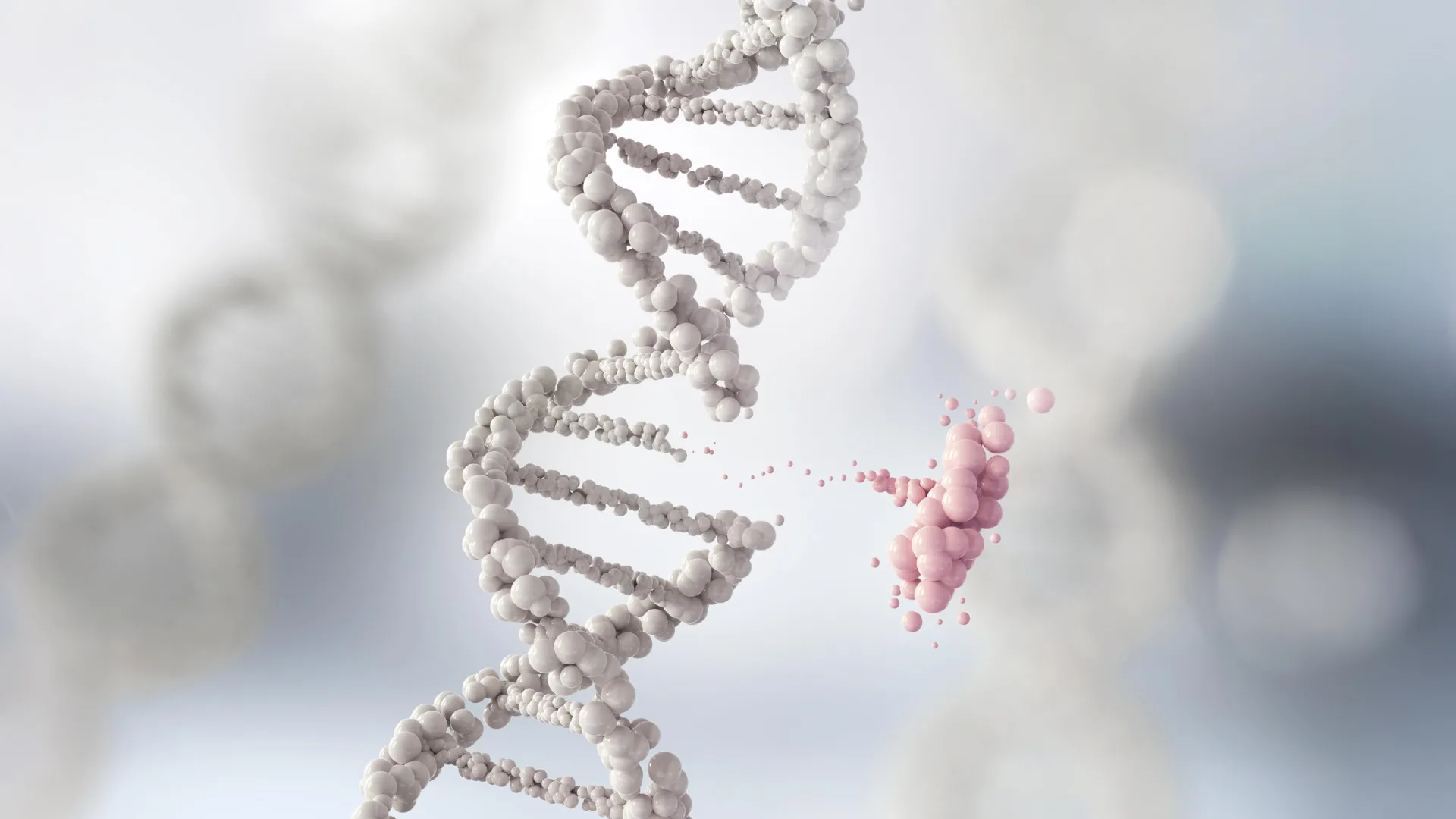
The landscape of oncology is witnessing a transformative shift as researchers at ChristianaCare’s Gene Editing Institute have successfully demonstrated that CRISPR technology can be utilized to disable a specific genetic "shield" in lung cancer cells, rendering them susceptible to chemotherapy once again. By targeting the NRF2 gene, specifically a mutation known as R34G, the research team has found a way to disrupt the mechanism that allows tumors to survive aggressive chemical treatments. This discovery, published on November 14 in the peer-reviewed journal Molecular Therapy Oncology, offers a potential lifeline for patients with squamous cell carcinoma, a particularly aggressive form of non-small cell lung cancer (NSCLC) that has historically shown high rates of drug resistance.
The Mechanism of Resistance: Unmasking the NRF2 Gene
At the heart of this scientific advancement is the NRF2 gene (Nuclear Factor Erythroid 2-Related Factor 2). In healthy cells, NRF2 serves as a vital master regulator of the antioxidant response, protecting the body from oxidative stress and toxic damage. However, in various forms of cancer, this protective mechanism is hijacked. When the NRF2 gene undergoes specific mutations, such as the R34G mutation identified by the ChristianaCare team, it becomes hyperactive.
This overactivity creates a "fortress" around the tumor. When a patient undergoes chemotherapy with standard agents like carboplatin or paclitaxel, the hyperactive NRF2 protein triggers a suite of cellular defenses that neutralize the drugs before they can induce apoptosis (programmed cell death) in the cancer cells. This phenomenon, known as acquired or intrinsic chemoresistance, is one of the primary reasons why lung cancer remains the leading cause of cancer-related deaths worldwide.
The Gene Editing Institute’s research utilized CRISPR/Cas9—a molecular "scissors" technology—to precisely knock out the NRF2 gene in mutated lung cancer cells. By removing this genetic instruction, the researchers effectively "turned off" the tumor’s defense system. The results were immediate and profound: the cancer cells lost their ability to withstand chemotherapy, allowing traditional drugs to perform their intended function of destroying the malignant tissue.
A Decade of Discovery: The Chronology of the Research
This breakthrough is not an isolated event but the culmination of over ten years of rigorous investigation at ChristianaCare’s Gene Editing Institute in Delaware. Led by Eric Kmiec, Ph.D., the institute has focused on the intersection of molecular biology and clinical application, seeking to move CRISPR from a laboratory curiosity to a viable bedside treatment.
The timeline of this research reflects a methodical approach to one of the most complex problems in medicine:
- 2014–2018: Early foundational studies at the institute identified NRF2 as a primary suspect in the failure of standard-of-care treatments for solid tumors.
- 2019–2021: The team narrowed their focus to the R34G mutation, developing specific CRISPR protocols to target this sequence without affecting other vital genetic functions.
- 2022–2023: Laboratory testing moved from simple cell cultures to complex human lung cancer cell lines, showing consistent re-sensitization to carboplatin.
- 2024: Animal studies were conducted using "patient-derived" models, where human tumors were grown in mice to observe real-world behavior. These studies confirmed that the CRISPR-treated tumors grew significantly slower and responded better to systemic chemotherapy.
- November 2024: The findings were finalized and published, setting the stage for the next phase of regulatory approval and clinical trial design.
"We’ve seen compelling evidence at every stage of research," stated Kelly Banas, Ph.D., lead author of the study and associate director of research at the Gene Editing Institute. "It’s a strong foundation for taking the next step toward clinical trials."
Supporting Data: Breaking the Threshold of Treatment
One of the most significant findings of the study—and perhaps the most encouraging for clinical application—is the discovery that 100% of the tumor cells do not need to be edited to achieve a therapeutic effect. The data showed that editing only 20% to 40% of the cells within a tumor was sufficient to significantly enhance the overall response to chemotherapy and reduce tumor mass.
This "bystander effect" or population-level sensitivity is crucial. In clinical practice, delivering a gene-editing tool to every single cell in a solid tumor is a logistical and biological impossibility. By showing that a partial knockout of NRF2 can cause a collapse in the tumor’s overall defense network, the ChristianaCare team has cleared a major hurdle for future human applications.
The researchers used Lipid Nanoparticles (LNPs) as the delivery vehicle for the CRISPR components. LNPs, the same technology used to deliver mRNA in COVID-19 vaccines, are considered safer than viral delivery methods because they do not integrate into the patient’s DNA and are eventually cleared by the body. Genomic sequencing of the treated cells confirmed that the CRISPR "arrow" was hitting its mark with high precision, showing negligible "off-target" effects—unintended genetic changes that have long been a concern in the field of gene editing.
The Growing Burden of Lung Cancer
The urgency of this research is underscored by the current statistics regarding lung cancer in the United States. According to the American Cancer Society, more than 190,000 people are expected to be diagnosed with lung cancer in 2025. Squamous cell carcinoma, the focus of the ChristianaCare study, accounts for approximately 20% to 30% of all non-small cell lung cancer cases.
Unlike some other forms of lung cancer that have seen the development of targeted therapies (such as those targeting EGFR or ALK mutations), squamous cell carcinoma has remained difficult to treat, often relying on traditional chemotherapy and immunotherapy. When these treatments fail due to NRF2-driven resistance, patients are often left with few remaining options.
"This work brings transformational change to how we think about treating resistant cancers," said Eric Kmiec, Ph.D., senior author of the study and executive director of the Gene Editing Institute. "Instead of developing entirely new drugs, we are using gene editing to make existing ones effective again."
Broader Implications for Oncology
While the current study focused on lung cancer, the implications of NRF2 inhibition extend far beyond a single disease type. NRF2 overactivity has been documented as a major driver of chemotherapy resistance in several other "hard-to-treat" solid tumors, including:
- Liver Cancer (Hepatocellular Carcinoma): Often characterized by a highly oxidative environment where NRF2 provides a survival advantage to cancer cells.
- Esophageal Cancer: A disease with a poor five-year survival rate and frequent resistance to first-line chemoradiation.
- Head and Neck Cancers: Where NRF2 mutations are frequently found in patients who do not respond to standard cisplatin-based regimens.
The ChristianaCare study suggests that a "plug-and-play" CRISPR approach could eventually be developed. By swapping the targeting sequence to match the specific mutations found in different cancers, clinicians could potentially use the same LNP-CRISPR platform to restore drug sensitivity across a wide spectrum of treatment-resistant malignancies.
Expert Analysis and Future Outlook
Independent observers in the oncology community have noted that this research represents a shift toward "combination genetic-chemical therapy." Rather than viewing CRISPR as a standalone cure, the ChristianaCare model positions it as an adjuvant—a tool that prepares the battlefield so that traditional medicines can win the fight.
This approach has significant economic and practical advantages. Developing a single new oncology drug can cost upwards of $1 billion and take a decade to reach the market. By contrast, re-sensitizing tumors to existing, off-patent, and relatively inexpensive drugs like carboplatin could make advanced cancer care more accessible and sustainable for healthcare systems.
However, challenges remain. The transition from animal models to human patients requires rigorous Phase I safety trials. Researchers must ensure that the NRF2 knockout does not negatively impact healthy cells, which also rely on NRF2 for stress management, though the localized delivery of LNPs directly into tumor sites is intended to mitigate this risk.
"This is a significant step toward overcoming one of the biggest challenges in cancer therapy—drug resistance," Banas added. "By targeting a key transcription factor that drives resistance, we’ve shown that gene editing can re-sensitize tumors to standard treatment. We’re hopeful that in clinical trials and beyond, this is what will allow chemotherapy to improve outcomes for patients and could enable them to remain healthier during the entirety of their treatment regimen."
As ChristianaCare’s Gene Editing Institute prepares for the next phase of its work, the medical community will be watching closely. If the results seen in the laboratory can be replicated in humans, the "shield" used by cancer to survive may finally be broken, ushering in a new era where the most resistant tumors are once again vulnerable to the healing power of medicine.
