
 By admin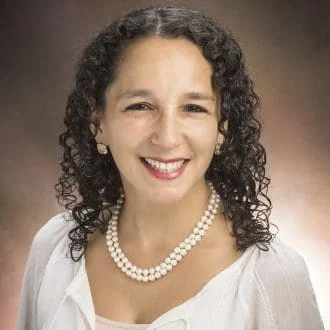
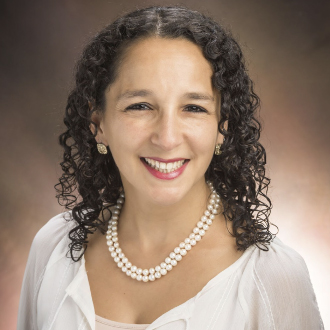
In a significant move to bolster the landscape of pediatric oncology research, CureSearch for Children’s Cancer has officially announced the awarding of a $1 million grant to Dr. Yael Mossé, a distinguished physician-scientist at the Children’s Hospital of Philadelphia (CHOP). This funding is specifically earmarked for the development of a transformative treatment for high-risk neuroblastoma, a form of cancer that remains one of the most formidable challenges in pediatric medicine. The grant was issued through the CureSearch Acceleration Initiative (AI) Award, a program designed to identify and fund late-stage preclinical research that possesses a high probability of transitioning into clinical trials within a compressed timeframe.
Neuroblastoma is a complex disease that originates in the sympathetic nervous system, most commonly in the adrenal glands, but it can also develop in the nerve tissues of the neck, chest, abdomen, or pelvis. While it is the most common extracranial solid tumor in children, the "high-risk" classification of the disease carries a particularly sobering prognosis. Despite intensive multimodal therapies—including high-dose chemotherapy, surgery, radiation, and immunotherapy—long-term survival rates for high-risk patients have historically lagged behind other pediatric cancers. Dr. Mossé’s research aims to shift this paradigm by leveraging precision medicine to target the specific molecular drivers of the tumor.
The Critical Challenge of High-Risk Neuroblastoma
To understand the weight of this $1 million investment, one must consider the epidemiological and clinical burden of neuroblastoma. It accounts for approximately 8% to 10% of all childhood cancer diagnoses but is responsible for a disproportionate 15% of all pediatric cancer-related deaths. In the United States, roughly 700 to 800 new cases are diagnosed annually, with the vast majority occurring in children under the age of five.
The disease is notoriously heterogeneous. While low-risk cases often have excellent outcomes with minimal intervention, high-risk neuroblastoma is characterized by aggressive growth and a high likelihood of metastasis to the bone marrow, liver, and bones. One of the primary hurdles in treating this demographic is the toxicity of current "gold standard" treatments. Young children undergoing intensive therapy often face lifelong side effects, including hearing loss, cardiac issues, and secondary malignancies. Dr. Mossé’s work focuses on a precision-based approach that identifies and inhibits the specific mutations fueling the cancer, thereby sparing healthy cells and reducing the collateral damage associated with traditional cytotoxic treatments.
The Acceleration Initiative: A Strategic Funding Model
The CureSearch Acceleration Initiative Award is not a standard research grant; it is a strategic intervention in the drug development pipeline. The "Valley of Death"—a term used in the pharmaceutical industry to describe the gap between laboratory discovery and clinical application—is where many promising pediatric therapies stall due to a lack of funding or regulatory hurdles. The AI Award is specifically structured to bridge this gap.
Dr. Mossé’s project was selected following a rigorous peer-review process by a panel of international experts in oncology, drug development, and regulatory affairs. The criteria for the award are stringent: the research must be "cutting-edge," it must address an unmet need in pediatric cancer, and it must have a clear path to the clinic. By providing $1 million in funding, CureSearch is effectively accelerating the pace of discovery, ensuring that the scientific breakthroughs achieved at the bench can reach the bedsides of patients who have exhausted standard treatment options.
Precision Medicine and the Legacy of Dr. Yael Mossé
Dr. Yael Mossé is widely recognized as a pioneer in the field of pediatric oncology, particularly for her work on the Anaplastic Lymphoma Kinase (ALK) gene. Her previous research was instrumental in identifying ALK mutations as a primary driver in many cases of neuroblastoma. This discovery opened the door for the use of ALK inhibitors, a class of drugs that had previously been used primarily in adult lung cancer.
The current project funded by CureSearch builds upon this foundation. It focuses on a novel therapy designed to target cancer-driving mutations with unprecedented specificity. By focusing on the unique genetic signatures of high-risk tumors, Dr. Mossé’s team is working to develop a treatment that is both more effective and less toxic. This "targeted" approach represents the future of oncology, moving away from a "one-size-fits-all" model toward personalized care tailored to the individual patient’s genetic profile.
In a statement regarding the award, Dr. Mossé emphasized the transformative nature of the funding: “This award provides an unprecedented opportunity to streamline the overall development of a novel therapy for patients with neuroblastoma by accelerating the entire drug development process. This translation of our science could not be possible without the support of CureSearch.”
The Role of Children’s Hospital of Philadelphia (CHOP)
The Children’s Hospital of Philadelphia, where Dr. Mossé conducts her research, is a global leader in pediatric healthcare. CHOP’s Cancer Center is one of the largest and most prestigious in the world, known for its robust clinical trial infrastructure and its commitment to translational research. The environment at CHOP allows for a seamless integration of laboratory science and clinical care, making it an ideal setting for the Acceleration Initiative Award.
The institutional support at CHOP, combined with the financial backing of CureSearch and the Norcross Foundation—which partially supported this project—creates a powerful ecosystem for innovation. The Norcross Foundation has long been a proponent of medical research in the Philadelphia region, and its involvement underscores the importance of local and national collaboration in the fight against childhood cancer.
A Chronology of Research Milestones
The path toward this $1 million grant involves a timeline of scientific dedication and incremental breakthroughs:
- Initial Discovery: Over a decade ago, Dr. Mossé and her colleagues identified the ALK gene as the first known hereditary cause of neuroblastoma.
- Clinical Integration: This discovery led to the first clinical trials of ALK inhibitors in children, proving that targeted therapies could be safely administered to pediatric patients.
- Identifying Resistance: As patients were treated, researchers identified how tumors could become resistant to first-generation inhibitors, necessitating the development of more potent, next-generation drugs.
- The CureSearch Partnership: Recognizing the potential for a new breakthrough, CureSearch engaged with Dr. Mossé’s team to evaluate the feasibility of the current project under the Acceleration Initiative framework.
- 2024 Award: The $1 million grant is finalized, providing the necessary capital to move the current novel therapy through the final preclinical stages and into a Phase 1 clinical trial.
Broader Implications for Pediatric Cancer Funding
The announcement of this grant comes at a time when federal funding for pediatric cancer research faces significant headwinds. While the National Cancer Institute (NCI) provides substantial support for oncology, only about 4% of the total federal budget for cancer research is traditionally allocated specifically to pediatric cancers. This "4% problem" has left a gap that private philanthropic organizations like CureSearch are increasingly required to fill.
The uncertainty of federal budgets means that high-risk, high-reward projects—those that are most likely to result in radical new treatments—often struggle to find consistent support. CureSearch’s role as a catalyst is vital. By focusing on the acceleration of drug development, they are not just funding research; they are managing a portfolio of projects designed to change the standard of care.
Analyzing the Impact on Patient Outcomes
The ultimate metric of success for the $1 million grant will be measured in survival rates and quality of life for children with high-risk neuroblastoma. If Dr. Mossé’s novel therapy proves successful in clinical trials, it could replace or augment existing protocols that are currently too toxic for many children to withstand.
Furthermore, the implications of this research extend beyond neuroblastoma. The techniques developed for targeting specific mutations and the regulatory pathways navigated by the Acceleration Initiative can serve as a blueprint for other rare pediatric cancers. When a precision medicine breakthrough occurs in one area, it often provides insights into the molecular mechanisms of other diseases, creating a ripple effect of progress across the field of oncology.
Conclusion and Future Outlook
The partnership between CureSearch for Children’s Cancer and Dr. Yael Mossé represents a strategic and hopeful front in the battle against pediatric cancer. By providing $1 million to the Children’s Hospital of Philadelphia, CureSearch is betting on a future where "high-risk" no longer translates to a poor prognosis.
As the project moves forward, the medical community will be watching the progress of Dr. Mossé’s work closely. The transition from the laboratory to the clinic is a rigorous journey, but with the support of the Norcross Foundation and the structured oversight of the CureSearch Acceleration Initiative, the goal of a safer, more effective treatment for neuroblastoma is closer than ever before. For the families of children diagnosed with this aggressive disease, this investment is more than just a financial transaction; it is a vital lifeline toward a cure.
