
 By admin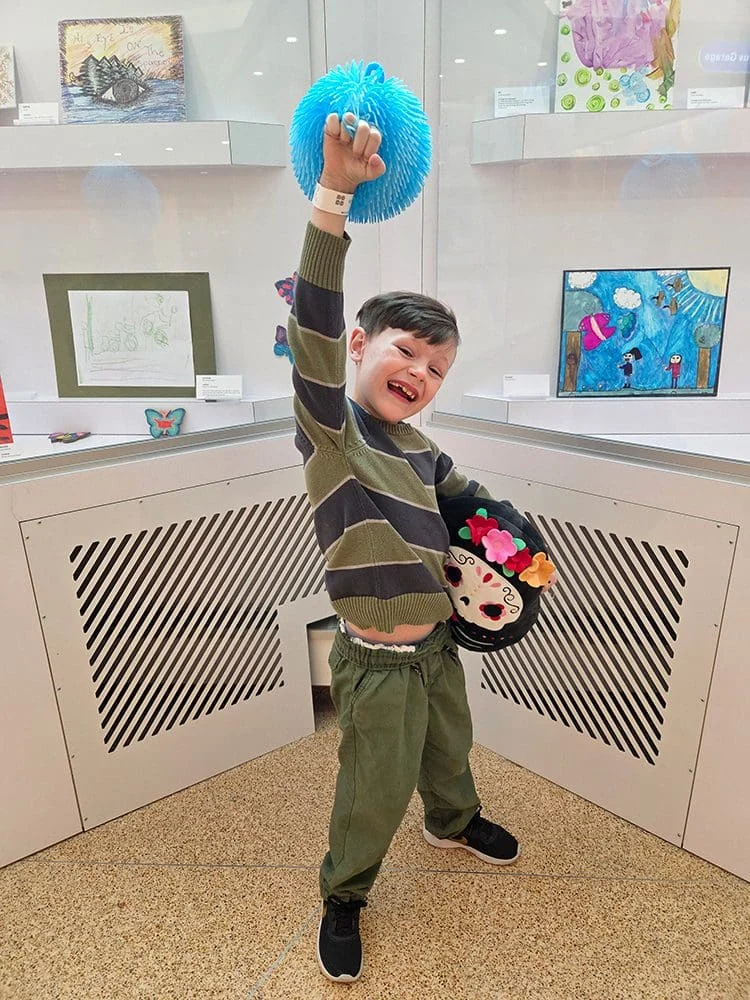
In observance of National Cancer Survivors Month this June, CureSearch for Children’s Cancer has launched a targeted fundraising initiative aiming to secure $37,500 by the end of the month. This specific financial milestone is designed to provide six months of critical funding for a Young Investigator—an early-career scientist dedicated to developing breakthrough treatments for pediatric cancers. The campaign underscores a shifting paradigm in oncology that prioritizes not only the eradication of malignancy but also the long-term quality of life for survivors. As pediatric cancer remains the leading cause of death by disease for children in the United States, the organization is highlighting the success of modern clinical trials through the story of Elias, a young survivor of a rare and aggressive form of leukemia.
The Urgency of Pediatric Oncology Innovation
The $37,500 goal set by CureSearch is part of a broader effort to bridge the "funding gap" that often stalls pediatric research. While adult cancer research receives significant federal and private investment, pediatric-specific initiatives frequently rely on non-profit organizations to move laboratory discoveries into clinical applications. By funding Young Investigators, the organization aims to foster a new generation of researchers who utilize precision medicine and targeted therapies to reduce the toxic "late effects" associated with traditional chemotherapy and radiation.
According to data from the National Cancer Institute (NCI), while the five-year survival rate for all childhood cancers has risen to approximately 85%, the treatments required to achieve these rates often come at a steep physiological cost. Survivors frequently face chronic health conditions, including cardiovascular disease, secondary cancers, and cognitive impairments. The CureSearch mission focuses on "bold, innovative research" that seeks to bypass these complications, a vision exemplified by the clinical journey of eight-year-old Elias.
Case Study: The Clinical Journey of Elias
The narrative of Elias provides a factual framework for understanding the trajectory of modern pediatric oncology. At age three, Elias presented with systemic bruising, a common but alarming clinical indicator of hematopoietic dysfunction. Following a rapid referral from his pediatrician to a specialized children’s hospital, he was diagnosed with Acute Megakaryoblastic Leukemia (AMKL).
AMKL is a rare subtype of Acute Myeloid Leukemia (AML), characterized by the malignant proliferation of megakaryoblasts. Historically, AMKL has been associated with a challenging prognosis in non-Down Syndrome pediatric patients, requiring intensive therapeutic intervention. In Elias’s case, the standard of care was supplemented by the opportunity to enroll in a clinical trial. This trial focused on a novel AML treatment protocol designed to minimize long-term cardiotoxicity and other systemic side effects that are prevalent in traditional regimens.
The medical necessity of the trial was driven by the high recurrence rates and the aggressive nature of AMKL. For eight months, Elias remained hospitalized under strict isolation protocols, a situation exacerbated by the global COVID-19 pandemic. The clinical course included high-dose chemotherapy, which resulted in severe immunosuppression and the development of mucositis—a painful inflammation and ulceration of the mucous membranes lining the digestive tract. The management of his condition required the use of heavy analgesics, including morphine, to facilitate rest and recovery during the most acute phases of treatment.
Resilience and the Hospital Environment
The social and psychological impact of long-term hospitalization on pediatric patients is a critical component of survivorship. During his tenure at the hospital, Elias became a central figure in the ward’s social fabric, earning the moniker "The Mayor of 9B." Despite the physical toll of his treatment, his engagement with the hospital environment—ranging from organizing activities in the sunroom to assisting maintenance and nursing staff—highlights the importance of psychosocial support in pediatric care.
One notable aspect of his recovery was his interaction with the hospital’s facility management team. His fascination with the hospital’s "zamboni" (floor scrubber) became a symbol of his eventual discharge. Upon the successful completion of his primary treatment phase, Elias was granted a ceremonial exit, riding the machinery out of the facility—a moment that marked his transition from active patient to survivor.
Chronology of Recovery and Survivorship Milestones
The timeline of Elias’s recovery serves as a benchmark for the efficacy of the clinical trial he participated in.
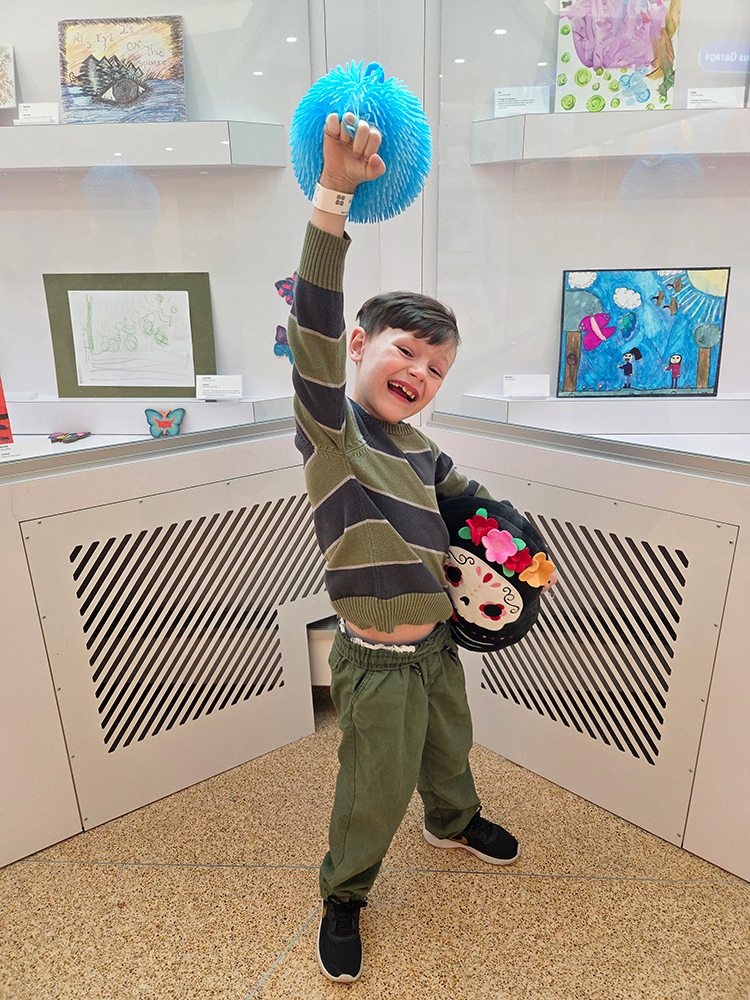
- Diagnosis (Age 3): Identification of AMKL following rapid onset of bruising.
- Active Treatment (2020-2021): Eight months of inpatient chemotherapy and clinical trial participation under COVID-19 protocols.
- Post-Treatment Monitoring (2021-2024): Regular screenings to monitor for relapse and late-stage side effects, specifically focused on cardiac health.
- Entry into Survivorship Program (April 21, 2025): Official transition into a long-term monitoring phase, reserved for patients who have remained in remission for a significant duration.
- Current Status (June 2025): Elias celebrates his 8th birthday with a "perfect" cardiac prognosis, showing no signs of the heart damage often associated with pediatric leukemia treatments.
His transition into the survivorship program is a significant clinical milestone. These programs are designed to provide lifelong follow-up care, addressing the unique medical and psychological needs of cancer survivors as they age. For Elias, the lack of cardiotoxicity is a direct validation of the clinical trial’s objectives.
Analysis of the Pediatric Research Landscape
The success seen in Elias’s case is not yet universal. Medical experts note that while clinical trials offer the best hope for many children, access to these trials is often limited by geography, socio-economic factors, and, most critically, funding. The $37,500 sought by CureSearch is intended to support the "Young Investigator" program, which targets the specific stage of research where promising laboratory findings are translated into human trials.
Young Investigators often struggle to secure large-scale federal grants, which typically favor established researchers with decades of data. However, it is often these younger scientists who are at the forefront of immunotherapy, gene editing, and other cutting-edge modalities. By providing "bridge funding," CureSearch ensures that the pipeline of new treatments does not stall due to lack of capital.
Implications for Public Health and Policy
The broader implications of this campaign touch upon the necessity of specialized pediatric drug development. Currently, many drugs used in pediatric oncology are "repurposed" from adult oncology, often without a full understanding of how they affect a developing child’s physiology. The push for "bold, innovative research" is a call for drugs designed specifically for the molecular drivers of childhood cancers.
Furthermore, the emphasis on "thriving, not just surviving" reflects a growing consensus in the medical community that the metric of success in oncology must expand. Survival is the first step, but the prevention of lifelong disability and chronic illness is the ultimate goal. The fact that Elias now dreams of becoming an engineer or a nurse—occupations requiring high levels of cognitive and physical function—is a testament to the success of a treatment plan that prioritized his future health as much as his immediate survival.
Official Response and Call to Action
CureSearch representatives have stated that the June campaign is a vital part of their annual strategy to ensure that no promising research goes unfunded. The organization emphasizes that every contribution directly impacts the ability of scientists to conduct the very trials that saved Elias.
"Every child diagnosed with cancer deserves not just to survive, but to thrive," the organization noted in a recent statement. "By funding more bold, innovative research like that of our Young Investigators, we can turn that vision into reality."
As Cancer Survivors Month continues, the focus remains on the $37,500 goal. The organization maintains that the investment in a single researcher for six months can yield data that eventually leads to multi-million dollar federal grants and, ultimately, FDA-approved therapies. For families like Elias’s, these research initiatives are the difference between a life of chronic health struggles and a future of unlimited potential.
The campaign concludes on June 30, with the organization urging stakeholders, corporate partners, and the public to contribute to the fund. The data-driven success of Elias’s clinical trial serves as the primary evidence for why such funding is not merely a charitable gesture, but a necessary investment in the future of pediatric medicine.
